

Julian Lennon, 63, Says He Has Coronary Heart Disease and Pre-Diabetes, Is Working to ‘Reverse Some of the Damage’
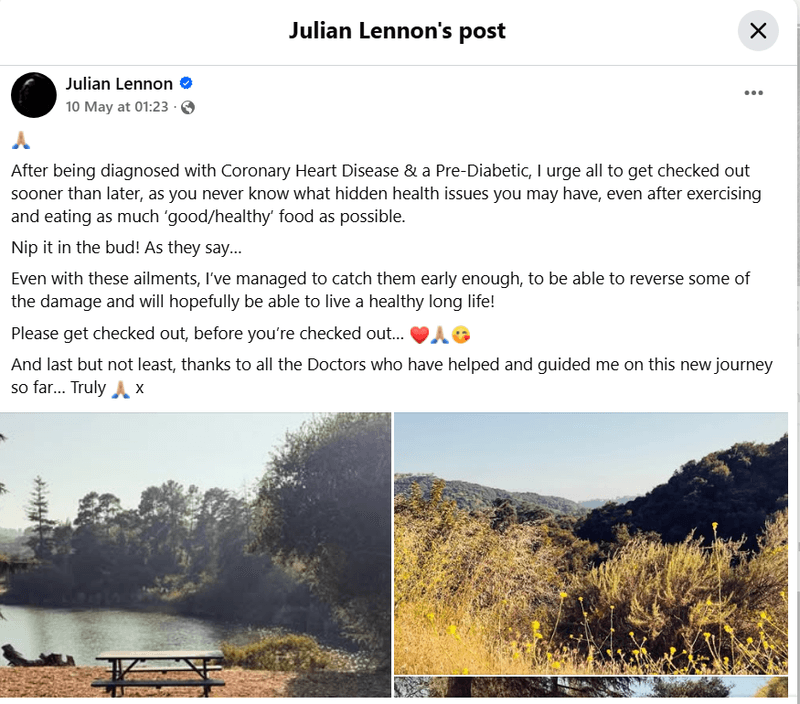
Julian Lennon, the renowned musician and son of Beatles legend John Lennon, recently opened up about his health challenges at the age of 63. He disclosed that he has been diagnosed with coronary heart disease and pre-diabetes, conditions that have prompted him to take significant steps toward improving his overall well-being. In this article, we explore Julian’s health journey, the implications of his diagnoses, and the proactive measures he is adopting to reverse some of the damage caused by these chronic conditions.
Understanding Julian Lennon’s Coronary Heart Disease and Pre-Diabetes Diagnosis
:max_bytes(150000):strip_icc():focal(749x0:751x2)/Julian-Lennon-attends-the-amfAR-London-2025-gala-at-The-Chancery-Rosewood-051326-ea19e8a786d74df0944561a45e5c359c.jpg)
Coronary heart disease (CHD) is a common cardiovascular condition characterized by the narrowing or blockage of the coronary arteries, which supply blood to the heart muscle. This can lead to chest pain, heart attacks, and other serious complications if left untreated. Pre-diabetes, on the other hand, is a metabolic condition where blood sugar levels are higher than normal but not yet high enough to be classified as type 2 diabetes. Both conditions are linked to lifestyle factors such as diet, physical activity, and weight management.
Julian Lennon’s revelation about his health struggles highlights the importance of awareness and early intervention. At 63, he is taking active steps to manage his conditions through a combination of medical treatment, dietary changes, and increased physical activity. His openness serves as an inspiration for many who may be facing similar health issues but have yet to take action.
Julian Lennon’s Approach to Reversing Health Damage

Since his diagnosis, Julian Lennon has committed to a comprehensive health plan aimed at reversing some of the damage caused by coronary heart disease and pre-diabetes. This includes adopting a heart-healthy diet rich in vegetables, fruits, whole grains, and lean proteins while reducing the intake of processed foods, sugars, and unhealthy fats. Regular exercise has also become a cornerstone of his routine, helping to improve cardiovascular fitness and regulate blood sugar levels.
In addition to lifestyle modifications, Julian is working closely with healthcare professionals to monitor his condition and adjust treatments as needed. This proactive approach not only helps manage symptoms but also reduces the risk of progression to more severe health problems such as heart attacks or type 2 diabetes.
Julian Lennon’s journey underscores the critical role of early diagnosis and consistent management in chronic disease care. By sharing his story, he encourages others to prioritize their health and seek medical advice if they experience symptoms or risk factors related to heart disease or diabetes.
The Broader Impact of Julian Lennon’s Health Journey
Julian Lennon’s public discussion about his coronary heart disease and pre-diabetes brings much-needed attention to these prevalent health issues. Cardiovascular diseases remain the leading cause of death worldwide, and pre-diabetes affects millions, often progressing to full-blown diabetes if not addressed. His transparency helps reduce stigma and promotes a culture of health awareness and proactive care.
Moreover, Julian’s experience highlights the importance of regular health screenings, especially for individuals over 50 or those with a family history of heart disease and diabetes. Early detection can significantly improve outcomes by enabling timely lifestyle changes and medical interventions.
Conclusion

Julian Lennon’s candid revelation about living with coronary heart disease and pre-diabetes at 63 is a powerful reminder of the importance of health vigilance and proactive management. His commitment to reversing some of the damage through lifestyle changes and medical care serves as an inspiration for many facing similar challenges. If you or a loved one are experiencing symptoms or risk factors related to heart disease or diabetes, don’t wait—consult your healthcare provider today to take control of your health and prevent further complications.