Actor Russell Andrews Reveals ALS Diagnosis
Russell Andrews Opens Up About His ALS Diagnosis
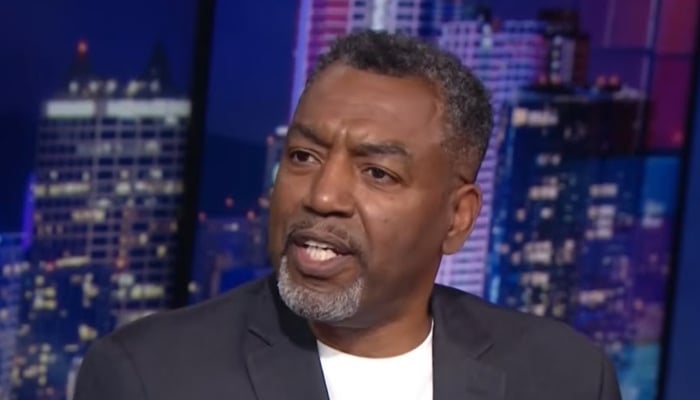
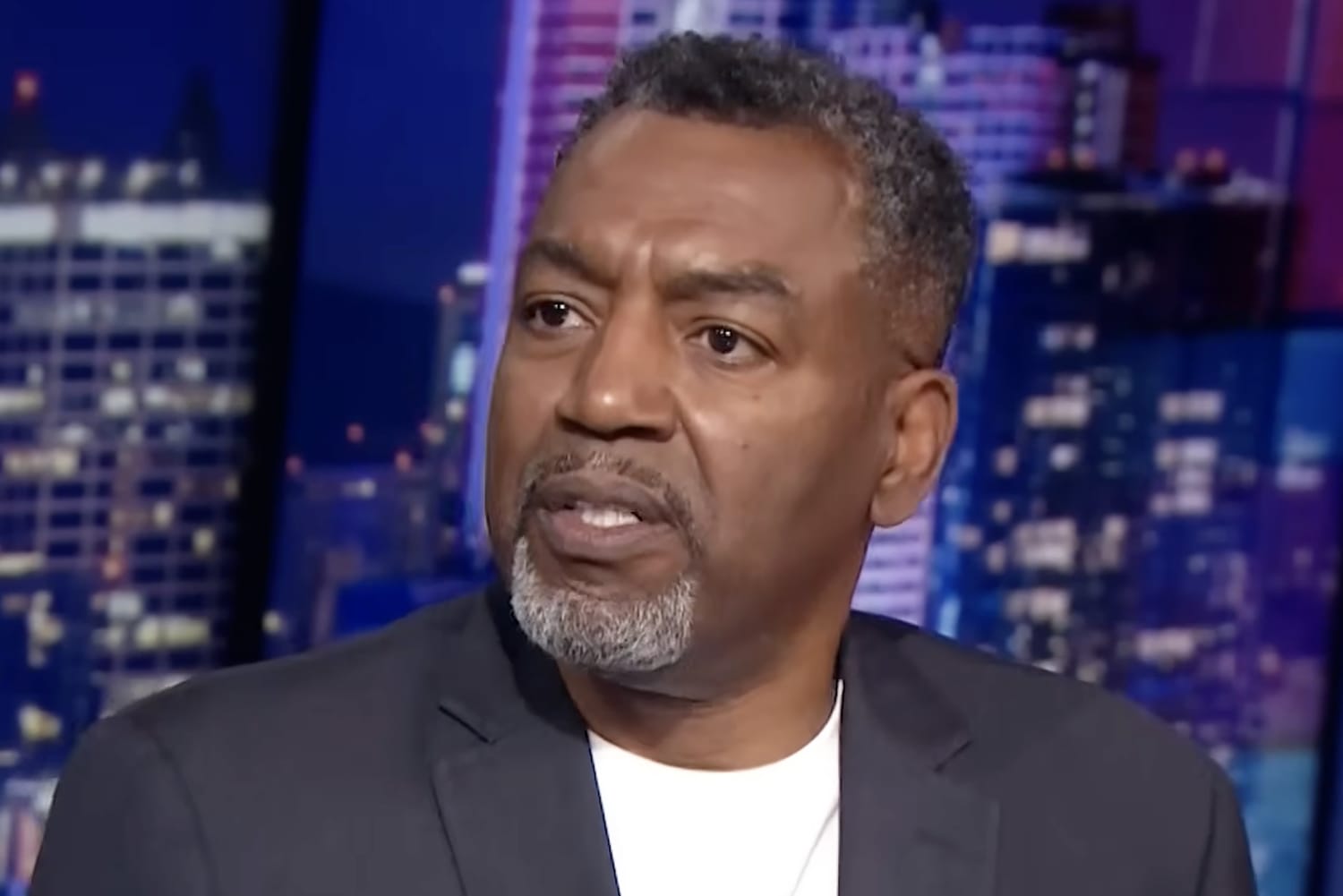
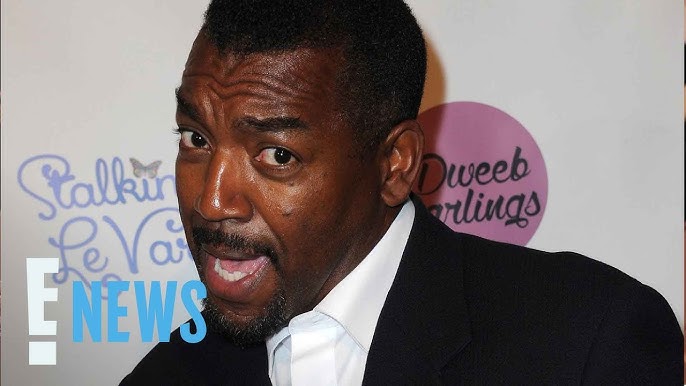
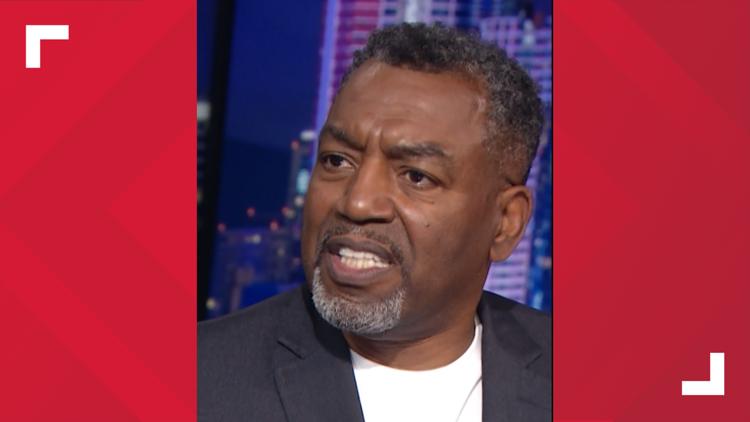
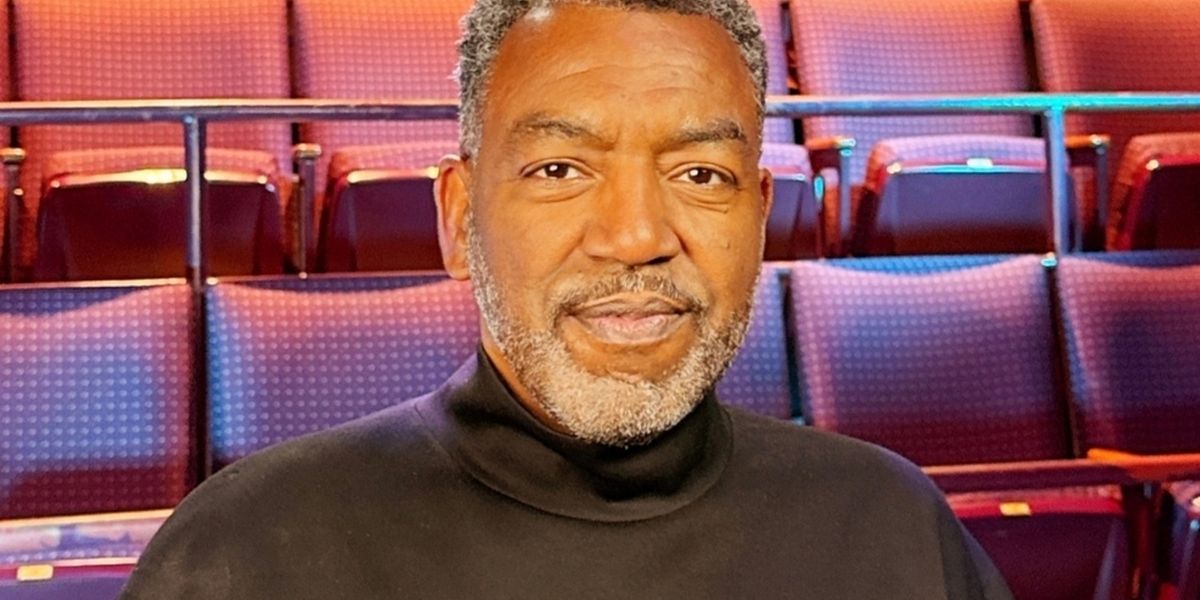
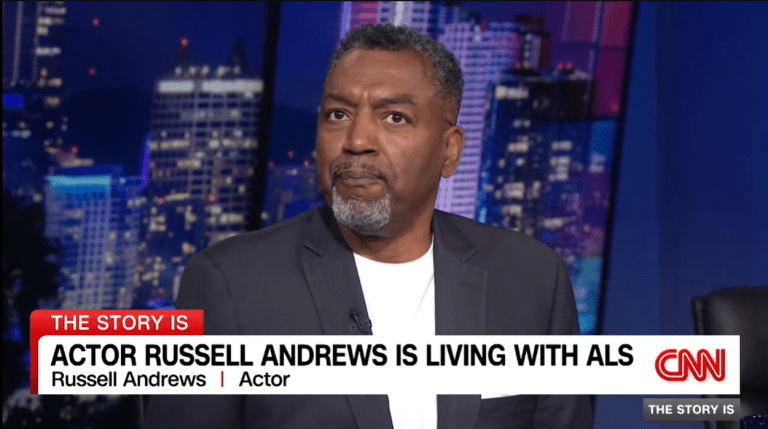
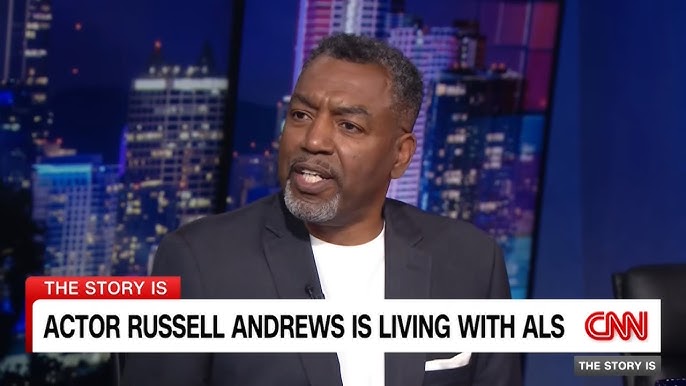
Actor Russell Andrews, widely recognized for his performances in acclaimed television series such as “Better Call Saul,” “Grey’s Anatomy,” and “Insecure,” recently revealed that he has been diagnosed with Amyotrophic Lateral Sclerosis (ALS), a progressive neurological disorder also known as Lou Gehrig’s disease. Andrews, 64, shared this deeply personal news during an interview on CNN’s “The Story Is with Elex Michaelson,” where he spoke candidly about the challenges and emotions he has faced since receiving the diagnosis.
The diagnosis came in the fall of the previous year, marking a significant turning point in Andrews’ life. Despite the initial shock, the actor expressed profound gratitude for the overwhelming support he has encountered from family, friends, and fans. “It’s been humbling,” Andrews said softly during the interview. “But there’s also something in the fact that I walked into a family of very caring people, people I did not know a year ago.” This newfound community has provided him with strength and comfort as he navigates the complexities of living with ALS.
Early Symptoms and the Road to Diagnosis
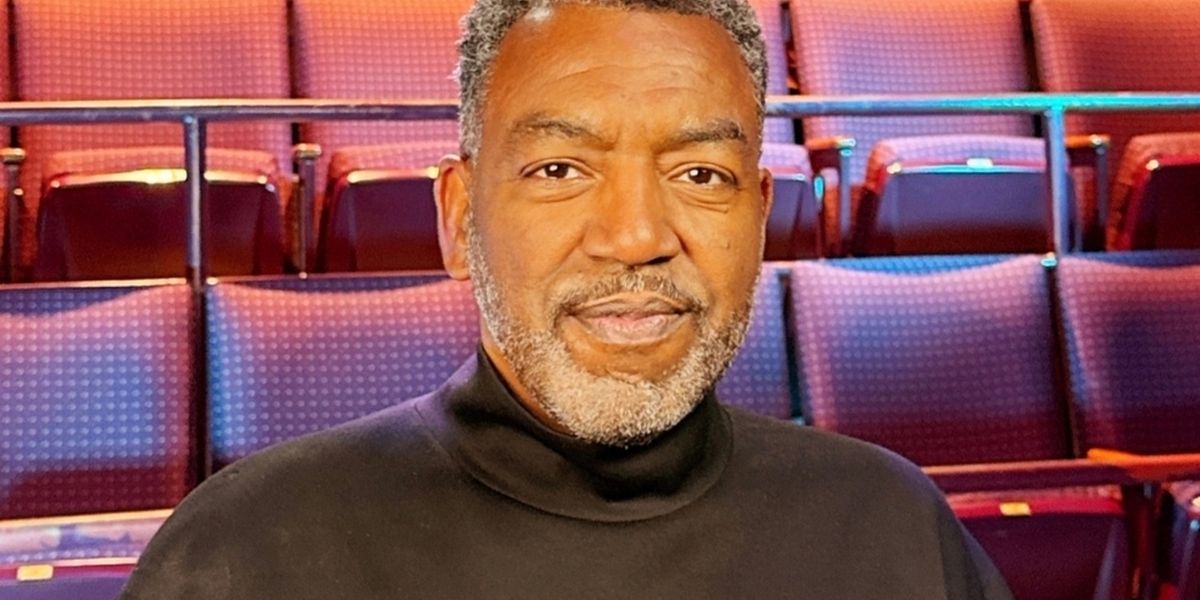
Although the official diagnosis was recent, Andrews suspects that the earliest signs of ALS may have appeared during the COVID-19 pandemic. He described experiencing subtle symptoms that gradually worsened over time. “There were moments, there were twitches, there were things I thought I was having pinched nerves in my neck and they were quite frequent,” he explained. These initial signs were easy to overlook or attribute to less serious causes.
However, as the symptoms progressed, Andrews noticed a decline in his motor skills. Simple everyday tasks became increasingly difficult. “I was dropping cups and glasses and at night it felt like things were running up and down my arm at different times,” he shared. These physical changes prompted him to seek medical advice, ultimately leading to the ALS diagnosis.
The Support System: Family and Fiancée Stand Strong
Andrews’ fiancée, fellow actor Erica Tazel, has been a pillar of support throughout this difficult period. She recounted her reaction upon learning about the diagnosis, describing herself as “uncharacteristically calm.” For Tazel, the diagnosis brought clarity to a series of concerns they had been observing. “In a way, it was an answer to a lot of questions that we had,” she said. Tazel noticed subtle changes in Andrews’ physical abilities, such as taking longer to clean the pool and alterations in his gait. “There were certain things that we started to see that were different,” she explained. “For example, it took him longer to clean the pool, the way he walked, there was just the subtle little things like that and I had questions. I was like, ‘Something is definitely wrong.’”
Despite the uncertainty ahead, the couple remains committed to their future together. Tazel expressed her unwavering love and support, stating, “When he shared the news with me, again, there was not a sigh of relief, but some understanding of what was happening. I looked at him across the room and I said, ‘At least now we know what it is and I still want to be your wife.’” Their bond exemplifies the power of love and resilience in the face of adversity.
Understanding ALS: What It Means for Russell Andrews and Others

ALS is a progressive neurodegenerative disease that affects nerve cells in the brain and spinal cord, leading to the loss of muscle control. The disease gradually impairs the ability to speak, eat, move, and breathe. While there is currently no cure, early diagnosis and supportive care can help manage symptoms and improve quality of life.
For Russell Andrews, the diagnosis has been a life-altering moment, but it has also opened doors to new perspectives and connections. His openness about his condition raises awareness about ALS and encourages others facing similar challenges to seek support and remain hopeful.
Living with ALS: Challenges and Hope
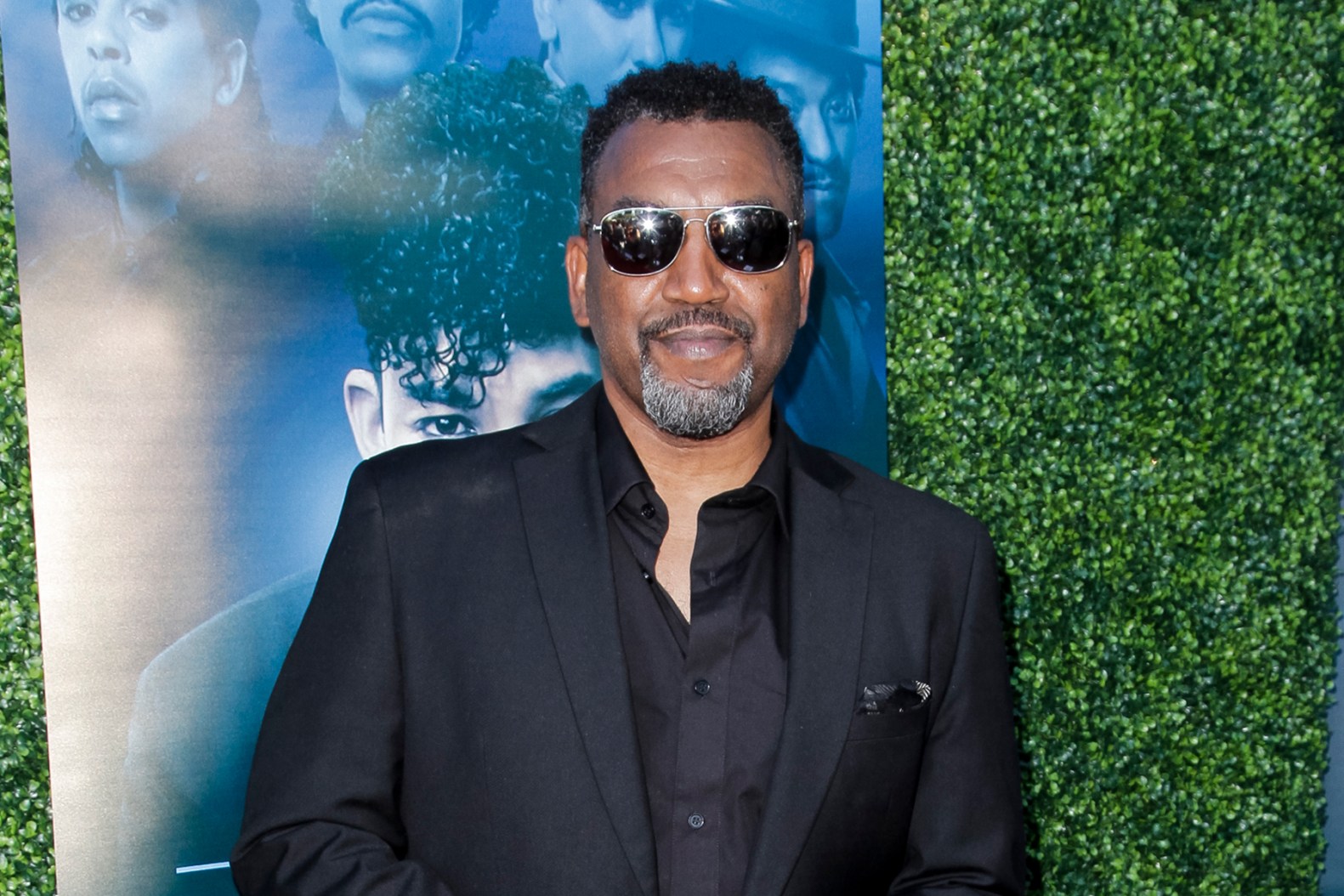
Living with ALS requires adapting to physical limitations and managing emotional and psychological impacts. Andrews’ story highlights the importance of a strong support network, including family, friends, and healthcare professionals. Advances in medical care and assistive technologies continue to offer new possibilities for maintaining independence and comfort.
Andrews’ courage in sharing his journey publicly helps destigmatize the disease and fosters a greater understanding among the public. His experience serves as a reminder that even in the face of daunting health challenges, compassion, community, and determination can make a significant difference.
Conclusion
Russell Andrews’ revelation of his ALS diagnosis is a powerful testament to resilience and the human spirit. His journey underscores the importance of awareness, early detection, and the unwavering support of loved ones. If you or someone you know is experiencing symptoms similar to those described by Andrews, don’t hesitate to seek medical advice. Stay informed, stay connected, and join the conversation to support those affected by ALS. For more inspiring stories and the latest updates on neurological health, subscribe to our newsletter today.
:max_bytes(150000):strip_icc():focal(729x331:731x333)/Russell-Andrews-051726-1f3dc5964759472a9662aaa553ddb0b8.jpg)