

What is Akathisia? Jordan Peterson’s ‘Catastrophic’ Condition After Neurological Injury
Understanding Akathisia: The Neurological Disorder Behind Jordan Peterson’s Struggle
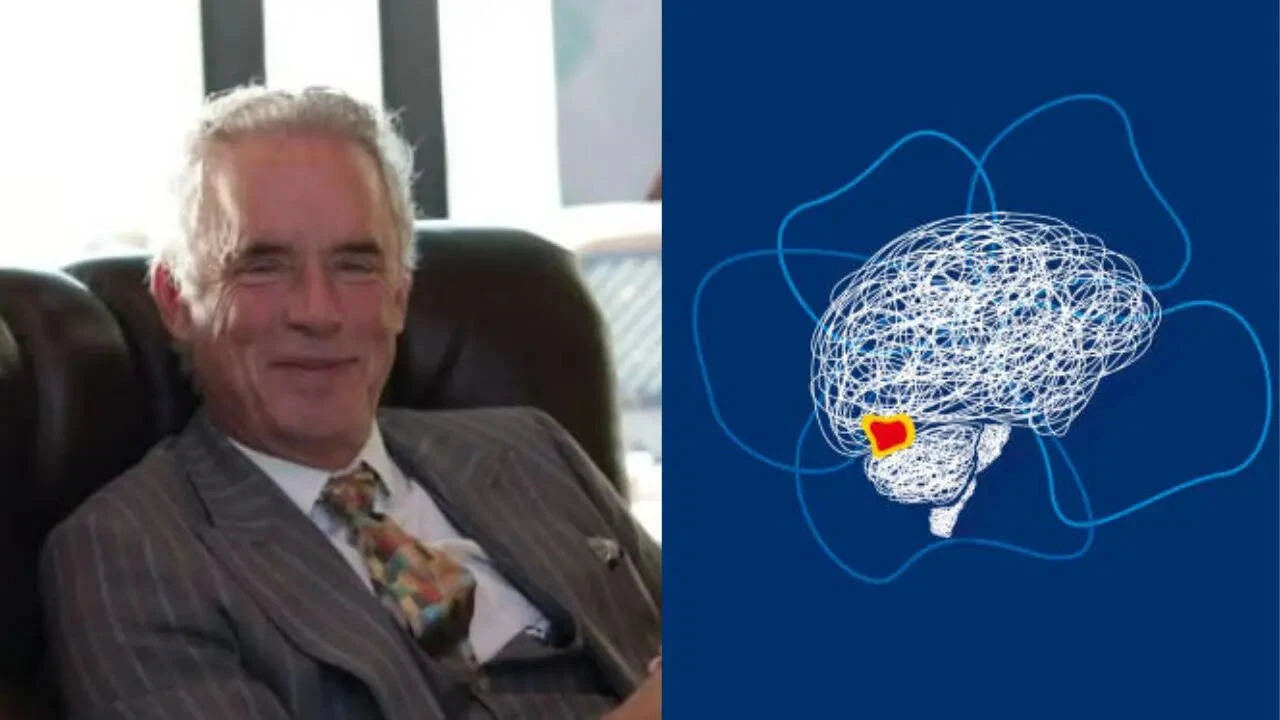
Akathisia is a complex neuropsychiatric syndrome that manifests as an overwhelming sense of inner restlessness and a compulsive urge to move. This movement disorder can severely disrupt daily life, making it difficult for those affected to remain still, often causing significant mental anguish. The condition gained widespread attention recently when Canadian clinical psychologist and author Jordan Peterson revealed his ongoing battle with akathisia, which has been described by his daughter, Mikhaila Peterson, as “catastrophic.”
Peterson’s akathisia symptoms reportedly worsened after a series of medical complications, including a diagnosis of chronic inflammatory response syndrome (CIRS) triggered by mold exposure, followed by pneumonia and sepsis. These events exacerbated an existing neurological injury, leading to a severe flare-up of akathisia symptoms.
What Exactly is Akathisia?

Akathisia is primarily characterized by an uncontrollable need to move, often accompanied by feelings of inner restlessness and anxiety. Patients may exhibit behaviors such as pacing, rocking, leg swinging, or shifting weight from one foot to another. The condition is often divided into subtypes based on the duration and onset of symptoms:
– Acute Akathisia: Develops shortly after starting or increasing the dosage of certain medications and typically lasts less than six months.
– Chronic Akathisia: Persists for more than six months and can continue for years.
– Tardive Akathisia: Emerges more than three months after beginning or increasing medication.
– Withdrawal Akathisia: Occurs after reducing or stopping medication.
Causes and Risk Factors of Akathisia
Akathisia is most commonly linked to the use of specific medications, particularly antipsychotic drugs, especially first-generation or “typical” antipsychotics. These medications are prescribed for various psychiatric disorders, including schizophrenia, bipolar disorder, depression, anxiety, obsessive-compulsive disorder (OCD), and post-traumatic stress disorder (PTSD).
Beyond medication, akathisia can also be associated with neurological conditions such as Parkinson’s disease, encephalitis (brain inflammation), and traumatic brain injury. Illicit stimulant drugs like amphetamines, methamphetamines, and cocaine have also been implicated in triggering akathisia symptoms.
In Jordan Peterson’s case, his akathisia is believed to stem from immune system dysfunction caused by CIRS, a chronic inflammatory condition resulting from exposure to biotoxins like mold. This immune dysregulation, combined with his prior neurological injury and subsequent infections, has contributed to the severity of his symptoms.
How Does Akathisia Affect the Brain?

Although the precise mechanisms behind akathisia remain unclear, researchers suggest that the disorder involves dopamine receptor blockade in the brain. Dopamine is a neurotransmitter critical for regulating movement and mood. When certain medications block dopamine receptors, it can result in involuntary movements and the characteristic restlessness seen in akathisia.
Recognizing the Symptoms of Akathisia

Patients with akathisia often describe an intense, uncomfortable urge to move that cannot be suppressed. Observable signs include:
– Constant leg swinging or tapping while seated
– Rocking back and forth
– Pacing or marching in place
– Crossing and uncrossing legs repeatedly
– Shifting weight from one foot to another
These symptoms can be mistaken for anxiety, agitation, or other psychiatric conditions such as psychosis, mania, or attention deficit hyperactivity disorder (ADHD), leading to frequent misdiagnosis.
Diagnosing Akathisia
Diagnosis of akathisia is primarily clinical, relying on patient history and observation of symptoms. The Barnes Akathisia Rating Scale (BARS) is a commonly used tool that quantifies the severity of restlessness on a four-point scale. Due to symptom overlap with other disorders, careful evaluation by a neurologist or psychiatrist is essential to avoid misdiagnosis.
Treatment Options and Challenges
There is currently no definitive cure for akathisia, and treatment focuses on symptom management. Strategies include:
– Medication Adjustment: Reducing the dosage or switching to antipsychotics with a lower risk of causing akathisia.
– Pharmacological Interventions: Some patients benefit from beta-blockers, benzodiazepines, vitamin B6 supplements, or asthma medications, although responses vary.
– Addressing Underlying Conditions: Treating contributing factors such as infections, immune dysfunction, or neurological injuries.
If left untreated, akathisia can severely impair quality of life, leading to increased anxiety, depression, and even suicidal thoughts. Jordan Peterson’s public disclosure has helped raise awareness about the debilitating nature of this disorder and the urgent need for better treatment options.
Living with Akathisia: The Human Impact
The relentless restlessness and discomfort caused by akathisia can be physically exhausting and emotionally draining. Patients often struggle with social isolation, difficulty concentrating, and disrupted sleep. Support from healthcare providers, family, and mental health professionals is crucial for coping with the condition.
Conclusion
Akathisia is a challenging neurological disorder marked by uncontrollable restlessness and a compelling need to move. Jordan Peterson’s public battle with this “catastrophic” condition following neurological injury and immune dysfunction has spotlighted the severity and complexity of akathisia. Understanding its causes, symptoms, and treatment options is vital for patients and caregivers alike. If you or a loved one are experiencing symptoms of akathisia, seek professional medical advice promptly to explore potential treatments and improve quality of life. Stay informed and proactive about neurological health—your well-being matters.