Skeletal Remains Found 5 Miles from Nancy Guthrie’s Home Are Up to 1,000 Years Old: Expert
Ancient Skeletal Remains Unearthed Near Nancy Guthrie’s Residence
:max_bytes(150000):strip_icc()/Nancy-Guthrie-Today-house-053026-7ba17f7a7bd14549b261b17240ed815e.jpg)
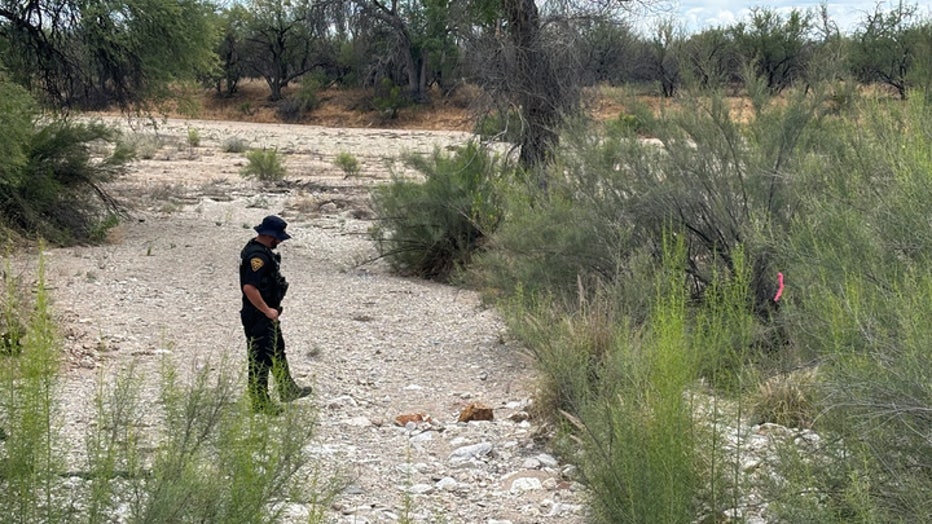
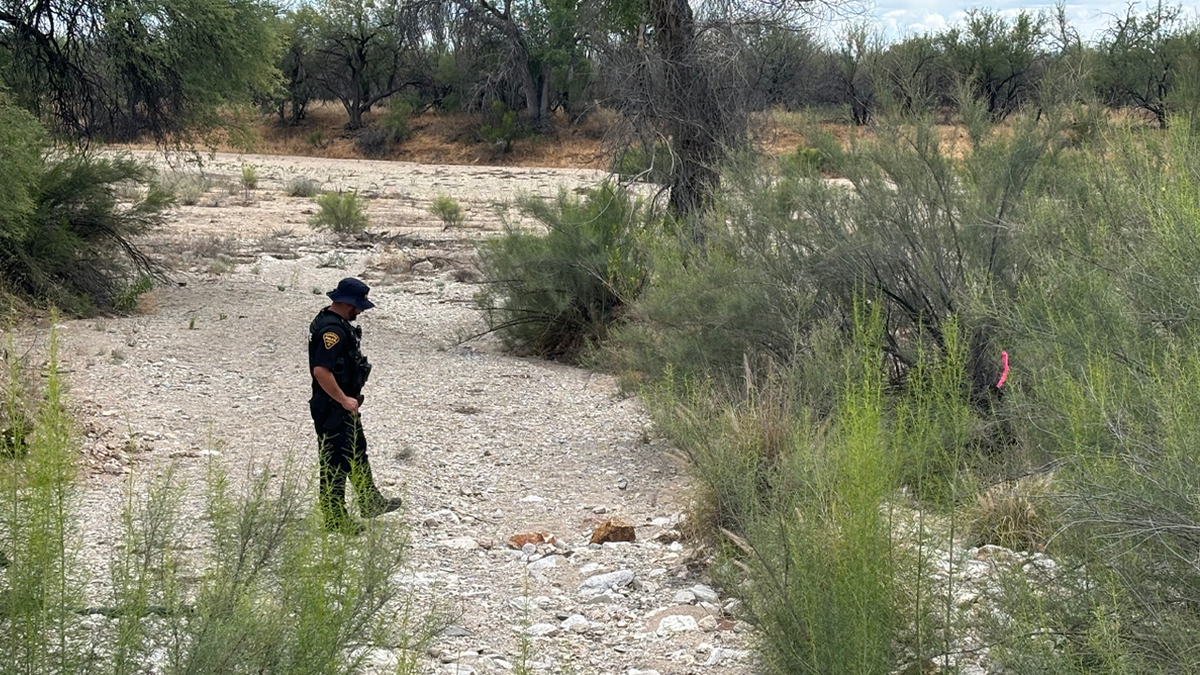
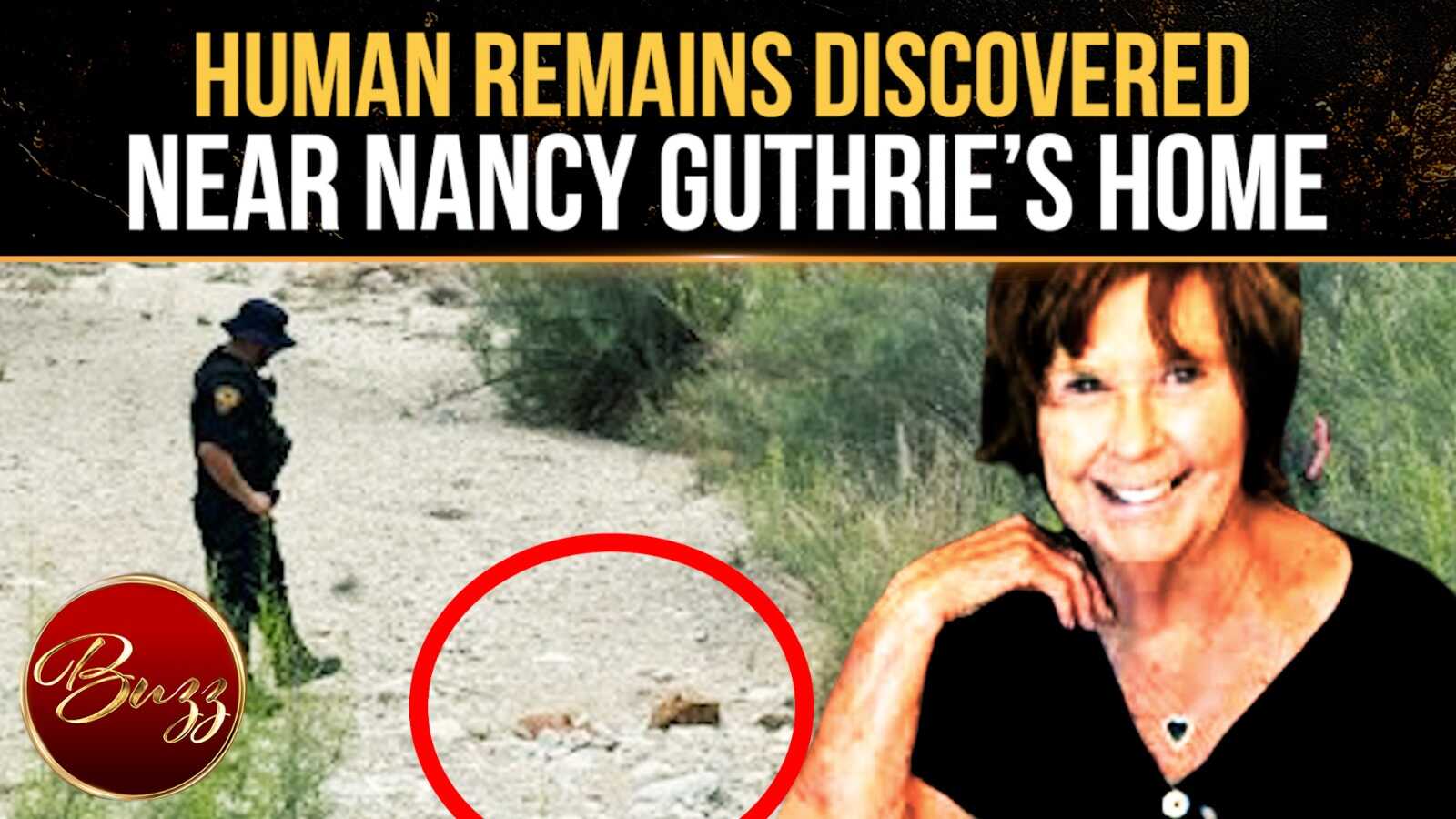
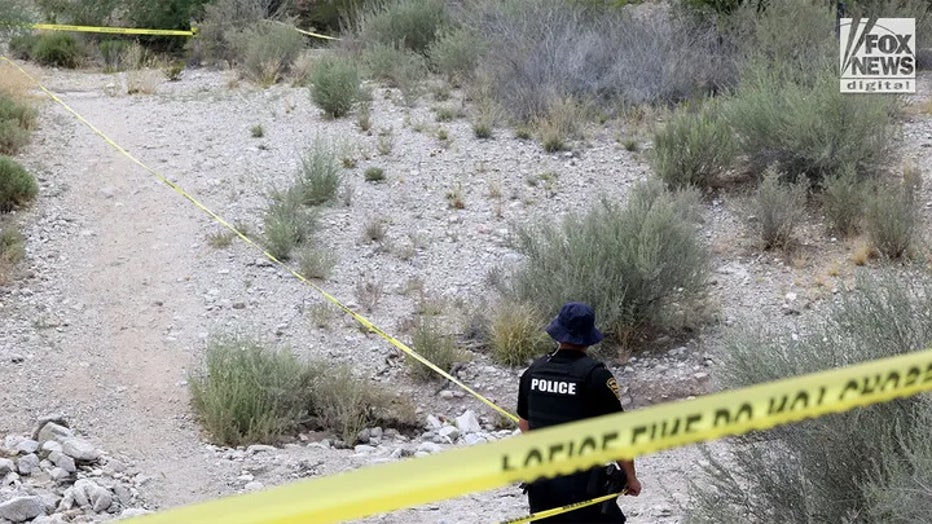
In early May 2026, a remarkable archaeological discovery was made just five miles from the home of Nancy Guthrie, mother of “Today” show host Savannah Guthrie. Amateur investigator and livestreamer AJ Wysopal stumbled upon skeletal remains in the Catalina Foothills region of Arizona, sparking immediate interest from both the public and experts alike. Initial assumptions about the remains’ age were quickly challenged when anthropologists began their analysis.
James T. Watson, an anthropologist at the University of Arizona, provided critical insight into the discovery. After examining the skeletal remains alongside ceramics and other artifacts found at the site, Watson concluded that the remains could be as old as 1,000 years. This places the individual in a prehistoric era, long before any written records existed in the region.
“The ceramics really sort of drove home that point,” Watson explained in an interview with FOX. “All of that contextual evidence allowed me to be pretty sure that this individual was in fact Native American.”
Contextual Evidence Links Remains to Ancient Native American Settlements
The Catalina Foothills and the broader Sonoran Desert region have long been known for their rich history of Native American habitation. The artifacts discovered alongside the skeletal remains, including pottery shards and tools, are consistent with those used by ancient Native American communities that thrived in this harsh desert environment centuries ago.
The term “prehistoric” is used to describe these remains because they predate any known written language or documented history in the area. This discovery adds to the growing body of evidence that the Sonoran Desert was home to complex societies long before European contact.
All materials recovered from the site have been respectfully handed over to the Tohono O’odham Nation, a Native American tribe located west of Tucson. The tribe has indicated that no further testing or research will be conducted, honoring the cultural and spiritual significance of the burial site.
Why Are Such Discoveries Becoming More Common in the Sonoran Desert?
The Sonoran Desert’s challenging terrain and ongoing real estate development have contributed to an increase in discoveries of ancient human remains. According to Watson, “There are literally probably hundreds of bodies that are discovered every year out in the desert.”
Several factors contribute to this trend. The desert’s vast and rugged landscape contains many hidden crevices and secluded areas where individuals may have lived, passed away, or been buried. As development projects and exploration efforts expand into previously untouched areas, more archaeological finds are emerging.
Watson elaborated, “So there [are] a lot of places that an individual could get lost or pass away — or hide a body. I think as people start to poke into some of these crevices that don’t normally get poked into across the desert, they’re likely to find more individuals.”
These findings not only provide valuable insights into the region’s prehistoric inhabitants but also highlight the importance of preserving archaeological sites amid ongoing urban expansion.
Conclusion
The discovery of skeletal remains dating back up to 1,000 years near Nancy Guthrie’s home offers a fascinating glimpse into the ancient history of Arizona’s Sonoran Desert. This find underscores the rich cultural heritage of Native American communities that once thrived in the area and emphasizes the need for respectful preservation of such sites. As more archaeological discoveries come to light, they deepen our understanding of the past and remind us of the enduring legacy of indigenous peoples.
If you’re interested in learning more about archaeological discoveries or supporting preservation efforts, consider connecting with local historical societies or Native American organizations. Stay informed and engaged to help protect these invaluable windows into our shared history.