What Happens If You Accidentally Eat Mold?
Understanding the Risks: What Happens If You Accidentally Eat Mold?
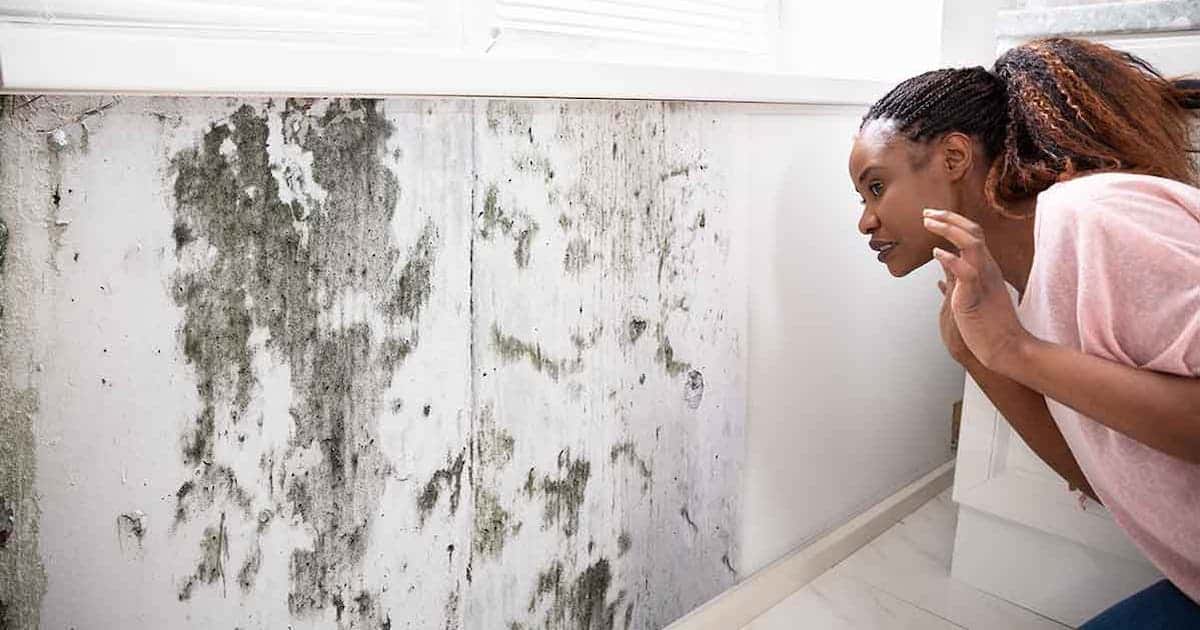
Accidentally eating moldy food is a common concern that many people face. Whether it’s a slice of bread with green fuzz or a piece of fruit with a suspicious spot, mold can sneak into our meals without warning. But what exactly happens if you accidentally consume mold? Is it dangerous, or just an unpleasant experience?
In most cases, accidentally eating mold is not a cause for panic. Your digestive system and immune defenses are typically well-equipped to handle small amounts of mold without causing serious harm. However, the effects can vary depending on the type of mold ingested, the amount consumed, and your individual health status.
How Your Body Reacts to Mold Consumption
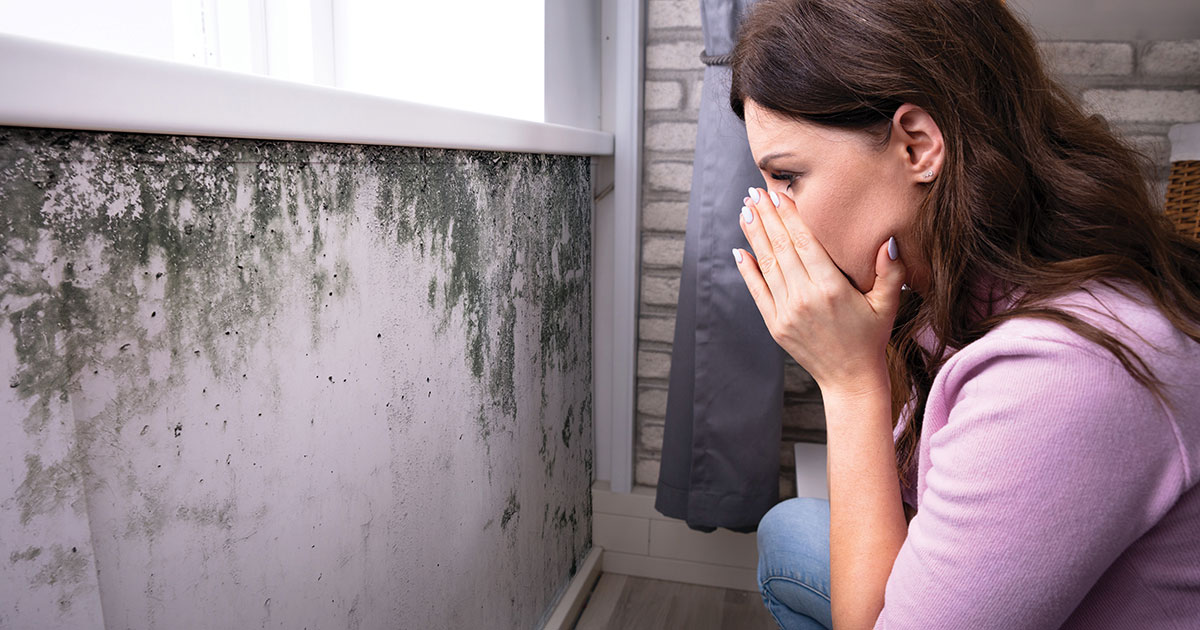
When you ingest mold, your stomach acid and immune system work together to neutralize and break down the fungal spores. For most healthy individuals, this means that the mold passes through the digestive tract without causing any symptoms. Some people might experience mild nausea or vomiting, but this is often more related to the unpleasant taste or psychological reaction rather than a toxic effect.
However, certain molds produce toxic substances called mycotoxins, which can pose health risks if ingested in large quantities. These toxins have been linked to more serious conditions, including allergic reactions, respiratory issues, and in rare cases, long-term illnesses such as cancer. It’s important to note that these risks are generally associated with prolonged exposure or consumption of heavily mold-contaminated food, not a single accidental bite.
Is It Safe to Eat Moldy Food After Cutting Off the Mold?
One of the most common questions is whether it’s safe to salvage moldy food by cutting off the affected parts. The answer depends largely on the type of food and the extent of mold growth.
According to food safety guidelines, most moldy foods should be discarded entirely because mold roots can penetrate deep into soft foods, making it unsafe to eat even after removing the visible mold. This applies to bread, soft fruits, cooked leftovers, and dairy products like yogurt.
However, there are exceptions. Hard cheeses such as Parmesan or aged cheddar can be safely consumed after cutting off at least one inch around the moldy spot, as their dense texture prevents mold from spreading deeply. Similarly, firm fruits and vegetables like carrots or cabbage may be salvaged if the moldy area is cut away generously and the rest is still firm and fresh.
Cured meats are another exception where surface mold is often harmless and can be wiped off safely. In all cases, it’s crucial to avoid cross-contamination by using a clean knife and not touching the mold with your hands.
When to Throw Moldy Food Away
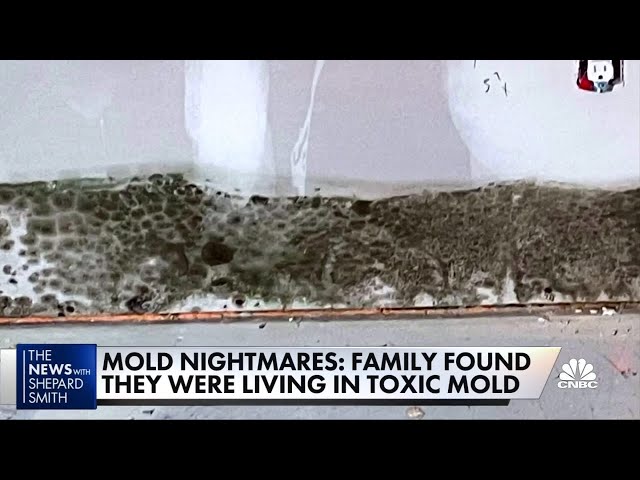
If you notice mold on soft foods, cooked dishes, or any item that has a high moisture content, it’s safest to discard it. Mold can produce harmful toxins that are invisible to the naked eye and can spread beyond the visible moldy patch. Eating such food increases the risk of food poisoning and allergic reactions.
Are All Molds Harmful?
Not all molds are dangerous. In fact, some molds are intentionally used in food production and are safe to eat. For example, the Penicillium mold is responsible for the unique flavors and textures of cheeses like Brie, Camembert, and Roquefort. These molds are carefully controlled during the cheese-making process to prevent harmful toxins from developing.
On the other hand, molds that grow unintentionally on food, such as Botrytis or Geotrichum, can be harmful, especially if consumed in large amounts. Mold on fresh meat, poultry, or seafood is always a sign that the product should be discarded immediately.
How Mold Develops on Food
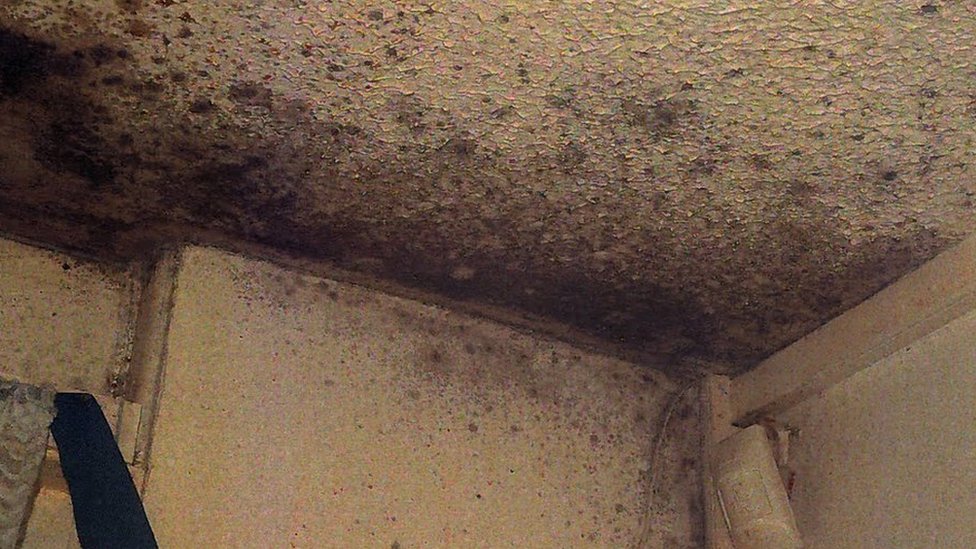
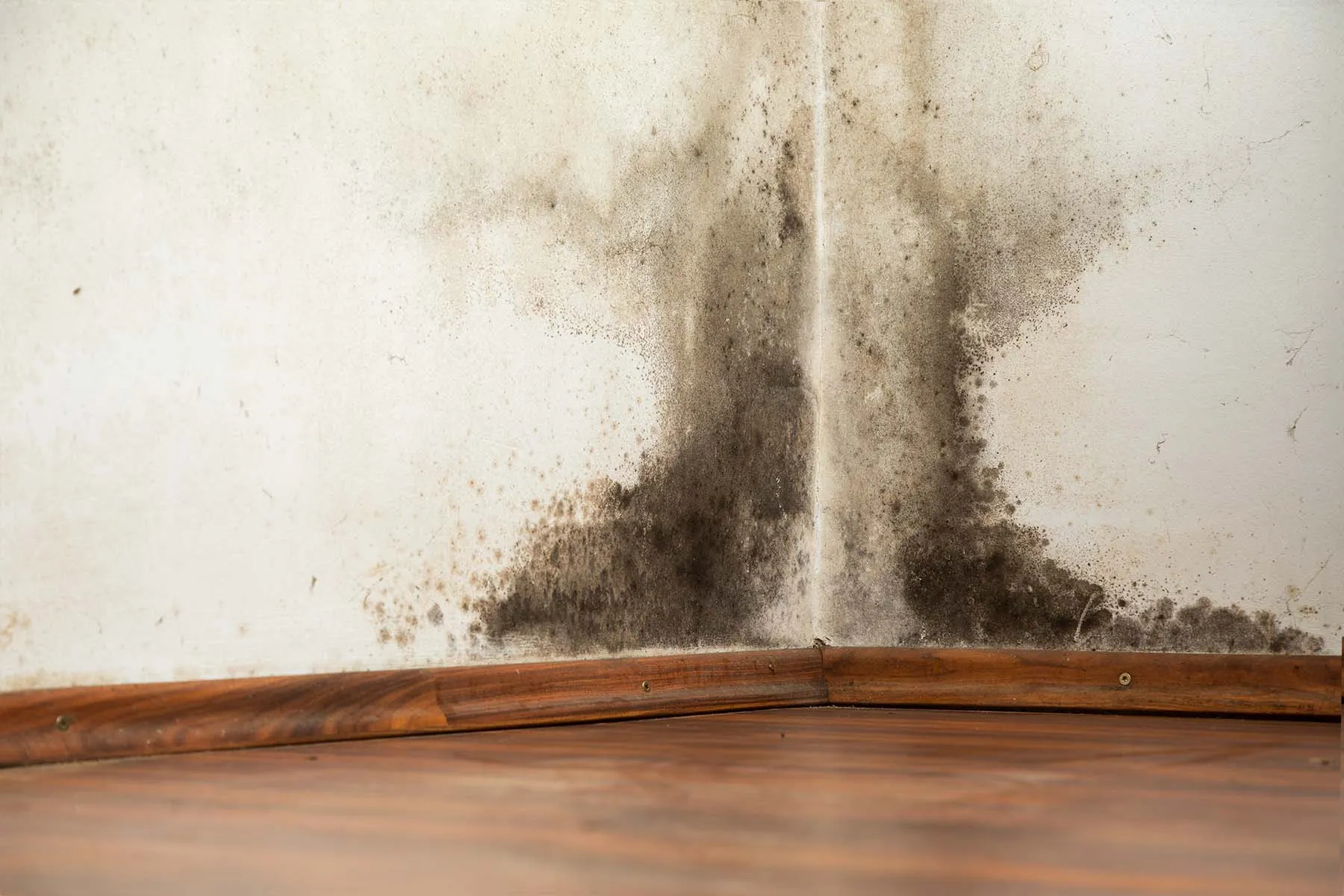
Mold spores are microscopic and present almost everywhere in the environment. They land on food items and, given the right conditions of moisture, warmth, and nutrients, begin to grow and form the fuzzy colonies we recognize as mold.
Foods stored improperly or kept for too long are more susceptible to mold growth. This is why refrigeration, airtight packaging, and proper food handling are essential to prevent mold contamination.
Preventing Mold Growth at Home
While it’s impossible to completely eliminate mold spores from your kitchen, there are practical steps you can take to minimize mold growth on your food:
– Store food in airtight containers to reduce exposure to air and spores.
– Keep your refrigerator clean and at the correct temperature (below 40°F or 4°C).
– Buy fresh produce in small quantities and consume it quickly.
– Avoid leaving perishable foods out at room temperature for extended periods.
– Regularly check your pantry and fridge for signs of mold and discard spoiled items promptly.
Food Industry Measures Against Mold
The food industry employs various methods to reduce mold contamination, such as freezing, drying, pasteurization, and the use of preservatives like sorbates and propionates. Packaging innovations also help slow mold growth during transportation and storage.
Despite these efforts, mold can still develop, especially in baked goods and fresh produce, so vigilance at home remains important.
Conclusion
Accidentally eating moldy food is usually not a serious health threat for most people, thanks to the body’s natural defenses. However, it’s best to avoid consuming moldy food intentionally, as some molds produce harmful toxins that can cause illness. When in doubt, discard moldy food—especially soft or cooked items—and practice good food storage habits to prevent mold growth.
If you want to protect your health and ensure your meals are safe, always inspect your food carefully before eating and follow proper storage guidelines. Don’t let mold ruin your appetite—stay informed and stay safe!
Ready to learn more about food safety and how to keep your kitchen mold-free? Explore our expert tips and guides today!