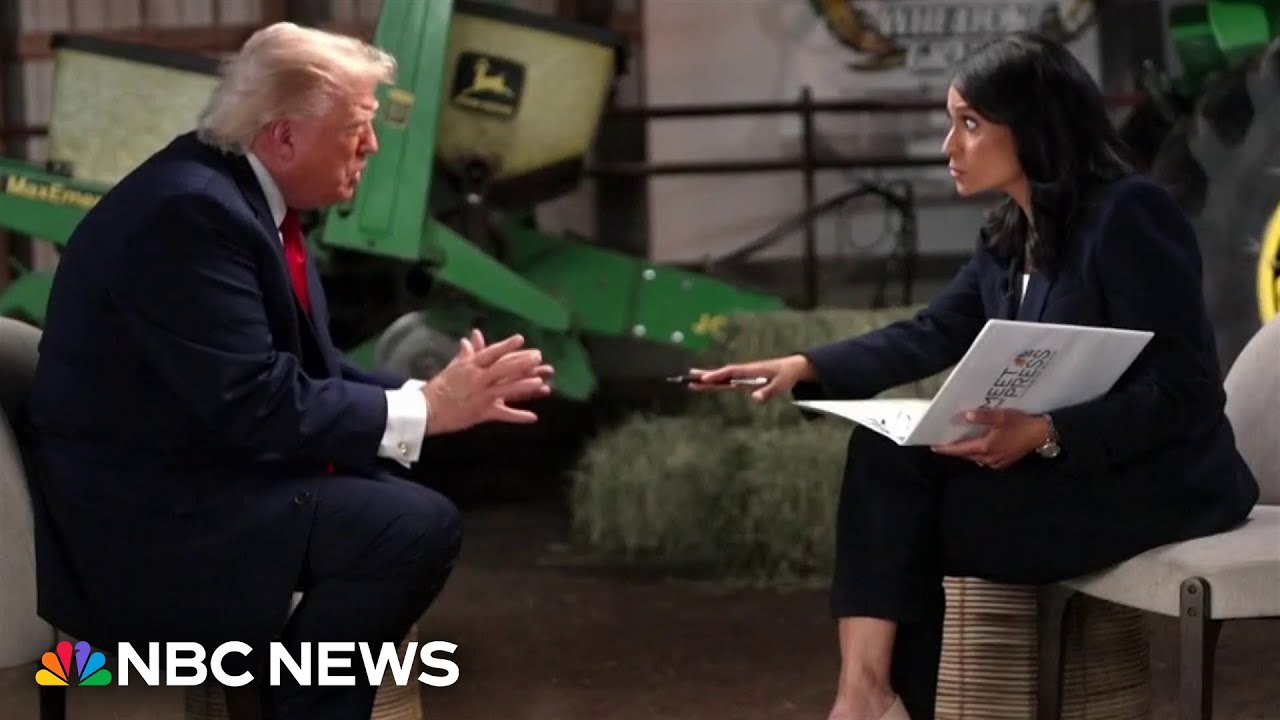
Trump Walks Out of ‘Meet the Press’ Interview When Challenged Over False Claims
Former President Trump’s Abrupt Exit Highlights Tensions Over Misinformation

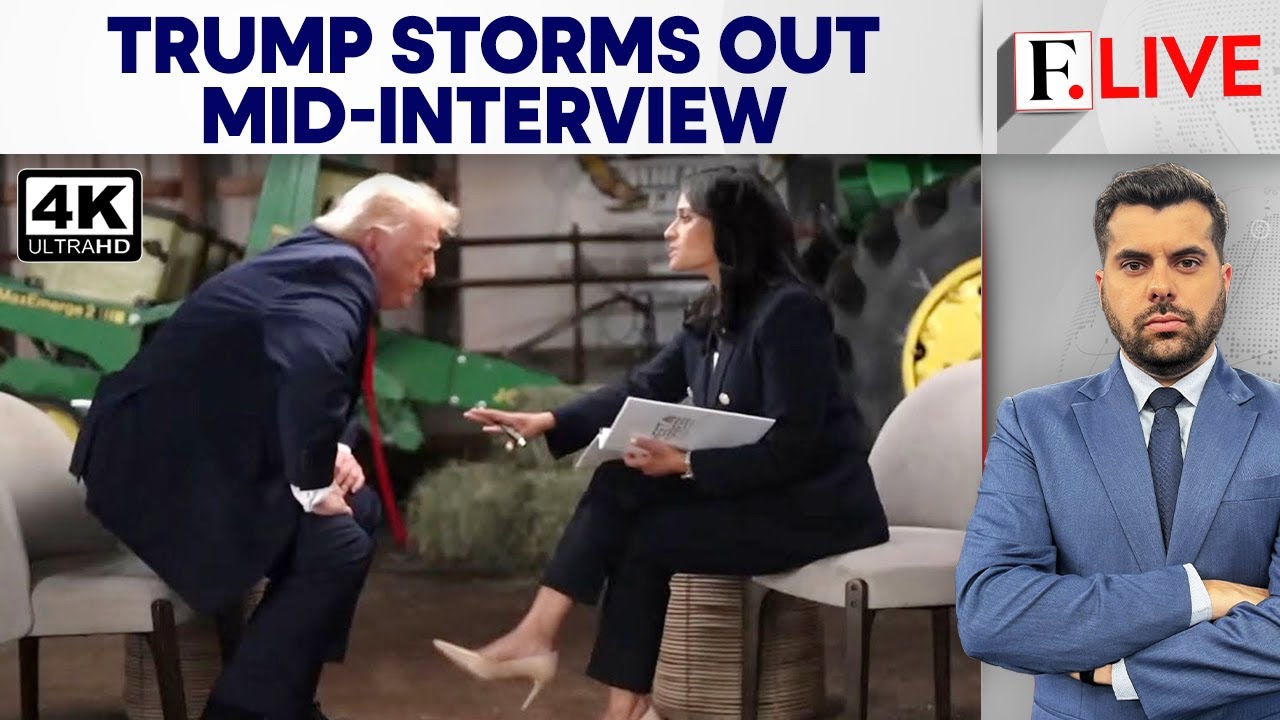
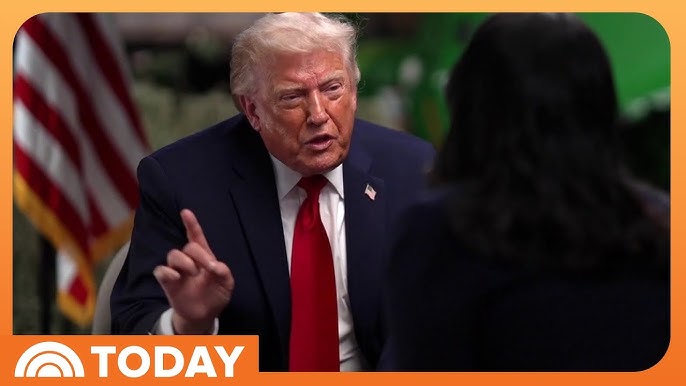
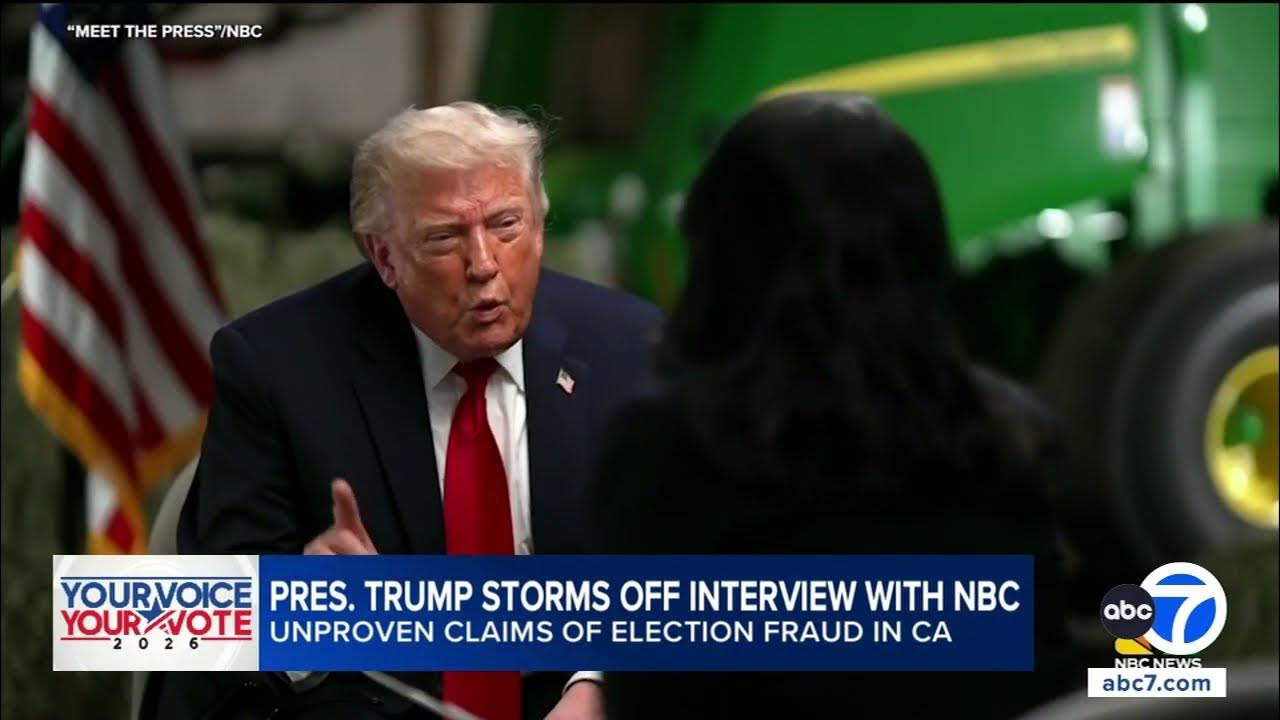
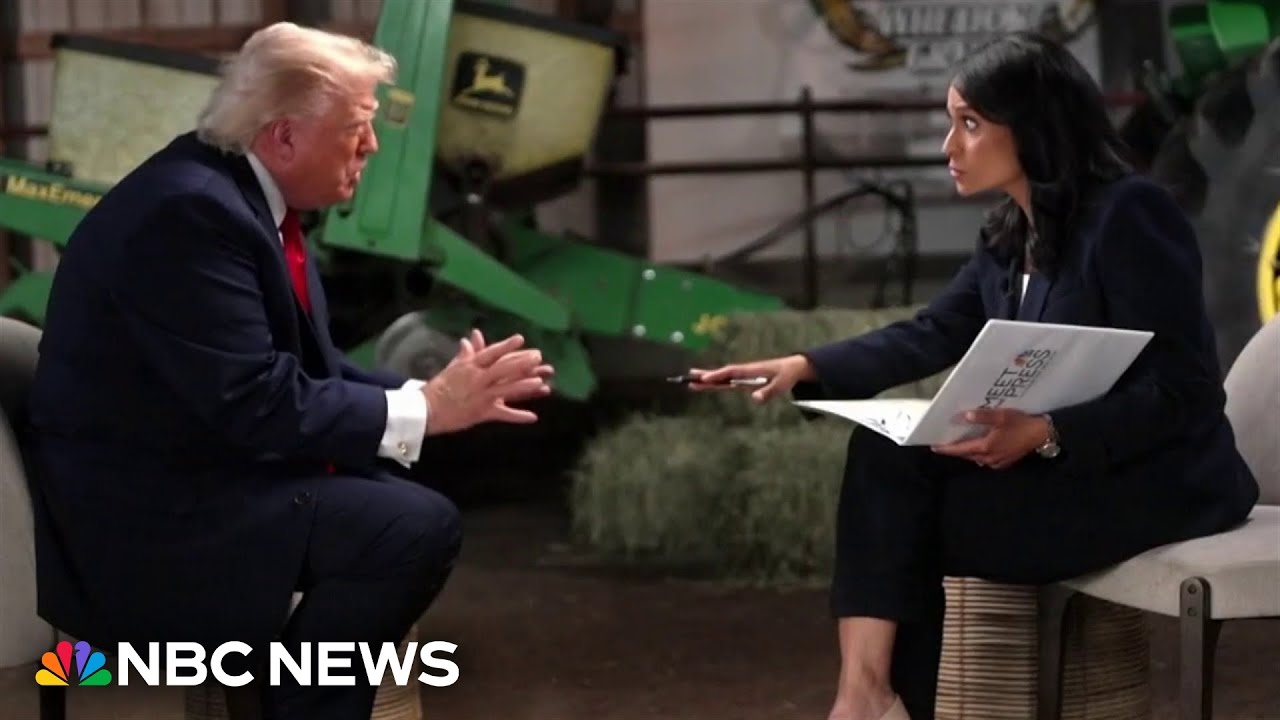
In a recent episode of the widely viewed political program “Meet the Press,” former President Donald Trump made headlines once again—not for a policy announcement or campaign rally, but for walking out of the interview. The confrontation arose when the host pressed Trump on several false claims he had made, leading to an abrupt end to the conversation. This incident underscores the ongoing challenges in political discourse surrounding misinformation and accountability.
The interview began with a focus on current political issues and Trump’s ongoing influence within the Republican Party. However, as the discussion shifted toward specific statements Trump had made—many of which have been fact-checked and debunked—the atmosphere grew tense. When the interviewer directly challenged Trump on these inaccuracies, the former president chose to terminate the interview rather than engage further.
The Context Behind the False Claims
Donald Trump’s tenure and post-presidency have been marked by numerous controversial statements, many of which have been labeled false or misleading by independent fact-checkers. These claims range from election integrity issues to public health information. The “Meet the Press” interview specifically addressed some of these contentious topics, including allegations about election fraud and misinformation related to the COVID-19 pandemic.
The interviewer’s decision to confront Trump on these points reflects a broader journalistic commitment to holding public figures accountable for their statements. However, Trump’s refusal to continue the dialogue highlights the difficulties in addressing misinformation when political figures reject fact-based scrutiny.
Implications for Political Dialogue and Media Responsibility
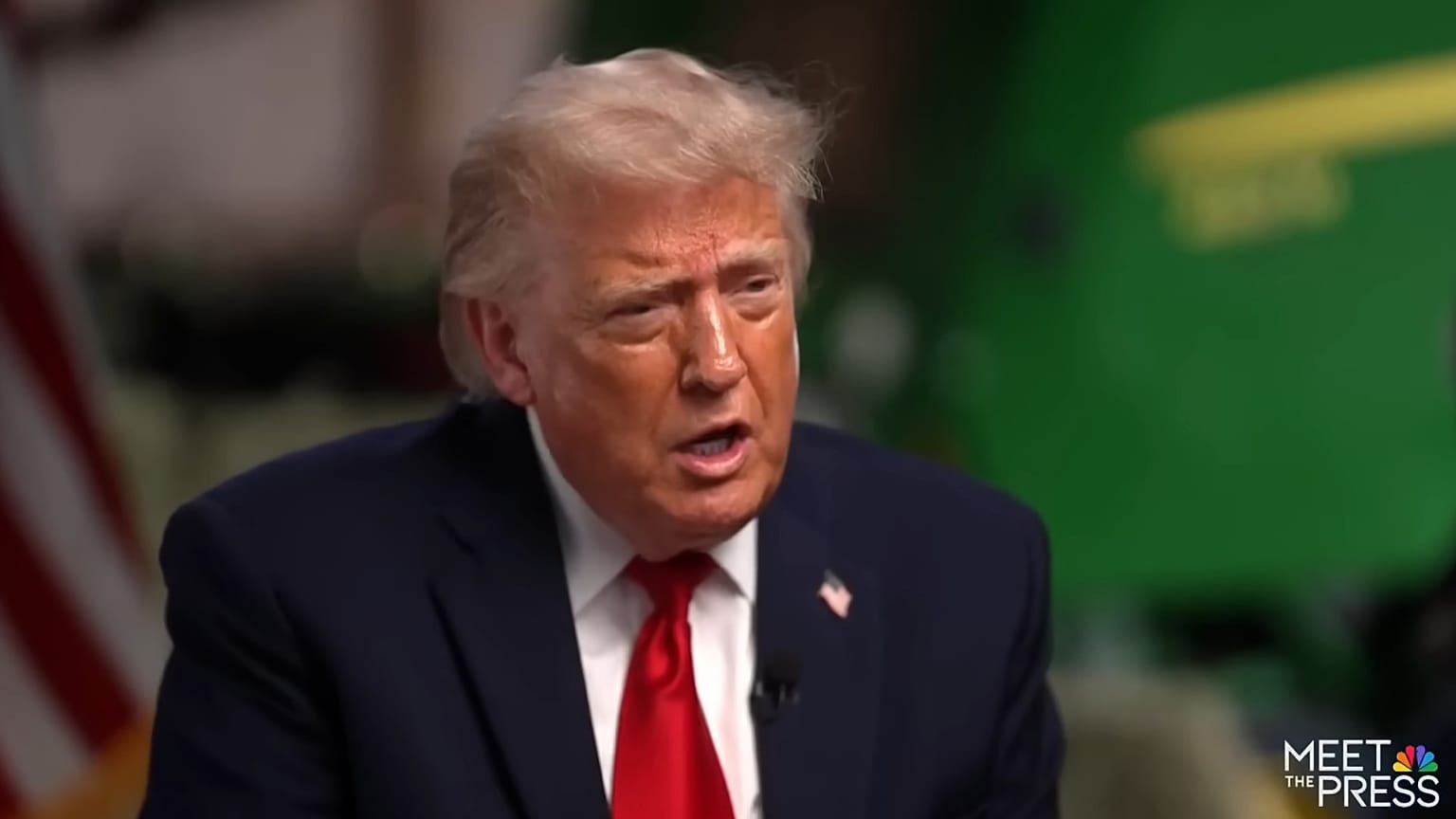
Trump’s walkout from the interview is emblematic of a larger trend in political communication where fact-checking and accountability are met with resistance. This incident raises important questions about how media outlets can effectively challenge falsehoods while maintaining constructive conversations with influential figures.
Moreover, the event illustrates the polarization in American politics, where differing perceptions of truth can lead to breakdowns in dialogue. For viewers and citizens, such moments emphasize the importance of critical media consumption and the need for reliable information sources.
Conclusion
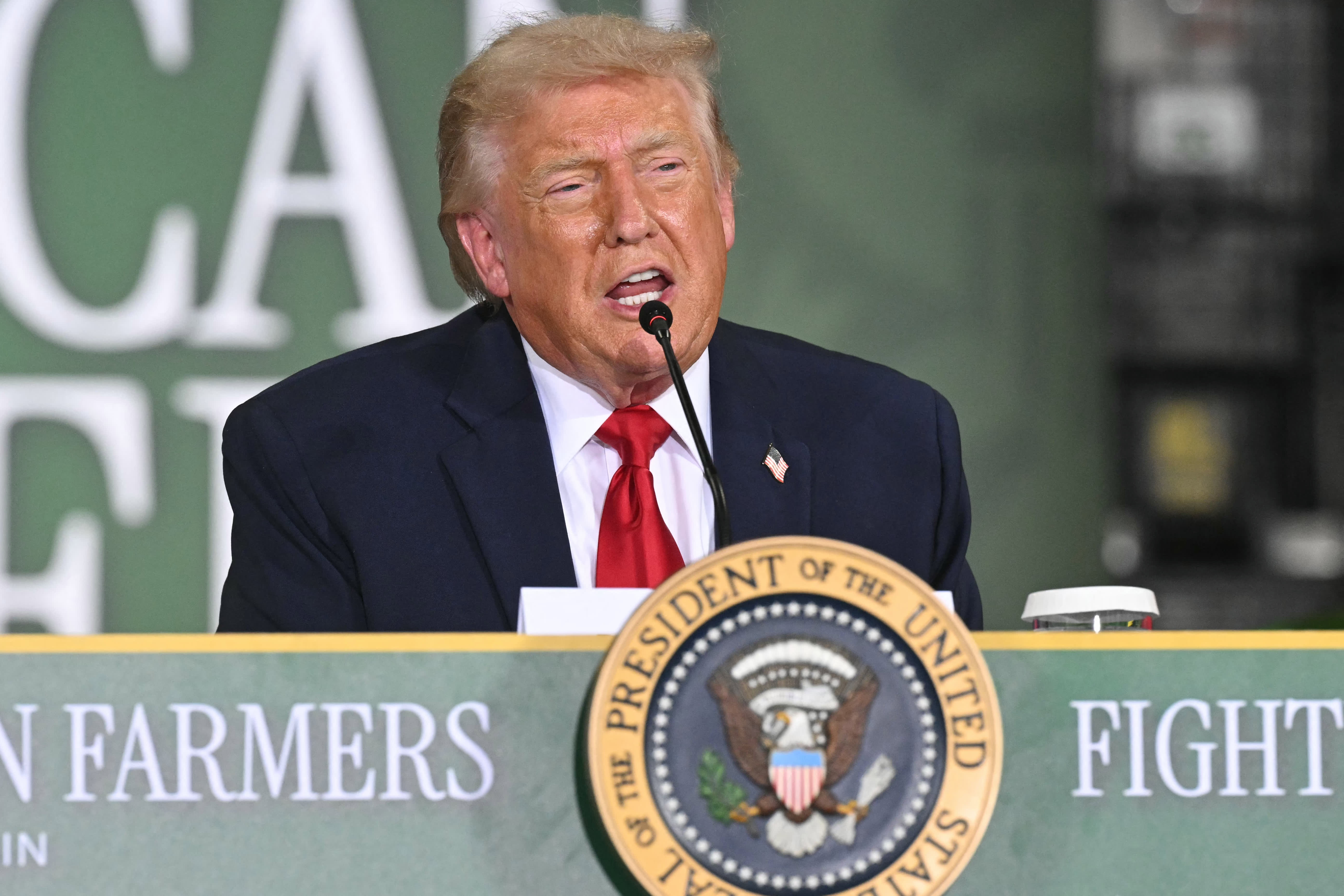
The recent “Meet the Press” interview walkout by Donald Trump serves as a stark reminder of the challenges posed by misinformation in today’s political landscape. As public discourse continues to evolve, it is crucial for both media professionals and audiences to prioritize truth and accountability. Stay informed and engaged by following credible news sources and supporting journalism that seeks to uncover facts. To learn more about political accountability and media literacy, subscribe to our newsletter today.