
12 Tips For Picking The Best, Freshest Squash At The Grocery Store
How to Choose the Best, Freshest Squash at the Grocery Store
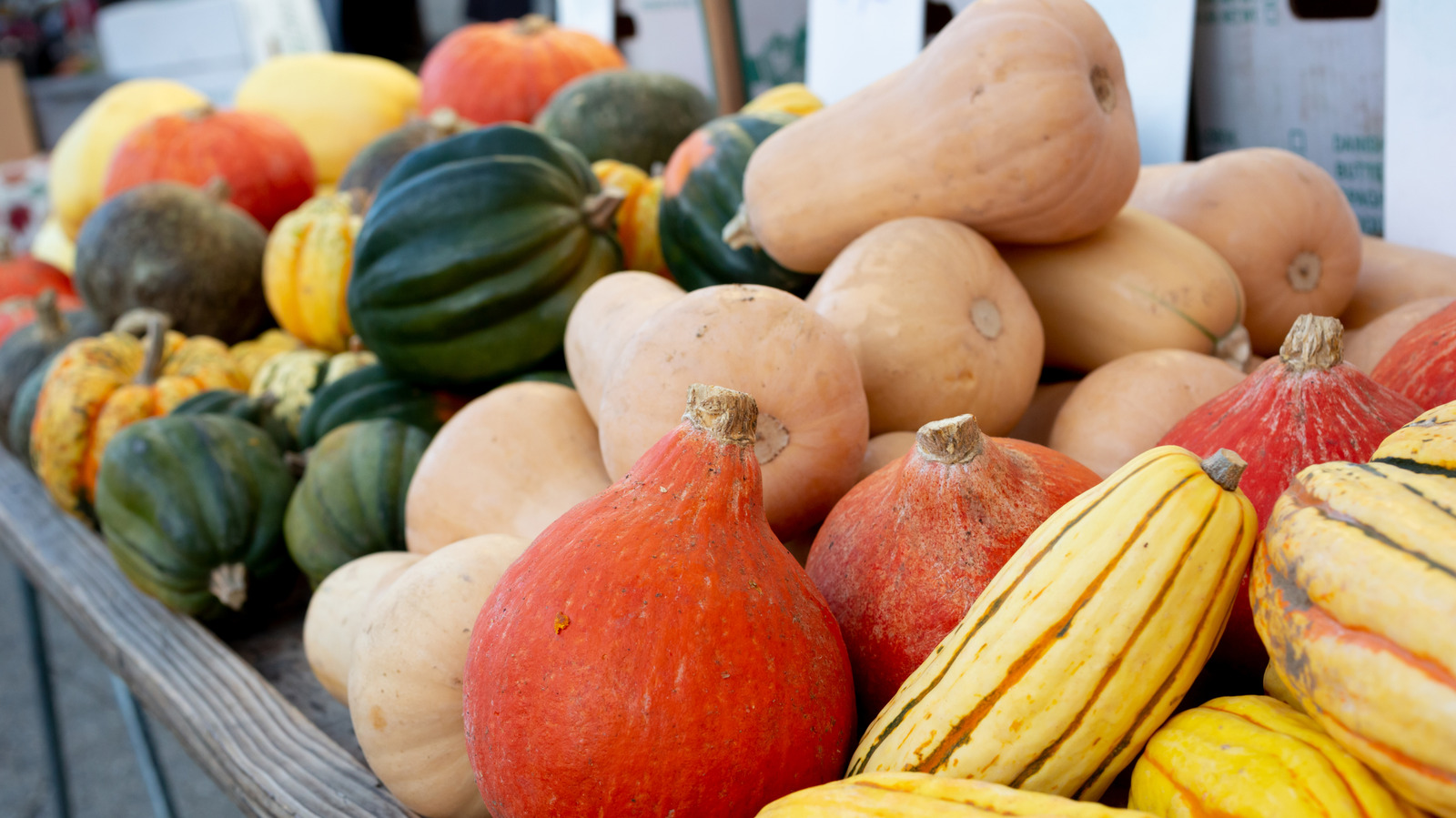
Squash is a versatile and nutritious ingredient that shines especially during the cooler months. Whether you’re planning to roast, puree, or bake, selecting the best, freshest squash at the grocery store is essential to ensure great flavor and texture. However, not all squash are created equal; some may be underripe, overripe, or even spoiled. To help you pick squash that will delight your taste buds and last longer in your pantry, here are 12 practical tips to guide your selection process.
1. Know the Ideal Color for Each Squash Variety
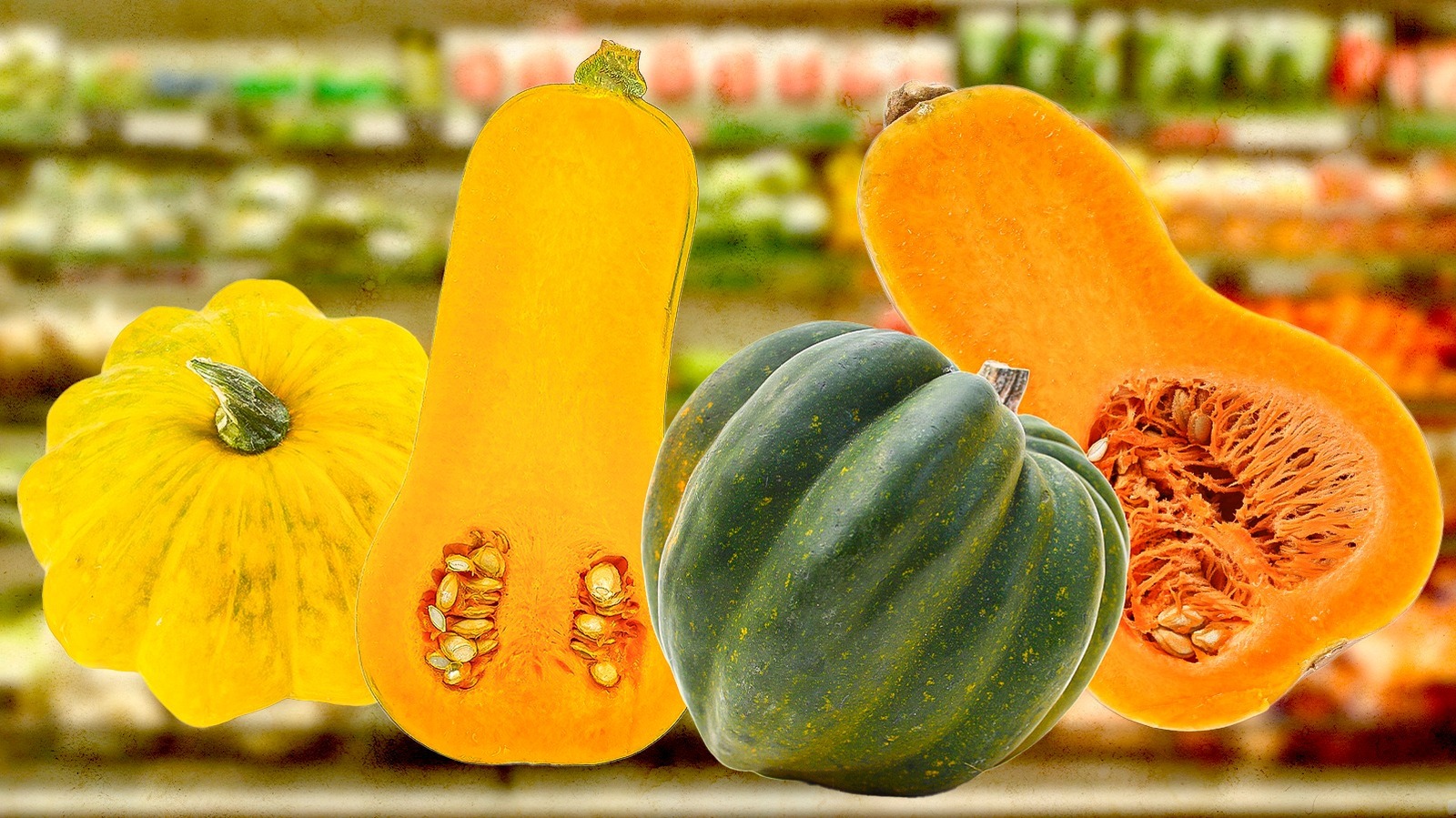
Color is one of the quickest indicators of squash ripeness, but it varies widely by type. For example, a ripe butternut squash should have a warm, even tan or amber hue, while an acorn squash typically features deep green skin with orange or yellow patches. Delicata squash is cream-colored with green stripes. Avoid squash with green streaks if it’s a variety that should be uniformly colored, as this often means it was picked too early. Also, watch out for large faded or rusty patches, which can indicate spoilage.
2. Look for Matte Skin Instead of Shiny
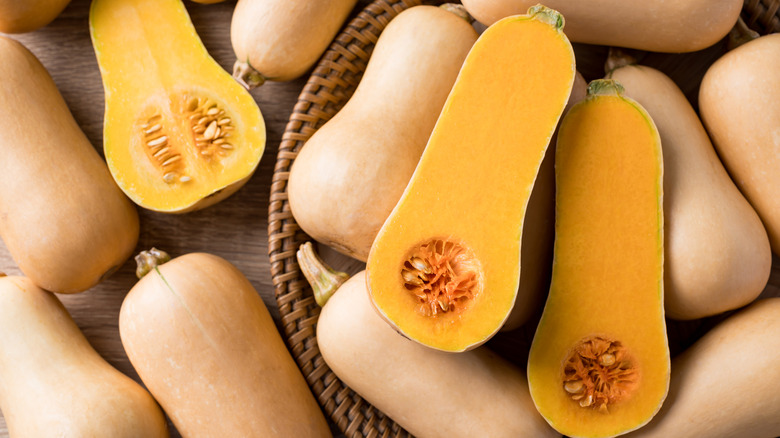
Contrary to what you might expect, a shiny squash isn’t always a good sign. Mature, well-cured squash usually have a matte, dull finish. This indicates the rind has hardened properly, which helps protect the flesh and prolong shelf life. If the squash looks overly glossy, it might be underripe or freshly harvested and not fully cured.
3. Choose a Firm Squash
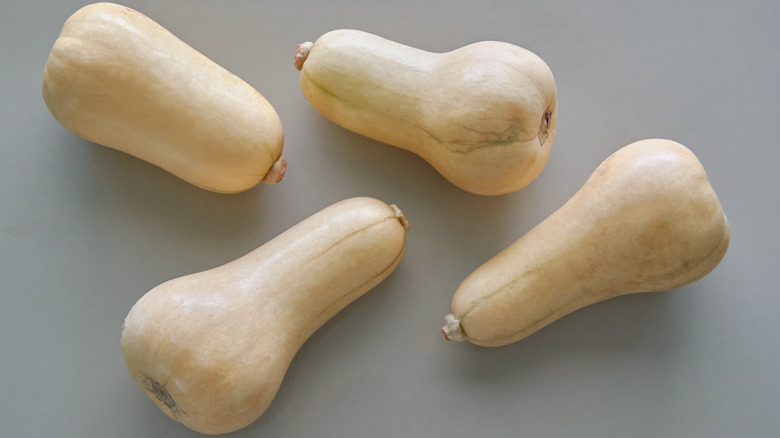
Firmness is a key quality check. Gently press near the stem and blossom ends; the squash should feel solid with no give. Some varieties naturally have thinner skins, but even those should not feel soft or spongy. A firm squash is less likely to spoil quickly and will have better texture and sweetness when cooked.
4. Avoid Any Mold or Fuzzy Spots

Mold is a clear sign of decay. Check around the stem and blossom ends for fuzzy patches or dark, sunken spots. Even if the rest of the squash looks fine, mold can penetrate beneath the skin. It’s best to avoid any squash showing mold in the store to prevent bringing home spoiled produce.
5. Pick a Squash That Feels Heavy for Its Size

Weight is a surprisingly useful indicator of quality. A heavier squash generally means denser, moister flesh, which translates to better flavor and more usable cooked squash. Compare a few squash of the same variety and size, and choose the one that feels the heaviest.
6. Steer Clear of Soft Spots
Soft spots are often the first sign of spoilage. Run your hands over the squash to detect any dips or spongy areas. Avoid squash with any soft or discolored patches, as these can harbor bacteria and lead to mushy texture after cooking.
7. Inspect for Cracks or Cuts
Cracks and cuts can allow moisture and bacteria to enter, accelerating spoilage. Look carefully for any splits around the stem or blossom ends. While dry, healed scars may be harmless, fresh cuts exposing the flesh are a red flag and should be avoided.
8. Smell the Squash for Freshness
A fresh squash usually has a neutral or faintly earthy scent. Avoid any squash with sharp, sour, or fermented odors, which indicate decomposition. A quick sniff near the stem can reveal if the squash is fresh or starting to spoil.
9. Examine the Stem Condition
The stem can reveal how well the squash was harvested and cured. A dry, woody stem is a good sign of maturity and proper handling. Green, flexible, or loose stems may indicate premature harvest or poor curing, which can affect shelf life.
10. Tap the Squash for a Hollow Sound
Gently tapping the squash can help confirm its ripeness. A ripe squash often produces a clear, hollow sound, indicating dense flesh and a healthy seed cavity. A dull or flat sound may suggest the squash is underripe or overripe.
11. Avoid Bruised Squash
Bruises show up as soft, darkened patches and can lead to internal rot. While small bruises can sometimes be trimmed away, it’s best to avoid squash with multiple or large bruises to ensure longer storage and better taste.
12. Choose Squash with Smooth Skin
Generally, smooth skin means the squash was handled gently and has an even rind, which helps prevent microbial invasion. Some varieties naturally have bumps or ribs, so judge smoothness relative to the type. Avoid squash with flaky, crumbly, or peeling skin.
Conclusion
Picking the best, freshest squash at the grocery store doesn’t have to be daunting. By paying attention to color, firmness, weight, skin texture, and other key signs, you can confidently select squash that will taste delicious and last longer in your kitchen. Next time you shop, use these 12 tips to elevate your squash selection skills and enjoy the rich flavors of perfectly ripe squash in your meals. Ready to master your produce picking? Start applying these tips on your next grocery trip and savor the difference!