

The Hidden Side Effects Of Too Much Vitamin B12
Understanding Vitamin B12 and Its Importance
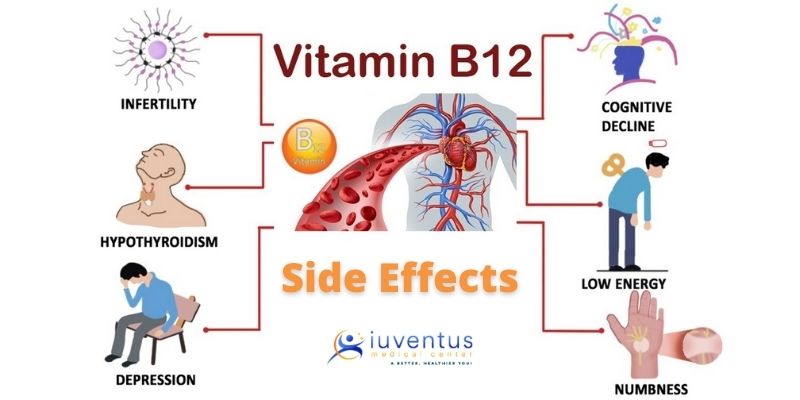
Vitamin B12, also known as cobalamin, is one of the eight B vitamins essential for human health. It plays a critical role in DNA synthesis, red blood cell formation, and maintaining healthy nerve function. Unlike many nutrients, the human body cannot produce adequate amounts of vitamin B12 on its own, so it must be obtained through diet or supplementation. Naturally, vitamin B12 is found primarily in animal-based foods such as meat, fish, dairy, and eggs. For those who follow vegetarian or vegan diets, fortified foods and supplements are important sources.
The recommended daily allowance (RDA) for vitamin B12 is relatively small—about 2.4 micrograms for most adults. This small requirement means that most people get enough vitamin B12 from their diet alone. However, certain groups, including older adults, pregnant or lactating women, and individuals with specific medical conditions, may require additional supplementation to prevent deficiency.
Why Vitamin B12 Deficiency Is Rare but Supplementation Is Common

The human body is efficient at storing vitamin B12, primarily in the liver, with reserves that can last several years. This storage capability makes deficiency uncommon in the general population. However, some people are at risk of low B12 levels due to factors such as poor dietary intake, impaired absorption, or medication interactions.
For example, individuals over 60 often experience decreased absorption efficiency. People taking medications like proton pump inhibitors, metformin, or certain gout treatments may also have reduced B12 absorption. Additionally, those who avoid animal products entirely need to rely on fortified foods or supplements to meet their needs.
Because of these factors, vitamin B12 supplements are widely used and generally considered safe. Multivitamins typically contain doses ranging from 5 to 25 micrograms, which is above the RDA but still within safe limits. Some B-complex vitamins and standalone B12 supplements provide even higher doses, sometimes up to 1,000 micrograms per serving.
Potential Side Effects of Excessive Vitamin B12 Intake
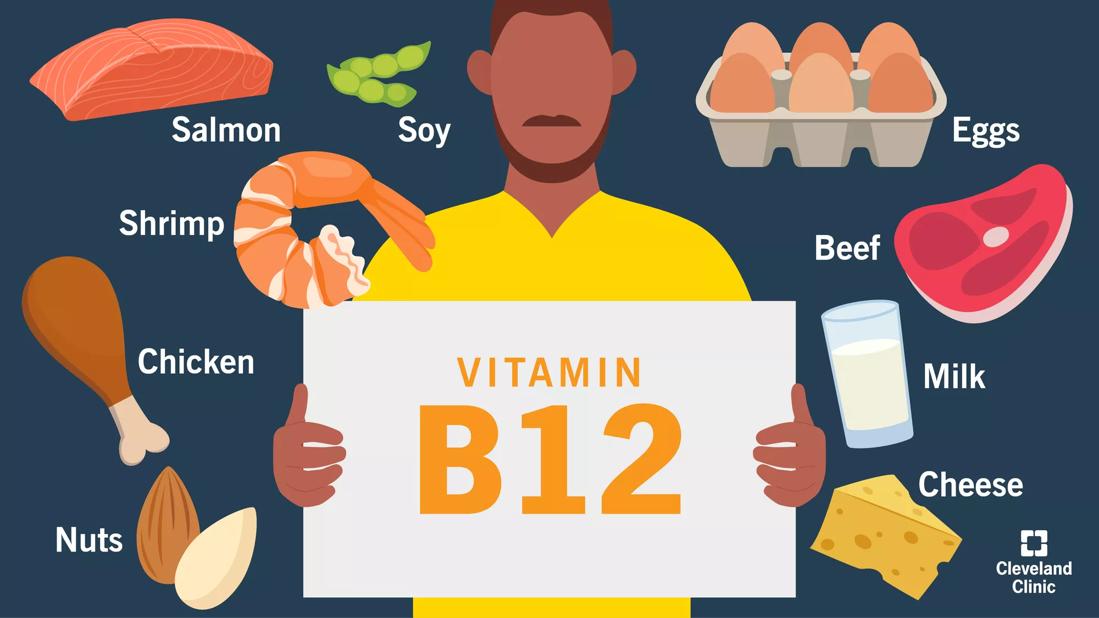
While vitamin B12 is water-soluble and excess amounts are usually excreted through urine, taking too much can lead to side effects, especially when consumed in large doses or through injections. Here are some hidden side effects that may arise from excessive vitamin B12 intake:
1. Acne and Skin Reactions

High doses of vitamin B12 have been linked to acne outbreaks in some individuals. Research suggests that vitamin B12 can influence the activity of skin bacteria, triggering inflammatory responses that worsen acne. This effect has been observed particularly in cases where vitamin B12 was administered via injection in large amounts. Additionally, some people may experience skin rashes, itching, or redness as a reaction to vitamin B12 supplements, especially if they have a sensitivity to cobalt, a component of the vitamin.
2. Cardiovascular Concerns in Specific Conditions
In rare cases, high doses of vitamin B12 prescribed for pernicious anemia—a condition characterized by impaired B12 absorption—may cause cardiovascular complications. Treatment can lead to an increase in red blood cells, which might result in low potassium levels and elevated platelet counts. These changes can cause irregular heartbeats or high blood pressure. However, for the general population, vitamin B12 supplementation is not associated with increased cardiovascular risk and may even help reduce homocysteine levels, a marker linked to heart disease.
3. Allergic Reactions and Sensitivities
Although uncommon, some individuals are allergic to cobalt, a metal present in vitamin B12. Cobalt allergy can cause skin irritation, including rashes, itching, and in severe cases, anaphylaxis. People with known metal allergies, particularly to nickel, may be more susceptible. For these individuals, careful dosing and medical supervision are essential when taking vitamin B12 supplements.
4. Neurological and Balance Issues
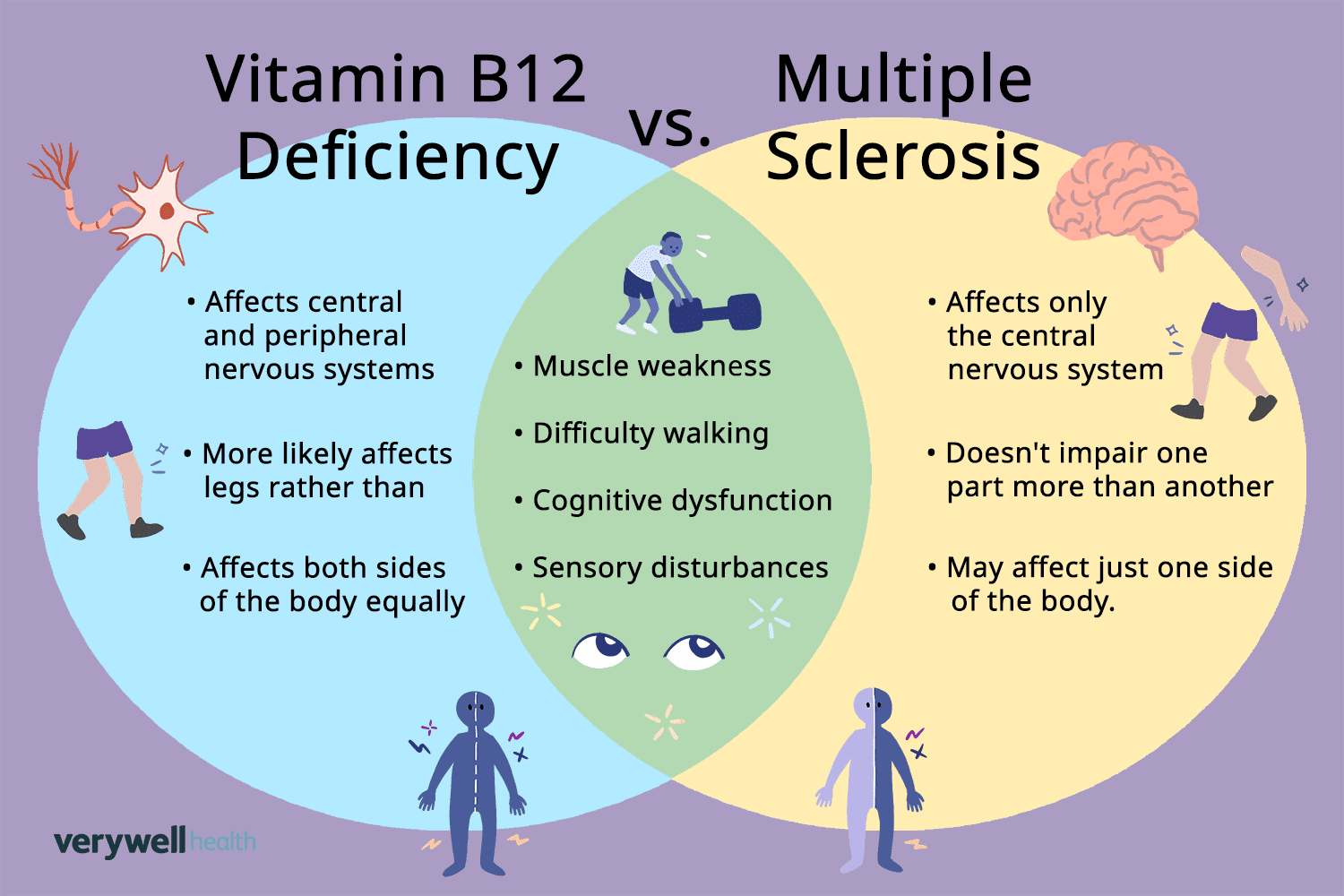
Some reports indicate that very high doses of vitamin B12, especially when administered via injection, can cause symptoms such as dizziness, nervousness, anxiety, weakness, and difficulty with coordination or balance. These side effects are rare but underscore the importance of monitoring vitamin B12 levels and consulting healthcare providers before starting high-dose supplementation.
5. Potential Links to Blood Disorders
Elevated vitamin B12 levels in blood tests can sometimes be a marker for underlying blood disorders such as polycythemia vera, a rare condition involving overproduction of red blood cells. It remains unclear whether high vitamin B12 causes these disorders or if the disorders themselves raise B12 levels. Regardless, unexplained high B12 levels warrant medical evaluation.
Who Should Be Cautious With Vitamin B12 Supplementation?
Most people can safely consume vitamin B12 through diet or standard supplements without adverse effects. However, certain groups should exercise caution:
– Individuals with Kidney Impairment: Reduced kidney function can impair the body’s ability to process and excrete excess vitamin B12, increasing the risk of side effects.
– People with Low Potassium or Specific Medical Conditions: Conditions such as atrophic gastritis or Leber’s optic neuropathy may require tailored vitamin B12 dosing.
– Pregnant and Lactating Women: While adequate B12 is essential during pregnancy, excessive supplementation may pose risks to fetal development. Consulting a healthcare provider is crucial.
– Those with Metal Allergies: People allergic to cobalt or related metals should avoid high-dose B12 supplements unless supervised by a medical professional.
Safe Supplementation Practices
To avoid the hidden side effects of too much vitamin B12, consider the following guidelines:
– Stick to recommended dosages unless advised otherwise by a healthcare provider.
– Prefer dietary sources and fortified foods over high-dose supplements when possible.
– If injections are prescribed, follow medical instructions carefully and report any unusual symptoms.
– Regularly monitor blood levels of vitamin B12, especially if taking high doses or if you belong to a risk group.
– Discuss any medications you take with your doctor, as some can interfere with B12 absorption.
Conclusion
Vitamin B12 is a vital nutrient that supports numerous bodily functions, from nerve health to red blood cell production. While deficiency is uncommon for most people, supplementation is important for certain populations. However, taking too much vitamin B12—particularly in high-dose supplements or injections—can lead to hidden side effects such as acne, cardiovascular issues, allergic reactions, and neurological symptoms.
To maintain optimal health, it’s essential to balance vitamin B12 intake carefully. Always consult your healthcare provider before starting or changing supplementation, especially if you have underlying health conditions or are pregnant. Monitoring your vitamin B12 levels through regular blood tests can help prevent complications and ensure you receive the right amount for your individual needs.
If you’re considering vitamin B12 supplements or want to learn more about safe dosing, contact your healthcare professional today to get personalized advice tailored to your health goals.