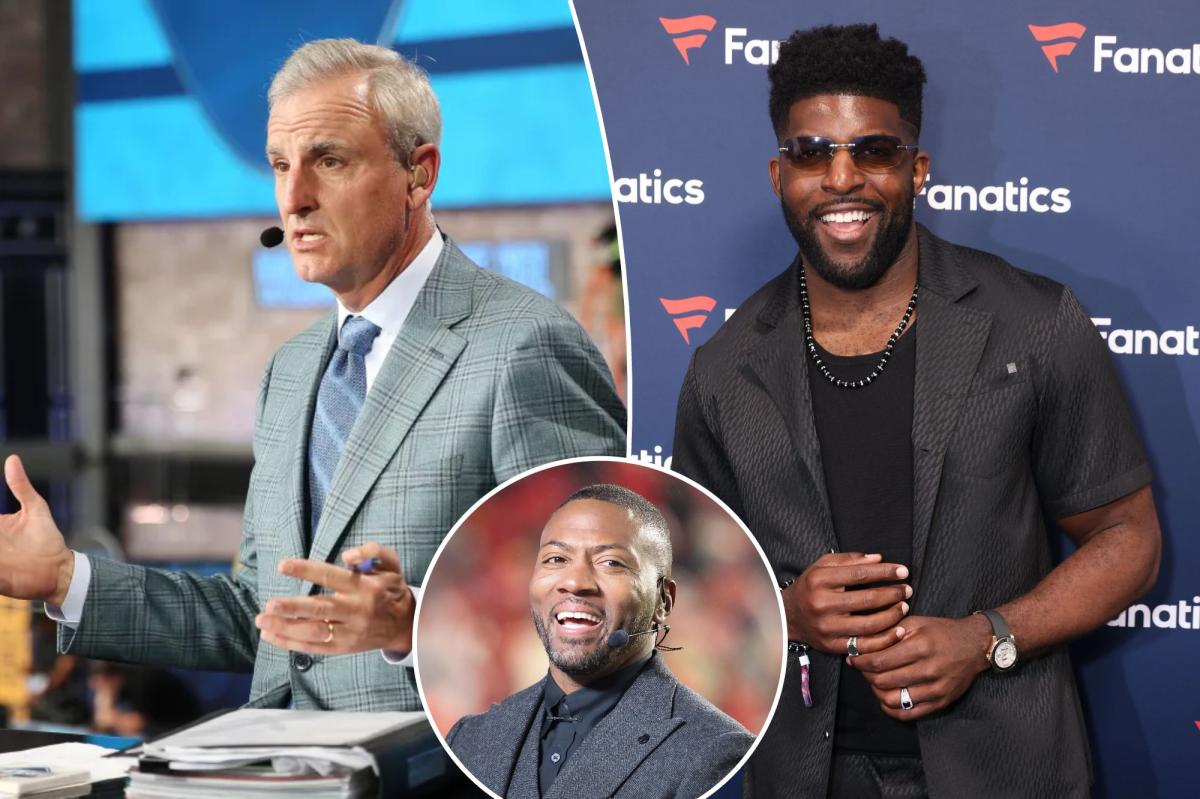
Ex-ESPN Star Trey Wingo Shades ‘NFL Live’ Viewership After Claim That Fired Ryan Clark ‘Built’ It
Trey Wingo Challenges Claims About Ryan Clark’s Role in Building ‘NFL Live’
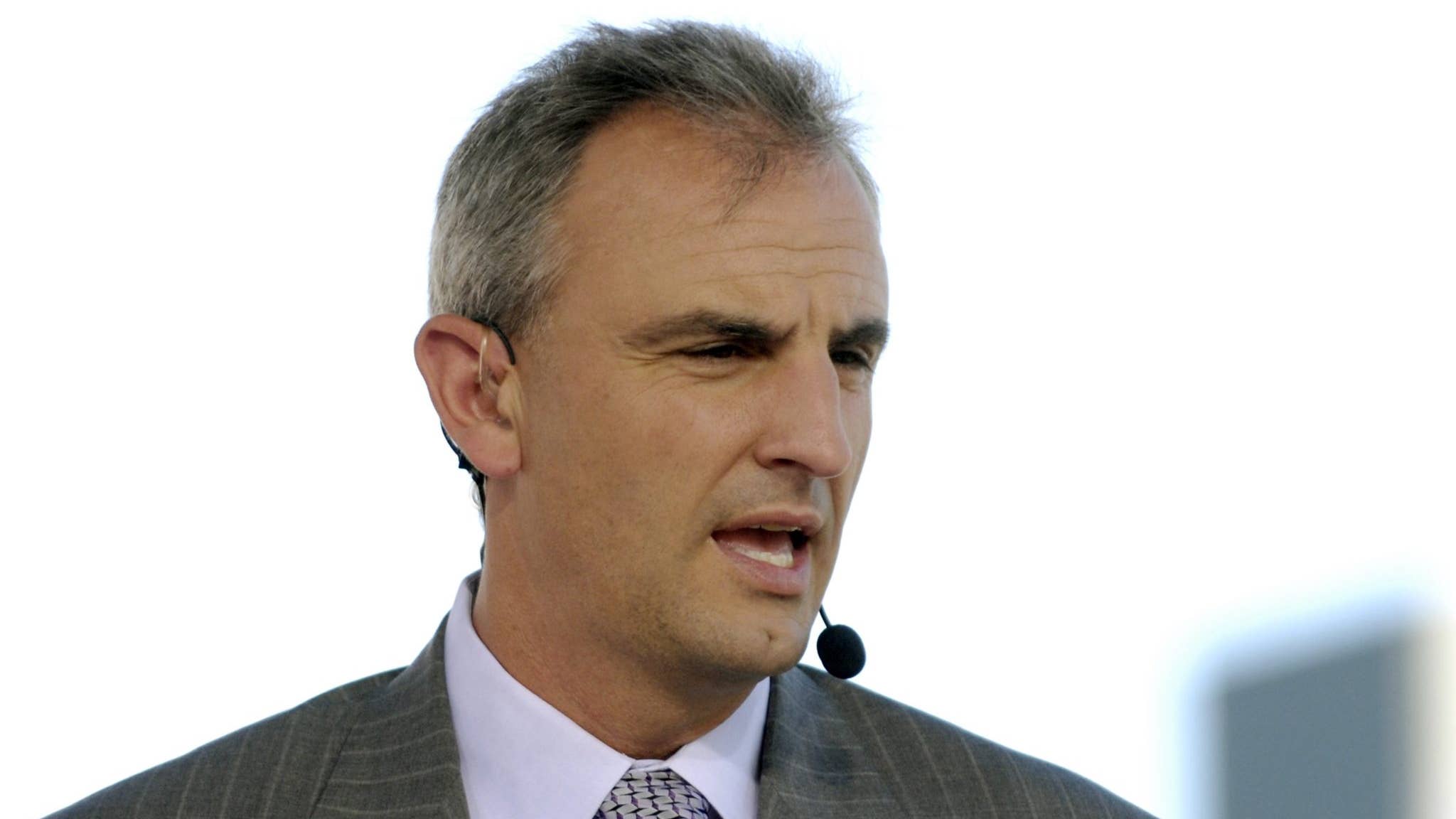
The recent layoffs at ESPN have stirred up a wave of reactions across the sports media landscape, with former employees and insiders weighing in on the network’s decisions. Among the most talked-about moments was ex-ESPN star Trey Wingo’s pointed response to Emmanuel Acho’s assertion that Ryan Clark “built NFL Live into the juggernaut that it is today.” Wingo, who spent over two decades with ESPN and was a prominent host of NFL Live, took to social media to share data that paints a different picture of the show’s trajectory.
Emmanuel Acho, a former NFL linebacker turned ESPN analyst, had praised Ryan Clark for his significant contributions to NFL Live. Acho acknowledged that Clark, along with Laura Rutledge, Mina Kimes, and Marcus Spears, helped elevate the program, though he clarified that Clark did not originally ideate the show. This comment came on the same day Clark was informed of his termination during an NFL Live broadcast, adding fuel to the conversation.
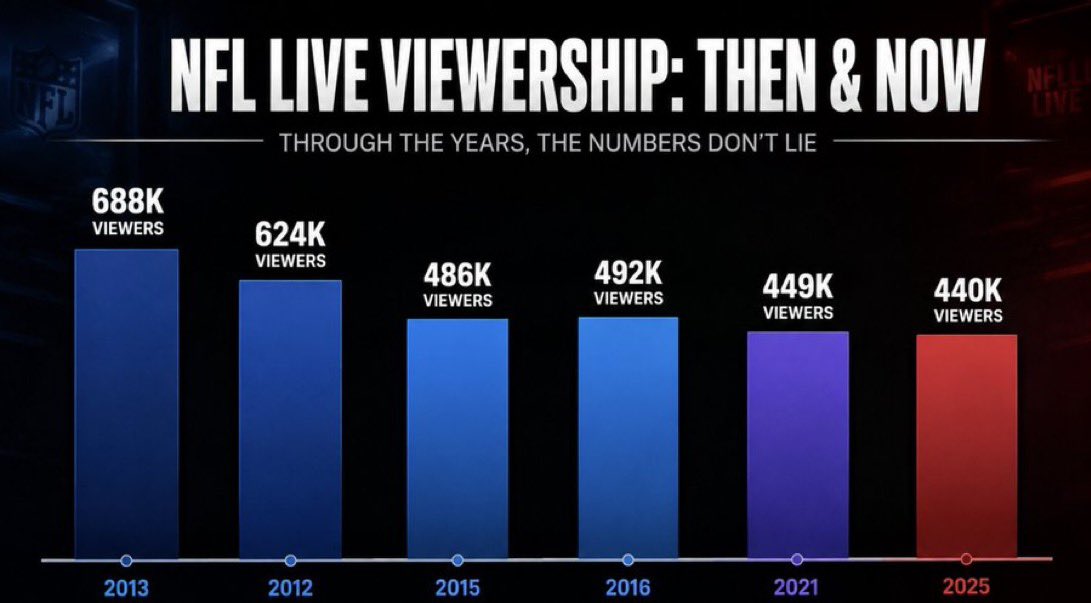
Wingo’s response was sharp and backed by statistics. He posted a graphic illustrating NFL Live’s viewership trends over the past decade, highlighting a steady decline since its peak in 2013. His pointed remark, “Let your apology be as loud as your disrespect,” referenced Acho’s previous public apology to NFL player Deebo Samuel after controversial remarks, signaling that Wingo felt Acho’s praise was somewhat misplaced or incomplete.
The Rise and Fall of NFL Live’s Viewership
NFL Live has been a staple of ESPN’s programming since it became a daily show in 2003. Trey Wingo was instrumental during its formative years, helping to build its audience alongside notable personalities such as Adam Schefter, Mark Schlereth, Tedy Bruschi, Herm Edwards, and Trent Dilfer. The show enjoyed its highest ratings between 2011 and 2017, peaking at approximately 688,000 viewers in 2013.
However, since that peak, NFL Live’s viewership has experienced a consistent downward trend. Wingo’s shared data underscores this decline, suggesting that while the show remains a key part of ESPN’s NFL coverage, it has struggled to maintain its earlier dominance. This context challenges the narrative that Ryan Clark was solely responsible for transforming NFL Live into a ratings juggernaut.
After leaving NFL Live in 2017, Wingo pursued other opportunities within ESPN, including co-hosting the radio show “Golic and Wingo.” The show lasted over two years before being canceled in 2020, after which Wingo’s contract was not renewed. He has since taken on roles outside ESPN, including serving as Chief Trends Officer at Caesars Sportsbook.
Inside Perspectives on ESPN’s Layoffs and NFL Live’s Legacy
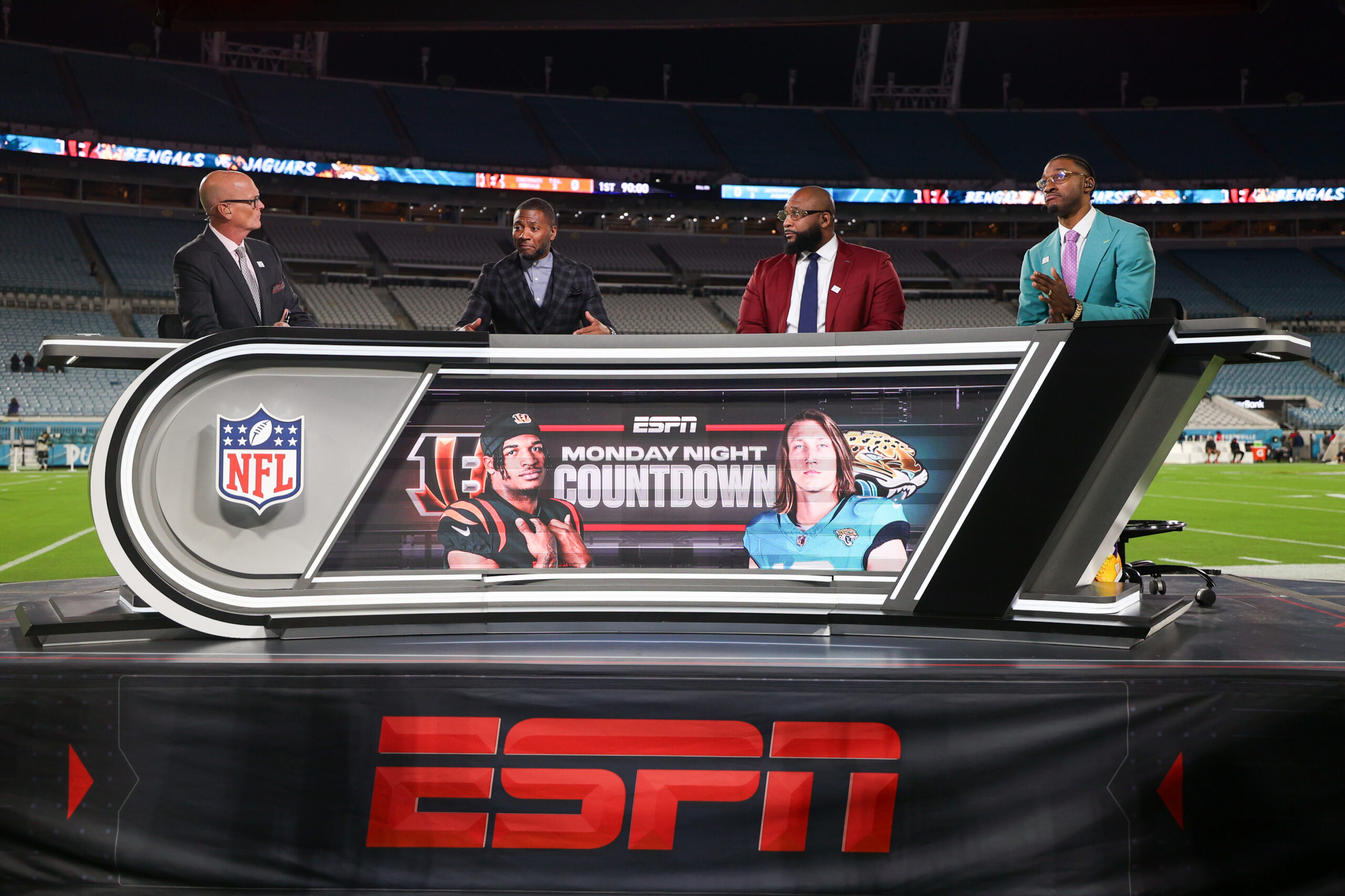
The ESPN layoffs have affected many familiar faces, including Ryan Clark, whose departure sparked discussions about the network’s direction and the future of its NFL coverage. Wingo’s commentary offers an insider’s perspective on the legacy of NFL Live and the contributions of its various hosts.
By highlighting the decline in viewership, Wingo implicitly questions whether any single individual can be credited with the show’s success or failure. Instead, the data suggests that NFL Live’s fortunes have fluctuated due to a combination of factors, including changes in audience habits, competition from other sports media, and evolving broadcast strategies.
Wingo’s remarks also reflect the broader tensions within sports media as networks adapt to shifting viewer preferences and digital platforms. The debate over NFL Live’s past and future underscores the challenges ESPN faces in maintaining its position as a leader in sports broadcasting.
Conclusion
Trey Wingo’s response to Emmanuel Acho’s claim about Ryan Clark’s role in building NFL Live sheds light on the complexities behind the show’s history and viewership trends. While Clark and other analysts have undoubtedly contributed to NFL Live’s identity, Wingo’s data-driven perspective reminds us that the program’s success is multifaceted and influenced by many factors. As ESPN continues to evolve, the legacy of NFL Live and its hosts remains a topic of passionate discussion among fans and insiders alike.
If you’re interested in staying updated on the latest sports media news and insider perspectives, be sure to follow our coverage and join the conversation today!