
White House Denies Report Trump Is ‘Considering’ Commuting Diddy’s Prison Sentence
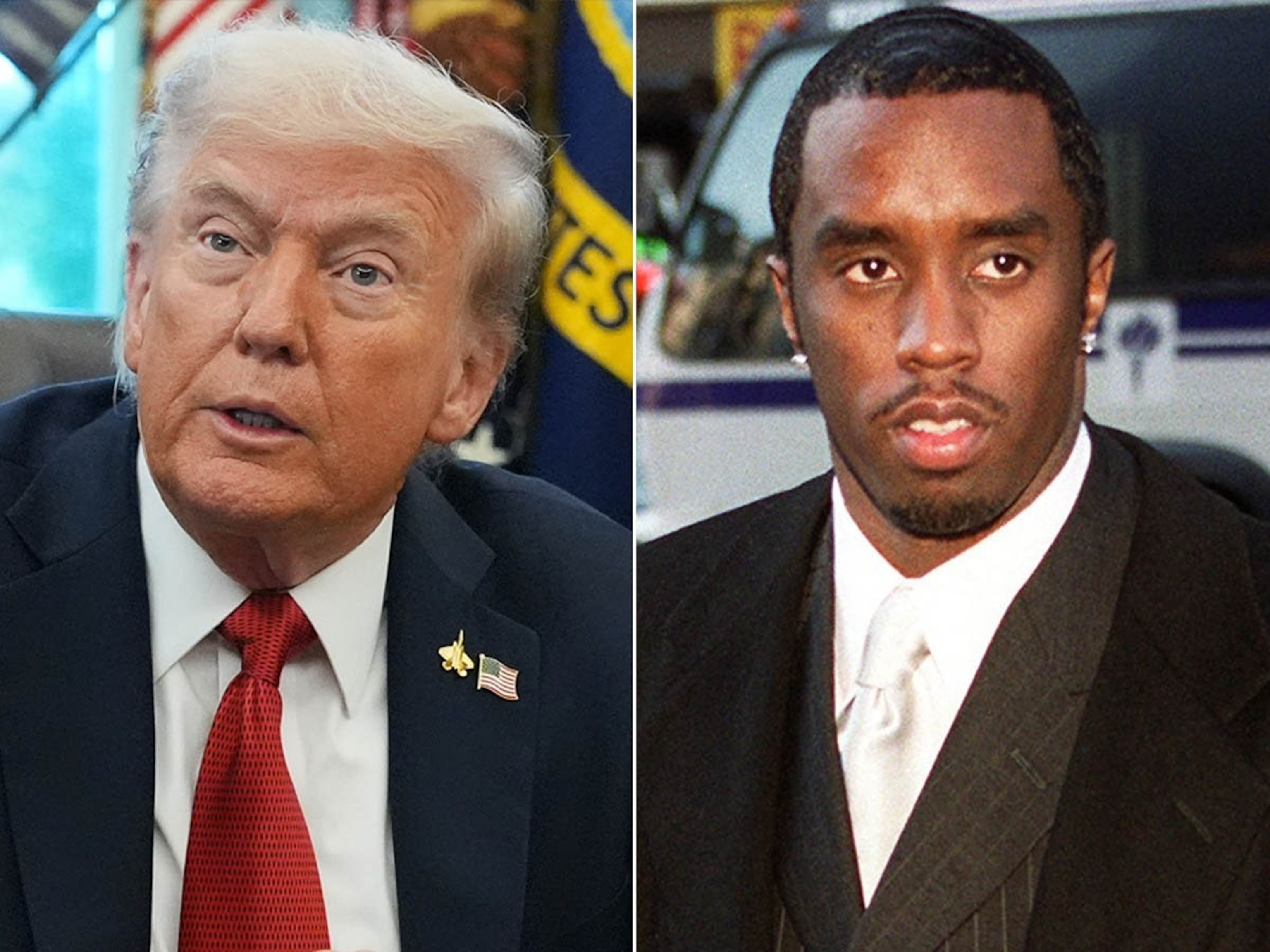
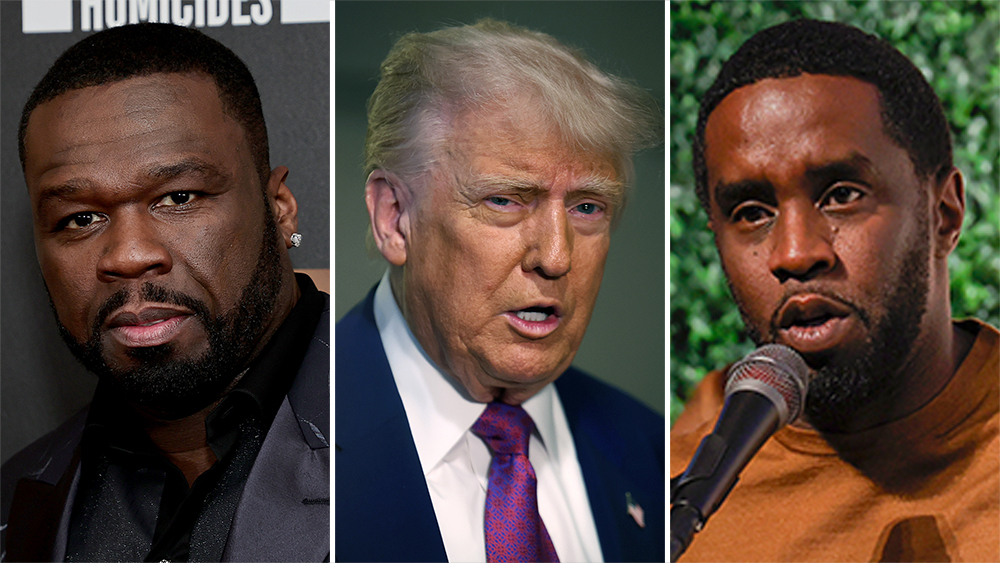
In recent days, a controversial report surfaced suggesting that former President Donald Trump might be contemplating commuting the prison sentence of Sean “Diddy” Combs. The news quickly gained traction, stirring public interest and speculation. However, the White House has officially denied these claims, labeling the report as entirely unfounded. This article delves into the details surrounding the report, the White House’s response, and what this means for the involved parties.
White House Denies Trump Is Considering Commuting Diddy’s Sentence
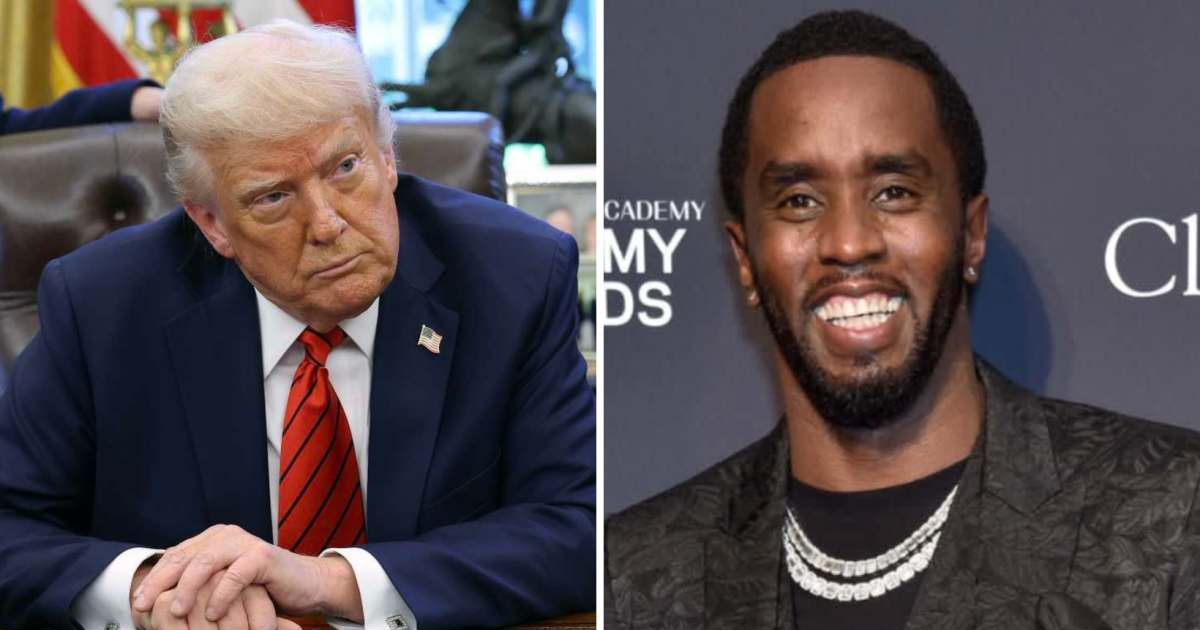
The rumor mill began churning after a so-called “White House insider” reportedly told TMZ that Donald Trump was “vacillating” over whether to commute Sean Combs’ prison sentence. According to the report, Trump was weighing this potential action shortly after commuting the sentence of former Congressman George Santos. The insider claimed that despite White House staff advising against such a move, Trump might ultimately decide to proceed.
However, White House officials quickly pushed back against these assertions. A spokesperson for the White House told the Daily Mail that the report was “completely fraudulent” and expressed frustration that TMZ did not seek comment before publishing the story. The spokesperson emphasized that the president is the sole authority on pardons and commutations and that no such decision regarding Combs has been made.
The Background: Sean ‘Diddy’ Combs’ Legal Situation

Sean Combs, the renowned music mogul and entrepreneur, was sentenced to 50 months in prison after being convicted on two counts related to transportation for the purposes of prostitution. This sentence followed a high-profile trial where Combs was acquitted of more serious charges, including sex trafficking and racketeering. His case has attracted significant media attention due to his celebrity status and the nature of the charges.
The possibility of a presidential commutation raised eyebrows given the political and social implications. Presidential pardons and commutations are often scrutinized for their fairness and the message they send to the public. While Trump has previously used his clemency powers in controversial ways, the White House’s denial suggests that no such action is imminent for Combs.
The Role of Presidential Clemency Powers

The U.S. Constitution grants the president broad powers to grant pardons and commutations for federal offenses. These powers are often exercised to correct judicial errors, show mercy, or for political reasons. However, such decisions can be contentious and are subject to public and political scrutiny.
In recent years, the use of clemency powers has sparked debate over transparency and fairness. Critics argue that some pardons appear to benefit political allies or celebrities, while supporters claim they are a necessary tool for justice reform. The current denial from the White House underscores the sensitivity surrounding these decisions.
What This Means Moving Forward
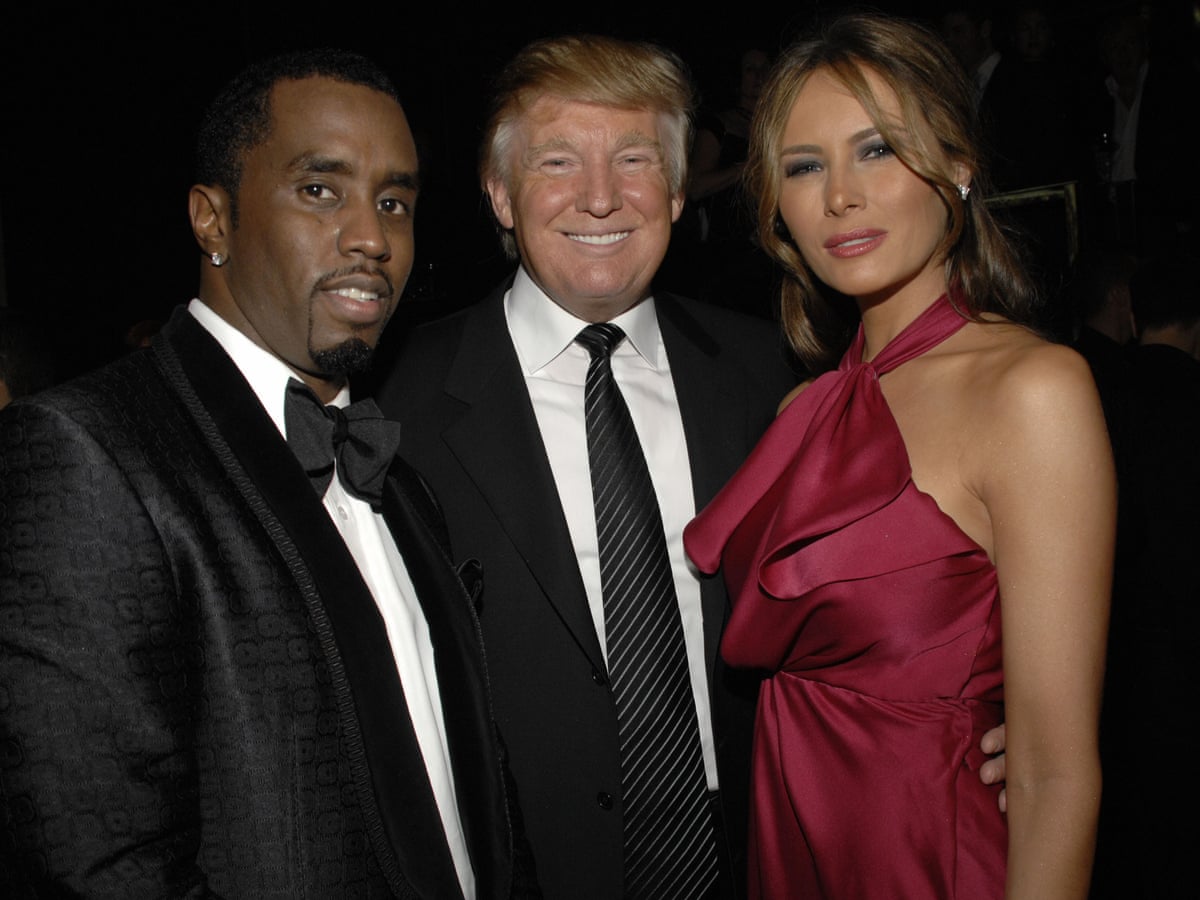
With the White House firmly denying any plans to commute Sean Combs’ sentence, it appears that the rumors were unfounded. For Combs and his supporters, this means that his legal situation remains unchanged for the time being. The case continues to be a focal point for discussions about celebrity justice and the use of presidential clemency.
For the public and media, this incident highlights the importance of verifying information before accepting sensational reports. The swift denial from official sources serves as a reminder that not all rumors reflect reality, especially in politically charged environments.
Implications for Trump’s Use of Clemency
This episode also sheds light on how former President Trump’s clemency decisions are closely watched and often politicized. While Trump has exercised his pardon powers extensively, each potential commutation or pardon is analyzed for its political impact and legal justification.
The White House’s rejection of the report about Diddy’s sentence suggests a cautious approach to managing expectations and controlling the narrative around presidential pardons. It also signals that any future clemency decisions will likely be communicated clearly to avoid misinformation.
Conclusion
In summary, the White House has categorically denied reports that Donald Trump is considering commuting Sean “Diddy” Combs’ prison sentence. Despite rumors and insider claims, no official action is underway regarding Combs’ case. This situation underscores the complexities of presidential clemency powers and the need for accurate reporting in politically sensitive matters. Stay informed with reliable sources to avoid falling prey to unverified news. For more updates on this story and other political developments, subscribe to our newsletter and stay ahead of the curve!