
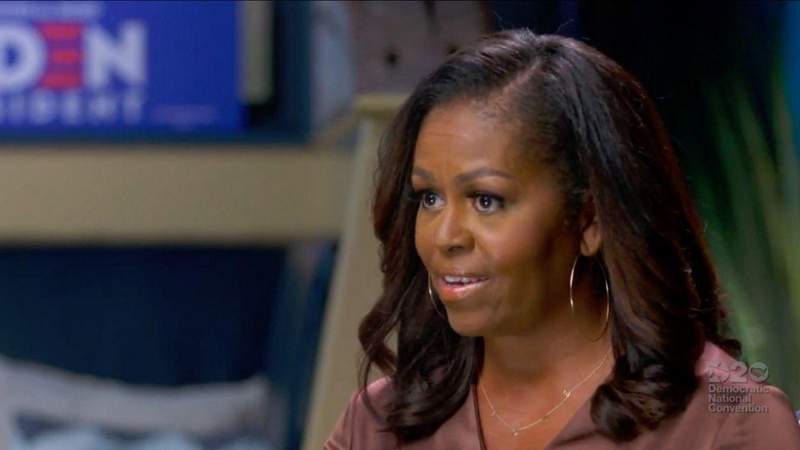
Michelle Obama Trolled by Critics for Claiming She Avoids Using Apple Pay Because She Fears Being Tracked
Michelle Obama’s Concerns Over Apple Pay and Digital Tracking
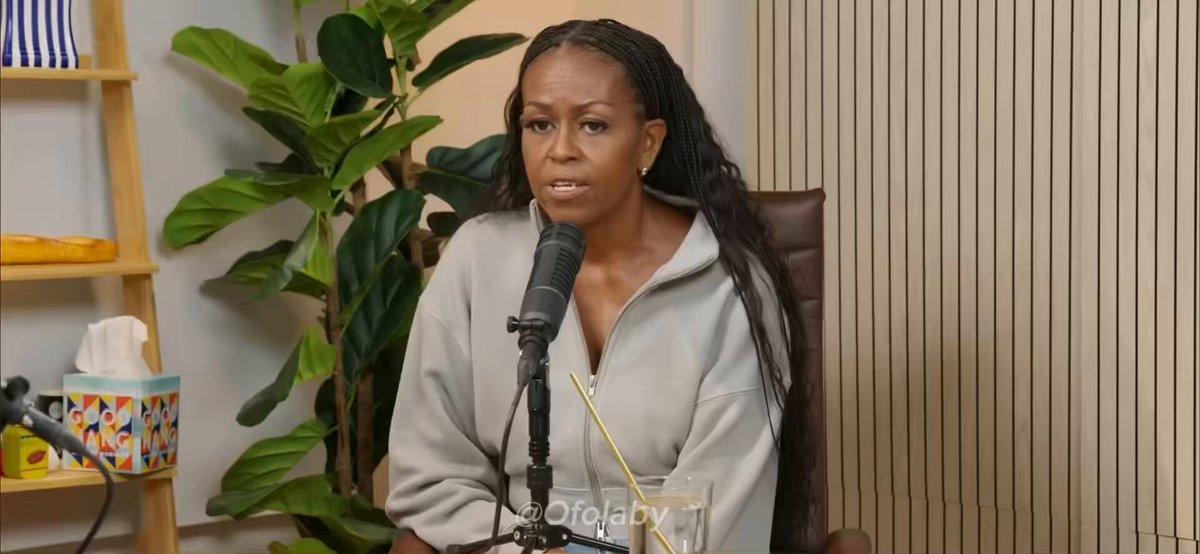
In a resurfaced podcast interview from May 2025, former First Lady Michelle Obama opened up about her cautious approach to technology, specifically her decision to avoid using Apple Pay. Speaking candidly on Amy Poehler’s podcast, Good Hang, Michelle explained that she deliberately limits her phone usage and digital transactions because she fears being tracked. Despite having armed security guards accompanying her, Michelle expressed a deep concern about the privacy risks associated with mobile payment systems.
Michelle, 62, shared that she sometimes forgets how to use a credit card due to her infrequent shopping habits, which contrasts with the growing trend of people tapping their phones to pay. When Poehler joked about this being a “boomer-y” reaction, Michelle defended her position, stating, “I know, but I don’t want to be tracked.” She emphasized that her worries are not just about her high-profile status but reflect a broader public concern about data privacy and security. “They could get your phone information and take your information,” she warned.
Poehler agreed, acknowledging that digital tracking and identity theft are common issues today. “We’re all tracked. We’re all cooked. There’s no way not to be,” she said, highlighting the pervasive nature of surveillance in modern life. Michelle also revealed that she still carries cash in her wallet, untouched for over a decade, as a backup in case digital payment systems fail.
Backlash and Criticism: Elitism and Hypocrisy Accusations
Michelle Obama’s comments quickly drew sharp criticism from social media users and commentators. Many mocked her for admitting she sometimes forgets how to use a credit card, labeling her an elitist disconnected from everyday realities. Some questioned whether she even shops for herself, suggesting that she has not paid for anything since Barack Obama’s presidency ended in 2017.
One user on X (formerly Twitter) wrote, “What an elitist! I forgot how to use a credit card,” while another added, “Will never take anything these clowns say seriously after this.” Critics also pointed out the Obamas’ estimated joint net worth of around $70 million, arguing that their privileged lifestyle makes their concerns about tracking seem out of touch.
Further controversy arose when people revisited Barack Obama’s role in surveillance policies during his presidency. Critics accused Michelle of hypocrisy, noting that her husband signed the FISA Amendments Act, which expanded government surveillance capabilities. This law allowed the National Security Agency (NSA) to target foreign individuals without individual warrants, though American citizens were sometimes caught in the crossfire.
Edward Snowden’s 2013 revelations about NSA surveillance abuses during the Obama administration intensified these criticisms. Many online users expressed disbelief that Michelle would voice privacy concerns when her family was linked to policies that arguably enabled mass tracking.
Michelle Obama’s Security Measures and Gun Control Stance
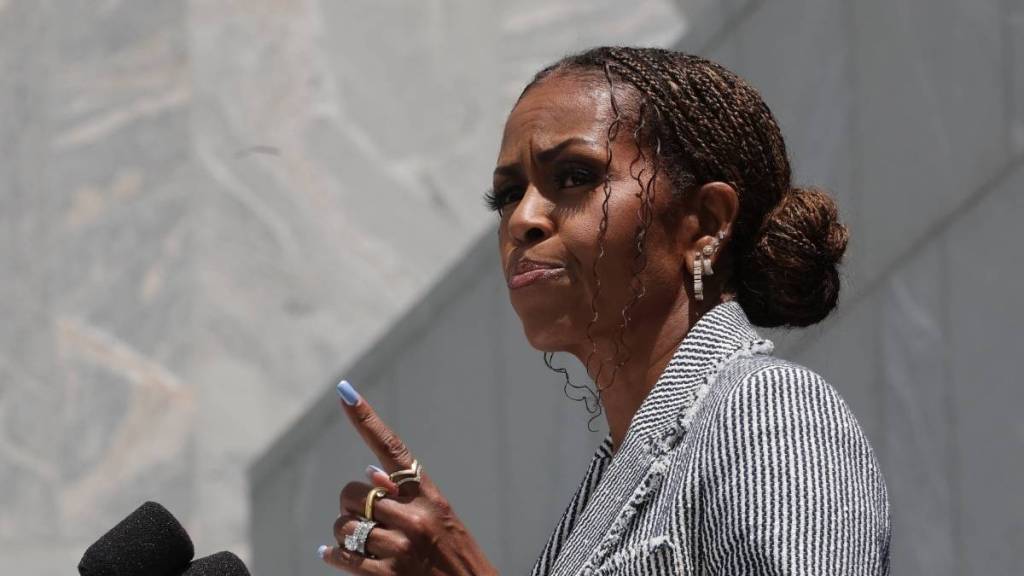
Adding to the debate, Michelle’s admission that her security detail is armed sparked further backlash. She acknowledged, “I guess I’m good because I also have this security guy with a gun,” which some saw as contradictory given the Obamas’ public support for stricter gun control laws.
Michelle has been vocal about the need for firearm restrictions in the United States, stating on CBS Mornings, “We are the only developed country on the planet where its citizens can have unfettered access to firearms. That is not a good thing.” However, critics labeled her a hypocrite for relying on armed protection while advocating for gun limitations.
Comments like “Two-faced. Guns for me, not for thee,” and “The anti-gun matriarch having a whole team of armed men protecting her is the epitome of hypocrisy,” flooded social media, reflecting the polarized reactions to her statements.
Understanding the Broader Context of Privacy and Digital Payments
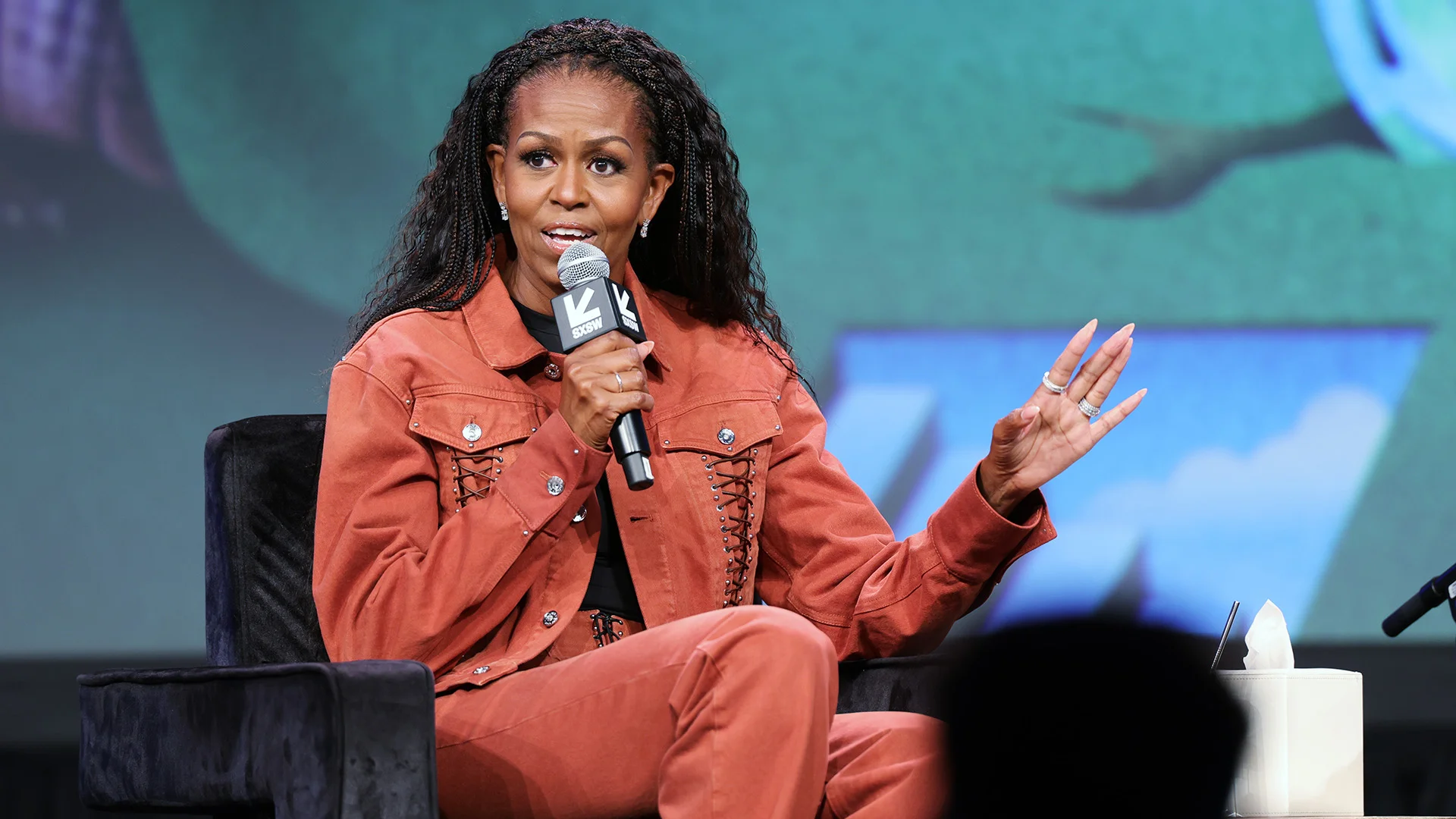
Michelle Obama’s stance on avoiding Apple Pay taps into a larger conversation about privacy in the digital age. Mobile payment platforms like Apple Pay offer convenience but also raise concerns about data collection and surveillance. Users worry that their financial transactions, location data, and personal information could be tracked by corporations or governments.
While Michelle’s high-profile status means she faces unique security challenges, her concerns resonate with many ordinary people who fear the loss of privacy in an increasingly connected world. The debate highlights the tension between embracing technological convenience and protecting personal data.
Why Some People Choose to Avoid Digital Payments
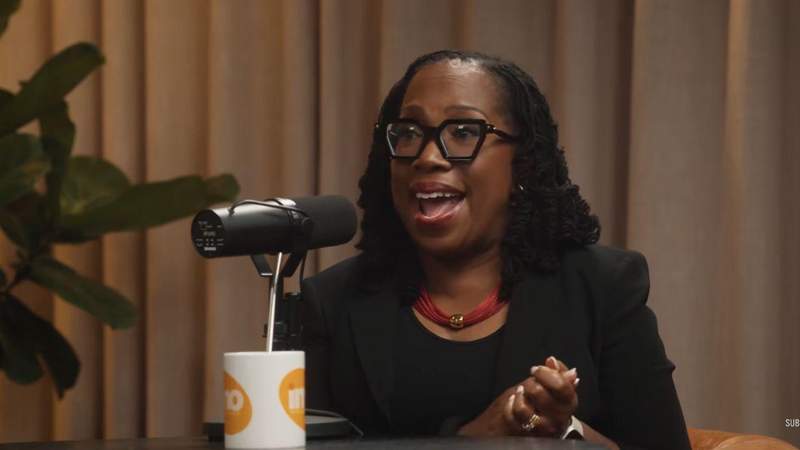
Avoiding digital payment methods like Apple Pay is a choice some make to reduce their digital footprint. Reasons include:
– Privacy concerns: Fear that payment data can be tracked or hacked.
– Security risks: Potential for identity theft or financial fraud.
– Reliability: Dependence on technology that may fail or be compromised.
– Preference for cash: Some prefer tangible money for budgeting or anonymity.
Michelle Obama’s admission that she carries cash as a backup reflects these concerns. It also underscores a growing awareness about the vulnerabilities inherent in digital financial systems.
Conclusion
Michelle Obama’s revelation about avoiding Apple Pay due to fears of being tracked has sparked a mix of criticism and support, shining a spotlight on the complex issues surrounding digital privacy and security. While some view her stance as out of touch or hypocritical, others recognize the legitimate concerns about data tracking in today’s technology-driven world.
If you’re interested in protecting your privacy and understanding the risks of digital payments, consider exploring alternative payment methods and staying informed about cybersecurity best practices. Don’t let convenience compromise your security—take control of your digital footprint today.
Ready to safeguard your personal information? Start by learning more about secure payment options and privacy tools to keep your data safe in an increasingly connected world.