
Tupac Chose the ‘Wrong N***** to Play With’: Duane ‘Keffe D’ Davis Boasted the Rap Icon ‘Should Have Been Protected Better’ by Suge Knight — as Self-Confessed Criminal Faces Trial for Allegedly Orchestrating Hit
Duane ‘Keffe D’ Davis and the Alleged Orchestration of Tupac Shakur’s Murder
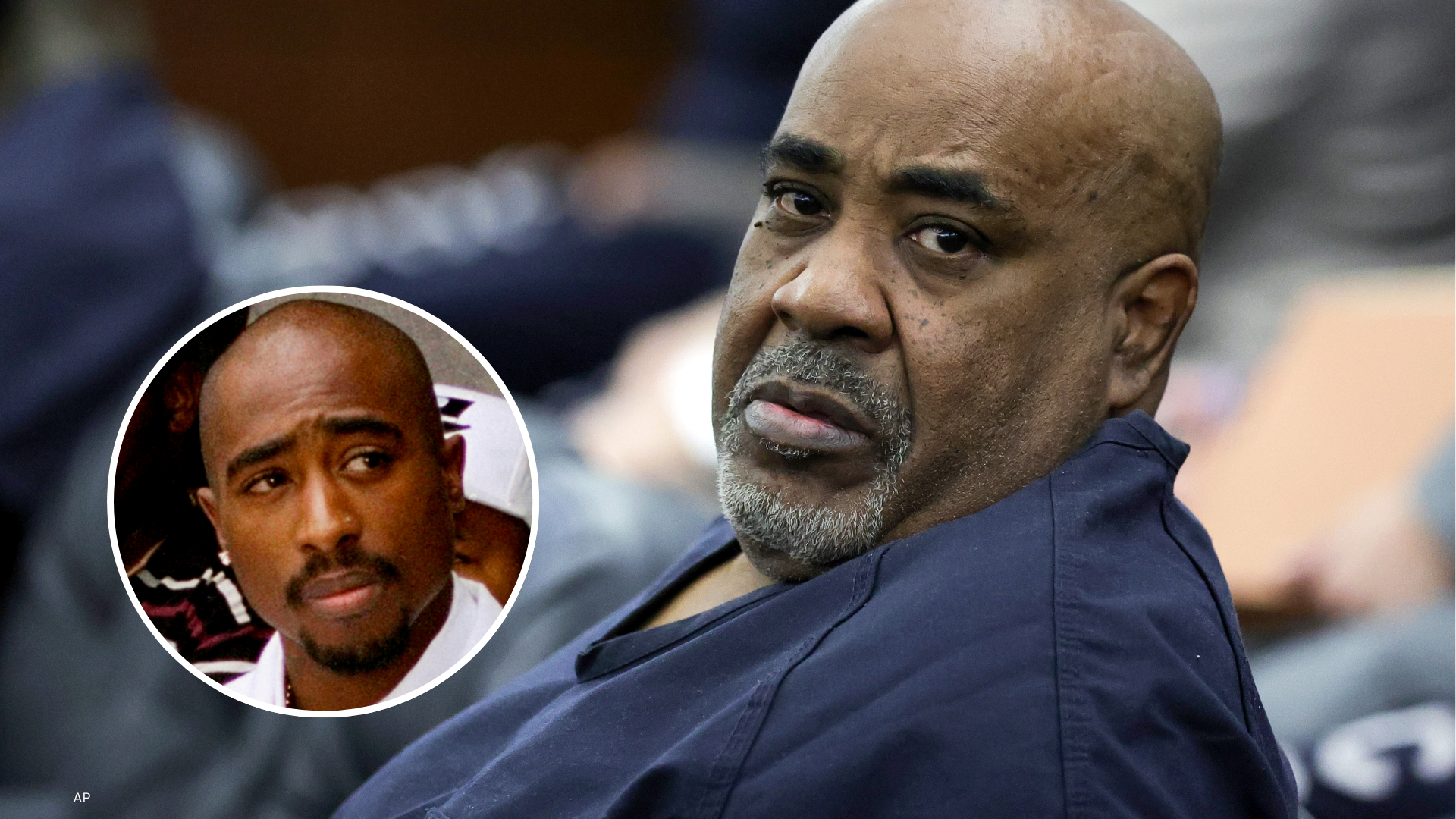
Nearly three decades after the tragic death of Tupac Shakur, the man accused of orchestrating the rap icon’s murder, Duane ‘Keffe D’ Davis, is finally heading to trial. Davis, a notorious member of the South Side Compton Crips, has a complex history intertwined with the events leading up to Tupac’s fatal shooting in Las Vegas in 1996. His recent statements and memoir have reignited public interest and legal scrutiny surrounding the case.
In his 2019 self-published memoir, COMPTON STREET LEGEND, Davis openly confessed to planning the hit on Tupac Shakur. However, since his arrest and indictment, he has recanted these claims, asserting his innocence and alleging that he was set up. Despite his not guilty plea, Davis’s contradictory accounts and gang affiliations have made the trial a focal point in hip-hop history and criminal justice.
The Night of the Shooting: A Chain of Retaliations
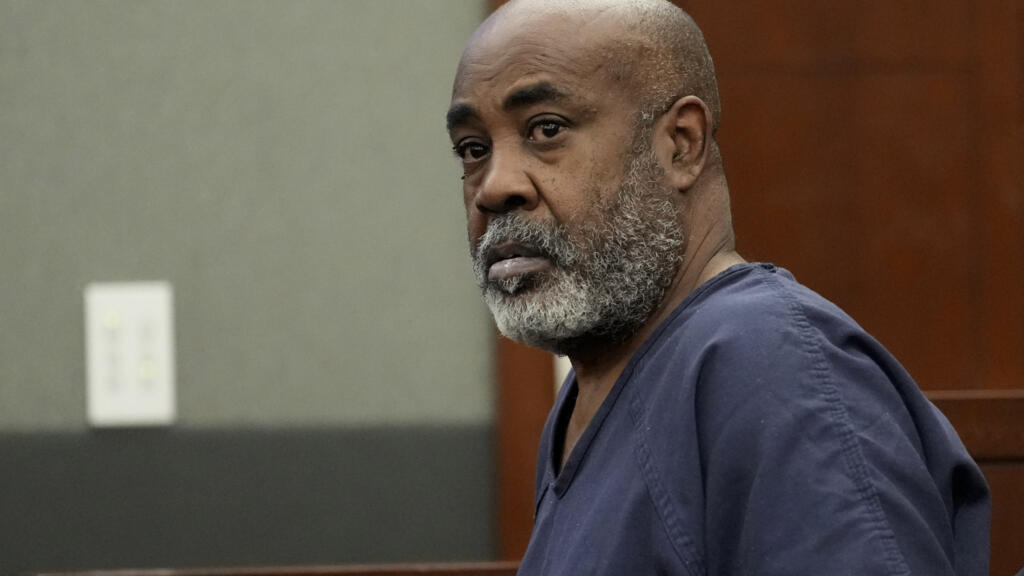
The events leading to Tupac’s murder began hours before the shooting, at the MGM Grand in Las Vegas. Following a Mike Tyson fight, a violent altercation erupted between members of rival gangs—the Bloods and the South Side Compton Crips. Davis’s nephew, Orlando ‘Baby Lane’ Anderson, a South Side Compton Crip, was attacked by Bloods members, including associates connected to Tupac and Death Row Records.
Davis described himself as “livid” over the attack on his nephew and assembled a crew, including Anderson, “ready to burn their a—s up.” This retaliation set the stage for the drive-by shooting that would claim Tupac’s life days later. Davis’s memoir explicitly states, “Tupac chose the wrong game to play and the wrong n—–s to play with,” underscoring the gang rivalry’s role in the tragedy.
He also criticized Suge Knight, co-founder of Death Row Records and Tupac’s close associate, saying, “Suge and them should have done a better job of protecting that dude because they knew who the f–k we were and the kind of s–t we were capable of.” Davis’s words suggest that Tupac was caught in a dangerous game without adequate protection, leading to his untimely death.
The Legal Battle and New Evidence

Tupac Shakur was shot four times in a drive-by shooting on September 7, 1996, in Paradise, Nevada, and died six days later at the age of 25. For years, the murder remained unsolved, shrouded in mystery and speculation. Davis’s memoir and subsequent boasting reopened the investigation, culminating in his arrest on September 29, 2023.
Facing a single count of murder with a deadly weapon and charges related to promoting a criminal gang, Davis has maintained his innocence since his arrest. He claims he was not in Nevada at the time of the shooting and that his earlier confession was motivated by financial gain for his family.
However, prosecutors have introduced new evidence that challenges his alibi. Records show that Davis’s wife made a hotel reservation in Las Vegas under her name during the period of the murder, placing Davis in the city. This evidence complicates his defense and adds weight to the prosecution’s case.
Family Ties and Gang Rivalries
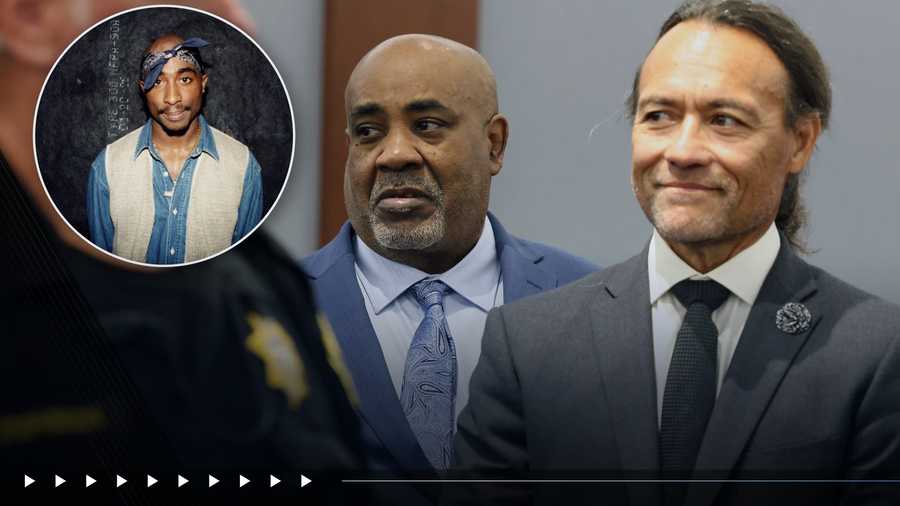
Orlando ‘Baby Lane’ Anderson, Davis’s nephew, was a central figure in the case. He was considered the prime suspect in Tupac’s murder but was never charged. Anderson himself was killed in a gun battle in Compton in 1998, two years after Tupac’s death.
Davis’s memoir and statements emphasize the deep-rooted gang rivalries between the South Side Compton Crips and the Bloods, which played a significant role in the violent events surrounding Tupac’s murder. The tension between these factions, combined with the high-profile nature of Tupac’s career and affiliations, created a volatile environment.
Davis has also accused others, including former Death Row Records security chief Reggie Wright Jr. and retired LAPD detective Greg Kading, of fabricating stories and threatening his family. These accusations highlight the ongoing complexity and contentiousness of the case.
Why Tupac Should Have Been Protected Better by Suge Knight
One of the most striking aspects of Davis’s confession is his criticism of Suge Knight’s failure to protect Tupac Shakur. As a powerful figure in the music industry and a man with criminal ties, Knight was expected to shield Tupac from the dangers posed by gang rivalries and street violence.
Davis’s assertion that “Suge and them should have done a better job of protecting that dude” points to a perceived negligence or underestimation of the threats Tupac faced. This criticism raises questions about the responsibility of those close to Tupac and the extent to which they could have prevented the fatal shooting.
The metaphor of Tupac as a “puppy that got swallowed up by some ferocious sharks” encapsulates the vulnerability of the rap icon amidst the dangerous world he inhabited. Despite his tough persona and lyrical bravado, Tupac was ultimately exposed to lethal risks that those around him failed to mitigate.
The Impact on Hip-Hop and Street Culture
Tupac Shakur’s death sent shockwaves through the music industry and street communities alike. It underscored the deadly consequences of gang affiliations and the blurred lines between entertainment and real-life violence.
Davis’s memoir claims that the South Side Crips “earned some stripes on the collar from street n—–s due to the Tupac shooting,” suggesting that the incident elevated their notoriety and influence. This grim acknowledgment reflects the complex interplay of respect, fear, and power within gang culture.
The trial of Duane ‘Keffe D’ Davis not only seeks justice for Tupac but also serves as a reminder of the ongoing challenges in addressing violence linked to the hip-hop world and gang conflicts.
Conclusion
The trial of Duane ‘Keffe D’ Davis marks a pivotal moment in the long-standing quest for answers surrounding Tupac Shakur’s murder. Davis’s conflicting statements, gang connections, and new evidence have reignited public and legal interest in one of hip-hop’s darkest chapters. His claim that Tupac “should have been protected better” by Suge Knight adds a layer of accountability and reflection on the roles played by those closest to the rap legend.
As the case unfolds, it offers a chance to finally confront the truths behind Tupac’s death and the violent realities of the era. Stay informed on this developing story and explore more about the intersection of music, culture, and justice by following our updates.
If you want to learn more about Tupac Shakur’s legacy and the ongoing investigation, subscribe to our newsletter for the latest news and in-depth analysis.