
John Hinckley Jr. to Jodie Foster: Hope You’ve Been Well!!!
The story of John Hinckley Jr. and Jodie Foster is one of the most infamous and complex narratives in modern American history. It intertwines obsession, mental health struggles, and a shocking event that changed the course of many lives. This article explores the background of Hinckley’s fixation on Foster, the motivations behind his actions, and the aftermath that followed. Through this exploration, readers will gain a deeper understanding of the psychological and social dynamics at play, as well as the lasting impact on both individuals involved.
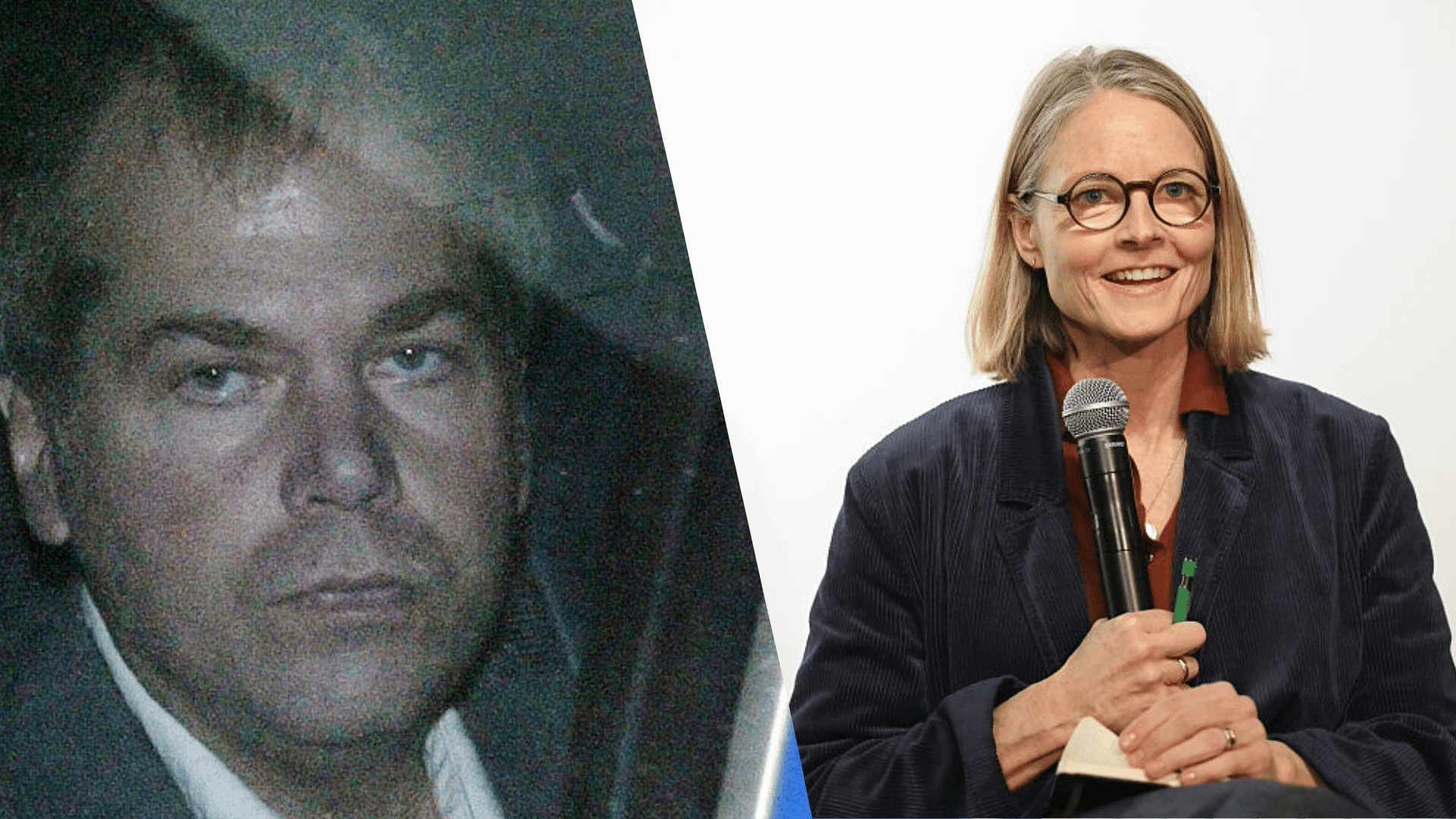
The Background of John Hinckley Jr.’s Obsession with Jodie Foster

John Hinckley Jr., a young man from a wealthy family, developed an intense obsession with actress Jodie Foster during the early 1980s. His fixation began after watching Foster’s critically acclaimed film, Taxis Driver, where she played a teenage prostitute. The character resonated deeply with Hinckley, who was struggling with his own mental health issues and feelings of isolation.
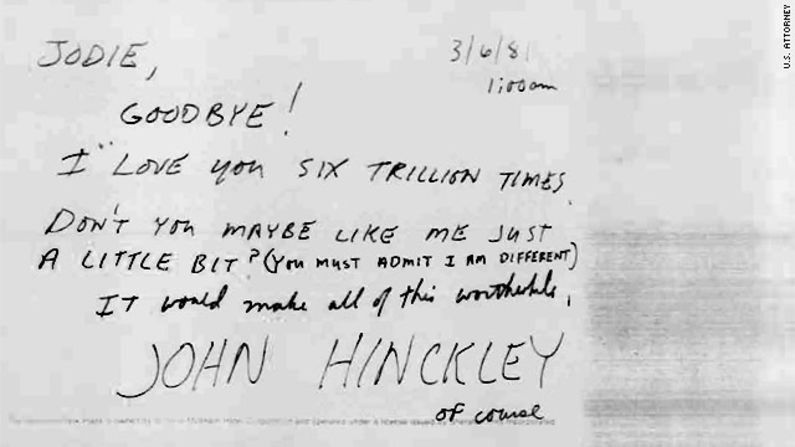
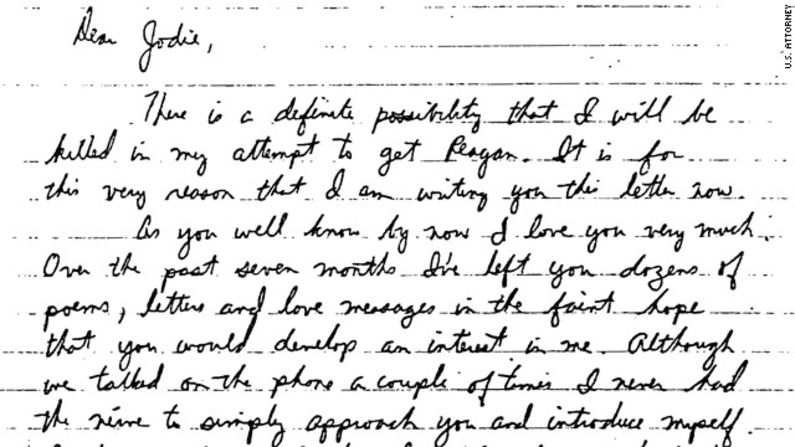
Hinckley’s obsession escalated as he began to follow Foster’s career closely, sending her letters and attempting to make contact. His fixation was not merely a fan’s admiration but a dangerous and delusional attachment that clouded his judgment. Experts later analyzed Hinckley’s mental state, diagnosing him with schizophrenia and other psychological disorders that contributed to his erratic behavior.
The Attempted Assassination of President Ronald Reagan
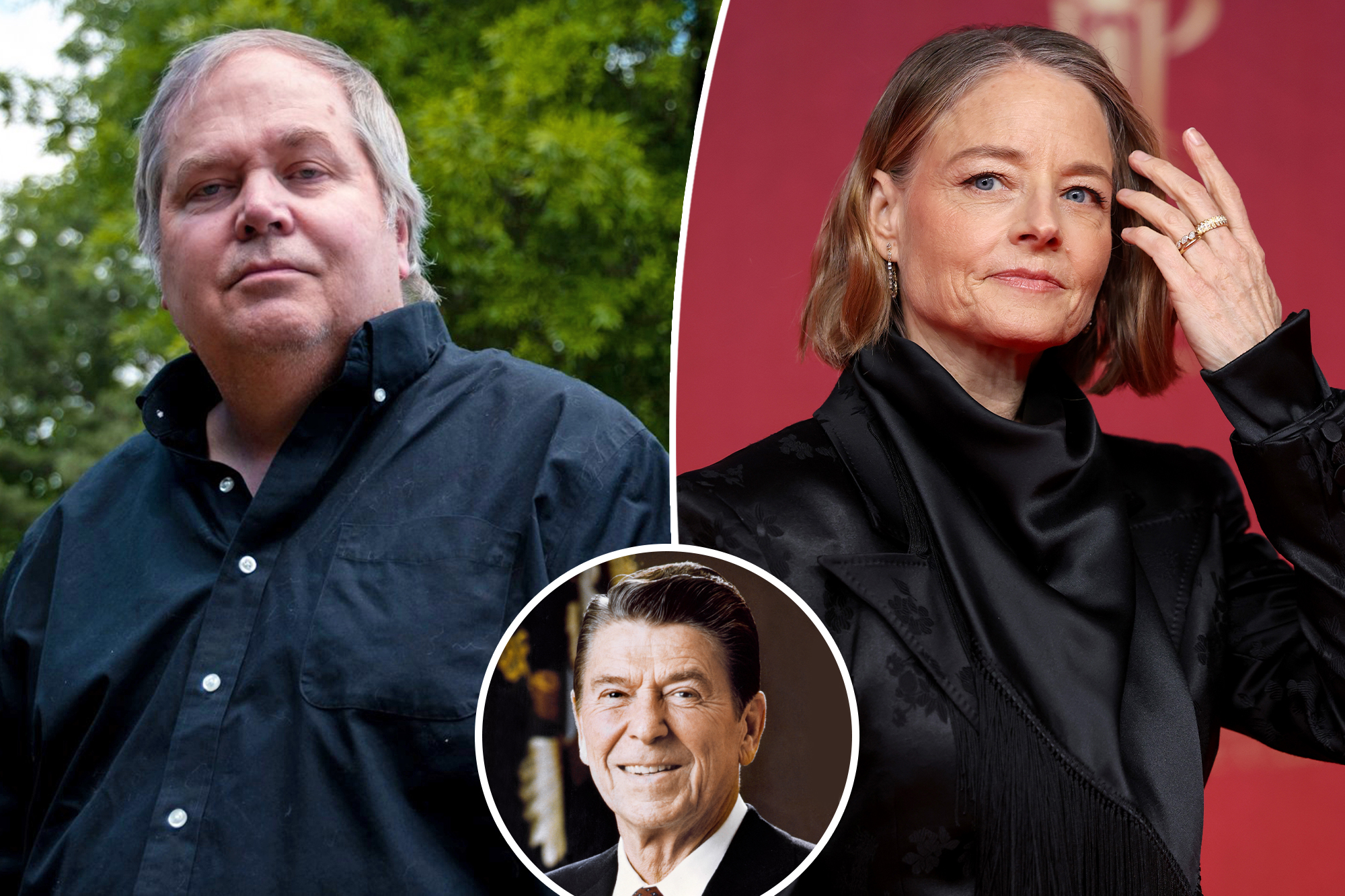
In a shocking turn of events, Hinckley’s obsession culminated in an attempt to assassinate President Ronald Reagan on March 30, 1981. Hinckley believed that by committing this act, he would impress Jodie Foster and win her affection. The assassination attempt resulted in serious injuries to Reagan and others, but fortunately, the president survived.
This event thrust Hinckley into the national spotlight and sparked widespread discussions about mental health, celebrity obsession, and gun control. The trial that followed revealed the depth of Hinckley’s psychological issues and his motivations linked to Foster. Ultimately, Hinckley was found not guilty by reason of insanity and was committed to a psychiatric hospital for treatment.
:max_bytes(150000):strip_icc():focal(749x0:751x2)/John-Hinckley-Jr-2022-Jodie-Foster-63rd-New-York-Film-Festival-2025-081126-150cef5a455848c8bf79fd96e0128553.jpg)
The Aftermath and Impact on Jodie Foster
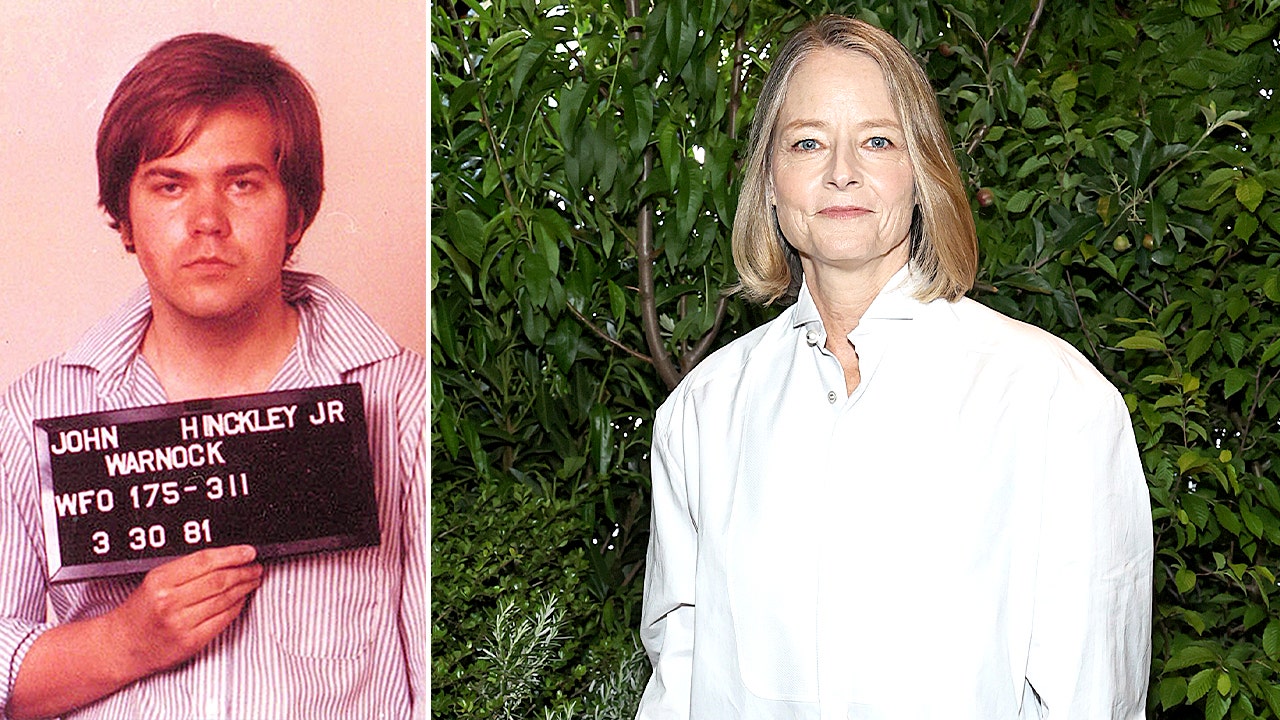
For Jodie Foster, the incident was a traumatic and life-altering experience. Although she was not physically harmed, the knowledge that someone had targeted the president to gain her attention was deeply unsettling. Foster chose to maintain her privacy and rarely spoke publicly about Hinckley, focusing instead on her career and personal growth.
:max_bytes(150000):strip_icc()/John-Hinckley-Jr.-Jodie-Foster-081026-6ba0de85aa2549b4a27749747cab83a9.jpg)
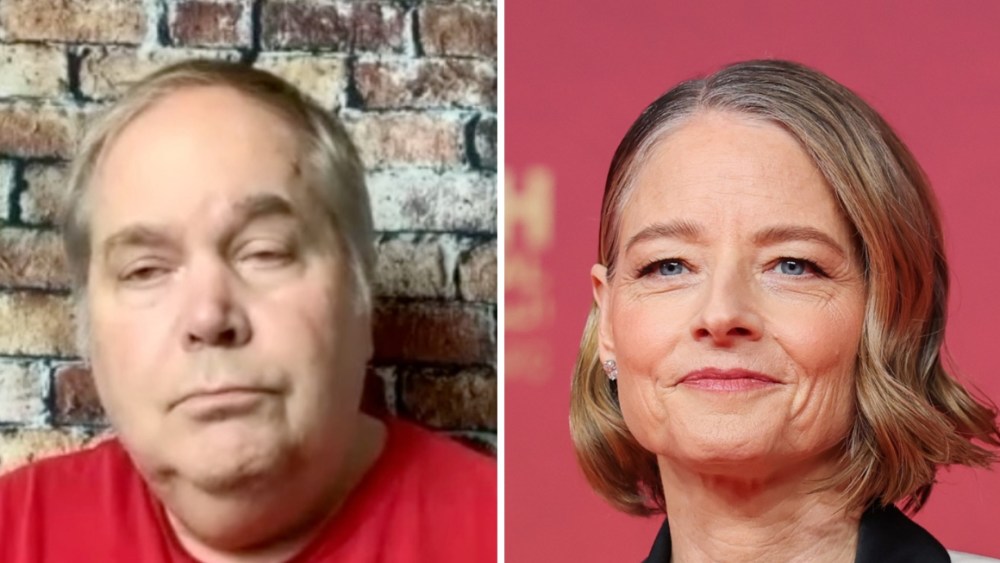
Over the years, Foster’s resilience and strength have been evident as she continued to excel in her acting career and advocacy work. The incident also brought attention to the challenges faced by public figures dealing with obsessive admirers and the importance of mental health awareness.

Understanding the Psychological and Social Dimensions

The Hinckley-Foster case highlights the complex interplay between mental illness, celebrity culture, and social isolation. Hinckley’s actions were driven by a distorted perception of reality, fueled by untreated mental health conditions and an unhealthy fixation on a public figure. This case has since been studied extensively by psychologists and criminologists to better understand the warning signs and prevention strategies for similar situations.
Moreover, the incident prompted changes in legal standards regarding the insanity defense and increased awareness about the need for mental health support and intervention. It also underscored the potential dangers of celebrity worship when combined with untreated psychological disorders.
Legal Reforms and Mental Health Awareness
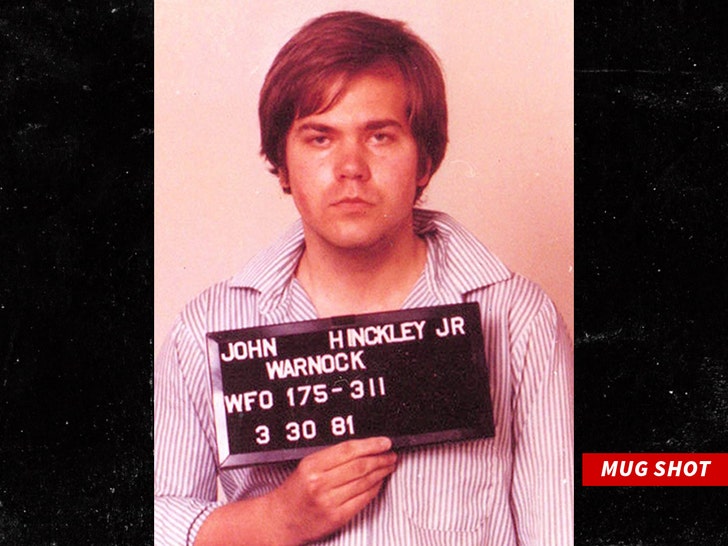
Following Hinckley’s trial, there were significant reforms in how the legal system handles cases involving mental illness. The public outcry over the verdict led to stricter criteria for the insanity defense in many states. Additionally, the case emphasized the importance of early diagnosis and treatment of mental health issues to prevent tragic outcomes.
Today, mental health advocacy continues to grow, with increased resources and support systems aimed at helping individuals before their conditions escalate to dangerous levels. The Hinckley-Foster story remains a cautionary tale about the consequences of neglecting mental health and the complexities of human behavior.
Conclusion
The relationship between John Hinckley Jr. and Jodie Foster is a poignant example of how obsession and untreated mental illness can lead to devastating consequences. While Hinckley’s actions were extreme, they serve as a reminder of the importance of compassion, understanding, and proactive mental health care. Jodie Foster’s strength in the face of such adversity also highlights the resilience of the human spirit.
If you found this article insightful, don’t hesitate to share it with others and help raise awareness about mental health and the impact of celebrity culture. For more compelling stories and expert analyses, subscribe to our newsletter and stay informed.