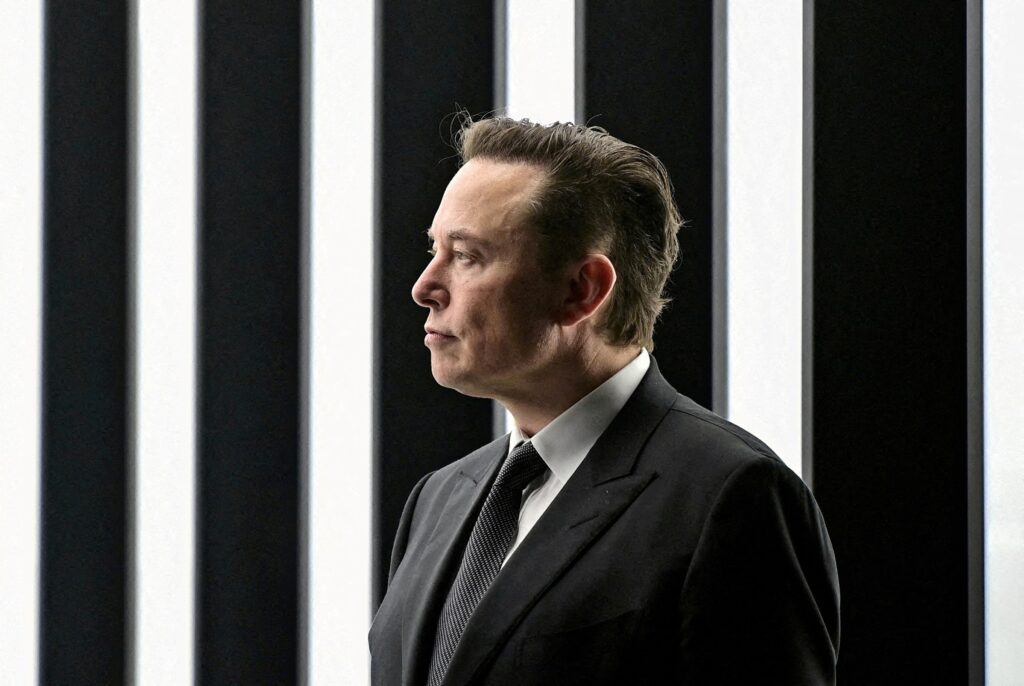
Musk Could Leave Tesla if $1 Trillion Pay Plan Is Rejected, Chair Warns
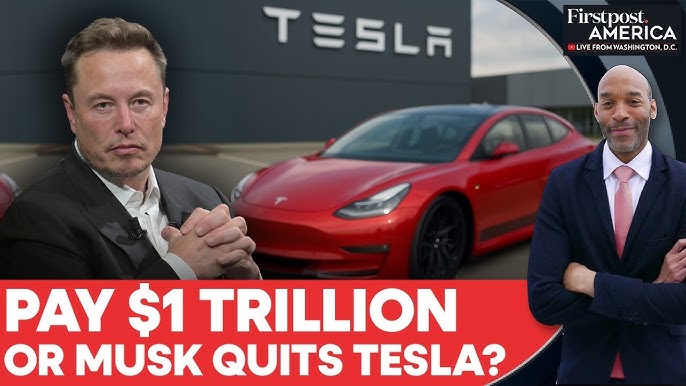
Tesla’s future leadership is facing a critical juncture as the company’s chairman has publicly cautioned that Elon Musk might consider stepping down if the board rejects his proposed $1 trillion compensation plan. This extraordinary pay package has sparked intense debate among shareholders, industry experts, and market analysts, raising questions about executive compensation, corporate governance, and Tesla’s long-term strategy.
The Controversial $1 Trillion Pay Plan and Its Implications
Elon Musk’s compensation plan, which could total up to $1 trillion over a decade, is unlike anything previously seen in the corporate world. The plan is structured around ambitious performance milestones tied to Tesla’s market capitalization, revenue, and operational achievements. If Musk meets these targets, he stands to receive stock options that would significantly increase his stake in the company.
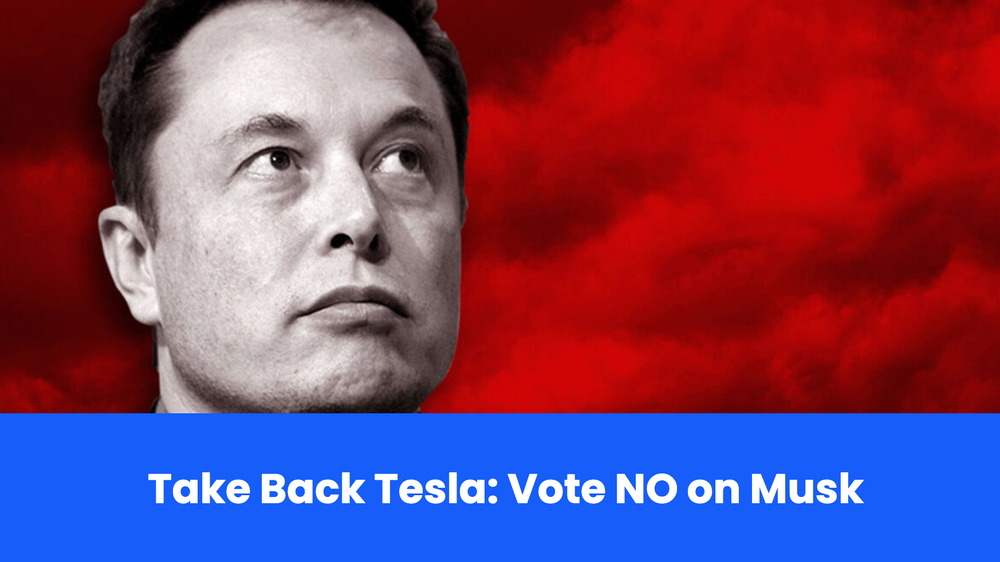
This proposal has generated mixed reactions. Supporters argue that the plan aligns Musk’s incentives with Tesla’s growth, motivating him to continue pushing the boundaries of innovation in electric vehicles, renewable energy, and space exploration. Critics, however, view the package as excessive and risky, potentially rewarding Musk regardless of broader market conditions or shareholder interests.
The chairman’s warning underscores the high stakes involved. If the board rejects the pay plan, Musk’s departure could trigger uncertainty for Tesla’s leadership and stock performance. Given Musk’s pivotal role in Tesla’s rise to prominence, his exit might impact investor confidence and the company’s strategic direction.
Understanding the Board’s Role and Shareholder Perspectives
Tesla’s board of directors is responsible for evaluating the pay plan and ensuring it aligns with shareholder interests. They must balance rewarding Musk’s contributions with maintaining responsible governance practices. Shareholders will have the opportunity to vote on the proposal, making their voices heard in this critical decision.
Many institutional investors are scrutinizing the plan closely. Some advocate for approval, citing Musk’s unique vision and leadership as essential to Tesla’s continued success. Others are urging caution, emphasizing the need for compensation structures that reflect sustainable growth and risk management.
The debate also highlights broader issues in executive compensation trends, particularly in high-growth tech and automotive sectors. Tesla’s situation may set a precedent for how companies incentivize visionary leaders while safeguarding shareholder value.
Potential Outcomes and What They Mean for Tesla’s Future
If the $1 trillion pay plan is approved, Musk is likely to remain at the helm, driving Tesla’s ambitious projects forward. This could reinforce investor confidence and support Tesla’s aggressive expansion plans, including new vehicle models, battery technology advancements, and global manufacturing capacity increases.
Conversely, if the plan is rejected and Musk decides to leave, Tesla could face a leadership vacuum. Finding a successor with comparable vision and influence would be challenging, potentially leading to volatility in Tesla’s stock price and strategic uncertainty.
In either scenario, Tesla’s trajectory will be closely watched by the market. The company’s ability to innovate and execute its vision remains critical to maintaining its position as a leader in the electric vehicle industry.
Conclusion

The chairman’s warning that Elon Musk might exit Tesla if the $1 trillion pay plan is rejected marks a pivotal moment for the company and its stakeholders. As the board and shareholders weigh the proposal, the decision will have far-reaching implications for Tesla’s leadership, innovation, and market performance. Stay informed about this evolving story and how it could shape the future of electric vehicles. If you’re an investor or enthusiast, now is the time to follow Tesla’s developments closely and consider the impact of this landmark compensation plan on the company’s growth.