
How Nancy Guthrie’s Kidnapper ‘Showed His Achilles’ in Ransom Note, According to Crypto Expert
The Crypto Clue in Nancy Guthrie’s Ransom Note

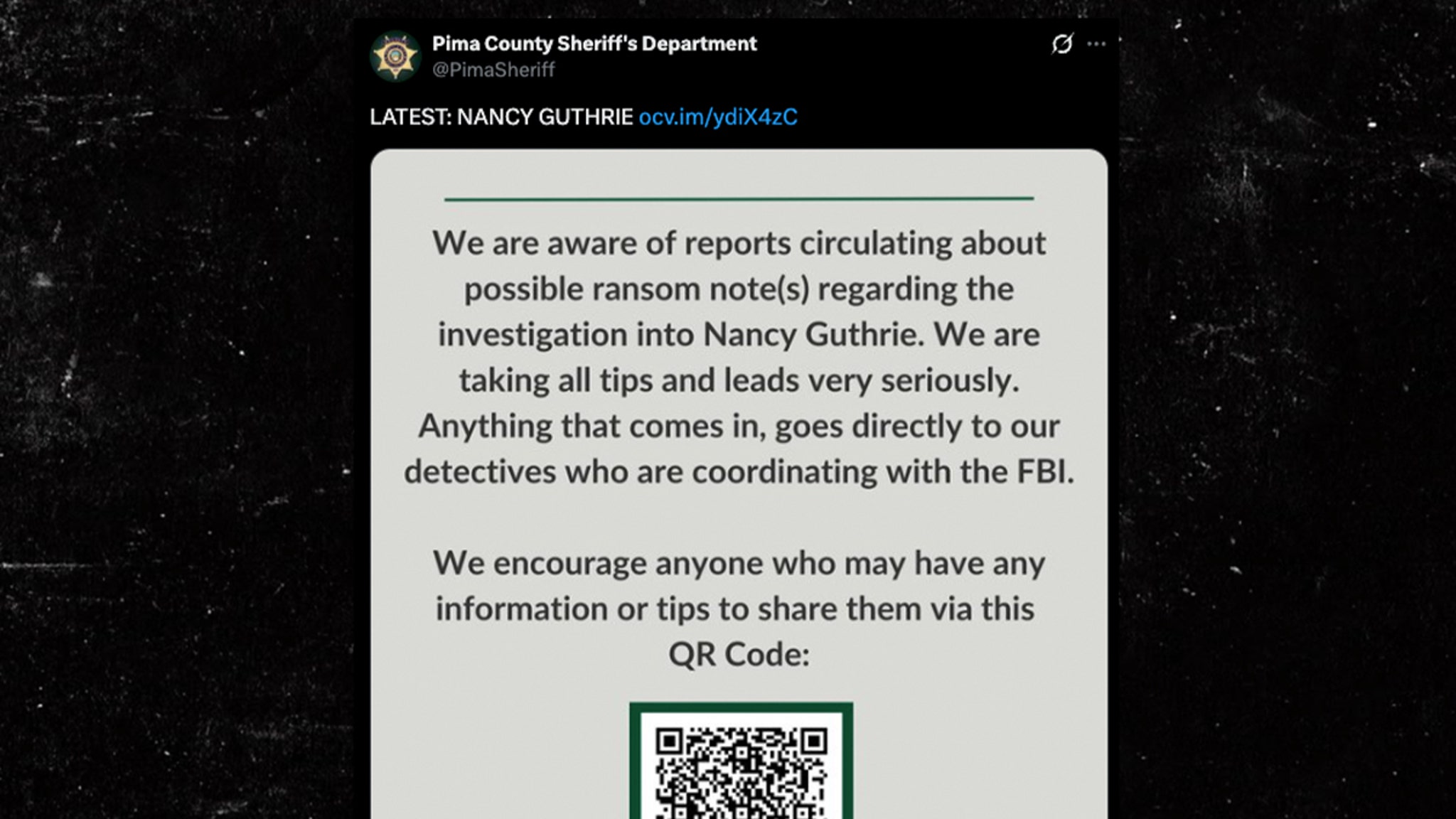
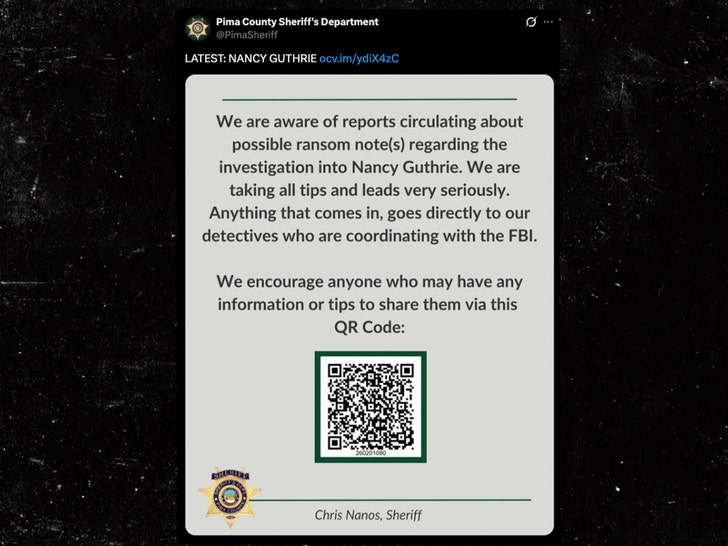
The recent kidnapping case involving Nancy Guthrie has taken a surprising turn, thanks to a ransom note that reportedly demanded $6 million in bitcoin. While the demand itself is alarming, experts in blockchain forensics have identified a significant error made by the alleged kidnapper: the inclusion of a real bitcoin wallet address. This seemingly minor detail could be the criminal’s undoing, offering law enforcement a valuable lead in tracing the ransom payment and potentially identifying the suspect.
Bezalel Eithan Raviv, CEO and founder of Lionsgate Network—a company specializing in crypto recovery and blockchain investigations—explained how this mistake is akin to revealing an “Achilles’ heel” in the kidnapper’s plan. According to Raviv, the use of an actual bitcoin address in the ransom note opens the door for investigators to track the flow of funds on the blockchain, a public ledger that records every cryptocurrency transaction.
Why Including a Bitcoin Address is a Critical Error

Cryptocurrency transactions are often perceived as anonymous and untraceable, but this is a common misconception. Every transaction on the blockchain is recorded permanently and can be analyzed with the right tools and expertise. When a kidnapper demands ransom in bitcoin and provides a wallet address, they inadvertently leave a digital trail.
Raviv highlighted that cybercriminals often believe they can remain hidden by using cryptocurrency, but the reality is different. “He showed his Achilles to everyone who understands blockchain forensics,” Raviv said, emphasizing that even a single transaction can yield valuable data. By sending a small amount of bitcoin to the suspect’s wallet, investigators can monitor where the funds move next, potentially leading to exchanges or other wallets connected to the criminal.
This tactic has been successful in previous cases, where tracing the blockchain helped law enforcement intercept illicit funds and identify perpetrators. The transparency of blockchain technology, combined with advanced forensic techniques, makes it increasingly difficult for criminals to use cryptocurrency without leaving clues.
The Importance of Blockchain Forensics in Modern Investigations
One of the challenges in cases involving cryptocurrency is the lack of understanding among many law enforcement agencies. Raviv pointed out that this knowledge gap can slow down investigations and allow criminals to exploit the ignorance surrounding crypto technology.
“To effectively combat crimes involving digital currencies, law enforcement must be trained in blockchain forensics or collaborate with experts who specialize in this field,” Raviv advised. The ability to analyze blockchain data, trace transactions, and identify patterns is crucial for solving cases like Nancy Guthrie’s kidnapping.
Moreover, the ransom amount of $6 million in bitcoin is not unusual in such scenarios. Raviv noted that criminals often calculate ransom demands based on historical data and trends, making the figure predictable. However, the process of cashing out cryptocurrency is where many criminals expose themselves, as converting bitcoin into usable currency typically involves exchanges that require identity verification.
How Blockchain Transparency Could Lead to Nancy Guthrie’s Rescue

The public nature of blockchain transactions means that every movement of the ransom funds can be scrutinized. If the kidnapper attempts to transfer or convert the bitcoin, these actions can be traced and linked back to their identity. This transparency offers hope that Nancy Guthrie’s kidnappers can be found and brought to justice.
Raviv expressed cautious optimism about the case, emphasizing the importance of leveraging blockchain forensics to accelerate the investigation. “I do hope that she will be able to come back to her family and loved ones and this nightmare should be over with,” he said.
The case also underscores the need for law enforcement agencies worldwide to enhance their capabilities in dealing with cryptocurrency-related crimes. As digital currencies become more prevalent, understanding blockchain technology is essential for effective crime prevention and resolution.
The Role of Public Awareness and Expert Collaboration

Public awareness about the traceability of cryptocurrency can also deter criminals from using bitcoin for illicit activities. When kidnappers and fraudsters realize that their transactions can be followed, they may think twice before involving digital currencies in their schemes.
Collaboration between law enforcement, blockchain experts, and crypto recovery services like Lionsgate Network is vital. These partnerships can provide the technical expertise and resources necessary to decode complex blockchain data and identify suspects.
In Nancy Guthrie’s case, such cooperation could prove pivotal in tracking the ransom payment and uncovering the kidnapper’s identity. The ransom note’s bitcoin address, once considered a mere demand, now serves as a beacon for investigators.
Conclusion

Nancy Guthrie’s alleged kidnapper made a critical error by including a real bitcoin address in the ransom note, revealing a vulnerability that blockchain forensics experts can exploit. This case highlights the importance of understanding cryptocurrency’s traceability and the need for law enforcement to develop expertise in blockchain investigations. As digital currencies continue to play a role in criminal activities, leveraging blockchain transparency will be key to solving cases and bringing perpetrators to justice.
If you want to stay informed about the latest developments in cryptocurrency and crime investigations, subscribe to our newsletter and get expert insights delivered straight to your inbox. Don’t miss out on how blockchain technology is shaping the future of law enforcement and digital security.