
CNN Has Lost Nearly Two-Thirds of Its Viewership Since 2016 Amid Growing Fears Network Is Circling the Drain
Over the past several years, CNN has witnessed a significant drop in its audience numbers, sparking concerns about the network’s future viability. Once a dominant force in cable news, CNN’s primetime and daytime viewership have both plummeted, raising questions about the network’s ability to maintain its relevance in an evolving media landscape. This article delves into the steep decline in CNN’s ratings since 2016, examines the contributing factors, and considers what this means for the network moving forward.
The Decline of CNN’s Viewership Since 2016
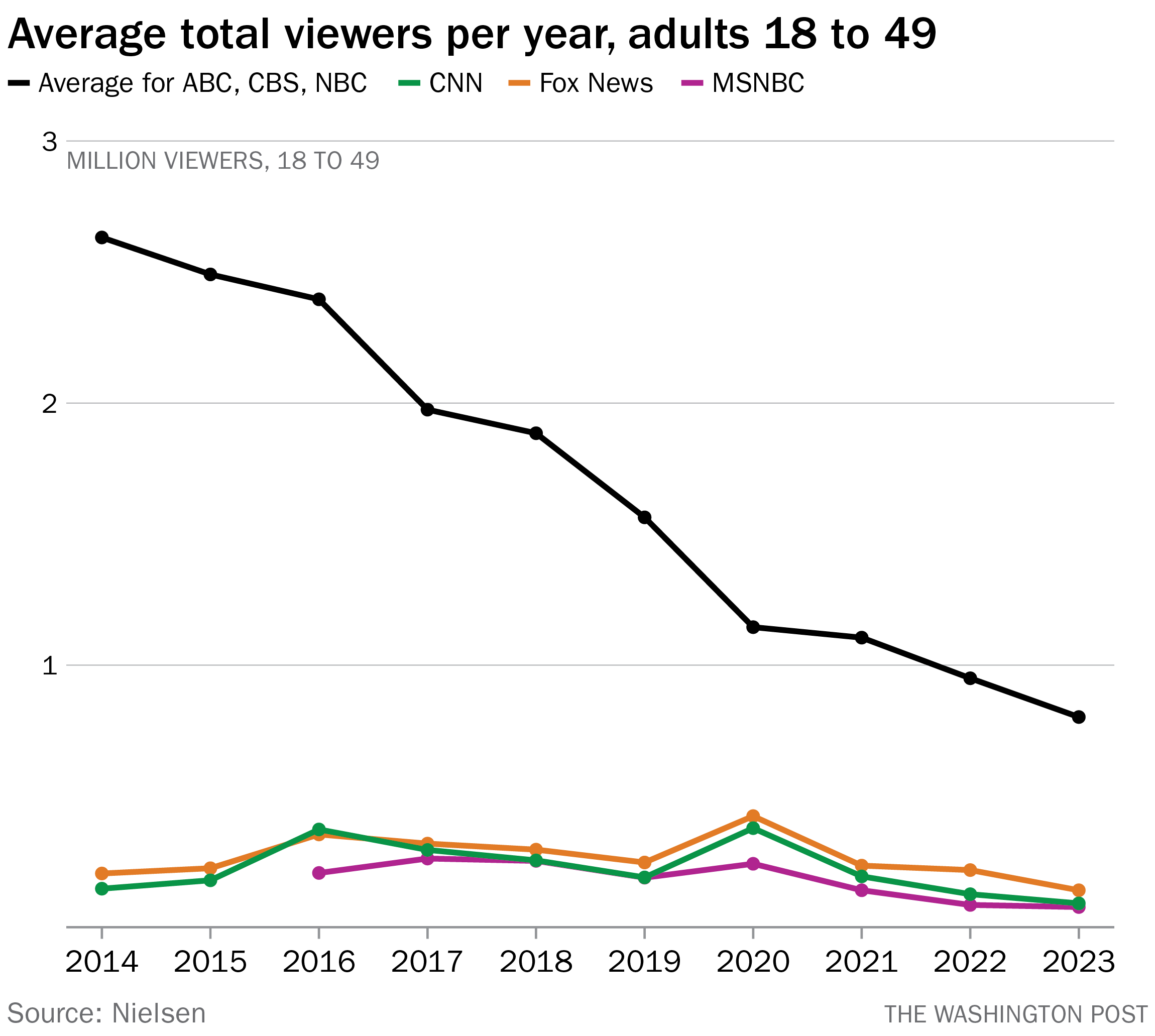

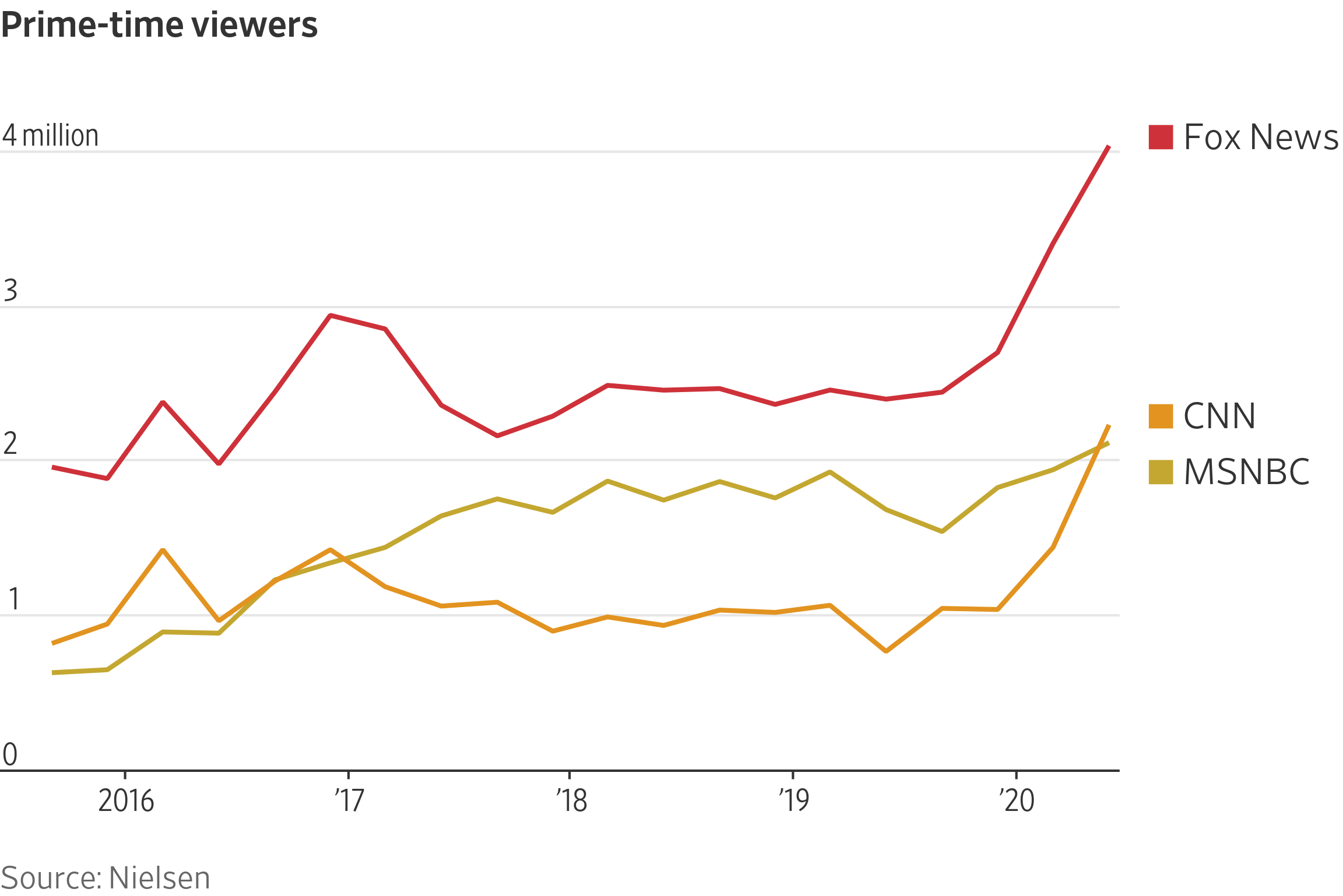
Since 2016, CNN has lost nearly two-thirds of its primetime viewers, a staggering decrease that has not gone unnoticed by industry insiders and media analysts alike. Nielsen ratings reveal that the network’s primetime audience has shrunk from approximately 1.3 million viewers in 2016 to just 553,000 in recent months. This decline is not isolated to primetime; CNN’s daytime programming has also suffered a similar fate, with viewership dropping from 752,000 to 433,000.
The drop in ratings is even more pronounced when compared to figures from 2021. Primetime viewership has fallen by 71 percent, while daytime audiences have decreased by 73 percent. These numbers underscore a troubling trend for CNN, which has traditionally been a key player in the cable news arena.
Several factors contribute to this decline. One major element is the shift in how audiences consume news. The rise of digital platforms, social media, and streaming services has fragmented the news market, drawing viewers away from traditional cable networks like CNN. Additionally, competition from rival news outlets and changes in programming strategies have further impacted CNN’s ability to retain its audience.
Impact on CNN’s Programming and Network Reputation

The steep decline in viewership has had tangible effects on CNN’s programming and overall reputation. High-profile anchors such as Jake Tapper, Anderson Cooper, Erin Burnett, and Kaitlan Collins have struggled to maintain strong ratings, with their shows attracting fewer viewers than in previous years. For example, recent Nielsen data showed that these primetime hosts collectively drew only 488,000 viewers in January, a low point that highlights the ongoing challenges faced by the network.
Daytime hosts like Wolf Blitzer have also been unable to reverse the trend, with their shows experiencing significant drops in audience numbers. This decline has raised concerns among CNN executives, who reportedly view the ratings slump as a serious issue despite broader industry-wide shifts.
Rumors about a potential sale of CNN have circulated amid these developments, fueled by the network’s parent company being perceived as “up-for-grabs.” However, company representatives have firmly denied any plans to sell the network, emphasizing their commitment to adapting CNN’s strategy to the changing media environment.
Changing News Consumption Habits and CNN’s Response

A key explanation offered by CNN insiders for the viewership decline is the evolving nature of news consumption. Audiences today are less reliant on traditional cable news broadcasts and increasingly turn to online sources, social media, podcasts, and other digital formats for their information. This shift has forced CNN to rethink its approach, focusing more on digital content delivery and expanding its reach beyond conventional television.
CNN has highlighted its efforts to engage global audiences through various platforms, aiming to capture viewers who prefer on-demand and mobile-friendly news formats. While this strategy may help offset some losses in cable viewership, it also reflects the broader challenge faced by legacy media outlets in retaining traditional audiences.
Despite these efforts, some industry experts remain skeptical about CNN’s ability to fully recover its lost viewership. Rival network executives have questioned whether the decline is solely due to changing consumption habits or if other factors, such as content quality and editorial direction, also play a significant role.
What the Future Holds for CNN

The substantial loss of viewers since 2016 places CNN at a crossroads. To remain competitive, the network must continue to innovate and adapt to the rapidly changing media landscape. This includes investing in digital platforms, enhancing interactive content, and possibly reimagining its programming lineup to better align with audience preferences.
Moreover, CNN faces the challenge of rebuilding trust and engagement with viewers who have migrated to alternative news sources. Balancing journalistic integrity with the need to attract and retain audiences will be critical in shaping the network’s trajectory.
While the rumors of a sale have been denied, the pressure to reverse the downward trend in ratings is undeniable. CNN’s leadership will need to make strategic decisions that address both the immediate ratings slump and the long-term sustainability of the network.
Strategies CNN Could Employ to Regain Viewership

To combat declining ratings, CNN might consider several approaches:
– Enhancing Digital Presence: Expanding content on social media, apps, and streaming platforms to capture younger, tech-savvy audiences.
– Diversifying Content: Introducing new formats such as podcasts, short-form videos, and interactive news segments.
– Revamping Programming: Refreshing the lineup with new hosts or formats that resonate with current viewer interests.
– Engaging Audiences: Creating opportunities for viewer interaction and feedback to build loyalty.
– Strengthening Investigative Journalism: Leveraging in-depth reporting to differentiate CNN from competitors.
By embracing these strategies, CNN can position itself to better meet the demands of modern news consumers and potentially reverse its viewership decline.
Conclusion
CNN’s loss of nearly two-thirds of its viewership since 2016 highlights the challenges traditional cable news networks face in an era of rapidly changing media consumption. While the network has taken steps to adapt by expanding its digital footprint, the steep decline in both primetime and daytime audiences signals a need for more aggressive innovation and strategic shifts. As CNN navigates this critical period, the future of the network will depend on its ability to reconnect with viewers and redefine its role in the evolving news ecosystem. For those interested in staying informed about the latest developments in media and news trends, continue following our updates and insights.