
Marjorie Taylor Greene Claims Trump ‘Hates’ JD Vance and ‘Doesn’t Want Him to be President’
In a recent and provocative statement, Marjorie Taylor Greene, a prominent political figure, alleged that former President Donald Trump harbors strong negative feelings toward Vice President JD Vance. Greene asserted that Trump “hates” Vance and “doesn’t want him to be president,” a claim that has sparked widespread discussion and debate across political circles. This article delves into the background of these allegations, the context in which they were made, and the broader implications for American politics.
Marjorie Taylor Greene’s Allegations Against JD Vance
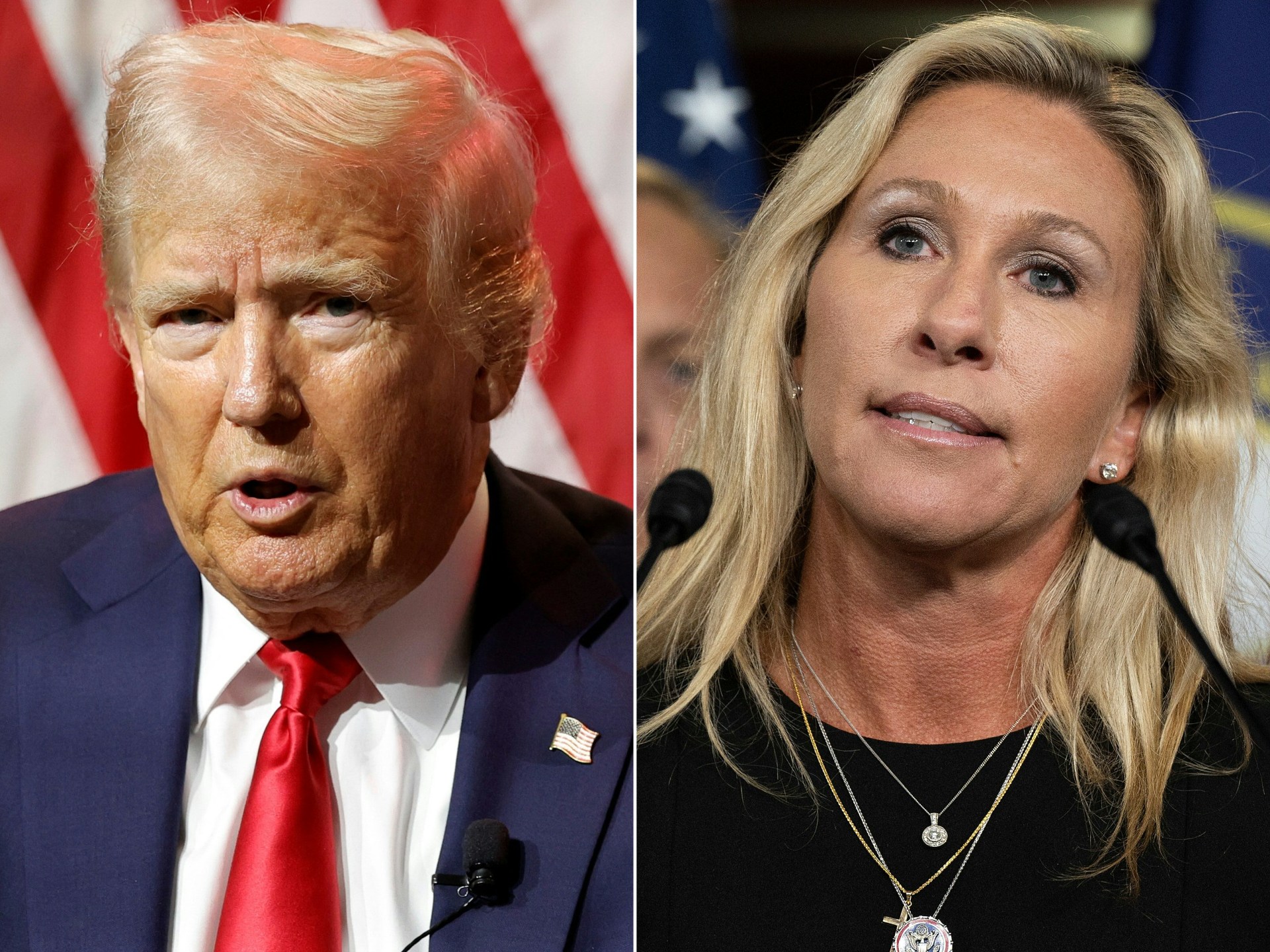
The controversy began when Greene responded to a post by America First Post on the social media platform X (formerly Twitter). The original post suggested that JD Vance had a significant influence on Trump’s decision to authorize a major military strike in Iran, which was intended to destabilize the Iranian government rather than serve as a limited, strategic attack aimed at fostering negotiations.
Greene reposted the claim with a pointed comment: “Ohhhh. @JDVance did it.” She went further to accuse Trump and his inner circle of harboring animosity toward Vance, stating, “They hate JD. They don’t ever want him to be President.” Greene implied that the blame for the military operation’s fallout, including casualties among U.S. service members, was being unfairly shifted onto Vance rather than Trump or the neoconservative advisors who influenced the decision.
Her post raised questions about internal dynamics within the Republican Party and the Trump administration’s approach to foreign policy and leadership succession. Greene’s remarks also hinted at a deeper rift between Trump and Vance, suggesting that Trump may be actively working against Vance’s political ambitions.
The Context Behind the Iran Military Strike and JD Vance’s Role
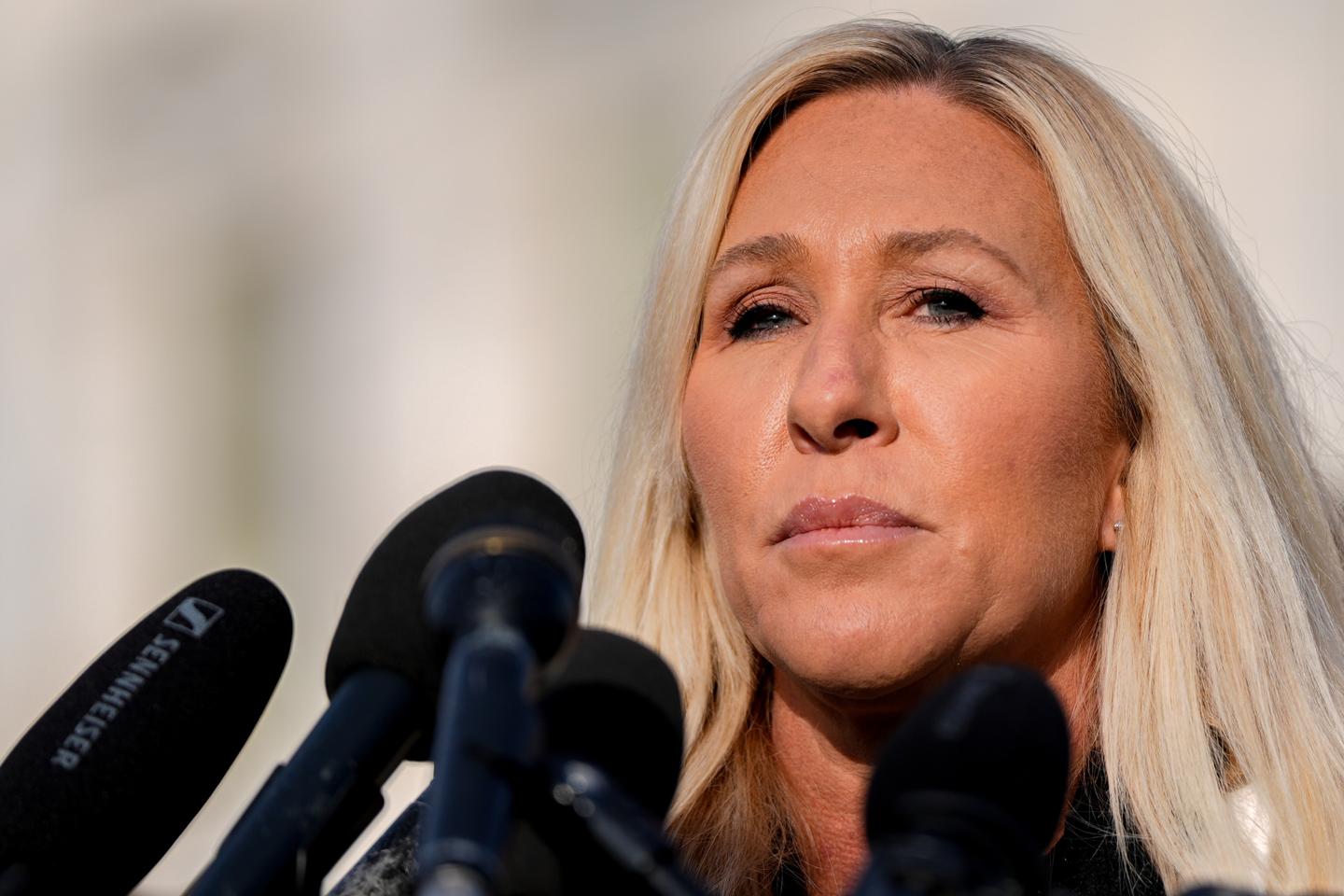
According to the America First Post, General Dan Caine presented two options to Trump on February 18 regarding a military response in Iran: a smaller, limited strike or a larger, more aggressive attack. Initially, Trump favored the limited strike, which was designed to minimize casualties and avoid escalation. However, after JD Vance’s input, Trump allegedly shifted toward the more extensive operation.
General Caine reportedly warned that the larger strike could deplete U.S. munitions, lead to American casualties, and potentially spiral out of control. Despite these warnings, the decision went forward, resulting in significant controversy and criticism.
Greene’s accusations suggest that Vance’s influence was pivotal in this decision, and that Trump’s subsequent distancing from Vance is an attempt to deflect responsibility for the consequences of the strike.
Public Reaction to Marjorie Taylor Greene’s Claims

Greene’s statements quickly drew a mixed response from the public and political commentators. Many criticized her for what they perceived as divisive rhetoric and unfounded accusations. Some accused Greene of undermining the unity of the MAGA movement and questioned her motives.
One commentator wrote, “You called MAGA a ‘lie’ after your grand exit? Trump’s turning promises into action, and Vance is the loyal wingman crushing neocons from within. Real patriots stick around for the fight – you bailed.” Others went further, labeling Greene an “absolute disappointment” and suggesting that Vance’s political future remains strong despite Greene’s claims.
Conversely, some supporters of Greene’s viewpoint argued that her post shed light on hidden power struggles within the Republican Party. One user commented that Greene’s revelations offered “insight into who’s really running the country,” suggesting that Trump’s public persona might mask more complex internal conflicts.
Another expressed concern about the military decisions linked to the Iran strike, highlighting statements from Senator Marco Rubio about the necessity of preemptive action to minimize casualties and questioning the influence of foreign allies like Israel on U.S. military strategy.
What This Means for the Future of JD Vance and Trump’s Influence

The feud between Greene and Vance, coupled with Greene’s allegations about Trump’s feelings toward Vance, raises important questions about the future leadership of the Republican Party. JD Vance, a rising figure with a strong base of support, appears to be positioning himself as a key player in upcoming elections. Greene’s claims suggest that Trump may view Vance as a rival or threat to his own political legacy.
If true, this dynamic could lead to further factionalism within the party, complicating efforts to present a united front in future elections. It also highlights the ongoing tension between different ideological wings of the GOP, including the populist MAGA faction and more traditional conservative elements.
For voters and political observers, understanding these internal conflicts is crucial for anticipating how the party will evolve and which candidates will emerge as frontrunners in the coming years.
Conclusion
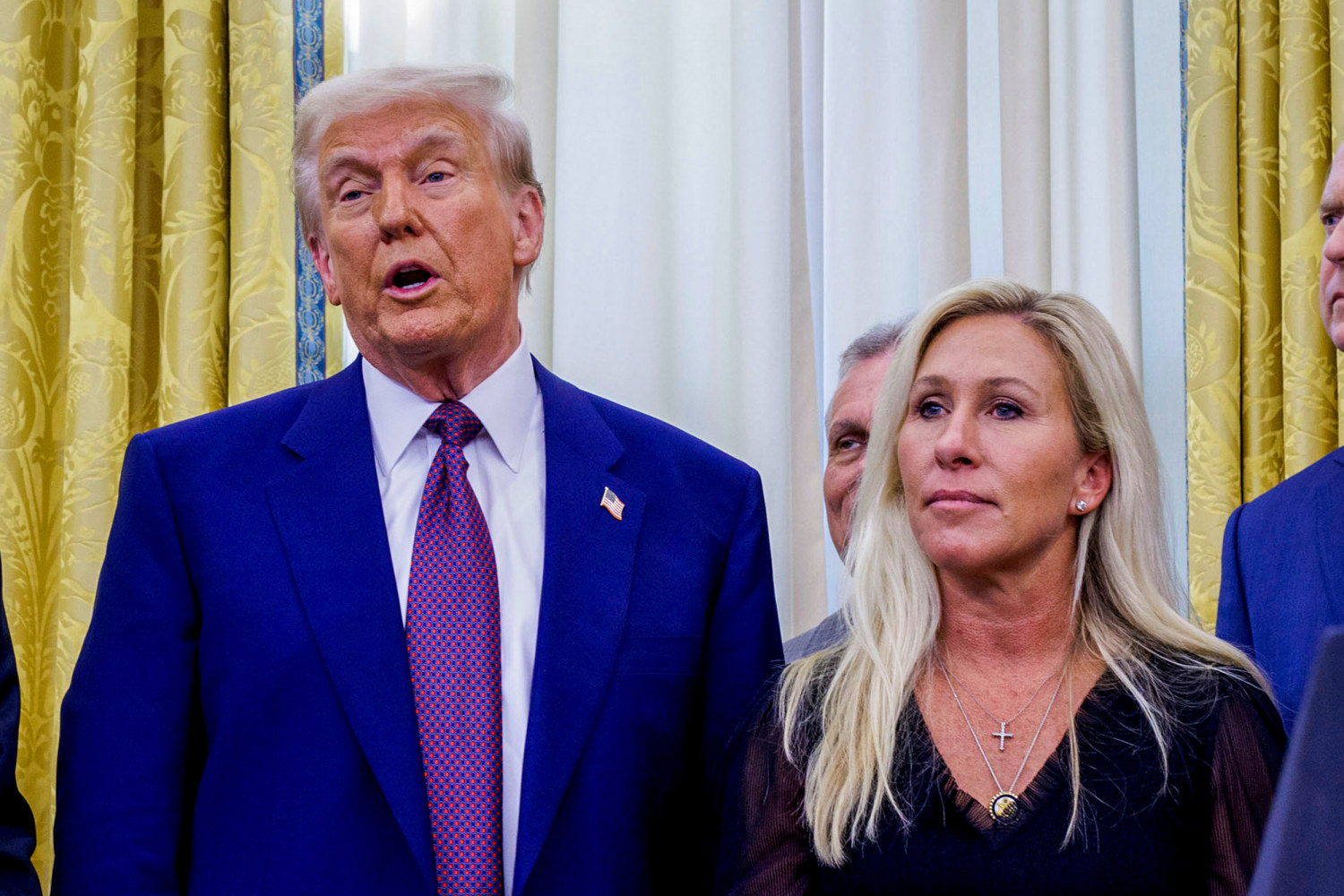
Marjorie Taylor Greene’s bold claim that Donald Trump “hates” JD Vance and “doesn’t want him to be president” has ignited a firestorm of debate and speculation. Whether these allegations reflect genuine internal discord or political maneuvering, they underscore the complex and often contentious nature of contemporary American politics. As the situation develops, it will be important to watch how Trump, Vance, and other key figures navigate these challenges.
If you want to stay informed about the latest political developments and gain deeper insights into the power struggles shaping America’s future, be sure to follow our updates and share your thoughts. Your voice matters in this ongoing conversation!


