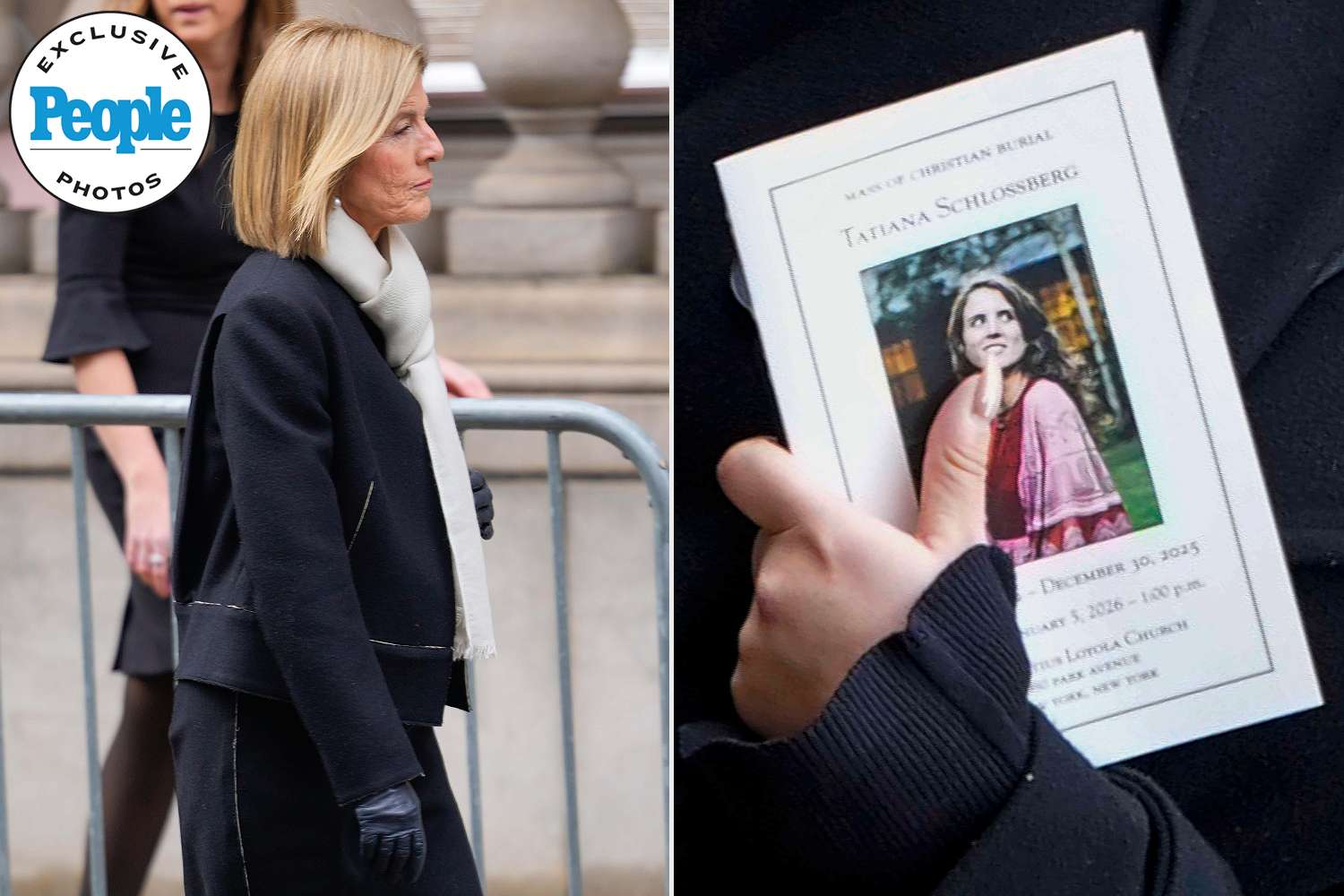
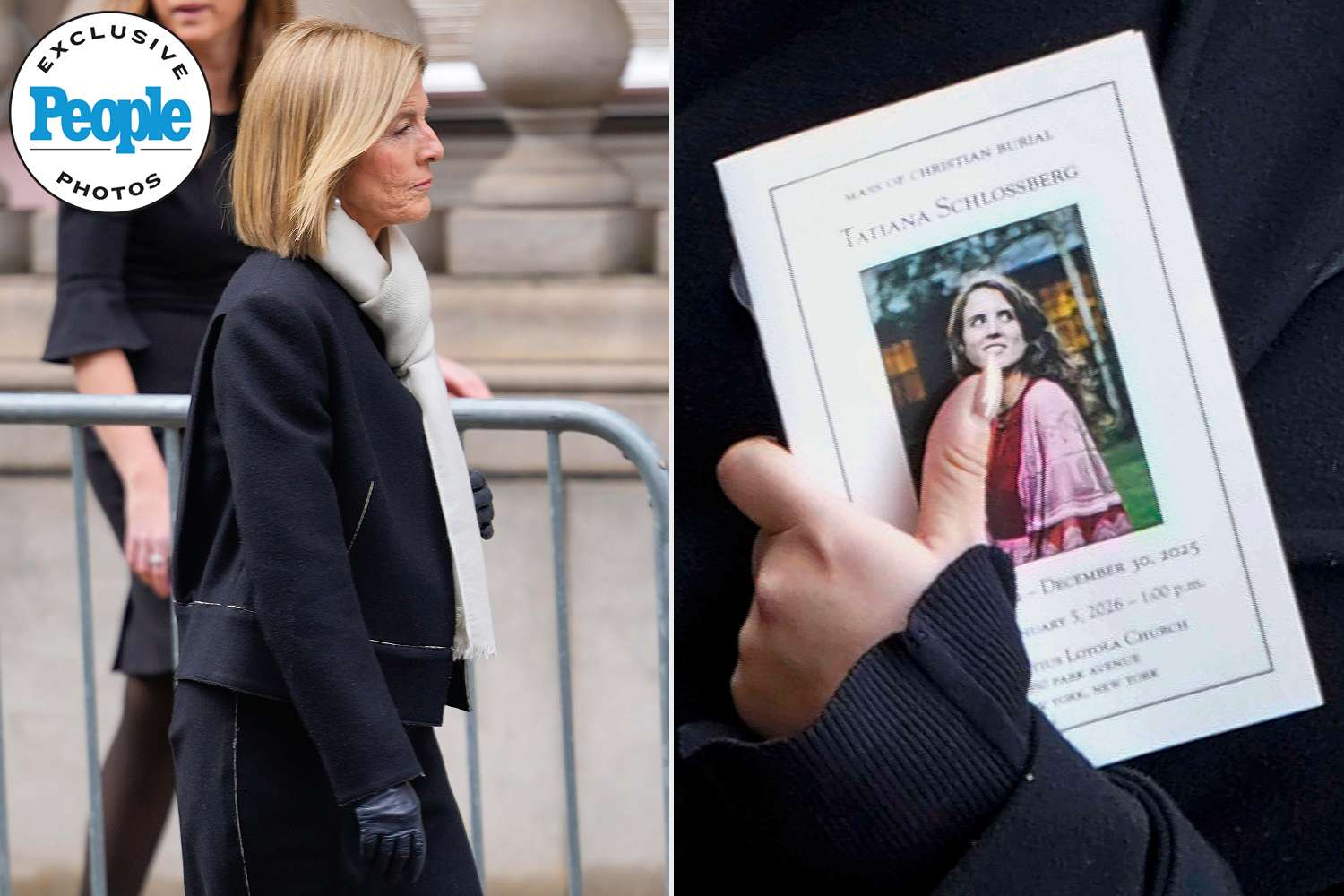
RFK Jr. Is Absent at Tatiana Schlossberg’s N.Y.C. Funeral, Announcing Scaled-Back Child Vaccine Requirements While Family Mourns
RFK Jr.’s Absence at Tatiana Schlossberg’s Funeral and the New Vaccine Policy Announcement
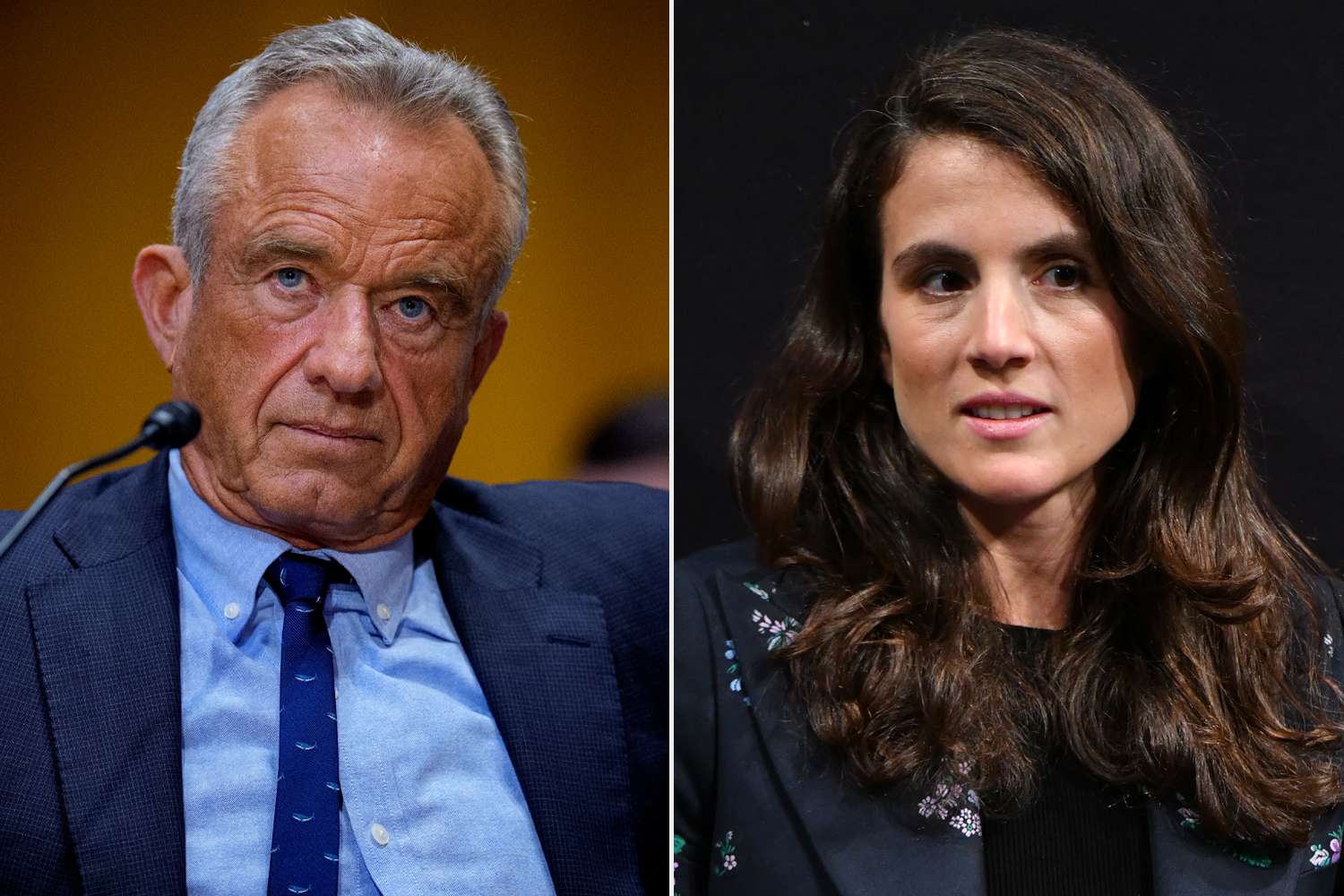
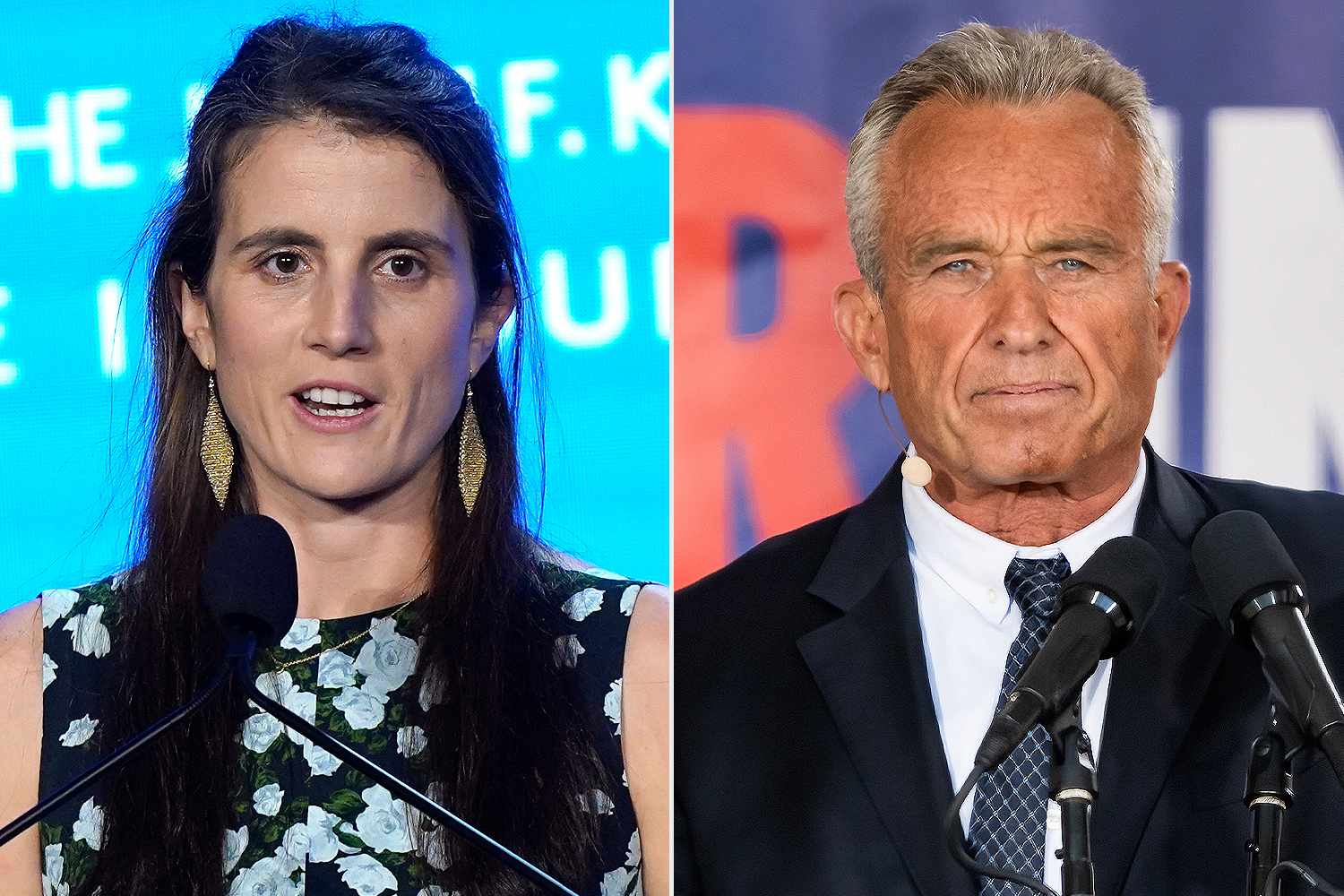
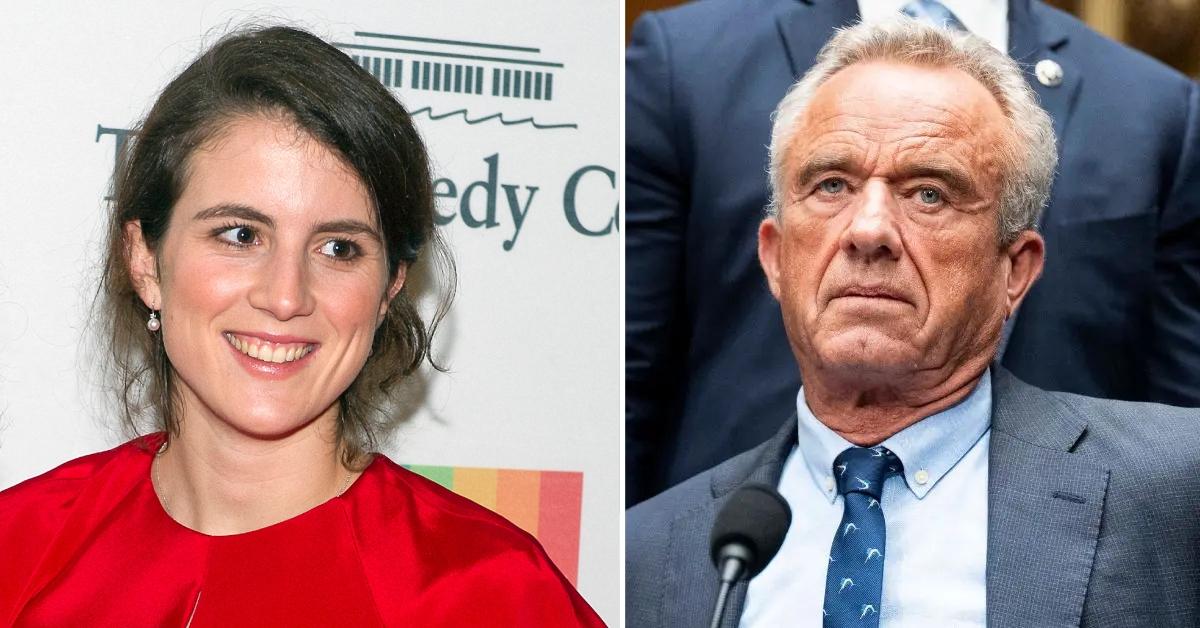
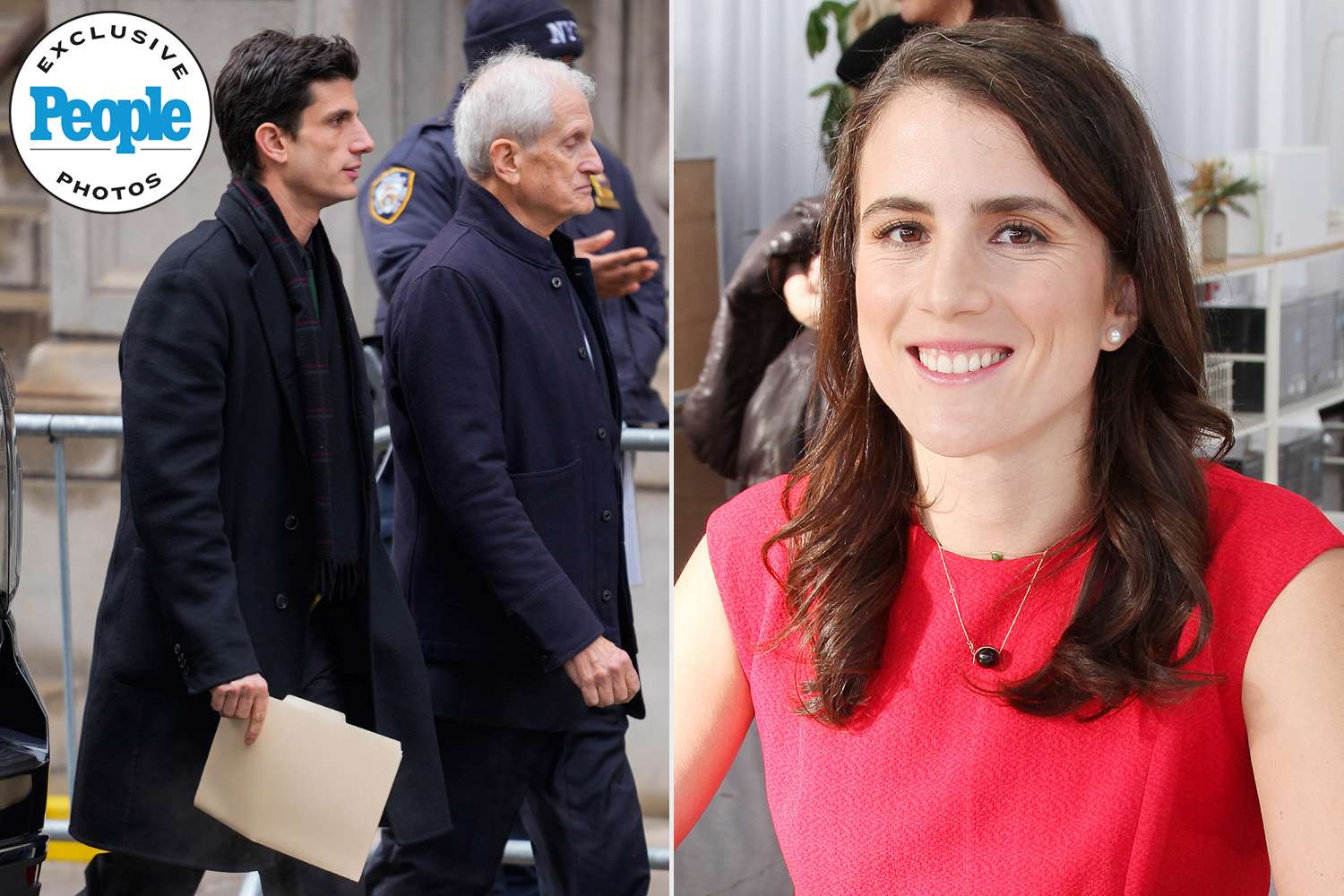
On January 5, 2026, the Kennedy family gathered in New York City to mourn the loss of Tatiana Schlossberg, a beloved environmental journalist and granddaughter of former President John F. Kennedy. Schlossberg tragically passed away at the age of 35 after a battle with acute myeloid leukemia. The funeral, held at The Church of St. Ignatius Loyola on the Upper East Side, was attended by many family members and notable public figures. However, Robert F. Kennedy Jr., the U.S. Secretary of Health and Human Services (HHS), was conspicuously absent.
Instead of attending the solemn service, RFK Jr. chose to focus on his role as HHS secretary by announcing a major revision to the nation’s child vaccine requirements. On the same day as the funeral, the Centers for Disease Control and Prevention (CDC) released an updated immunization schedule that significantly reduced the number of mandatory vaccines for children, marking a notable shift in public health policy.
The New Child Vaccine Requirements: What Has Changed?
The CDC’s revised immunization schedule cuts down the number of required vaccines from 17 to 11. This change reflects a strategic move to align the United States’ vaccine policies more closely with those of other developed countries such as Denmark, Germany, and Japan. According to a CDC press release, President Donald Trump directed RFK Jr. to review international vaccine protocols and implement changes where other nations demonstrated better child health outcomes.
The updated schedule maintains mandatory vaccinations against critical diseases including diphtheria, tetanus, whooping cough, Hib, pneumococcal disease, polio, measles, mumps, rubella, HPV, and chickenpox. However, vaccines for respiratory syncytial virus (RSV), hepatitis A and B, dengue, and meningococcal diseases will now be recommended only for high-risk groups. Additionally, vaccinations for rotavirus, COVID-19, influenza, and other diseases will require parental consultation with healthcare providers rather than being universally mandated.
This scaled-back approach has generated significant discussion among healthcare professionals, parents, and policymakers, reflecting the ongoing debate about vaccine safety, efficacy, and public health priorities.
Family Reactions and the Legacy of Tatiana Schlossberg
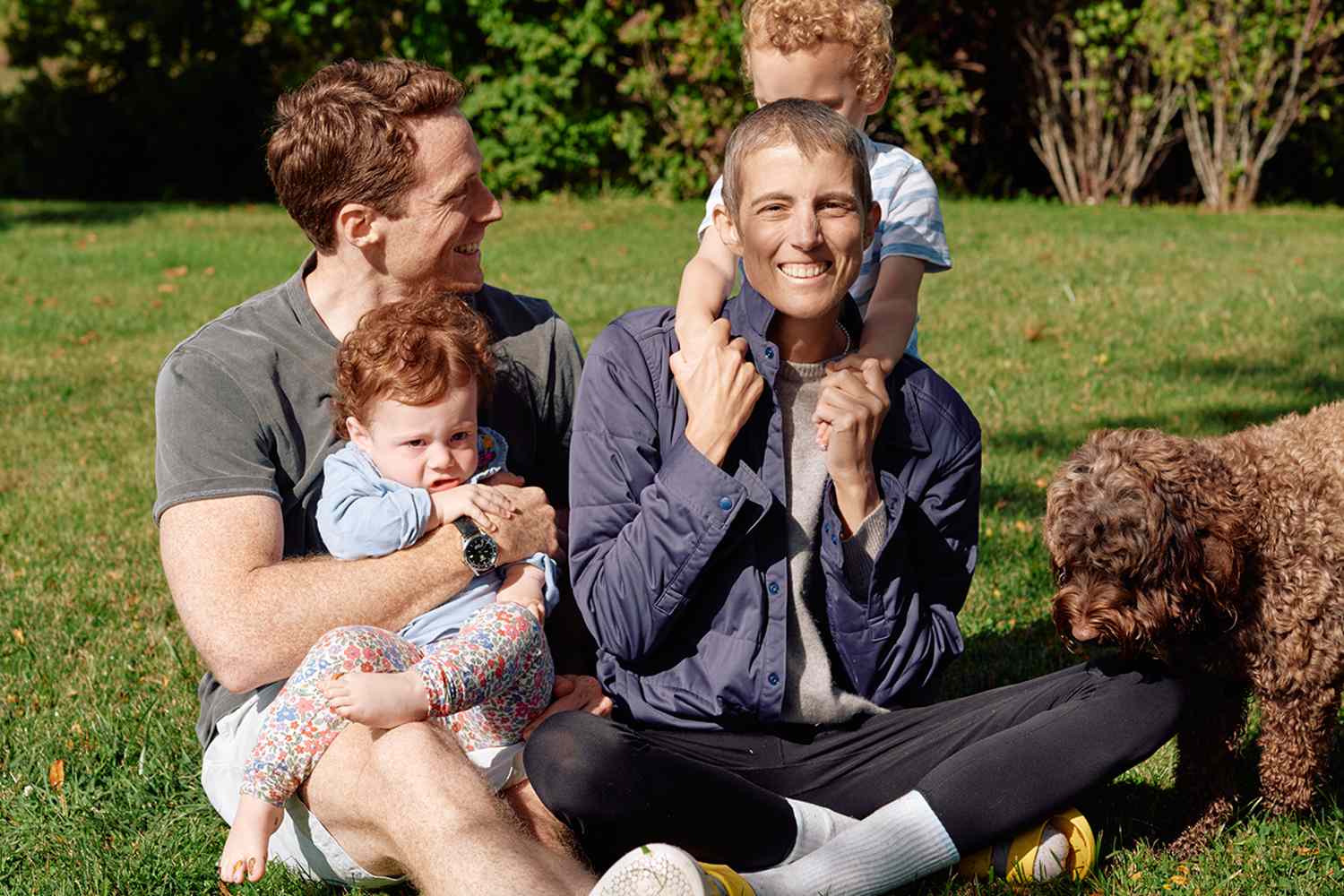
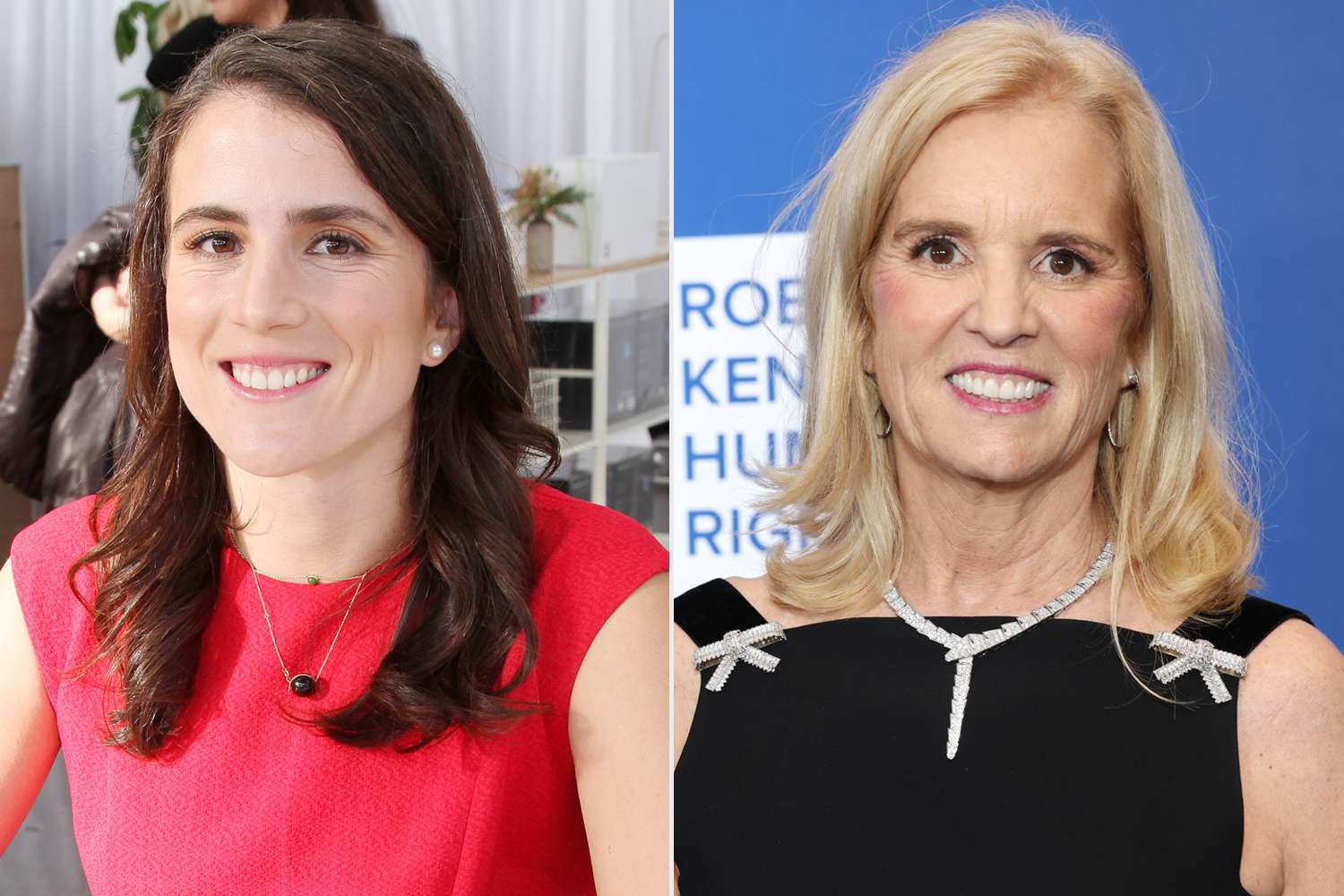
Tatiana Schlossberg’s passing has deeply affected the Kennedy family and the wider community. Known for her environmental advocacy and poignant writing, Schlossberg had openly criticized RFK Jr.’s vaccine skepticism and his impact on the healthcare system in a heartfelt essay published in The New Yorker shortly before her death.
In her essay, Schlossberg described the strain she observed in the healthcare system following her cousin’s appointment as HHS secretary. She expressed concern about vaccine safety and the potential consequences for immunocompromised individuals like herself, highlighting the tension between her personal experience and RFK Jr.’s controversial health policies.
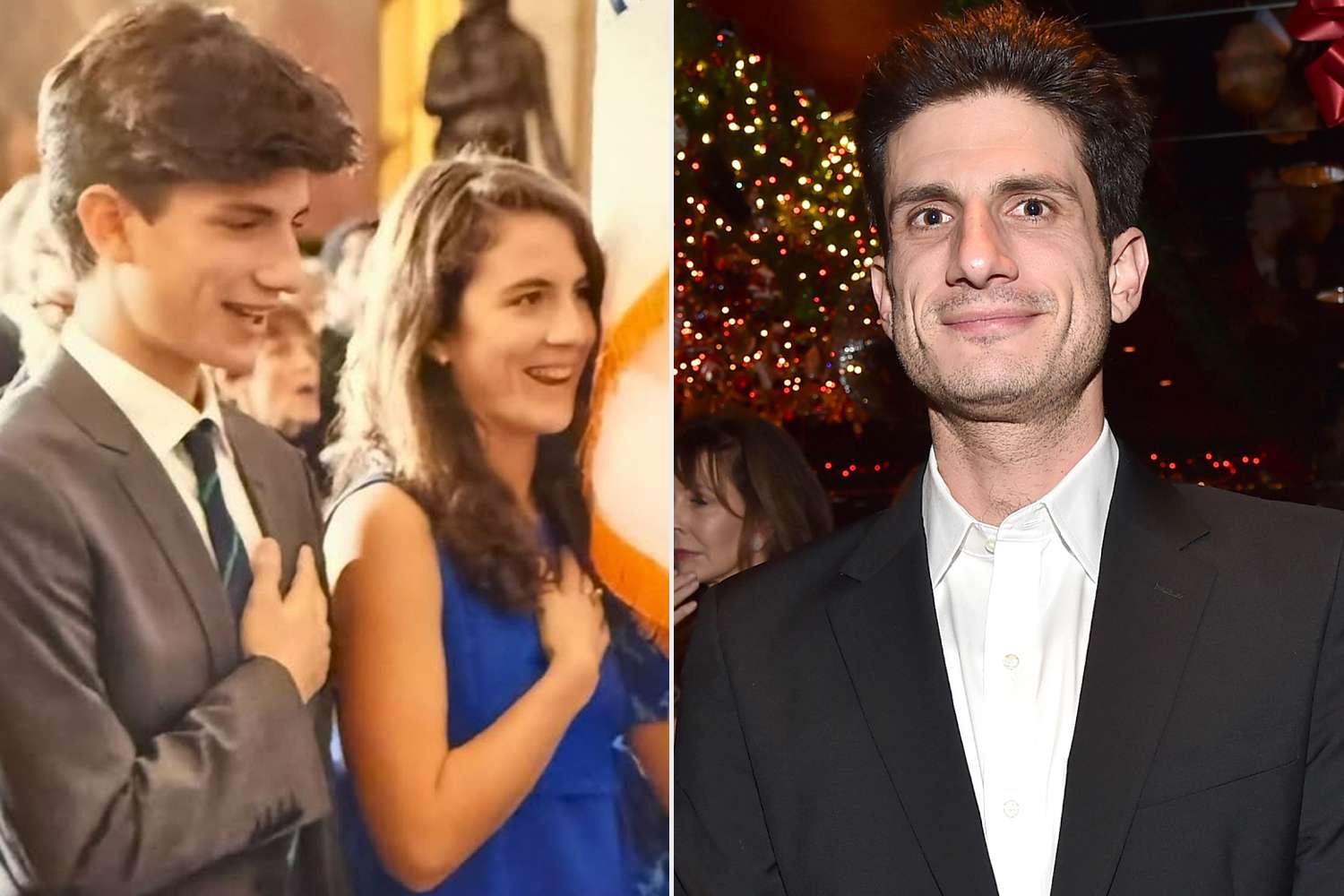
Despite RFK Jr.’s absence, many family members, including Tatiana’s parents Caroline Kennedy and Edwin Schlossberg, her siblings Rose and Jack, and her husband George Moran, attended the funeral. The service was also graced by prominent figures such as former President Joe Biden, John Kerry, and David Letterman, underscoring the significance of Schlossberg’s life and legacy.
Public and Political Implications of RFK Jr.’s Actions
RFK Jr.’s decision to announce the new vaccine guidelines on the day of Schlossberg’s funeral drew mixed reactions. His office released a promotional video highlighting his “Make America Healthy Again” (MAHA) agenda, featuring stylized visuals and endorsements from former President Trump. The timing and tone of the announcement were seen by some as insensitive given the family’s mourning.
From a policy perspective, the reduction in mandatory vaccines represents a substantial shift in U.S. public health strategy. Advocates argue that tailoring vaccine recommendations to risk groups could reduce vaccine hesitancy and improve public trust. Critics, however, warn that scaling back immunization requirements might increase vulnerability to preventable diseases, especially among children and immunocompromised populations.
The debate surrounding RFK Jr.’s vaccine policies continues to be a focal point in discussions about balancing individual choice with community health responsibilities.
Conclusion
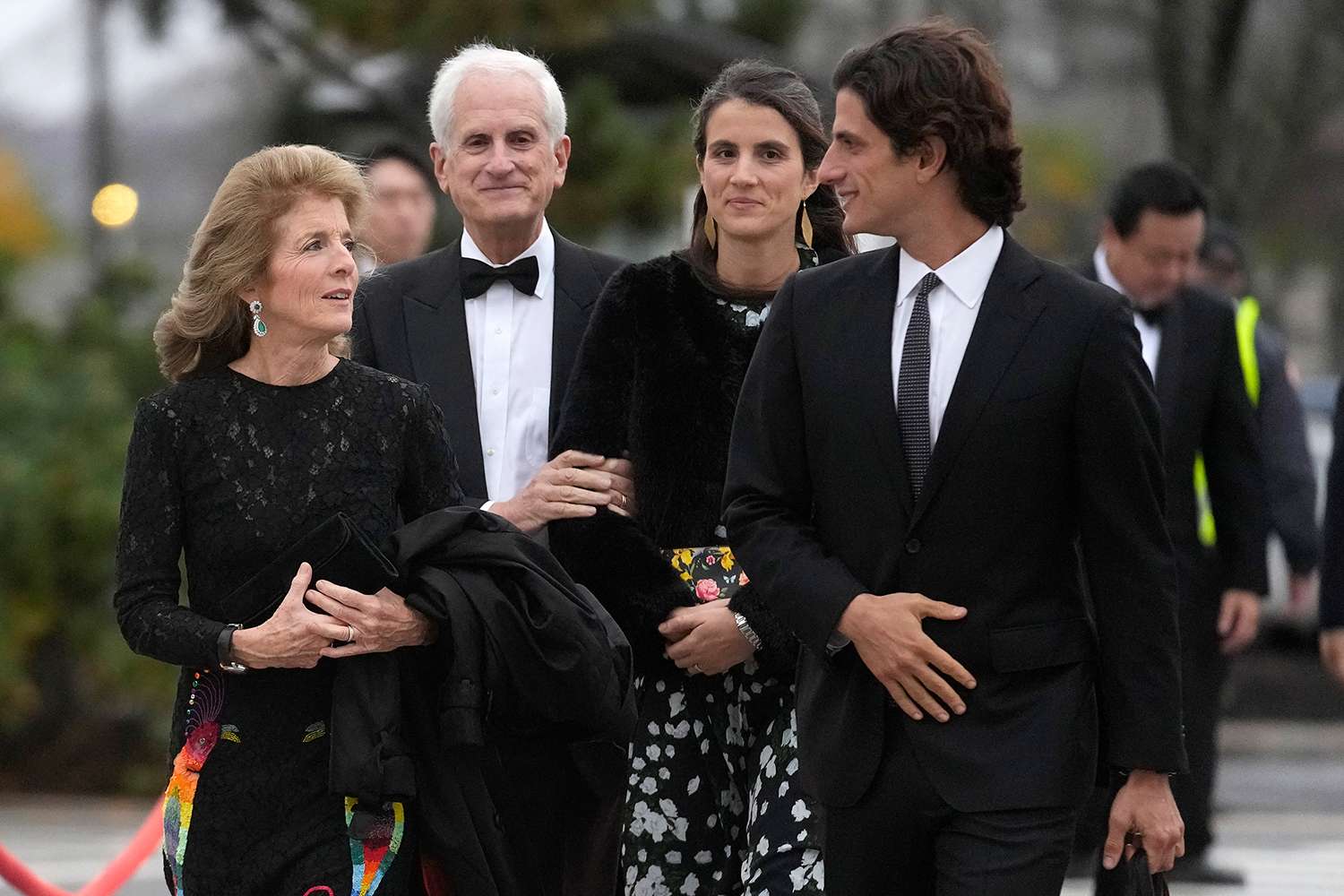
The juxtaposition of Robert F. Kennedy Jr.’s absence at Tatiana Schlossberg’s funeral with his announcement of scaled-back child vaccine requirements highlights the complex intersection of family, public health, and politics. As the Kennedy family mourns a cherished member, the nation grapples with evolving vaccine policies that could reshape childhood immunization practices.
Stay informed about the latest developments in public health and family news by subscribing to our newsletter. Understanding these changes is crucial for parents, healthcare providers, and anyone invested in the future of child health in America.