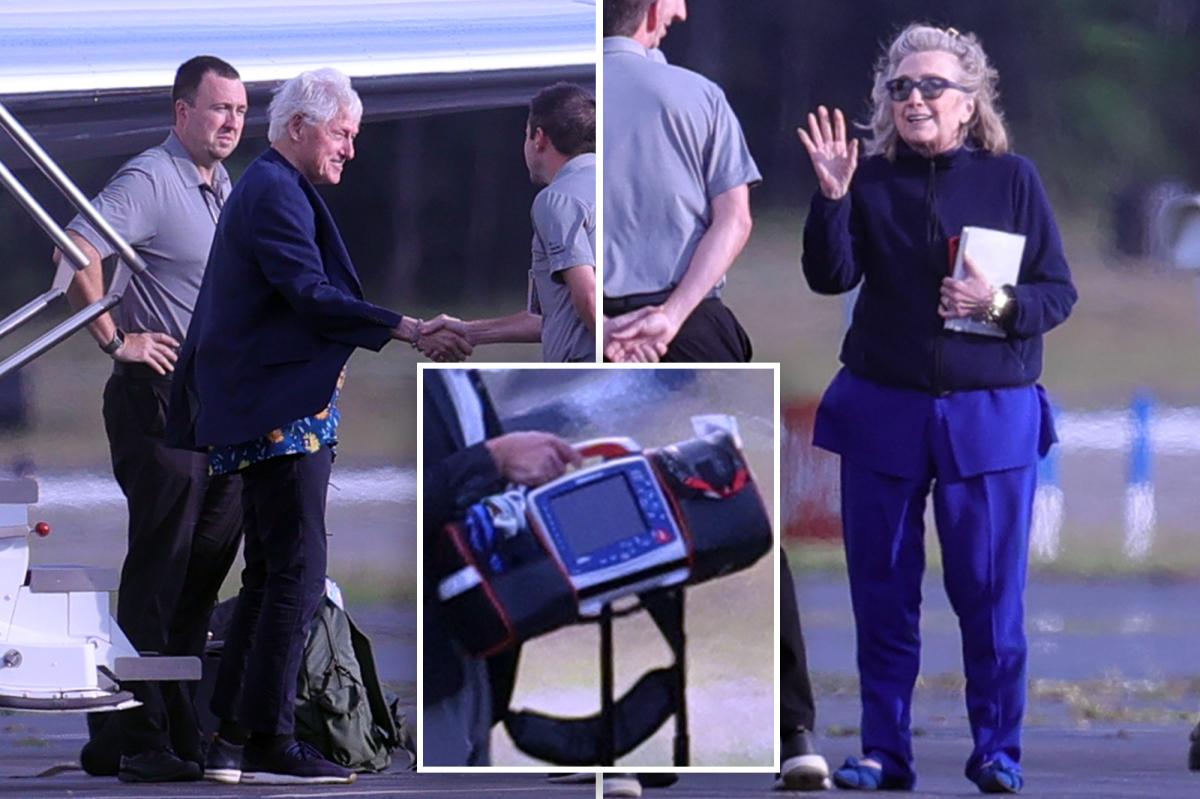
Bill Clinton Seen with Defibrillator at Hamptons Airport Sparking Public Concern; Here’s What It Reveals About His Heart Health and Lifestyle Choices
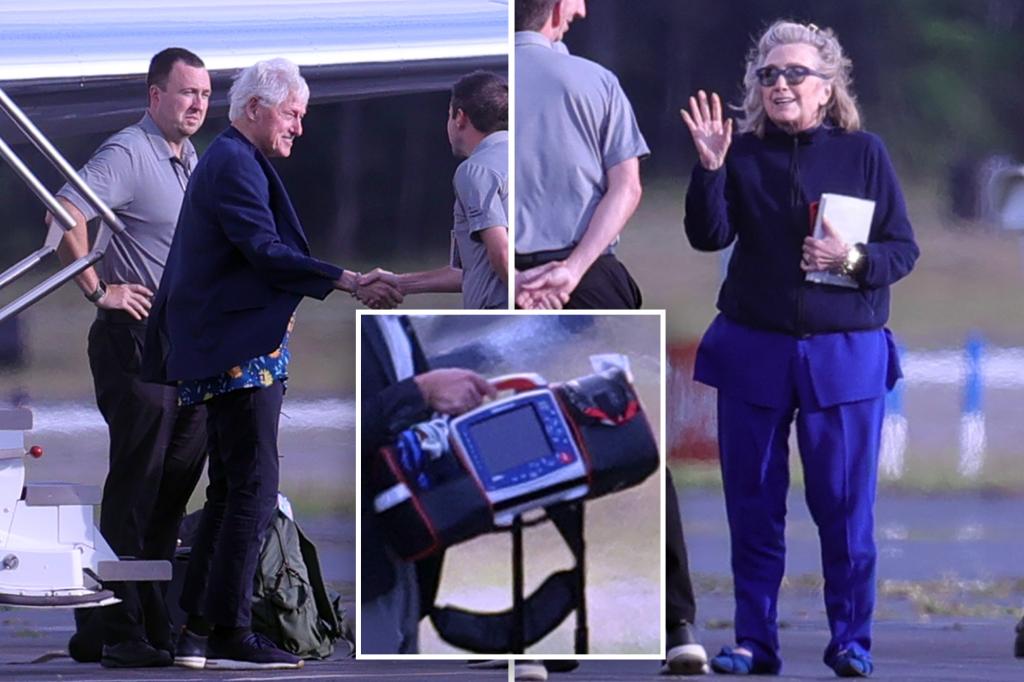
Former President Bill Clinton was recently observed wearing a defibrillator device at the Hamptons airport, prompting widespread public curiosity and concern regarding his heart health. This sighting has reignited discussions about cardiovascular disease, the importance of medical devices like defibrillators, and how lifestyle choices can influence heart health. In this article, we delve into what the presence of a defibrillator reveals about Clinton’s condition and what lessons can be drawn for maintaining a healthy heart.
Understanding the Significance of Bill Clinton’s Defibrillator

The defibrillator spotted on Bill Clinton is likely an implantable cardioverter-defibrillator (ICD), a device designed to monitor heart rhythms and deliver shocks if dangerous arrhythmias occur. This technology is vital for patients with a history of serious heart conditions, such as arrhythmias or previous heart attacks, to prevent sudden cardiac arrest.
Bill Clinton’s use of an ICD indicates that he has experienced significant cardiovascular issues in the past. Indeed, Clinton underwent heart bypass surgery in 2004 and later had a stent placed in 2010. His heart health has been a matter of public record, and the defibrillator is a proactive measure to manage ongoing risks.
The presence of this device underscores the importance of advanced medical interventions in managing chronic heart conditions. It also highlights the necessity for patients to adhere to medical advice and maintain regular check-ups to monitor their heart health effectively.
Bill Clinton’s Heart Health Journey and Lifestyle Choices
Bill Clinton’s heart health journey has been marked by several critical events and lifestyle changes. After his initial heart surgery, Clinton adopted a predominantly plant-based diet, which he credits with improving his cardiovascular health. This dietary shift is significant because plant-based diets are known to reduce cholesterol levels, lower blood pressure, and decrease the risk of heart disease.
Despite these positive changes, the need for a defibrillator suggests that Clinton’s heart condition remains serious and requires continuous management. It serves as a reminder that while lifestyle modifications can greatly improve heart health, some patients may still need medical devices and interventions to manage their conditions effectively.
Clinton’s experience also brings attention to the role of stress management, regular exercise, and medication adherence in maintaining heart health. His public advocacy for healthy living and awareness about heart disease has helped educate many about the importance of proactive health management.
What the Public Can Learn from Bill Clinton’s Heart Health Experience

Bill Clinton’s visible use of a defibrillator offers valuable insights for the public regarding heart disease management. First, it emphasizes that heart disease can affect anyone, regardless of status or wealth, and that ongoing care is crucial.
Second, it highlights the importance of early detection and intervention. Devices like ICDs can save lives by preventing fatal arrhythmias, but they are most effective when patients receive timely diagnoses and follow through with treatment plans.
Third, Clinton’s lifestyle changes demonstrate that adopting a heart-healthy diet and lifestyle can make a significant difference. However, it also shows that some heart conditions require a combination of lifestyle changes and medical technology to manage effectively.
Finally, this situation encourages people to be vigilant about their heart health, seek regular medical advice, and not hesitate to use advanced medical devices if recommended by healthcare professionals.
How Implantable Cardioverter-Defibrillators Work

An implantable cardioverter-defibrillator is a small device placed under the skin, usually near the collarbone, connected to the heart with leads. It continuously monitors the heart’s rhythm and can detect irregularities such as ventricular tachycardia or fibrillation. When such dangerous rhythms are detected, the ICD delivers an electric shock to restore normal heartbeat.
ICDs are life-saving devices for patients at high risk of sudden cardiac arrest. They are often recommended for individuals who have survived a previous cardiac arrest or have certain heart conditions that predispose them to dangerous arrhythmias.
The device’s presence on Bill Clinton signifies that his medical team is actively managing his risk of sudden cardiac events, allowing him to maintain an active lifestyle with greater peace of mind.
Conclusion

Bill Clinton’s recent appearance with a defibrillator at Hamptons airport sheds light on the realities of living with heart disease and the critical role of medical devices in managing serious cardiovascular conditions. His journey underscores the importance of combining lifestyle changes with advanced medical care to maintain heart health. If you or a loved one are concerned about heart health, consult your healthcare provider about preventive measures and the potential benefits of devices like implantable cardioverter-defibrillators. Taking proactive steps today can make all the difference for a healthier tomorrow.