
Brad Pitt’s Prosopagnosia Explained
Understanding Brad Pitt’s Prosopagnosia

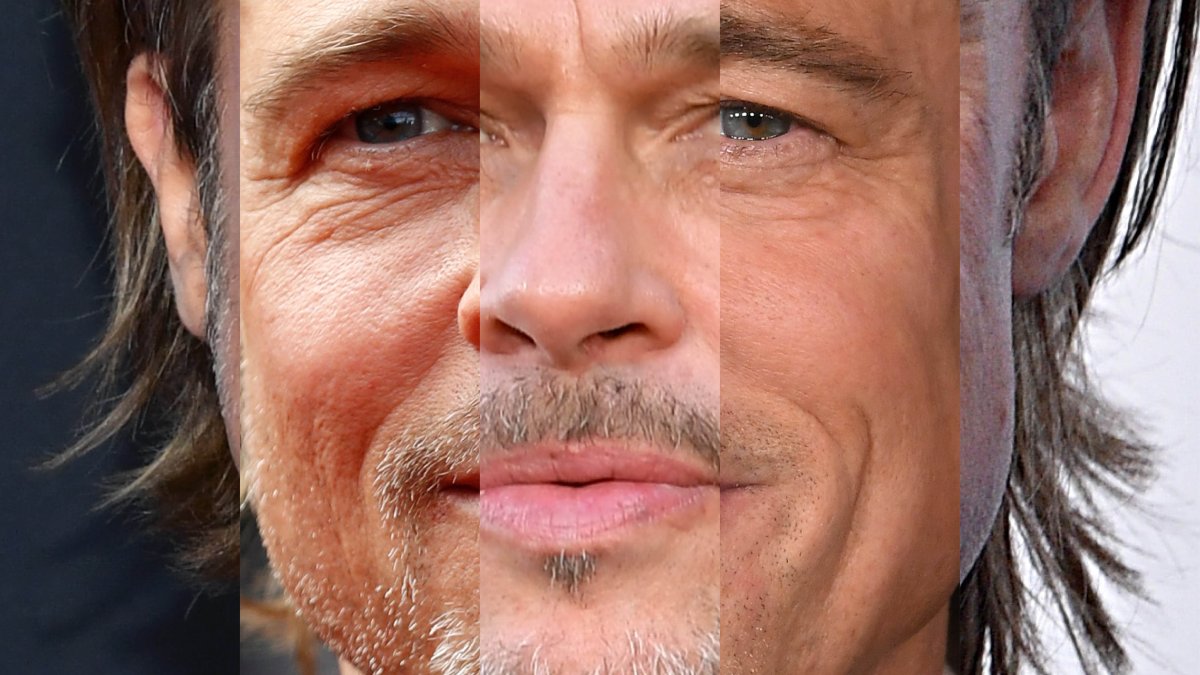
Brad Pitt is one of the most recognizable faces worldwide, yet he has openly shared his struggles with recognizing other people’s faces. This difficulty, which he suspects may be prosopagnosia, sheds light on a neurological condition that affects many but remains relatively unknown to the public. Prosopagnosia, commonly referred to as face blindness, is not a visual impairment but a brain-based disorder that impairs facial recognition. In this article, we explore what prosopagnosia is, its causes, symptoms, diagnosis, and how it impacts individuals like Brad Pitt.
What Is Prosopagnosia?

Prosopagnosia is a neurological disorder characterized by the inability to recognize faces. Unlike forgetting a name or momentarily failing to recall a face, prosopagnosia causes a persistent difficulty in connecting a face with the person’s identity. This condition is a form of agnosia, where the brain fails to process sensory information correctly—in this case, facial features.
The term prosopagnosia comes from the Greek words “prosopon” (face) and “agnosia” (lack of knowledge). It was first identified in 1947 by German neurologist Joachim Bodamer, who observed patients with brain injuries struggling to recognize faces. Since then, research has revealed that prosopagnosia can manifest in various ways, including difficulty recognizing familiar faces, distinguishing new faces, or even recognizing one’s own face.
The Causes Behind Prosopagnosia

Prosopagnosia can be classified into two main types: developmental (congenital) and acquired. Developmental prosopagnosia is present from birth and often runs in families, while acquired prosopagnosia results from brain injury or neurological illness.
The brain region primarily responsible for facial recognition is the fusiform gyrus, located near the temporal and occipital lobes. Abnormalities or damage to this area, especially in the right hemisphere, are linked to prosopagnosia. Acquired prosopagnosia can result from strokes, traumatic brain injuries, tumors, infections, or neurodegenerative diseases like Alzheimer’s.
Brad Pitt has not been formally diagnosed but believes his lifelong difficulty recognizing faces aligns with developmental prosopagnosia. This form is more common than previously thought, with studies suggesting up to 2% of the population may experience some degree of face blindness, often without realizing it.
Signs and Symptoms of Prosopagnosia

Prosopagnosia is more than occasional forgetfulness. People with this condition face daily challenges recognizing friends, family, and even themselves in mirrors or photographs. Common signs include:
– Difficulty recognizing familiar faces, including close relatives.
– Trouble distinguishing between unfamiliar faces.
– Challenges interpreting facial expressions.
– Reliance on non-facial cues such as voice, hairstyle, or clothing to identify people.
– Social anxiety or withdrawal due to embarrassment or misunderstandings.
Brad Pitt has described how his inability to remember faces often leads others to misinterpret his behavior as disrespect or aloofness, causing him emotional distress. This social impact is a significant concern for many with prosopagnosia, affecting relationships and self-confidence.
Diagnosis and Coping Strategies

Diagnosing prosopagnosia involves neurological assessments and specialized tests that evaluate facial recognition abilities. For acquired prosopagnosia, brain imaging can reveal lesions or abnormalities in the fusiform gyrus. Developmental prosopagnosia is harder to detect since brain scans may appear normal, requiring detailed cognitive testing and patient history.
Currently, there is no cure for prosopagnosia, but various coping strategies help individuals manage the condition. These include:
– Using contextual clues such as voice, clothing, or unique physical features.
– Informing friends, family, and colleagues about the condition to foster understanding.
– Developing routines to remember people based on non-facial characteristics.
– Employing technology, like smartphone notes or facial recognition apps.
Brad Pitt reportedly uses such strategies to navigate social situations, though the condition still causes him discomfort and occasional isolation.
Prosopagnosia’s Broader Impact and Related Conditions
Prosopagnosia often coexists with other neurodevelopmental disorders such as autism spectrum disorder (ASD), dyslexia, and attention-deficit/hyperactivity disorder (ADHD). Research indicates that approximately 40% of individuals on the autism spectrum exhibit symptoms of prosopagnosia, highlighting a significant overlap.
The social difficulties caused by prosopagnosia can lead to anxiety, depression, and reduced social engagement. Awareness and understanding of the condition are crucial for improving support and reducing stigma.
Conclusion

Brad Pitt’s openness about his experience with prosopagnosia brings much-needed attention to this often-overlooked neurological condition. Understanding prosopagnosia helps demystify the challenges faced by those who struggle with facial recognition daily. While there is no cure yet, awareness, diagnosis, and coping strategies can significantly improve quality of life.
If you or someone you know experiences difficulty recognizing faces, consider consulting a healthcare professional for evaluation. Early recognition and support can make a meaningful difference. Stay informed and help spread awareness about prosopagnosia to foster empathy and understanding in our communities.