

Bruce Willis’ Family Begins Early Mourning as Dementia Worsens
Understanding Bruce Willis’ Battle with Frontotemporal Dementia

More than three years after Bruce Willis stepped away from his illustrious acting career, the 70-year-old star is confronting a difficult new chapter in his life. Diagnosed initially with aphasia, a language disorder that impairs communication, Willis’ condition has since progressed to frontotemporal dementia (FTD), a devastating neurodegenerative disease that affects behavior, personality, and language. This progression has deeply impacted not only Bruce but also his entire family, who are now grappling with the emotional and practical realities of his illness.
Bruce Willis, renowned for iconic roles in films such as Die Hard and The Sixth Sense, retired from acting in 2022 after his family publicly announced his diagnosis. Since then, his wife Emma Heming Willis has been candid about the challenges they face, shedding light on the profound effects of FTD on their daily lives. The family’s journey highlights the often unseen struggles behind the headlines, offering a poignant look at how dementia reshapes the lives of those it touches.
The Emotional Toll on Bruce Willis’ Family

Emma Heming Willis has openly shared the heartache of watching her husband’s condition deteriorate. The couple’s two young daughters, Mabel and Evelyn, are already experiencing a profound sense of loss as they come to terms with their father’s changing presence. Emma revealed that while the girls are “doing well, all things considered,” they grieve deeply for the father who is increasingly absent from important family milestones.
The emotional strain of dementia extends beyond the immediate family. Bruce’s daughters from his previous marriage to Demi Moore—Rumer, Scout, and Tallulah—have also been vocal about their love and support. Rumer Willis has expressed the bittersweet reality of her father sometimes not recognizing her, yet she remains confident that he can still feel the love surrounding him.
In interviews, Emma has emphasized the importance of acknowledging the grief that comes with dementia. It’s not just a physical decline but an emotional journey that reshapes family dynamics and forces loved ones to adapt to a new normal. Their story resonates with many caregivers and families worldwide who face similar battles with neurodegenerative diseases.
Care Decisions and Creating a Supportive Environment
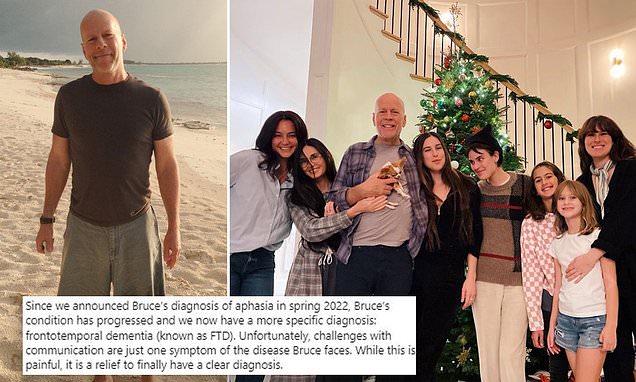
As Bruce Willis’ dementia has worsened, the family made the difficult decision to move him out of their main home into a separate residence equipped with 24-hour care. Emma explained that this choice was made to ensure both Bruce’s safety and the well-being of their daughters. The new living arrangement provides Bruce with specialized support tailored to his needs, while allowing the children to grow up in a calmer, more stable environment.
This decision sparked public debate, but Emma firmly stood by it, emphasizing that Bruce receives “the best care 100% of the time.” She highlighted the delicate balance families must strike between caregiving and maintaining a nurturing home life for children. The move underscores the complexities involved in managing progressive dementia, where care requirements can change rapidly and demand constant attention.
The family’s approach reflects a broader understanding of FTD’s impact—not just on the individual diagnosed but on the entire household. It also brings attention to the importance of specialized care facilities and support networks for families affected by dementia.
Raising Awareness and Advocating for Dementia Care

Beyond managing the day-to-day challenges, Emma Heming Willis has become a passionate advocate for greater awareness of frontotemporal dementia. By sharing their personal story, she hopes to shed light on a disease that remains less understood compared to other forms of dementia like Alzheimer’s.
FTD affects thousands of families worldwide, often striking at a younger age and progressing rapidly. Emma’s openness about Bruce’s condition helps educate the public about the symptoms, progression, and emotional toll of this disease. Her advocacy also calls for improved resources, research, and support for patients and caregivers alike.
The Willis family’s experience is a powerful reminder of the resilience and love that underpin caregiving. Despite the hardships, moments of connection and joy still emerge, offering hope amid the challenges. Their journey encourages others facing similar struggles to seek support and to cherish the precious time spent with loved ones.
What Frontotemporal Dementia Means for Families
Frontotemporal dementia is a complex and aggressive form of dementia that primarily affects the frontal and temporal lobes of the brain. These areas are responsible for personality, behavior, and language—functions that are crucial for daily interactions and relationships. As the disease progresses, patients may experience significant changes in mood, communication difficulties, and loss of social inhibitions.
For families, this means adapting to a loved one who may seem like a different person over time. The emotional impact can be profound, as caregivers witness the gradual erosion of the traits that once defined their family member. The Willis family’s story illustrates these challenges vividly, highlighting the need for compassion, patience, and professional care.
Support groups, counseling, and educational resources are vital tools for families navigating FTD. Understanding the disease and connecting with others who share similar experiences can provide comfort and practical guidance during difficult times.
Conclusion

Bruce Willis’ family’s early mourning as his frontotemporal dementia worsens is a touching and powerful reminder of the realities faced by many families affected by neurodegenerative diseases. Their story sheds light on the emotional struggles, difficult care decisions, and the importance of advocacy for better dementia awareness and support. If you or a loved one are dealing with dementia, remember that you are not alone—seek out resources, connect with support networks, and cherish every moment with your family. For more information on dementia care and support, visit trusted health organizations and consider reaching out to local caregiver groups today.