‘Fighting for his life’ – Fans express concern for ESPN broadcaster’s health after the NFL schedules a doubleheader with a late start
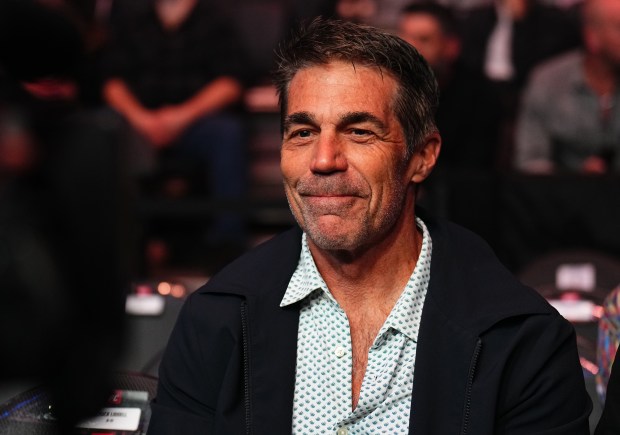
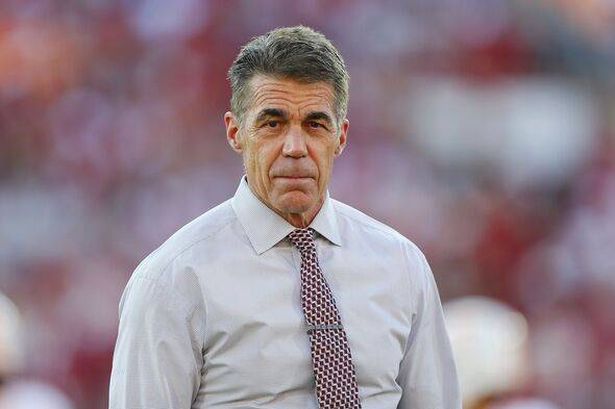
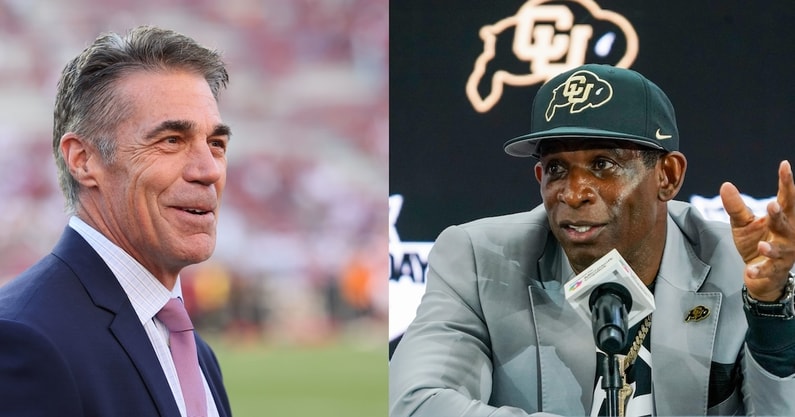
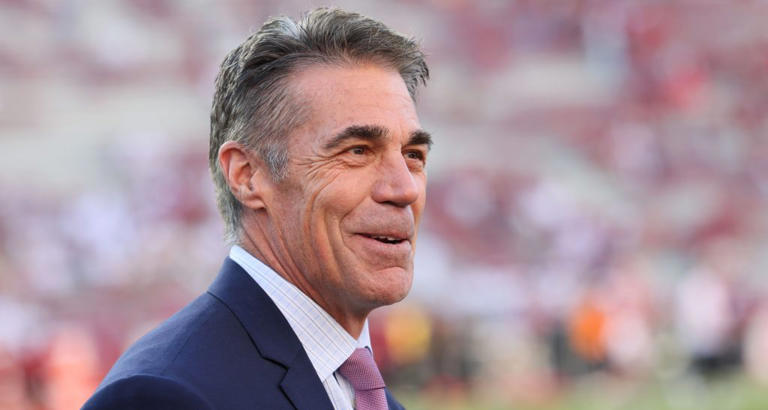
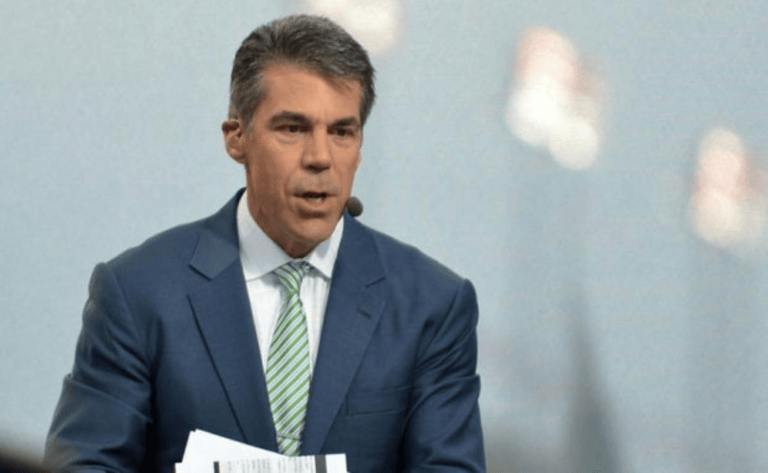
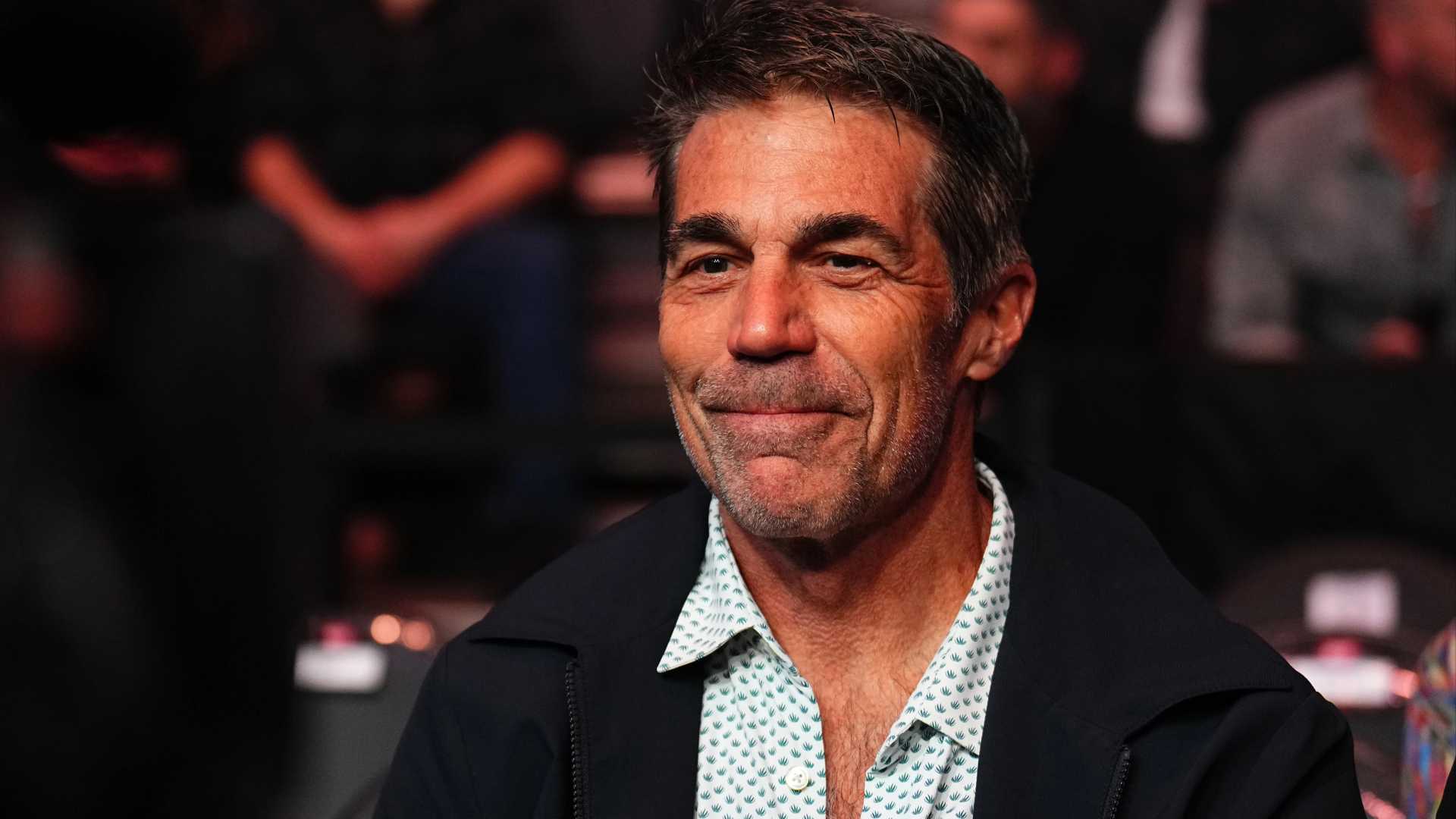
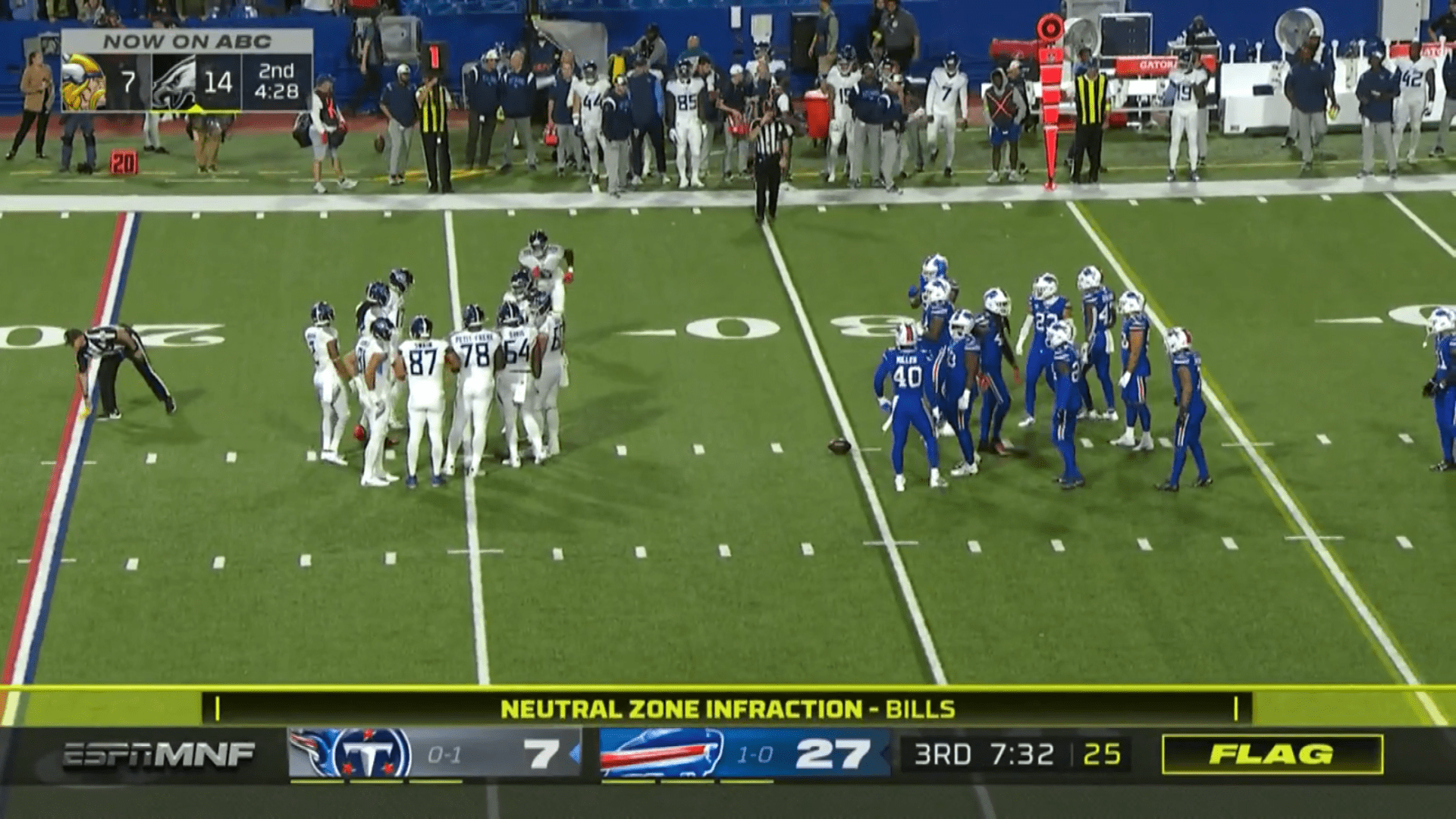
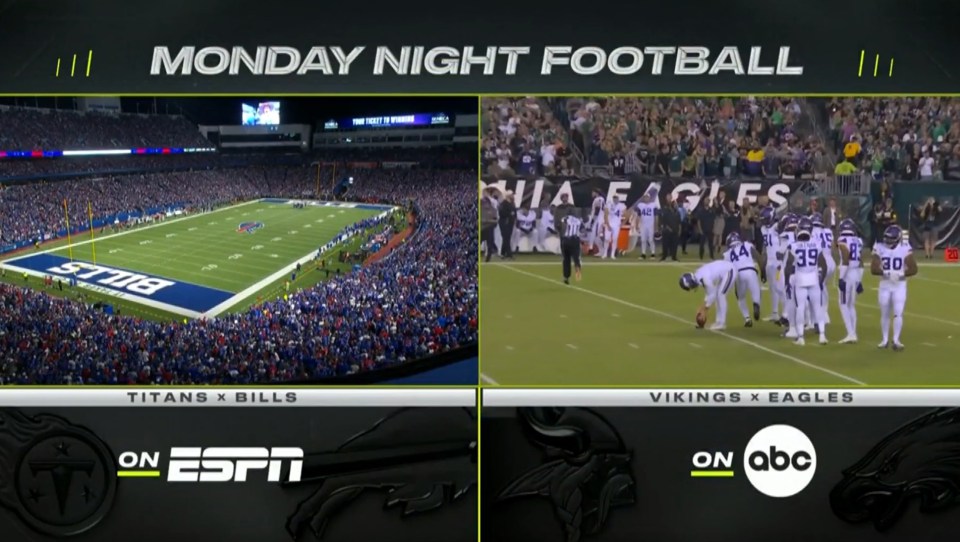
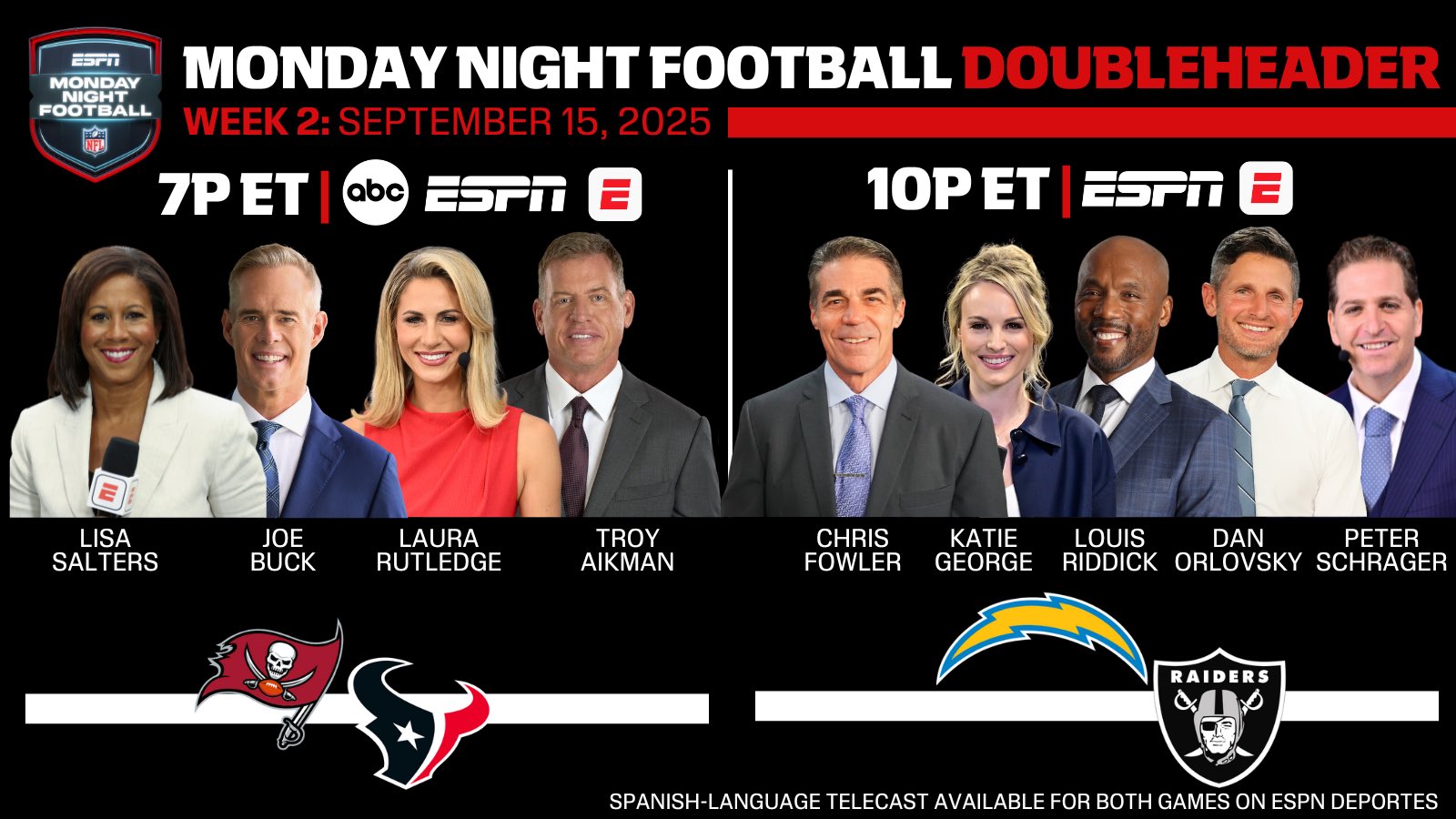
On September 16, 2025, the NFL introduced an exciting twist to its scheduling with its first-ever Monday Night Football doubleheader. Featuring thrilling matchups such as the Tampa Bay Buccaneers versus the Houston Texans, followed by the Los Angeles Chargers taking on the Las Vegas Raiders, the event captivated viewers. Yet, amidst the captivating action on the field, it was ESPN broadcaster Chris Fowler’s health that sparked widespread concern among fans.
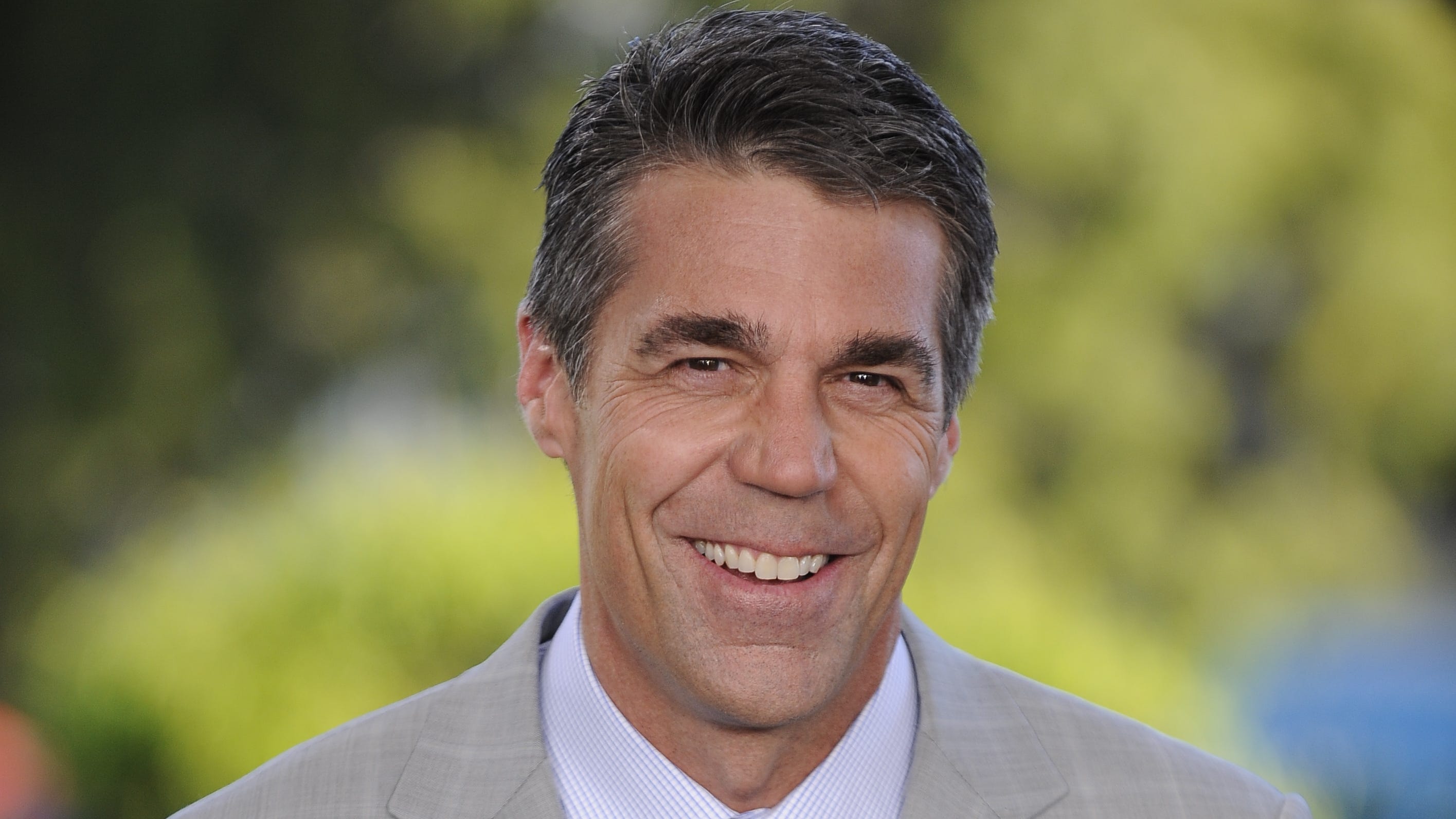
Fowler, accustomed to the demanding pace of calling high-stakes events like the U.S. Open, seemed visually and audibly fatigued during the broadcast. His typically powerful voice was noticeably weakened over the course of the games, causing viewers to express their worries across social media platforms like X (formerly Twitter). Comments poured in, pointing out the notable strain in his voice and raising questions about whether he needed a break or sufficient rest to recuperate. This alarming situation pushed fans to speculate about his well-being and the rigorous demands placed on sports broadcasters.
The Unique Challenges of Dual Broadcasts
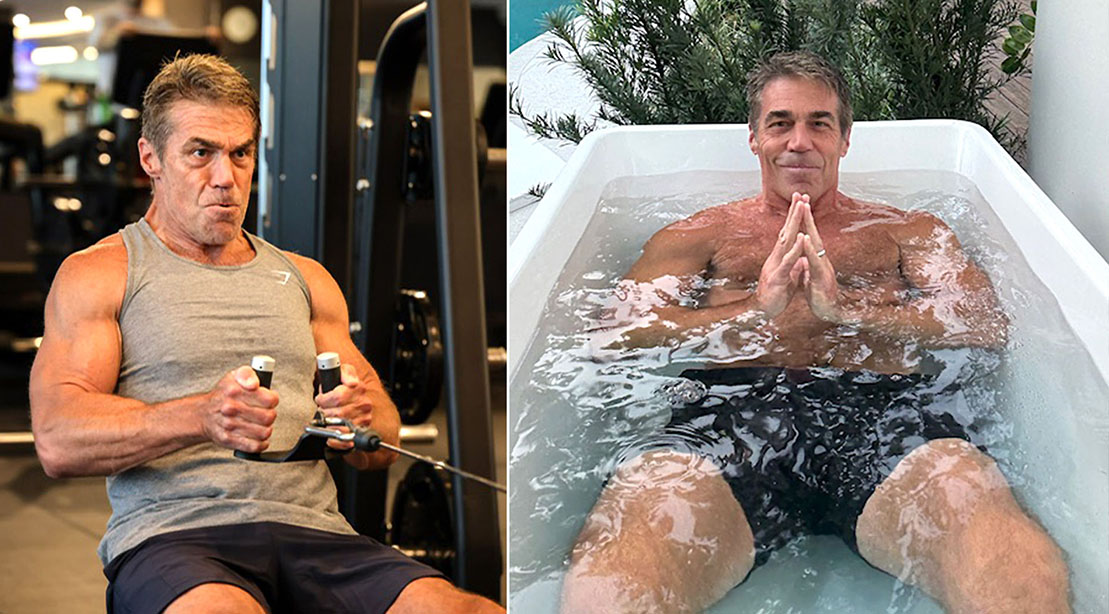
The decision to hold a late-night doubleheader brought its own set of challenges. The NFL scheduled the second game to kick off at 10 PM ET, leading to mixed reactions from fans who felt that the timing was unfavorable for many of them. Supporters of various teams took to social media, voicing frustrations over the inconvenience of staying up late for a football game, drawing comparisons to college games that often begin at similar ungodly hours. This led to a broader discussion about the implications such scheduling has on both broadcasters and viewers.
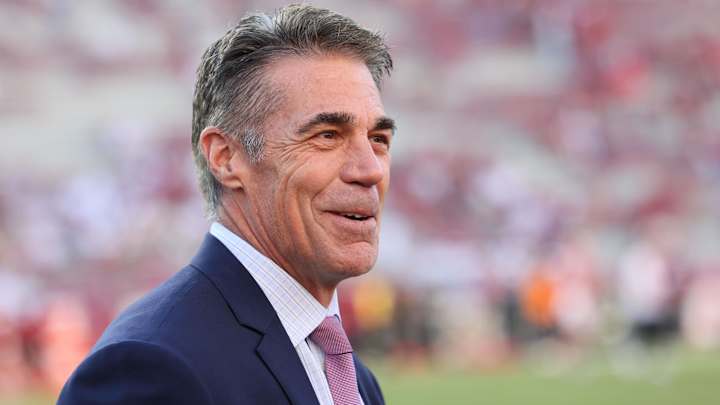
Fowler’s appearance during this event raised questions not just about his health but also the suitability of late-night broadcasts. Commentators highlighted that this season marked the end of ESPN’s Monday Night Football doubleheaders, further emphasizing the peculiarity of the time slots assigned to these high-profile games, particularly for viewers on the East Coast. As audiences became restless with the ongoing schedule, the juxtaposition of Fowler’s visible fatigue and the late start time made for a particularly poignant commentary on the challenges faced by those in sports broadcasting.
The Impact on Viewers and Broadcasters Alike
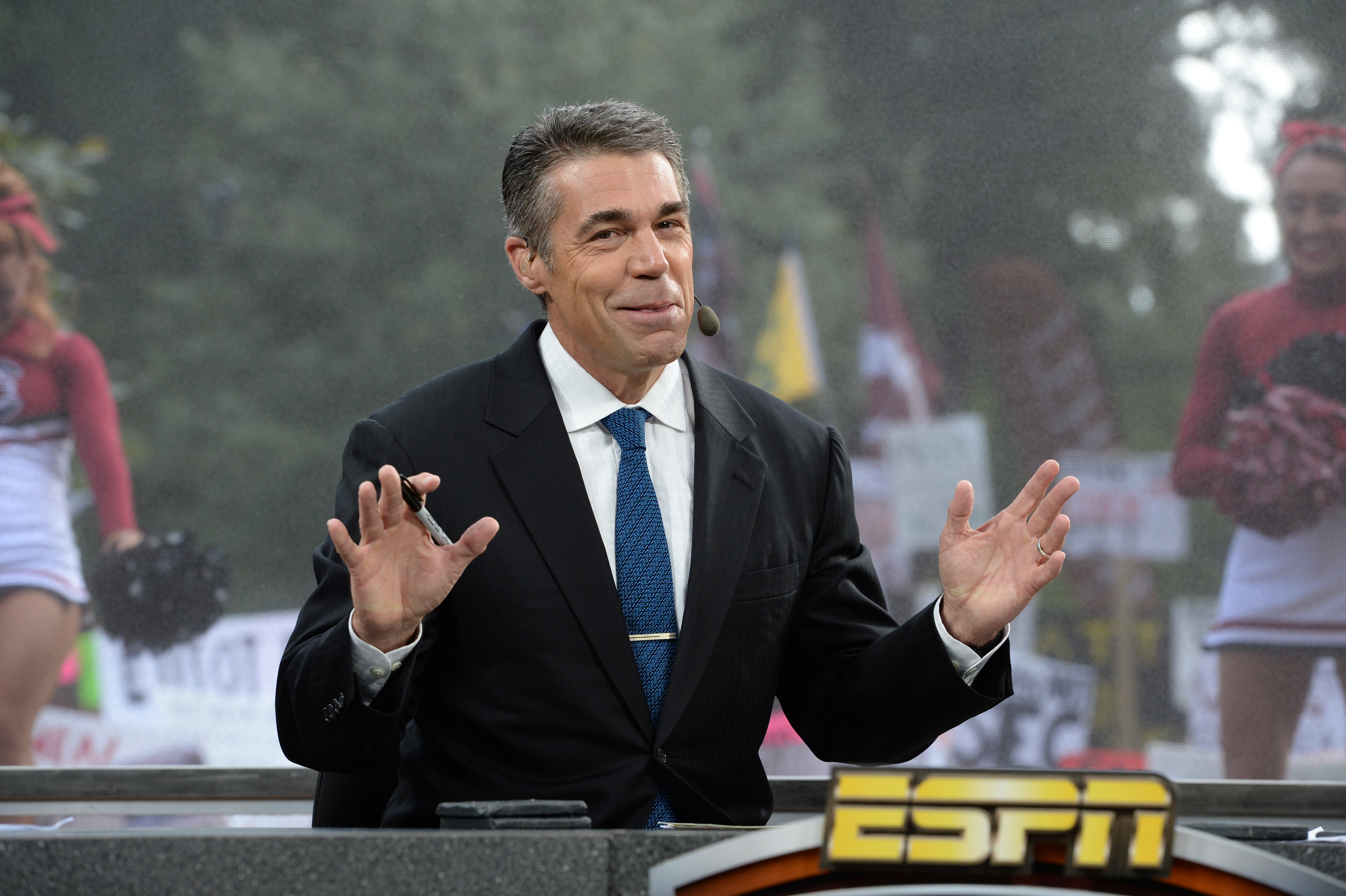
The increasingly demanding nature of NFL broadcasting schedules has stirred conversations about health, stress, and viewer satisfaction. Beyond concerns for Fowler’s voice during the games, fans reflected on the broader issues related to the scheduling and the fatigue that can set in for both broadcasters and fans alike. While many are excited about watching back-to-back games, the reality is that ultra-late start times come with their drawbacks.
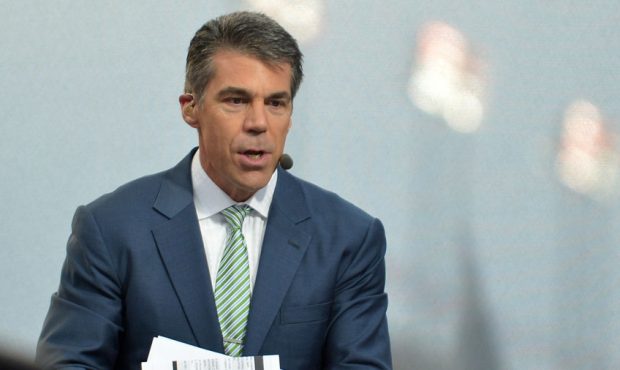
Additionally, the structure of broadcasting during highly anticipated games is a topic that analysts and fans take very seriously. Given that Fowler is not frequently seen covering NFL games, many expressed their concern that his worn-out performance could be indicative of how challenging the environment had become for broadcasters, especially during a packed NFL season. The ideal situation would allow broadcasters to perform optimally without feeling the strain that arises in such back-to-back scenarios.
Conclusion

As the dust settles on the first Monday Night Football doubleheader, Chris Fowler’s health emerges as a critical topic for discussion, eliciting sympathy and concern among fans. The challenges posed by late-night broadcasts are now under scrutiny, emphasizing the need for network considerations on scheduling. For fans who enjoy NFL action, this brings to light the importance of maintaining broadcaster health while providing enjoyable viewing experiences. If you care about broadcasters’ well-being, consider expressing your thoughts on scheduling practices and supporting your favorite commentators as they navigate demanding game days.