16 Epstein Files, Including Photo of Donald Trump, Disappear from DOJ’s Website Shortly After Release
DOJ Removes 16 Epstein Files, Including Donald Trump Photo, to Protect Victims
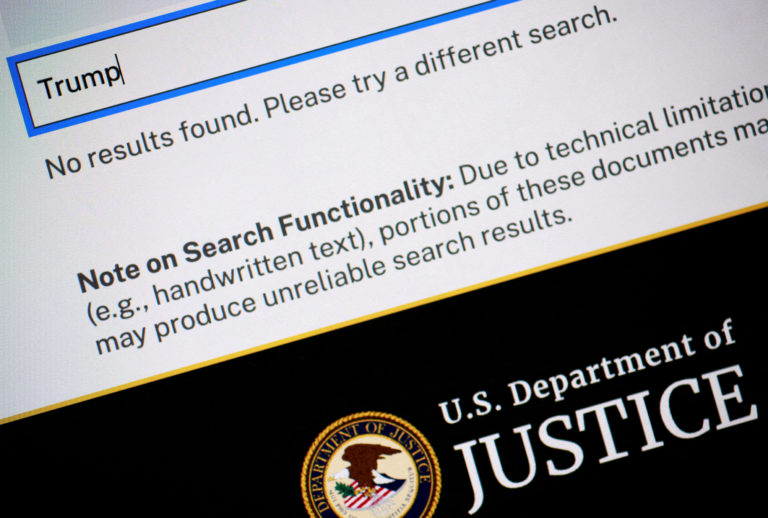
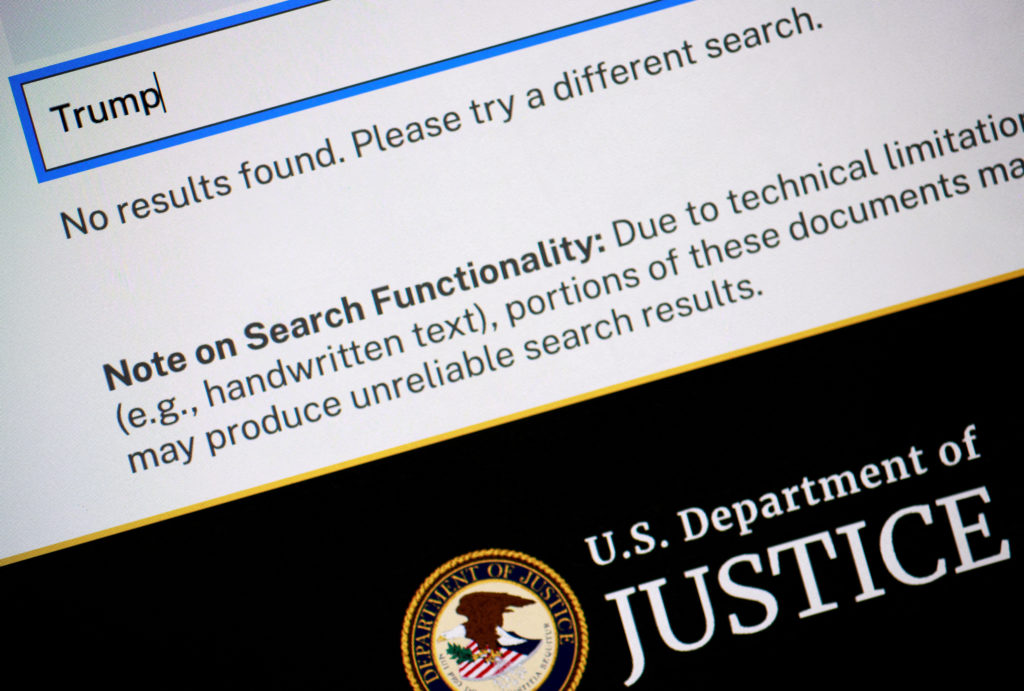
On December 19, 2025, the Department of Justice (DOJ) released thousands of documents connected to the investigations of the notorious sex trafficker Jeffrey Epstein. This release came one month after President signed the Epstein Files Transparency Act, mandating the DOJ to make all related documents publicly accessible and searchable. However, just a day after the release, at least 16 files mysteriously disappeared from the DOJ’s official website. Among the removed files was a photograph that included former President Donald Trump.
The Associated Press first reported the removal of these files, sparking widespread speculation and concern. Deputy Attorney General Todd Blanche addressed the issue during an interview on NBC’s Meet the Press, clarifying that the files were taken down to safeguard the privacy and rights of victims connected to the case.
Why Were the Epstein Files Removed from the DOJ Website?
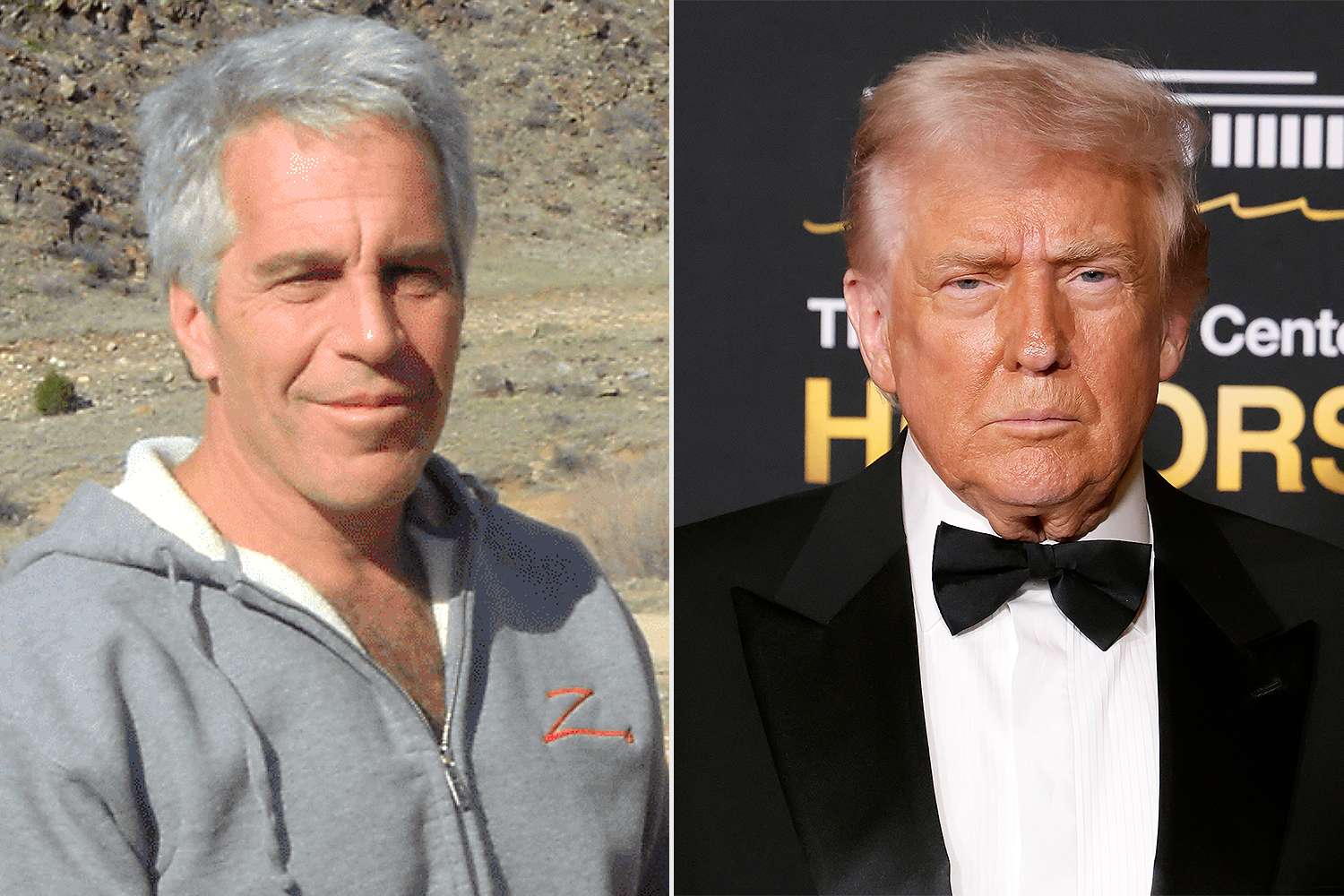
Deputy Attorney General Blanche explained that a judge in New York ordered the DOJ to consult with victims or victim rights groups before releasing any material that could potentially harm or expose them. “There were a number of photographs that were pulled down after being released on Friday,” Blanche said. “That’s because a judge in New York has ordered us to listen to any victim or victim rights group if they have any concerns about the material that we’re putting up.”
Blanche further emphasized that some of the photographs featured women who were not confirmed victims, but concerns were raised about their privacy nonetheless. To address these concerns, the DOJ decided to temporarily remove the files and promised to either redact sensitive information or faces before re-uploading the documents.
He reassured the public that the DOJ is fully complying with the Epstein Files Transparency Act, stating, “If we need to redact faces or other information, we will, and then we’ll put it back up.”
Donald Trump’s Involvement and DOJ’s Stance
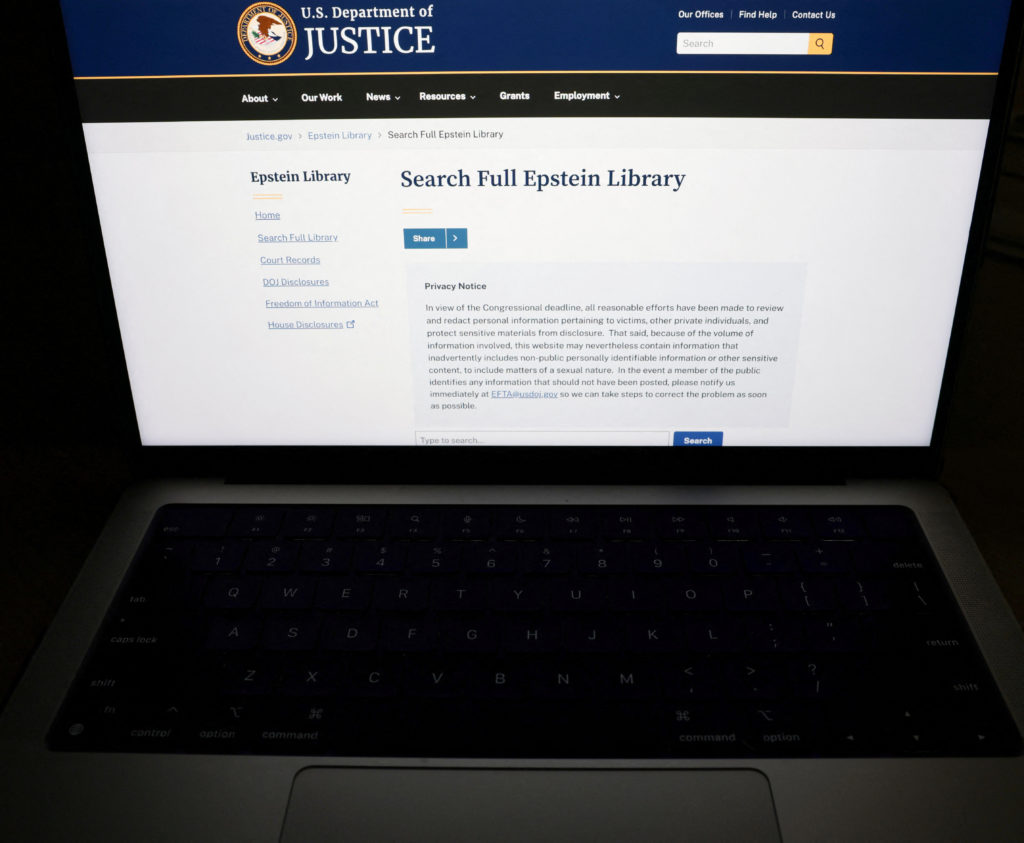
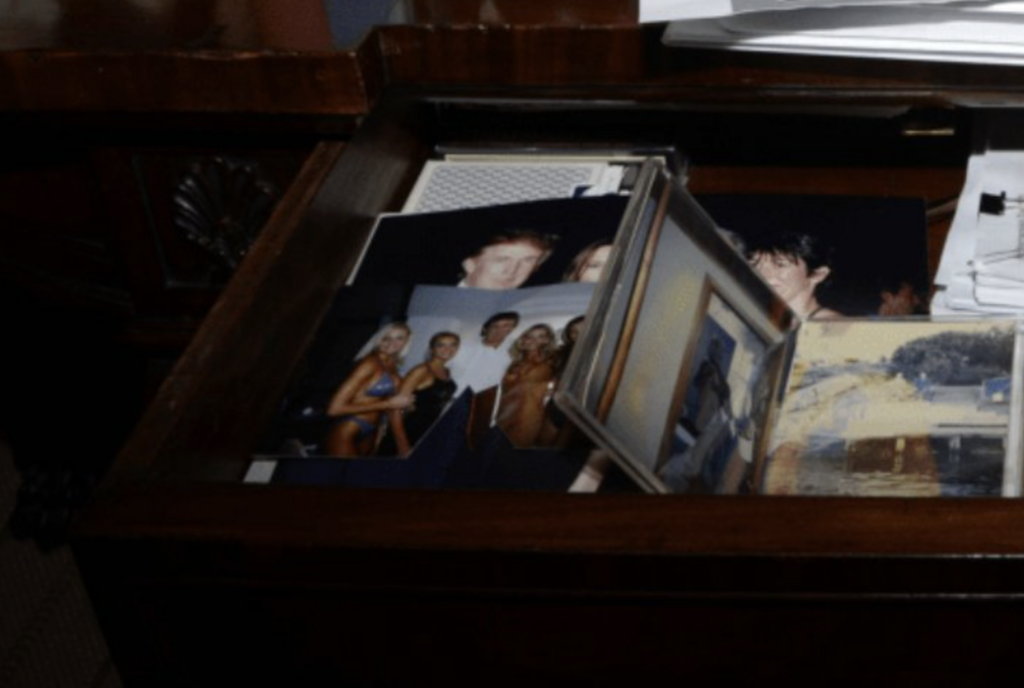
The photo that included Donald Trump showed a desk drawer with several photographs, some of which featured women whose identities raised privacy concerns. Blanche made it clear that the removal of the photo was unrelated to Trump himself. “It has nothing to do with President Trump,” he said, adding that Trump has “nothing” to hide regarding the Epstein files.
The DOJ’s careful approach highlights the delicate balance between transparency and protecting victims’ rights. The department continues to review the files thoroughly to ensure that the release complies with legal and ethical standards.
The Scope of the Epstein Files Release and Ongoing Review
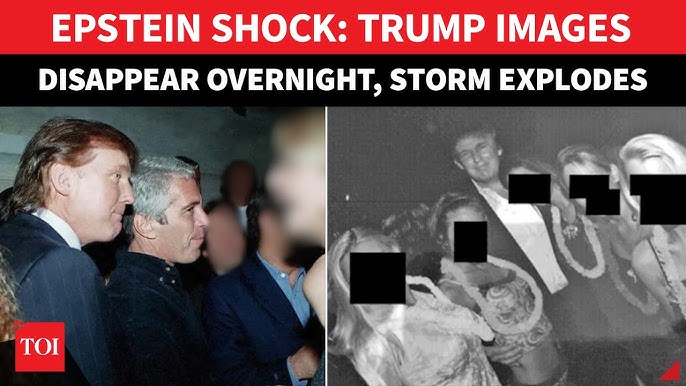
The initial release on December 19 included approximately 3,900 files spread across five data sets. These documents ranged from police reports and grand jury filings to photographs and miscellaneous materials such as a scanned copy of the book Massage for Dummies. Some files contained disturbing allegations, including a police report where a young woman claimed Epstein threatened to burn down her house.
Despite the Epstein Files Transparency Act requiring all documents to be released within 30 days, the DOJ announced it would not be able to meet this deadline fully. Blanche explained that the department needs additional time to complete redactions to protect victims’ identities and privacy adequately.
“Additional responsive materials will be produced as our review continues, consistent with the law and with protections for victims,” Blanche said.
High-Profile Figures in the Epstein Files
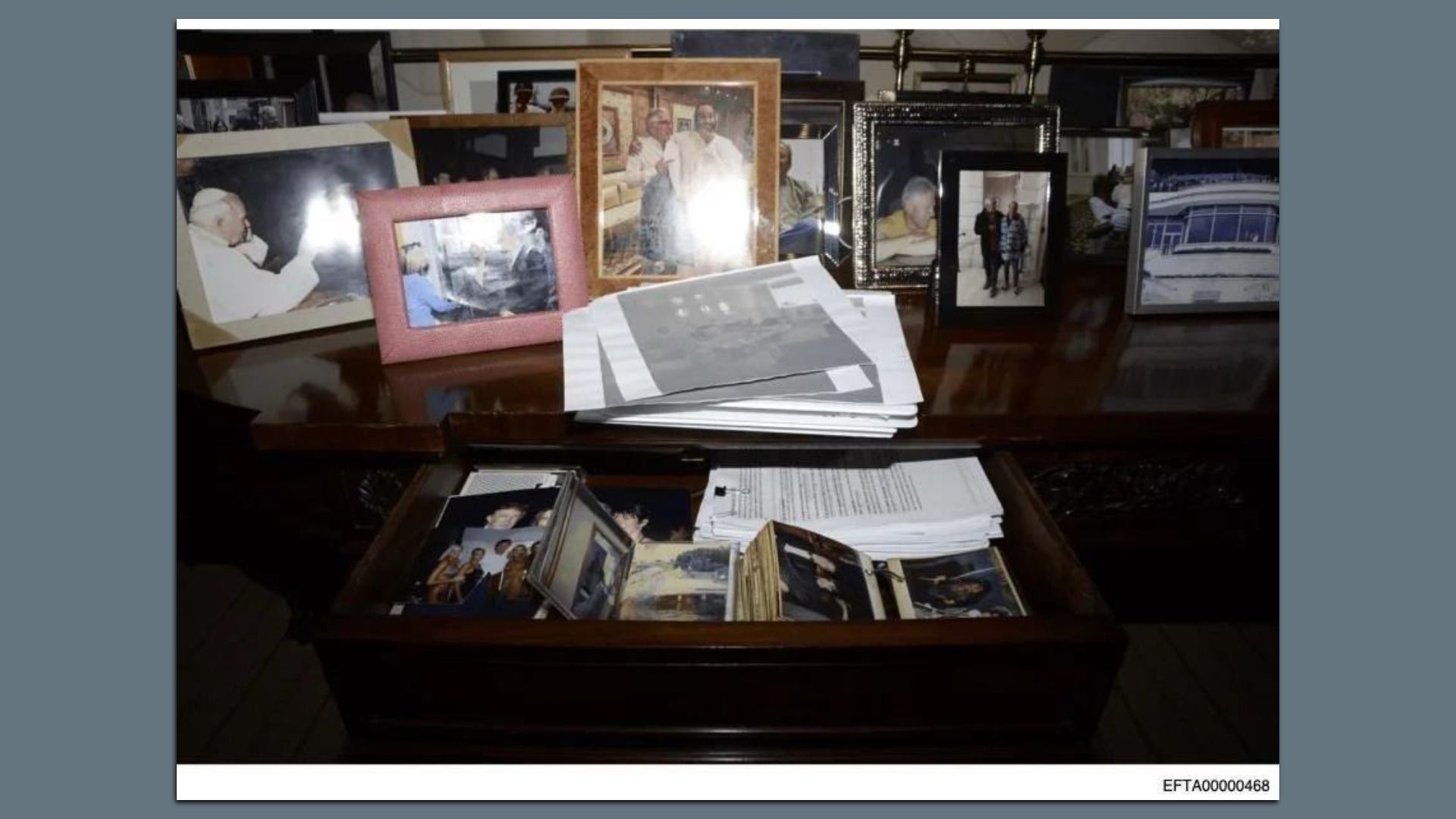
The released files also contain images and documents referencing several high-profile individuals beyond Donald Trump. Among them are former President Bill Clinton, actor Kevin Spacey, and pop icon Michael Jackson. These revelations have intensified public interest and scrutiny regarding Epstein’s extensive network.
Jeffrey Epstein died in August 2019 while awaiting trial on federal conspiracy and sex trafficking charges. His death was officially ruled a suicide, but it has remained a subject of controversy and conspiracy theories.
Conclusion
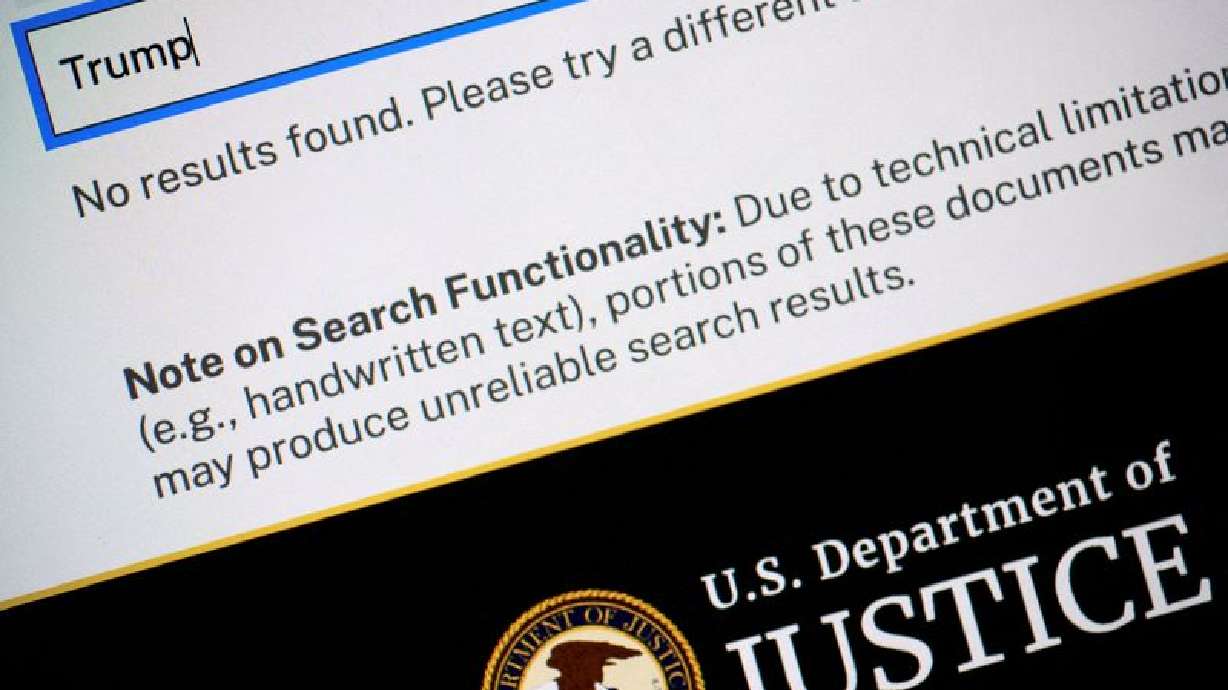
The sudden removal of 16 Epstein files, including a photo featuring Donald Trump, from the DOJ’s website underscores the complexities involved in balancing transparency with victim protection. Deputy Attorney General Todd Blanche has emphasized the DOJ’s commitment to complying with legal requirements while respecting the privacy and rights of victims. As the review and redaction process continues, more files will be released in accordance with the law.
If you want to stay informed about the latest developments on the Epstein files and related investigations, subscribe to our newsletter for timely updates and expert analysis.