DOJ Releases Shocking Fake Video of Jeffrey Epstein Suicide as Part of File Dump
Understanding the DOJ’s Release of the Fake Jeffrey Epstein Suicide Video
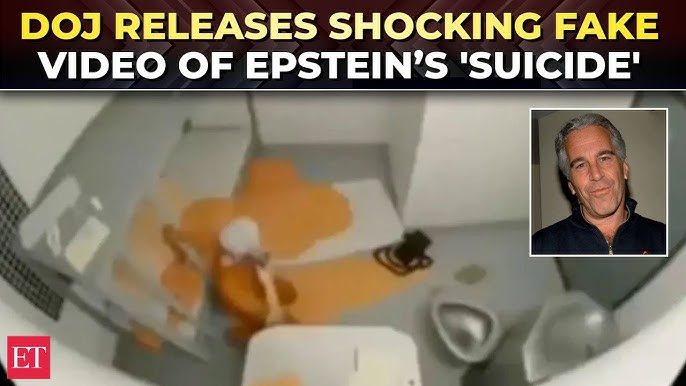
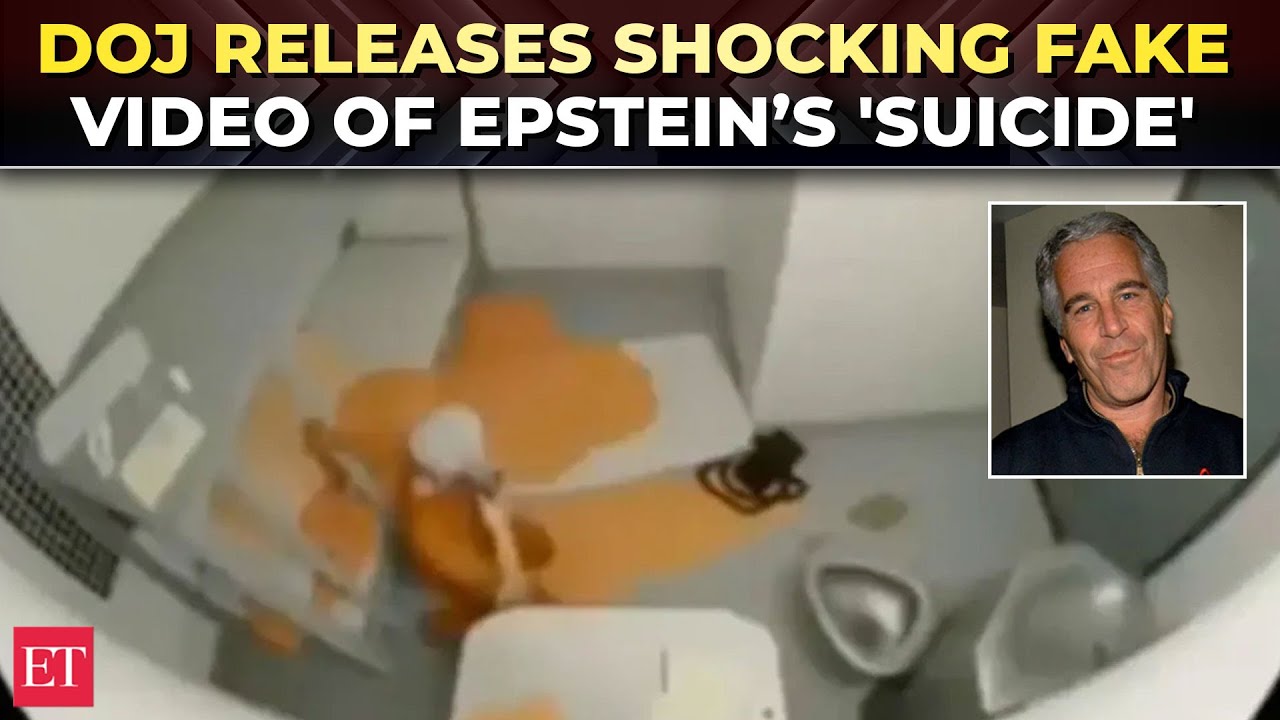
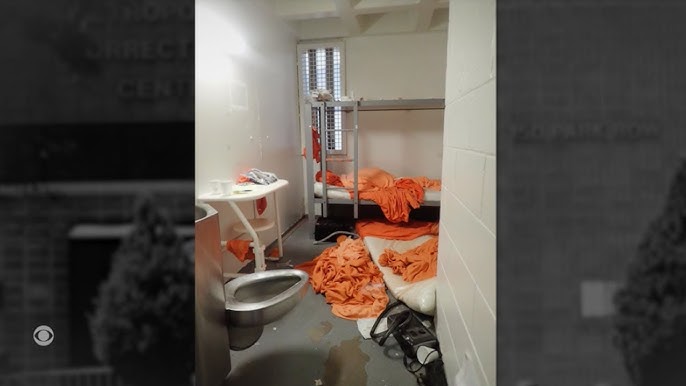
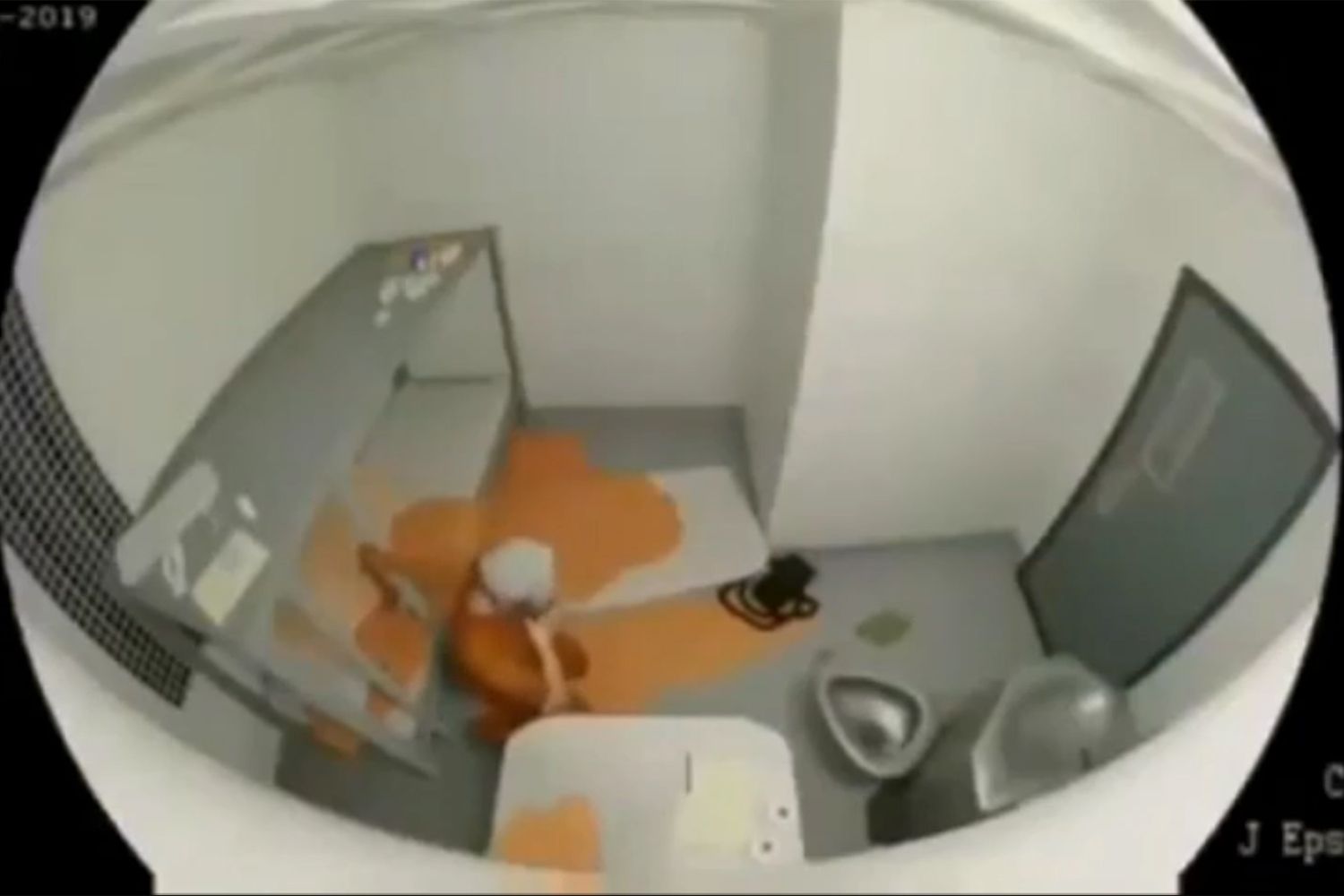
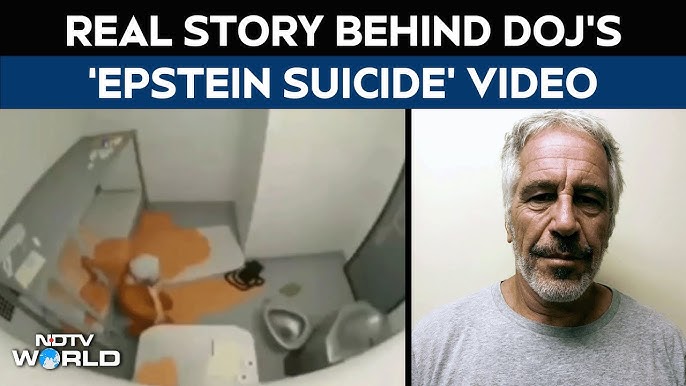
On a recent Monday, the U.S. Department of Justice (DOJ) released a startling video that appeared to recreate the infamous suicide of Jeffrey Epstein in his Manhattan jail cell. The 12-second clip showed a white-haired man in an orange jumpsuit struggling and jerking his head while kneeling at the base of a jail-cell bunk bed. The timestamp on the footage read 4:29 a.m. on August 10, 2019 — roughly two hours before Epstein’s body was discovered at the Metropolitan Correctional Facility.
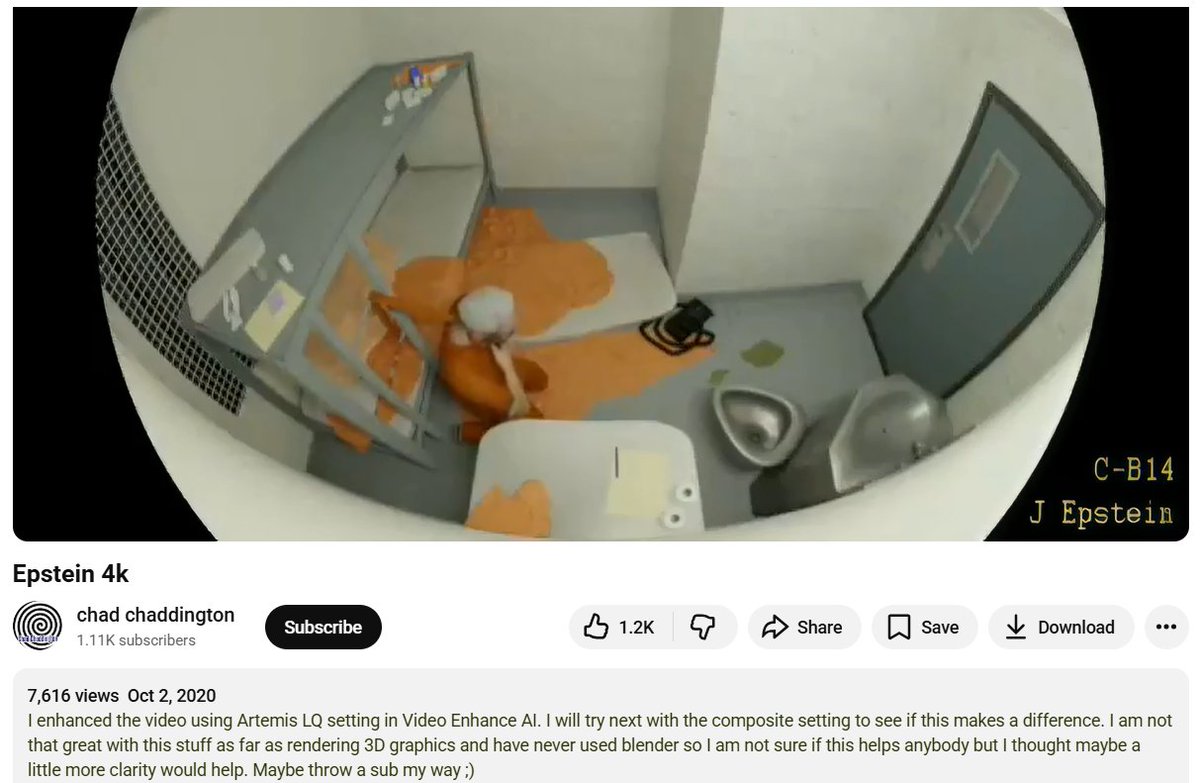
Initially, the video set the internet ablaze, with many believing it was the first-ever visual confirmation of Epstein’s death. However, closer scrutiny revealed numerous inconsistencies: the pile of orange prison clothes on the floor appeared unnatural, lacking texture, and the jail cell door did not match the actual cell where Epstein was held. These discrepancies raised immediate suspicions about the video’s authenticity.
The Origin and Exposure of the Fake Video
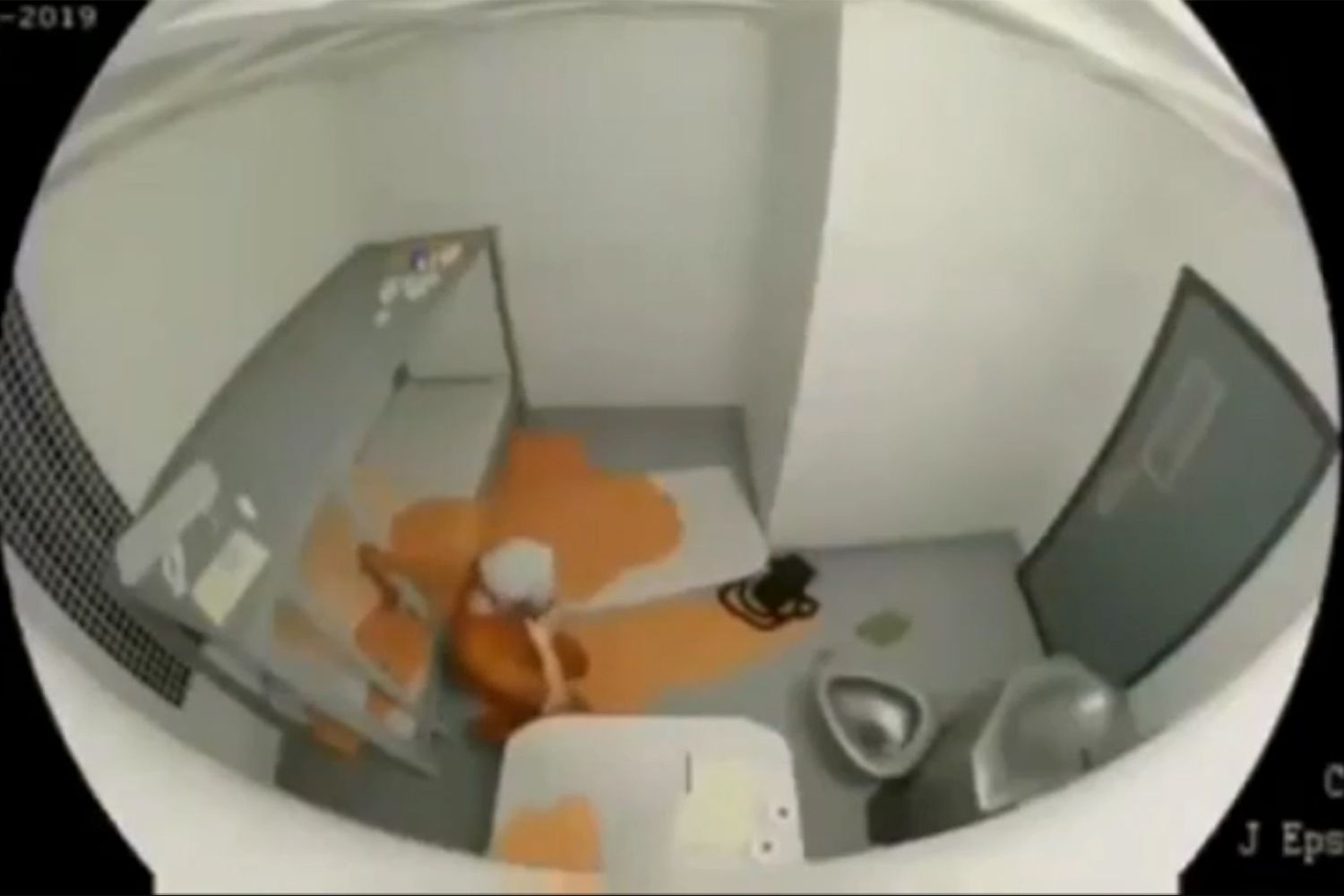
Further investigation uncovered that the video was a computer-generated fabrication that had circulated on internet forums such as 4chan for years. It was flagged by investigators and a Florida-based conspiracy theorist, who pointed out its dubious nature. A Trump administration official later confirmed to media outlets that the footage was bogus and had been available on YouTube long before the DOJ’s file dump. Consequently, the DOJ removed the video from its website shortly after its release.
Despite its inauthenticity, the video’s brief appearance reignited public interest and speculation about Epstein’s death. The lack of actual surveillance footage from Epstein’s cell has long been a source of conspiracy theories, with many questioning the official narrative that Epstein died by suicide. The DOJ’s release of this fake video inadvertently fueled these suspicions.
Context Behind Epstein’s Death and the DOJ File Dump
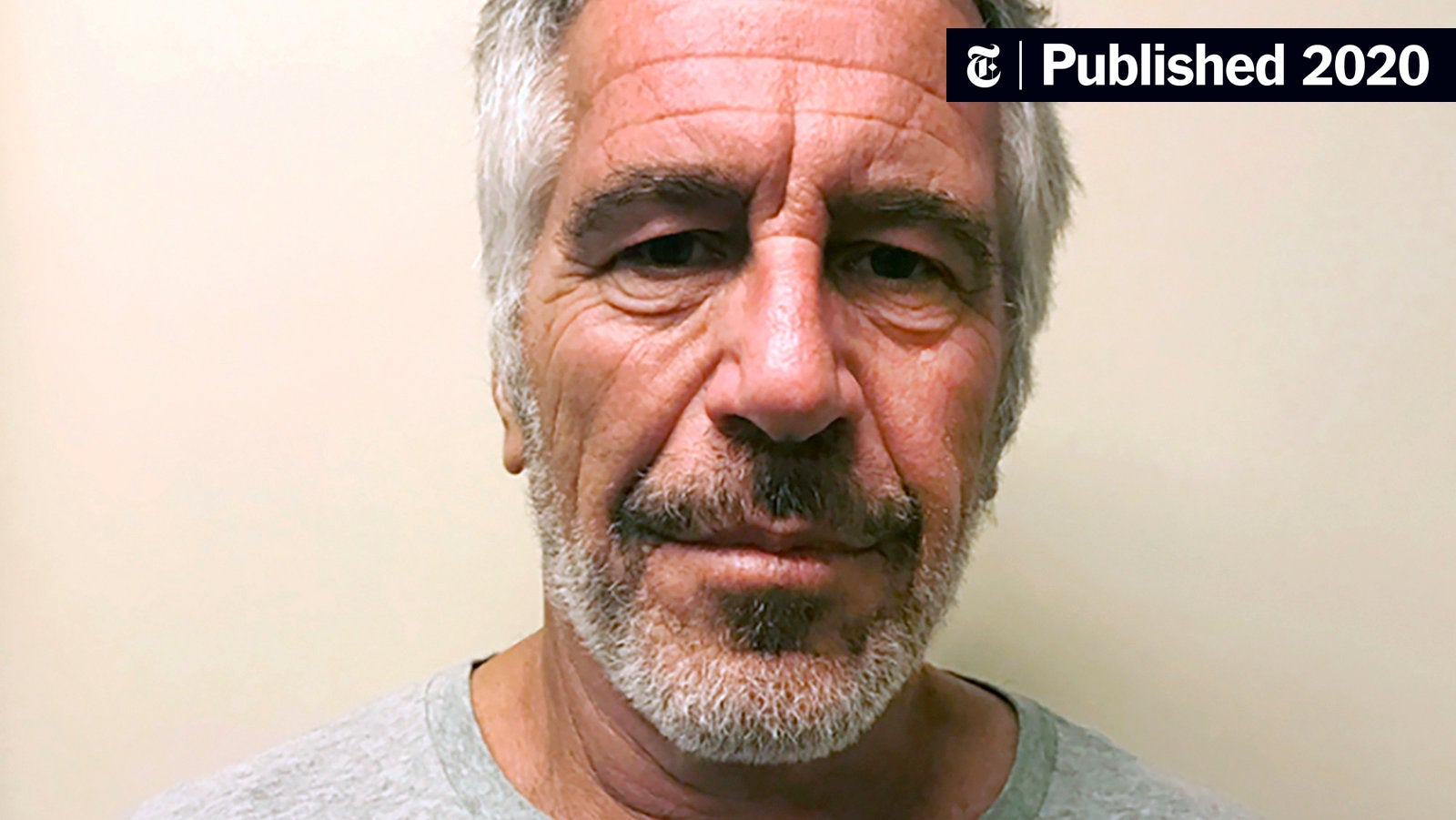
Jeffrey Epstein, a disgraced financier facing multiple sex-trafficking charges, was found dead in his jail cell in August 2019. Official investigations concluded that Epstein died by self-inflicted hanging. However, the circumstances surrounding his death have been mired in controversy. Epstein had been on suicide watch but was removed from it shortly before his death. His cellmate was transferred out a day prior, and the two guards assigned to monitor him were later found to have falsified records and were sleeping on duty.
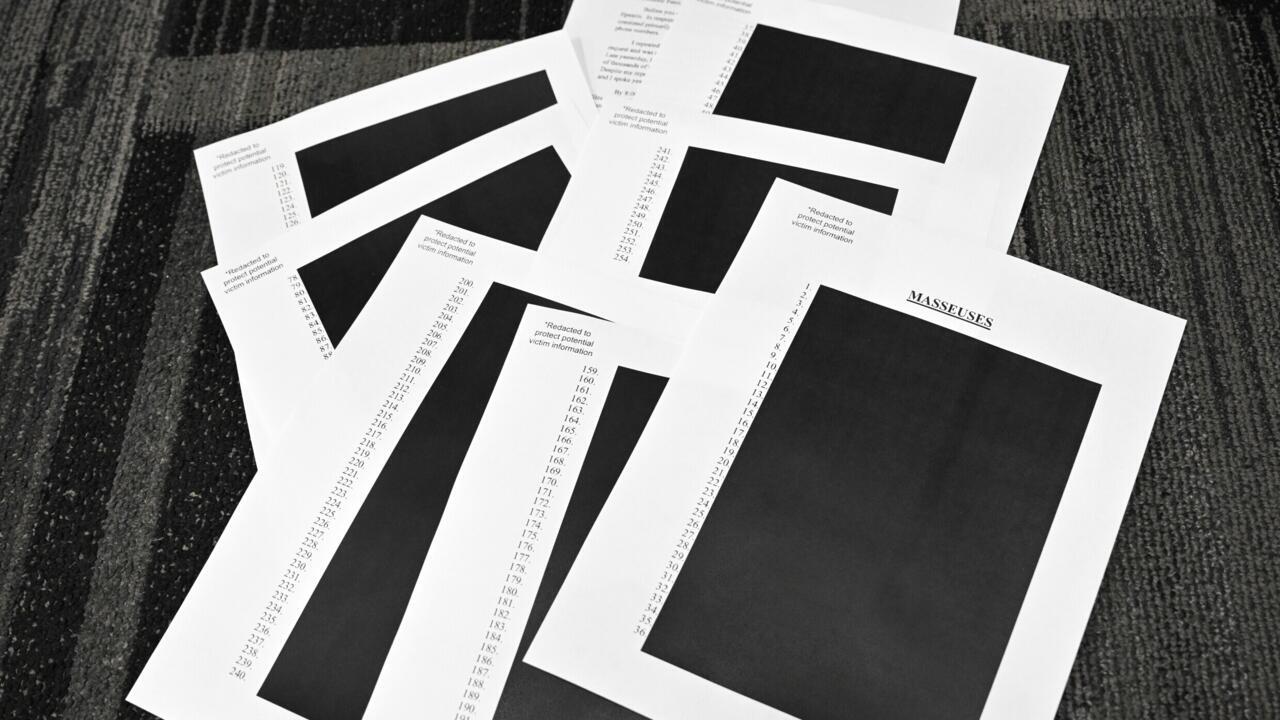
The DOJ’s file dump, ordered by Congress and signed into law by then-President Trump, aimed to release all documents related to Epstein’s case. This massive disclosure included thousands of photos, documents, and other materials, but no definitive evidence of foul play or conspiracy has emerged. The fake video was just one of many items released during this process, which has been closely scrutinized by the public and media alike.
Impact of the Fake Video on Public Perception and Conspiracy Theories
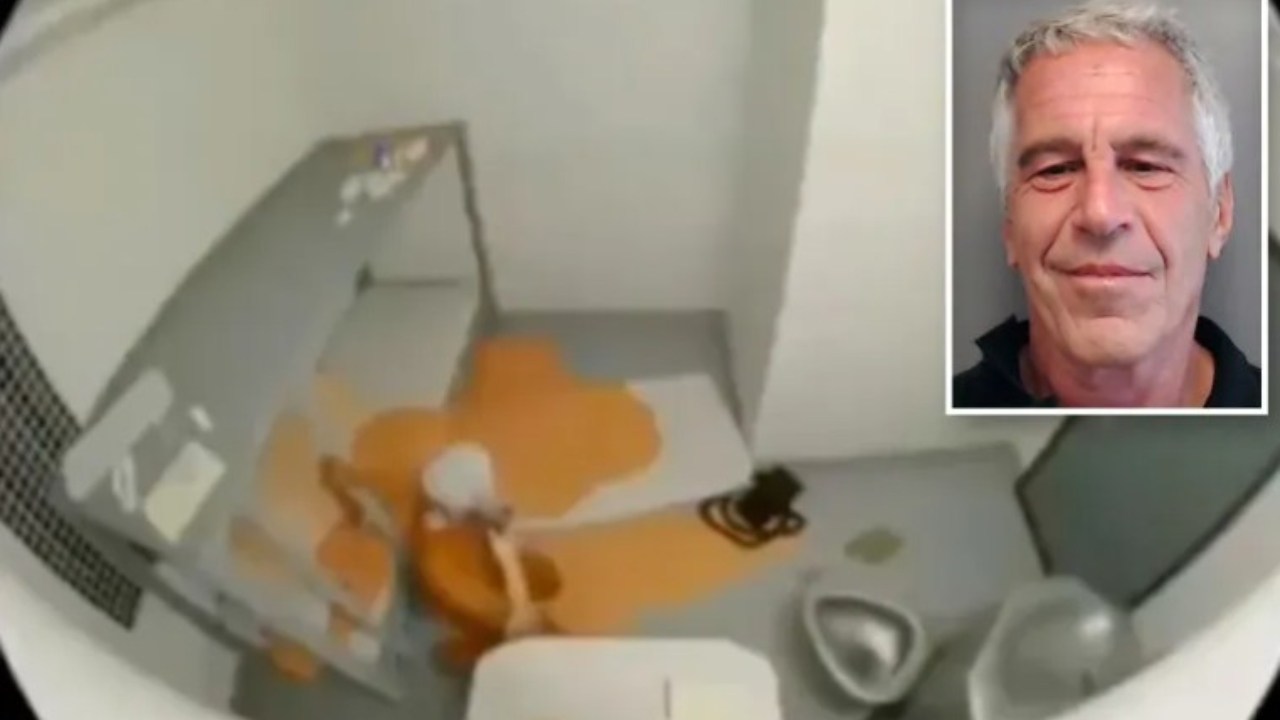
The release of the fake Jeffrey Epstein suicide video by the DOJ had a significant impact on public perception. For many, it seemed to confirm long-held suspicions that the government was hiding something about Epstein’s death. The video’s initial viral spread on social media platforms intensified conspiracy theories suggesting Epstein was murdered to protect powerful individuals implicated in his crimes.
However, experts and officials emphasized that the video was not authentic and cautioned against jumping to conclusions based on fabricated evidence. The DOJ’s quick removal of the video and clarification helped to mitigate some of the confusion, but the damage to public trust had already been done. The episode highlighted the challenges authorities face in managing sensitive information in the digital age, where misinformation can spread rapidly.
Why No Actual Footage of Epstein’s Death Exists
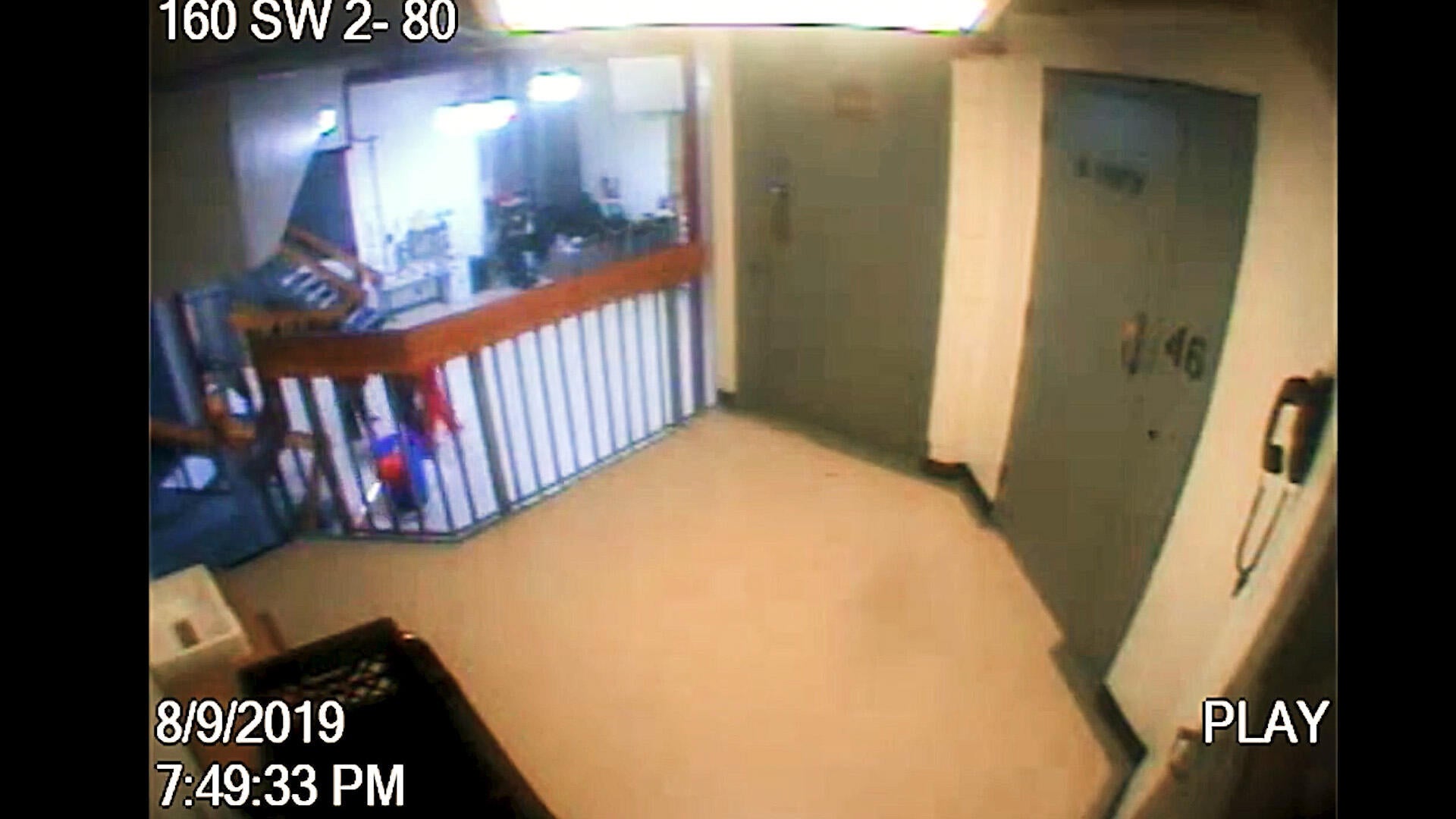
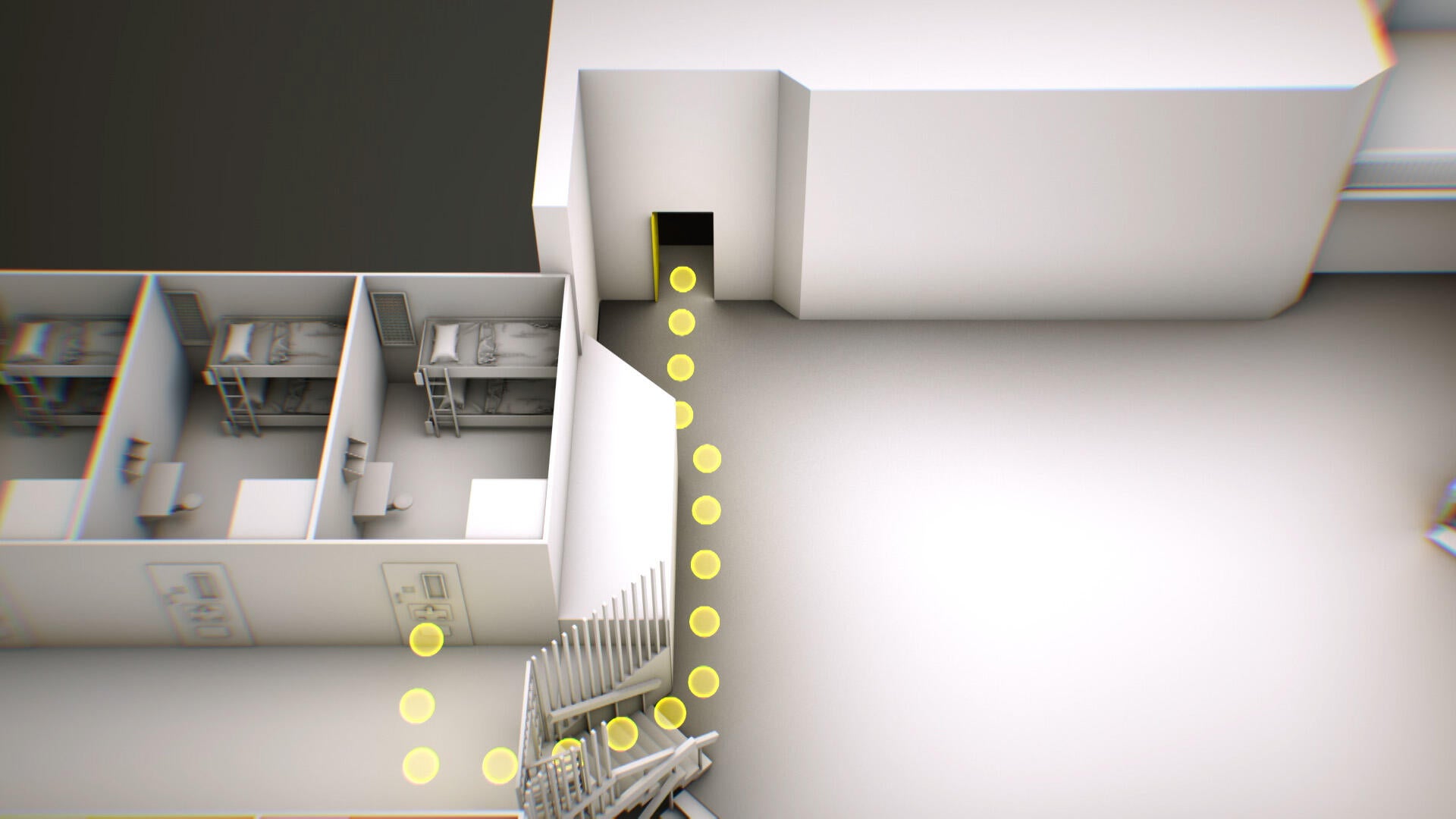
One of the core reasons conspiracy theories about Epstein’s death persist is the absence of genuine surveillance footage from inside his cell on the night he died. According to official reports, the cameras monitoring Epstein’s cell malfunctioned, and no video evidence was recorded. The DOJ later released footage from outside the cell block, but a “missing minute” just before midnight sparked further speculation.
The DOJ explained that the missing minute resulted from the jail’s camera system recycling footage, not from any intentional tampering. Despite these explanations, skepticism remains high among the public, fueled by Epstein’s high-profile connections and the suspicious circumstances surrounding his death.
Conclusion: Navigating the Truth Behind Epstein’s Death
The DOJ’s release of a fake video depicting Jeffrey Epstein’s suicide has added another layer of complexity to an already controversial case. While the video was quickly debunked, its initial impact underscores the powerful role misinformation plays in shaping public opinion, especially on sensitive issues involving high-profile figures.
As investigations continue and more documents are released, it remains crucial for the public to rely on verified information and official sources. The Epstein case serves as a reminder of the importance of transparency and accountability in government disclosures.
If you or someone you know is struggling with suicidal thoughts or mental health challenges, please seek help immediately. Resources such as the National Suicide Prevention Lifeline (dial 988) offer free and confidential support 24/7.
Stay informed and vigilant by following credible news sources for updates on this and other important stories.