
Donald Trump Says He’s Signed Epstein Files Bill, Ordering DOJ to Release Documents
In a significant development surrounding the controversial Jeffrey Epstein case, former President Donald Trump announced that he has signed the Epstein Files Bill, mandating the Department of Justice (DOJ) to release documents tied to the investigation of the disgraced financier. This move follows overwhelming bipartisan support in Congress, reflecting a growing demand for transparency regarding Epstein’s criminal activities and the individuals linked to his network.
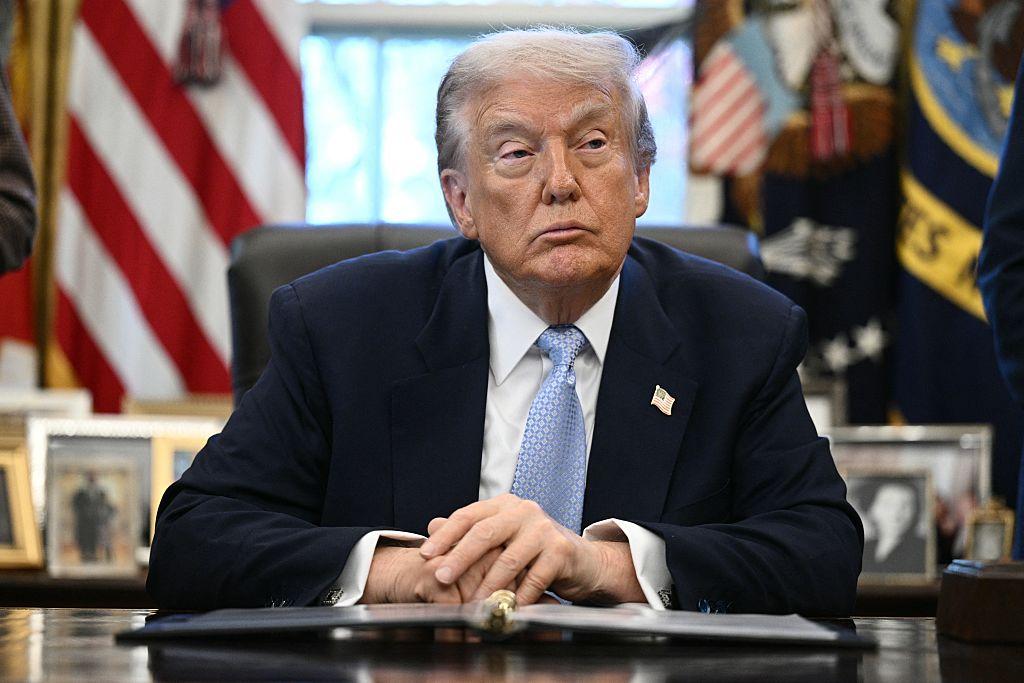
Trump Signs Epstein Files Bill to Increase Transparency
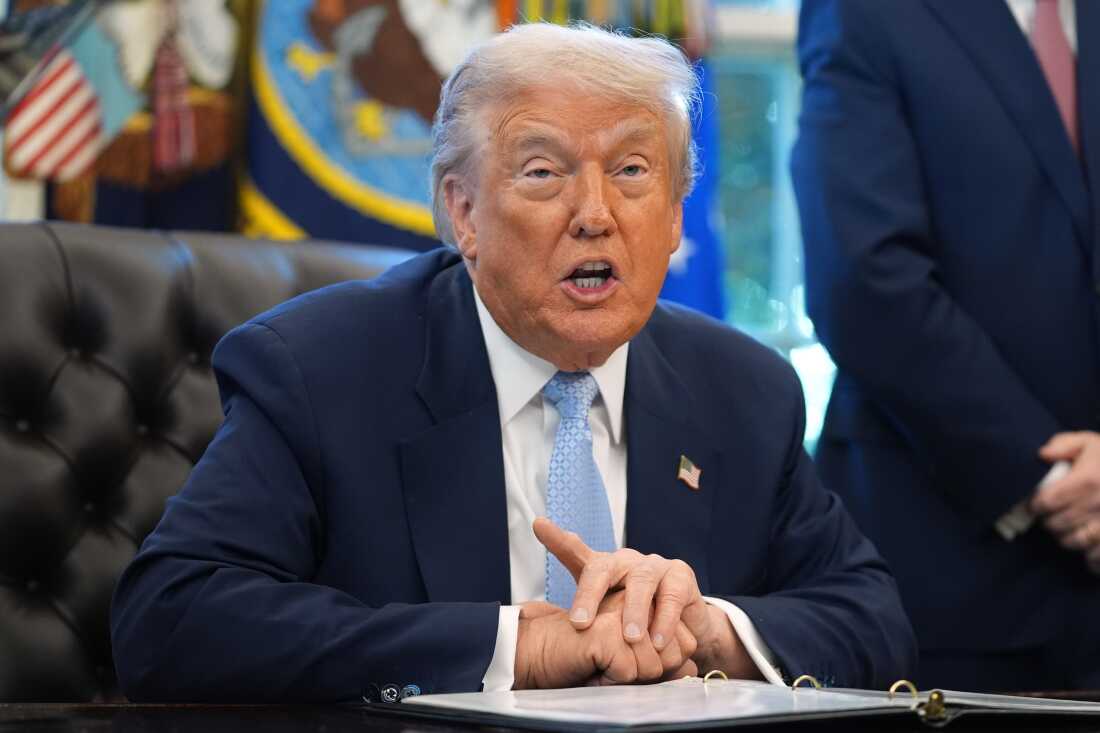
Donald Trump’s signing of the Epstein Files Bill marks a pivotal moment in the ongoing efforts to shed light on the dark and complex web surrounding Jeffrey Epstein. The legislation, passed almost unanimously by the House of Representatives with a 427-1 vote and unanimously approved by the Senate, compels the DOJ to disclose all unclassified records, communications, and investigative materials related to Epstein’s investigation and prosecution.

In a detailed post on his social media platform, Trump expressed his stance on the bill, stating, “I have just signed the bill to release the Epstein files. This latest Hoax will backfire on the Democrats just as all of the rest have!” His comments underscore the political tensions that have surrounded the Epstein case, yet the bipartisan support for the bill highlights a shared commitment to transparency.
Details of the Epstein Files Bill and DOJ’s Role

The Epstein Files Bill requires the Department of Justice to publish comprehensive records associated with the investigation into Jeffrey Epstein, including documents related to his associates such as Ghislaine Maxwell, flight logs, travel records, and any individuals named or referenced in connection with the case. However, the DOJ retains the authority to withhold information that is classified, could reveal victims’ identities, or might interfere with ongoing federal investigations.
Importantly, the bill specifies that information cannot be withheld or redacted due to embarrassment, reputational harm, or political sensitivity, even if it involves government officials, public figures, or foreign dignitaries. This provision aims to prevent the suppression of critical information that the public has a right to know.
Attorney General Pam Bondi has confirmed the DOJ’s intention to comply with the bill within the 30-day deadline, emphasizing a balance between protecting victims and ensuring maximum transparency. The release of these files is expected to provide unprecedented insight into Epstein’s criminal network and the extent of his influence.

Background and Political Context
The push for the release of Epstein-related documents has gained momentum over recent months, with lawmakers from both parties advocating for greater disclosure. Notably, Georgia Representative Marjorie Taylor Greene has been vocal in her efforts to bring these files to light, often challenging party lines to demand accountability.

Previously, the DOJ had withheld certain information due to concerns over victim privacy and the sensitive nature of the materials, which included images and evidence of child sex abuse. Courts had sealed many of these documents to protect third parties from unfounded allegations. However, public pressure and legislative action have now shifted the balance toward transparency.
Trump’s decision to sign the bill represents a notable change from his earlier position, where he distanced himself from Epstein and criticized congressional efforts to unseal the files. His recent support aligns with a broader political strategy to address the issue head-on amid ongoing scrutiny.
What to Expect Next
While the DOJ has 30 days to release the requested documents, the exact timing and scope of the disclosures remain uncertain. The forthcoming materials are anticipated to include detailed records that could illuminate Epstein’s operations, his connections, and potentially implicate other individuals involved in his illicit activities.
This transparency initiative is distinct from previous document releases, such as the emails from Epstein’s estate made public by the House Oversight Committee, which included references to Trump and other notable figures. The new files promise a more comprehensive view of the investigation.
Conclusion

Donald Trump’s signing of the Epstein Files Bill is a landmark step toward unveiling the full extent of Jeffrey Epstein’s criminal activities and the network surrounding him. By ordering the DOJ to release these documents, the legislation aims to provide the public with critical information that has long been shrouded in secrecy. As the DOJ prepares to comply, the nation awaits revelations that could reshape the understanding of this high-profile case.
Stay informed on this developing story and other important news by subscribing to our newsletter. Don’t miss out on updates about the Epstein Files and their impact—sign up today!