Struggling Donald Trump Caught Mixing Up His Words Multiple Times and Having Difficulty Clapping as Dementia Fears Skyrocket
Former President Donald Trump has once again become the center of attention due to a series of public missteps that have reignited concerns about his mental health. During a recent White House event, Trump was observed mixing up words repeatedly and showing visible difficulty in performing simple physical actions such as clapping. These incidents have led to a surge in speculation about possible cognitive decline, with many observers and critics voicing fears about dementia.
Donald Trump’s Word Confusion and Physical Struggles Raise Alarms
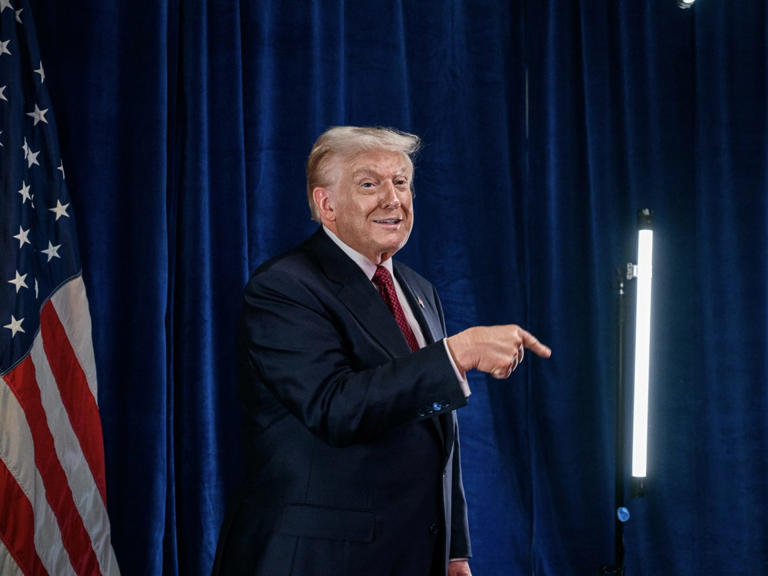
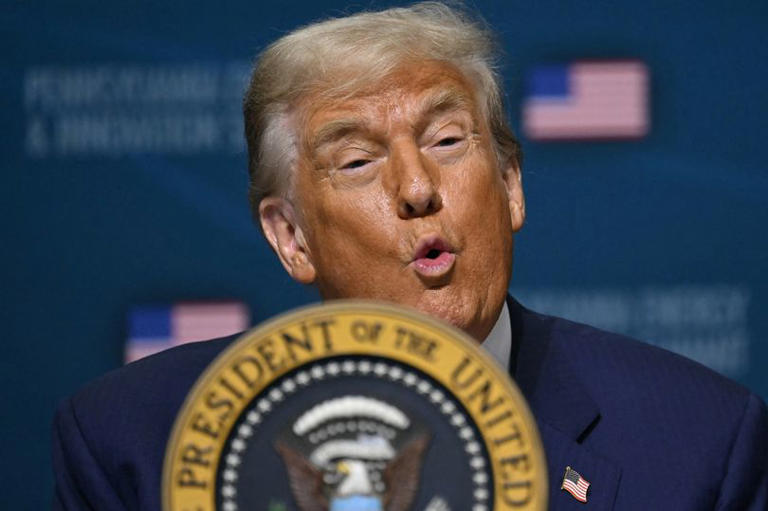
At an event focused on signing an Executive Order titled “Fostering the Future for American Children and Families,” an initiative championed by First Lady Melania Trump, the former president’s speech drew immediate scrutiny. Video footage shared widely on social media captured Trump stumbling over his words, particularly confusing the terms “adopt” and “adapt” multiple times. This verbal mix-up was not only noticeable but also concerning to viewers who have been monitoring his public appearances for signs of cognitive issues.
During the speech, Trump said: “Christians and more, think of this, more than twice as likely foster care, they’ll adopt the general population. They adopt to it so easily. When they get out, they adopt to it like it’s become second nature. It’s amazing.” The incoherence of this statement left many puzzled and alarmed.
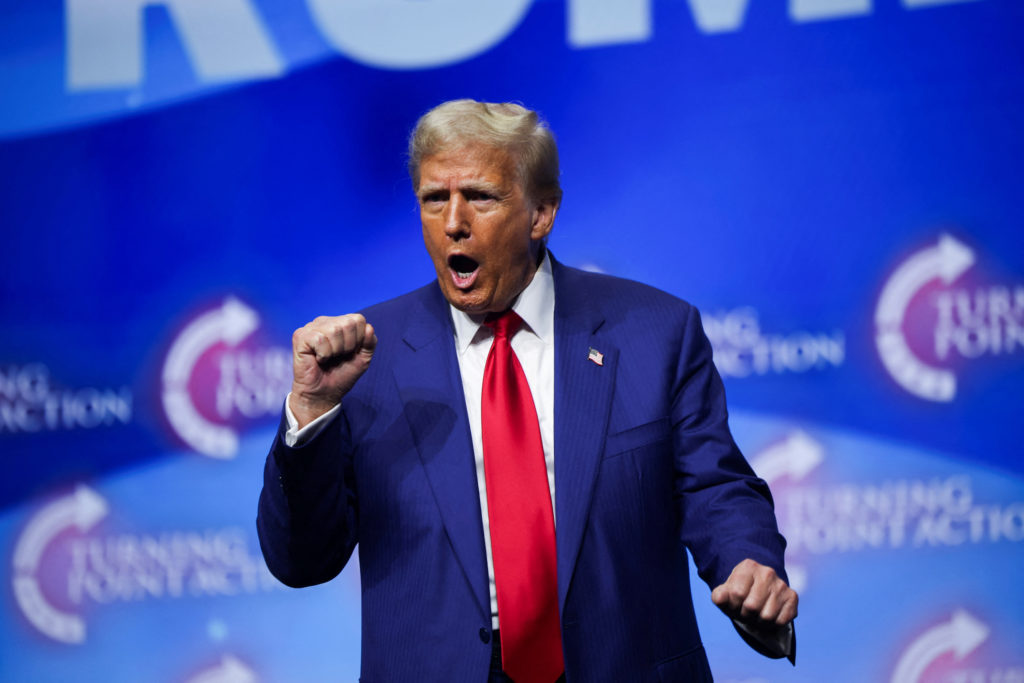
Adding to the unease, Trump was seen struggling to clap his hands effectively, with some observers noting that he appeared to have difficulty moving one arm. This physical struggle, combined with the verbal errors, intensified fears that the former president might be experiencing symptoms consistent with dementia or other cognitive impairments.
Public and Expert Reactions to Trump’s Cognitive Concerns
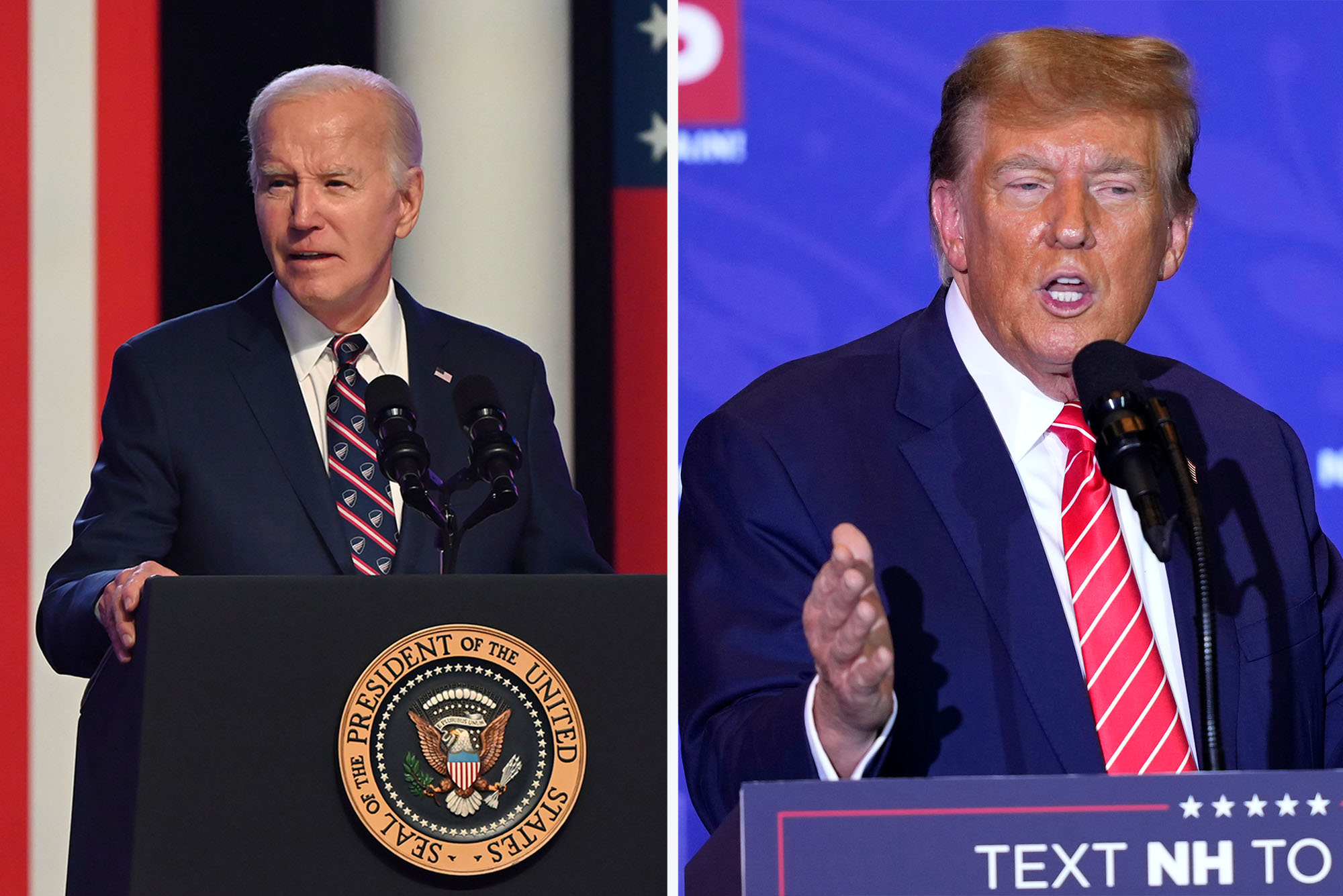
Social media users were quick to highlight and criticize Trump’s apparent difficulties. Comments ranged from humorous to deeply concerned, with some users describing his brain function as deteriorating rapidly. One user remarked, “Trump got ‘adapt’ confused with ‘adopt’ three times today and then failed to move one of his arms while trying to clap. He’s getting worse by the day.” Others expressed skepticism about his ability to communicate effectively, suggesting that his cognitive decline was evident even when reading from prepared notes.
Beyond social media, medical professionals and cognitive health experts have weighed in on the situation. While no official diagnosis has been made public, the visible signs of confusion, speech errors, and motor difficulties are often associated with neurological conditions such as dementia or early-stage Alzheimer’s disease. These observations have fueled calls from critics for a formal assessment of Trump’s fitness for public office, with some advocating for the invocation of the 25th Amendment.
This is not the first time Trump’s cognitive abilities have been questioned. Since his second term began, he has made several puzzling statements, including bizarre claims about magnets and confusing geopolitical facts. He has also publicly admitted to undergoing an MRI during a recent medical exam, which the White House described as routine. However, healthcare professionals have expressed doubts about the transparency and adequacy of these health disclosures.
Additional signs that have raised eyebrows include visible bruising on Trump’s hands, episodes of falling asleep in public settings, swollen ankles, and an unsteady gait. These physical symptoms, combined with his verbal struggles, have contributed to the growing unease about his overall health.
The Broader Implications of Trump’s Health Concerns
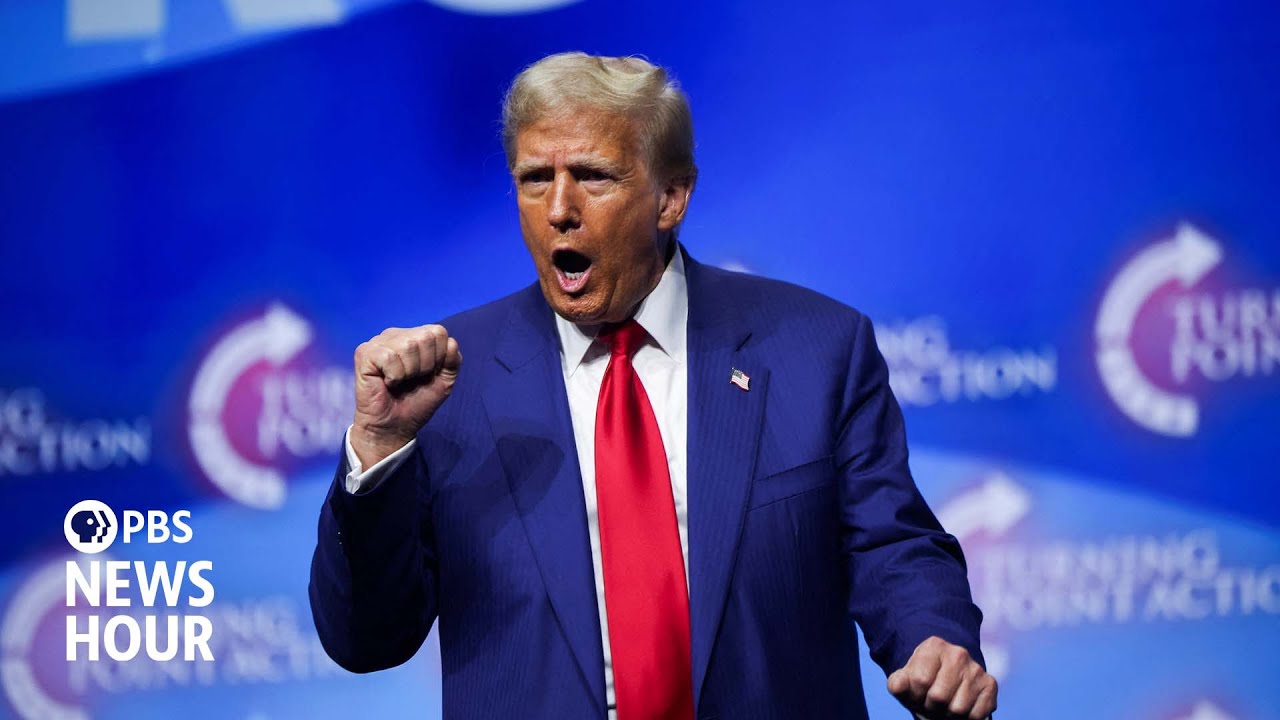
The speculation surrounding Donald Trump’s cognitive health has broader political and social implications. As a former president with significant influence over the Republican Party and American politics, any decline in his mental faculties could impact his ability to lead or participate effectively in political activities. Moreover, the public nature of these incidents has sparked debates about transparency and accountability regarding the health of public officials.
The fears of dementia are not just about Trump’s personal well-being but also about the stability and functionality of leadership in the United States. If cognitive decline is confirmed, it could prompt serious discussions about succession, the role of medical evaluations for political figures, and the mechanisms in place to address such situations.
Conclusion
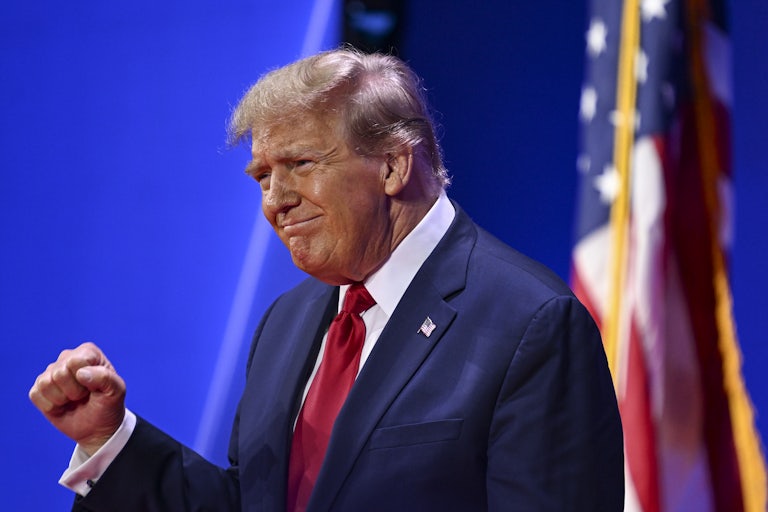
Donald Trump’s recent public appearances, marked by repeated word confusion and difficulty with simple physical tasks like clapping, have significantly heightened concerns about his cognitive health. These incidents have led to widespread speculation about dementia, drawing reactions from social media users, medical experts, and political commentators alike. As these fears continue to grow, it is crucial for the public and officials to seek clarity and transparency regarding his health status.
If you found this article insightful, stay updated with our latest news and analyses by subscribing to our newsletter. Your awareness matters in understanding the health and leadership dynamics shaping our world today.