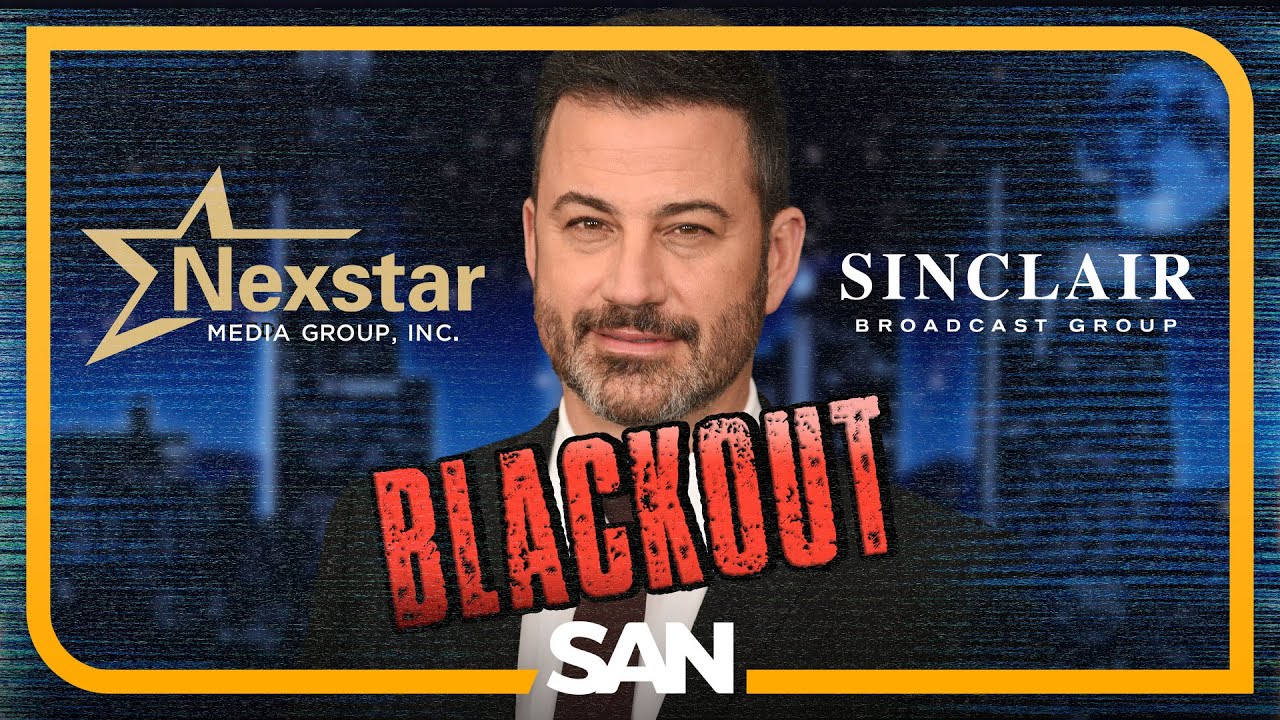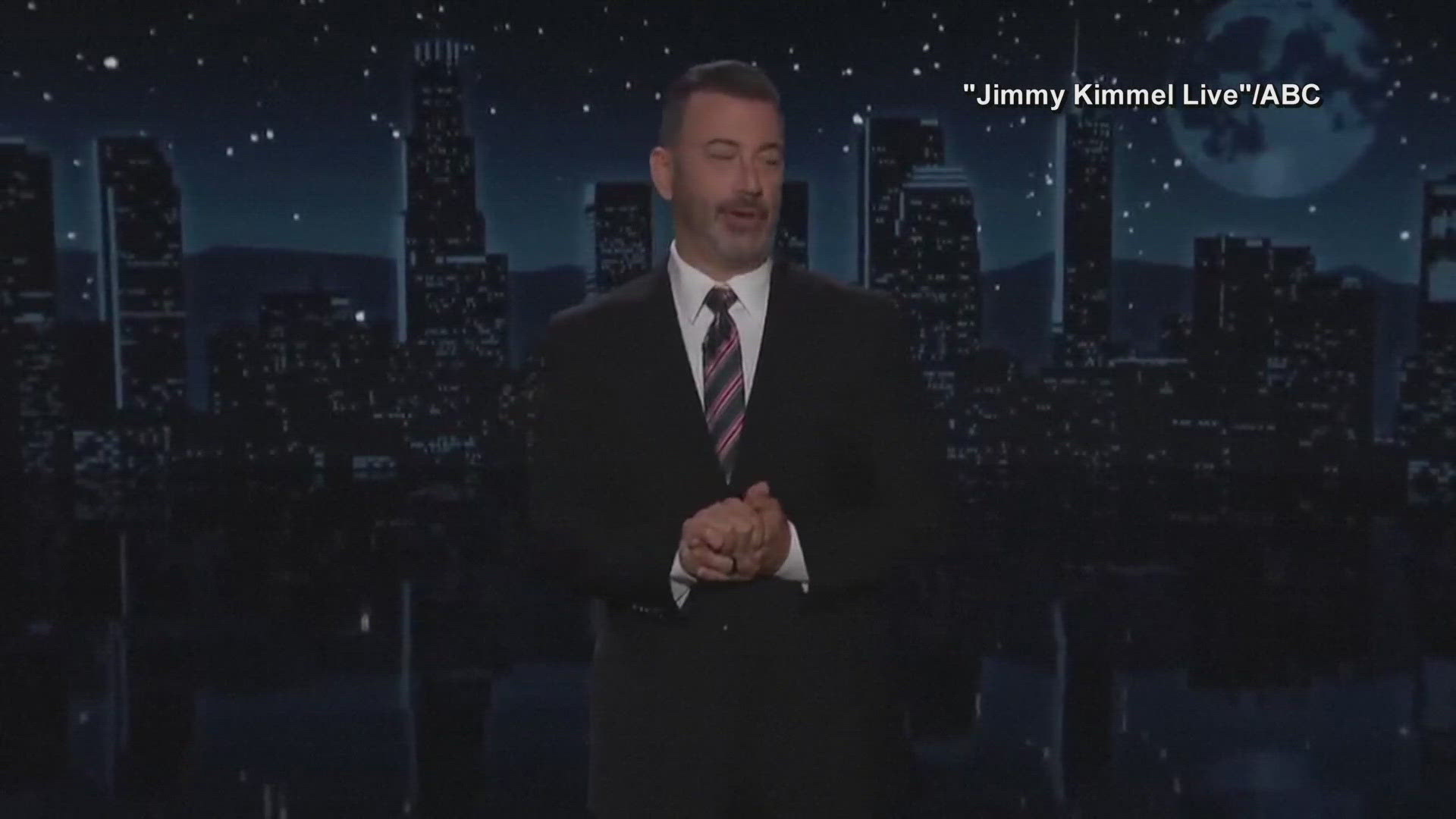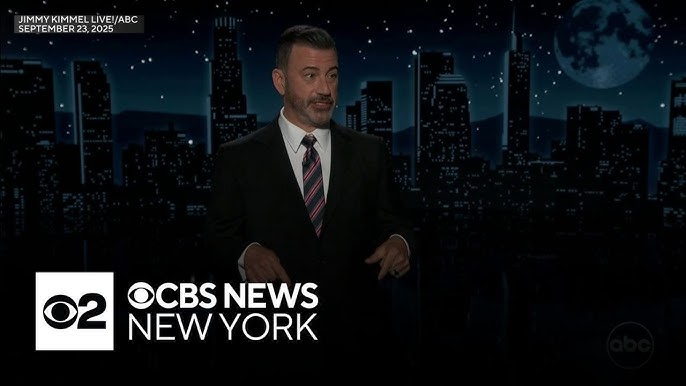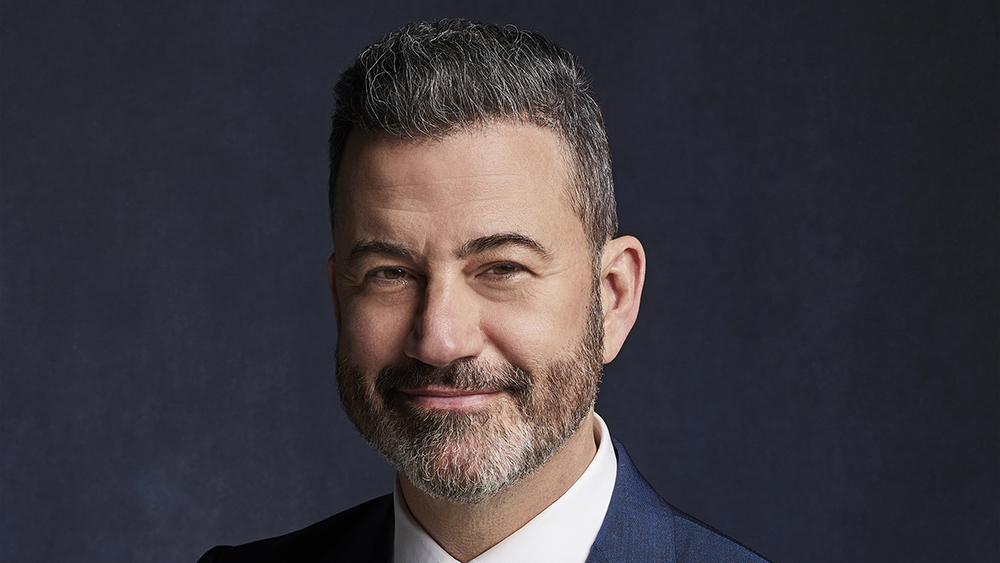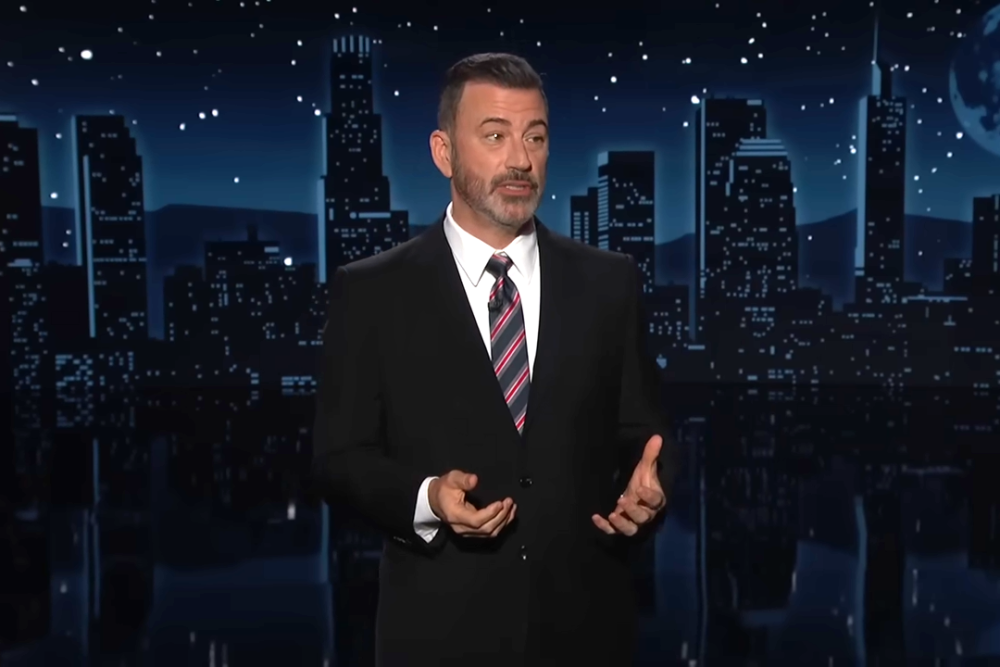
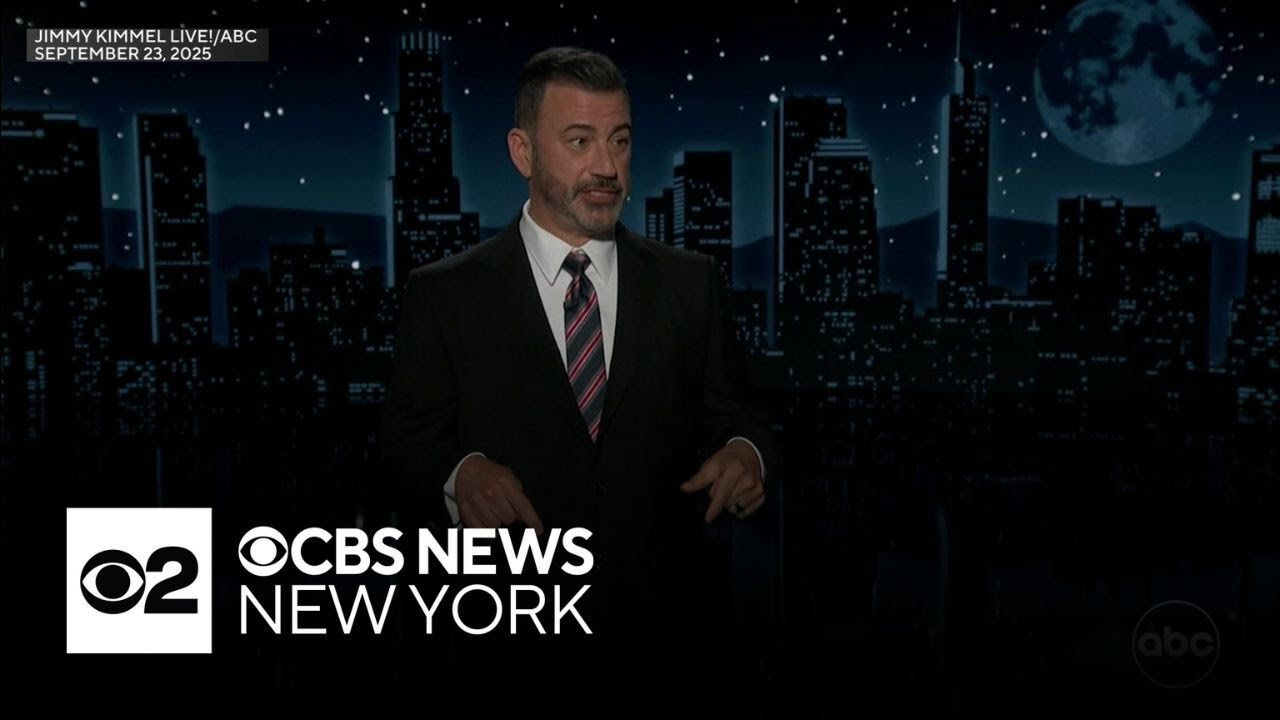
These are the Sinclair and Nexstar-owned ABC stations that won’t air Jimmy Kimmel’s return
Sinclair and Nexstar ABC Stations Black Out Jimmy Kimmel’s Return
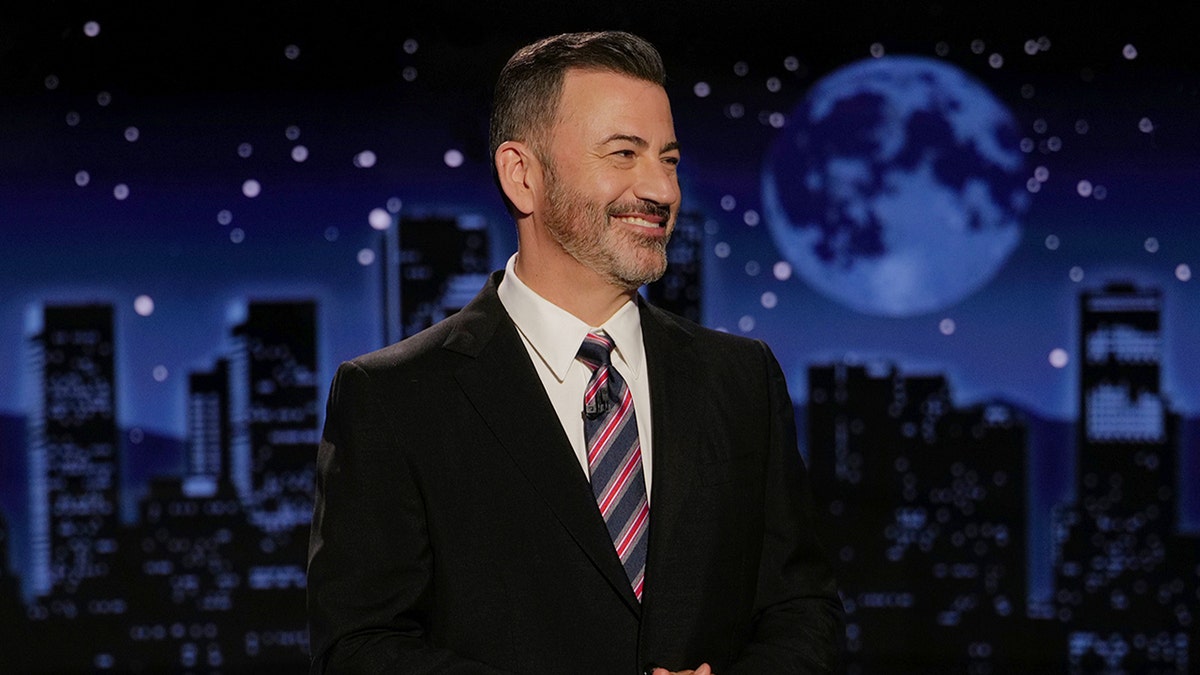
Jimmy Kimmel’s highly anticipated return to late-night television has been met with unexpected resistance from some of the largest ABC station owners in the United States. Sinclair Broadcast Group and Nexstar Media Group, which collectively operate dozens of ABC affiliates, have announced that they will not air the comeback episode of “Jimmy Kimmel Live!” following a controversial weeklong hiatus. This decision has sparked widespread discussion about media responsibility, censorship, and the impact of corporate ownership on local programming.
The blackout comes after Kimmel faced suspension due to comments he made linking conservative activist Charlie Kirk’s alleged killer to the “MAGA gang.” These remarks were deemed “ill-timed and insensitive” by Disney, ABC’s parent company, which initially pulled Kimmel off the air to avoid further inflaming tensions during a sensitive national moment. Despite Disney reinstating Kimmel, Sinclair and Nexstar have chosen to continue withholding the show from their ABC stations, citing concerns over the host’s comments and their potential impact on viewers.
Which ABC Affiliates Are Affected?

Sinclair Broadcast Group owns more than 180 television stations nationwide, including 41 ABC affiliates, making it the largest ABC station owner in the country. The company announced that starting with Kimmel’s return episode, it will preempt “Jimmy Kimmel Live!” across all its ABC affiliates, replacing the show with local news programming. Some of the key markets impacted by Sinclair’s decision include:
– WJLA in Washington, DC
– KOMO in Seattle, Washington
– KDNL in St. Louis, Missouri
– KATU in Portland, Oregon
– WHAM in Rochester, New York
– WSYX in Columbus, Ohio
– WBMA in Birmingham, Alabama
– KATV in Little Rock-Pine Bluff, Arkansas
Similarly, Nexstar Media Group, which operates 32 ABC affiliates, has also opted to keep “Jimmy Kimmel Live!” off its stations. Nexstar’s decision affects major markets such as Syracuse, Salt Lake City, Hartford, and Albany. The company cited the same concerns raised by Disney regarding Kimmel’s remarks and emphasized the importance of maintaining respectful discourse during critical times.
The Controversy Behind the Blackout
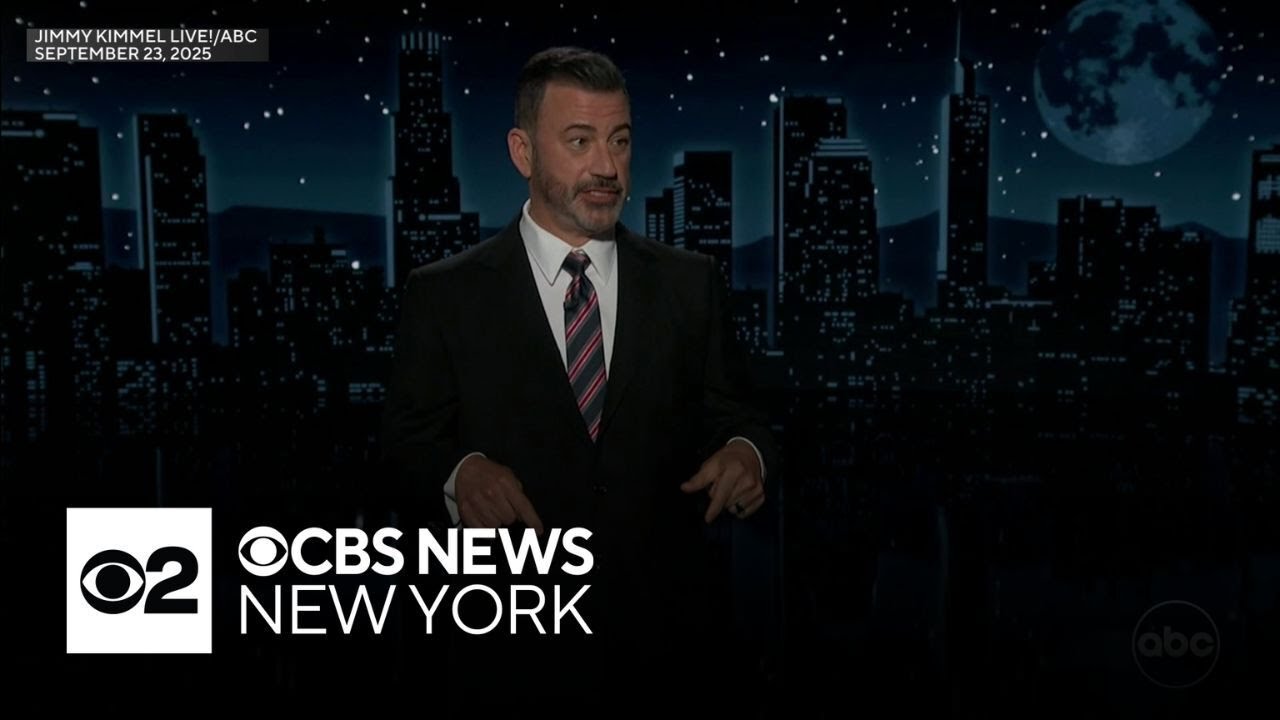
The controversy began when Jimmy Kimmel made a statement on his show that linked the accused killer of Charlie Kirk, a conservative activist and co-founder of Turning Point USA, to the “MAGA gang.” This claim was quickly criticized as inaccurate and inflammatory. Disney responded by suspending Kimmel, stating that his comments were “ill-timed and thus insensitive” amid a tense political climate.
Sinclair and Nexstar took a firmer stance by refusing to air Kimmel’s return episode unless he issued a direct apology to the Kirk family and made a donation to Turning Point USA. Sinclair’s vice chairman, Jason Smith, described Kimmel’s remarks as “inappropriate and deeply insensitive,” highlighting the responsibility broadcasters have in shaping public dialogue.
The suspension and subsequent blackout have ignited protests outside ABC stations and calls for boycotts against Disney. Former Disney CEO Michael Eisner criticized the decision to suspend Kimmel, calling it a capitulation to “out-of-control intimidation” by FCC Chairman Brendan Carr, who had warned Disney of potential regulatory consequences if it failed to act.
Impact on Viewers and the Broadcasting Landscape
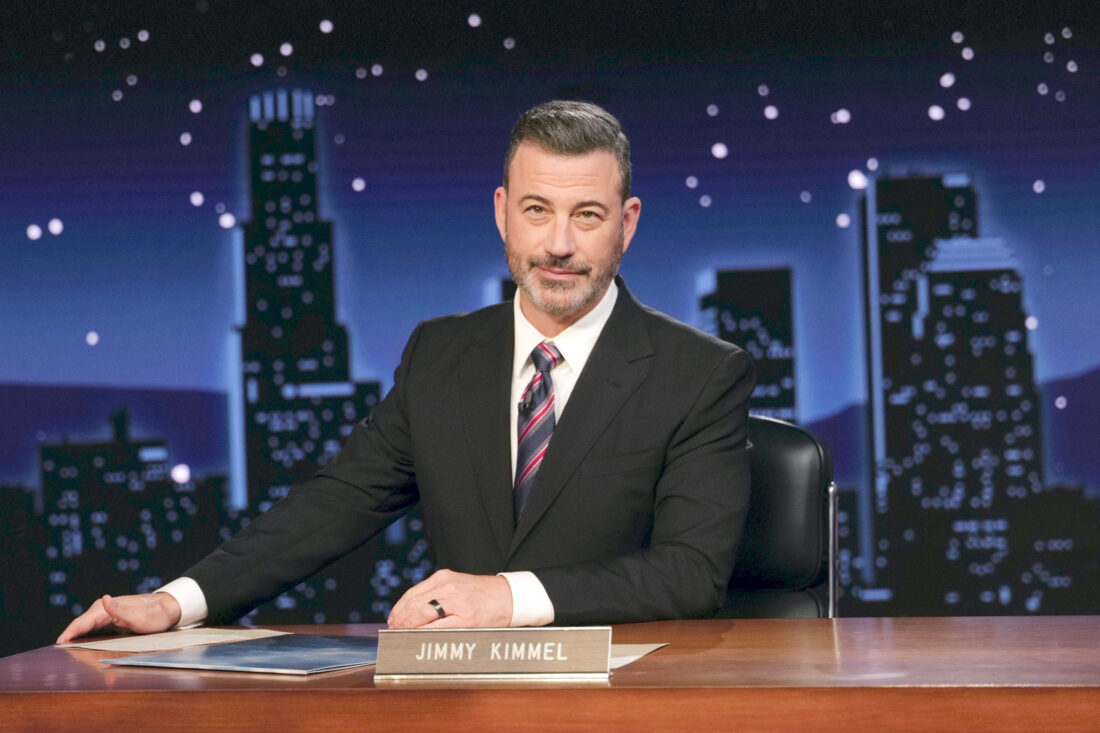
For viewers in affected markets, the absence of “Jimmy Kimmel Live!” means missing out on a staple of late-night entertainment. Instead, stations are airing local news or alternative programming during the show’s usual time slot. This move underscores the growing influence of station owners in determining what content reaches audiences, especially when national networks face internal controversies.
The standoff also raises questions about the balance between corporate oversight and creative freedom in broadcast media. While Disney aims to manage its brand image and avoid controversy, station owners like Sinclair and Nexstar are exercising their autonomy to reflect their audience’s values and concerns. This dynamic illustrates the complex relationship between network programming and local affiliate control.
Conclusion
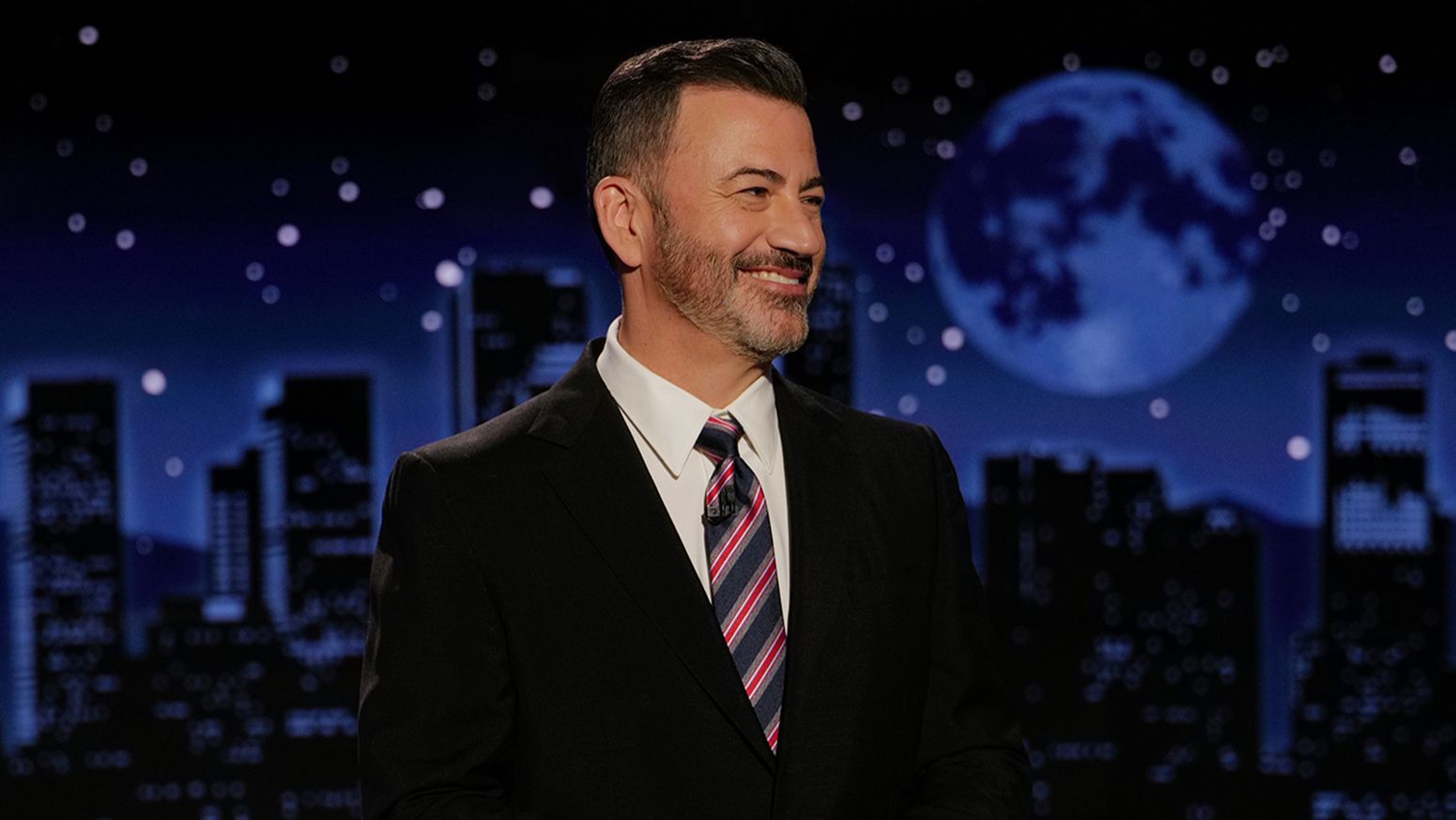
The decision by Sinclair and Nexstar-owned ABC stations to black out Jimmy Kimmel’s return highlights the ongoing tensions between media companies, content creators, and viewers. As the controversy unfolds, it remains to be seen whether Kimmel will meet the demands set by these station owners or if the blackout will continue. For audiences, this situation serves as a reminder of how corporate decisions can directly impact the availability of popular programming.
If you want to stay updated on the latest developments regarding Jimmy Kimmel’s show and other broadcasting news, be sure to follow your local ABC affiliate’s announcements and check trusted news sources regularly. Don’t miss out—subscribe to our newsletter for timely updates and in-depth analysis on media controversies and entertainment industry news.