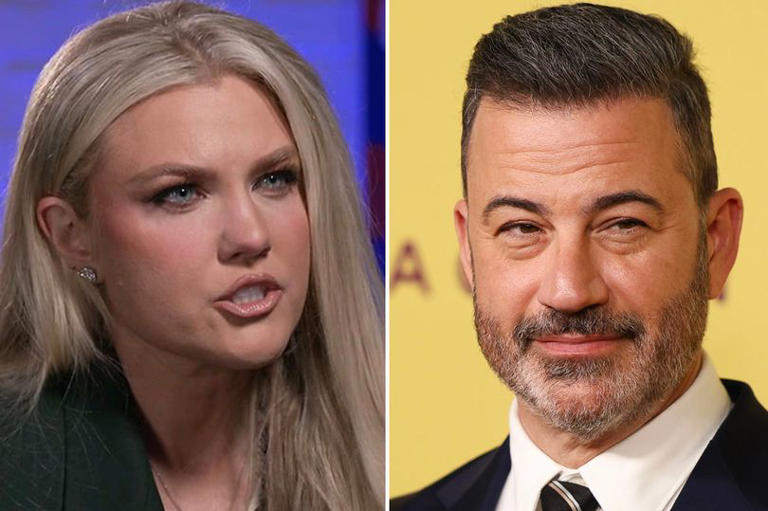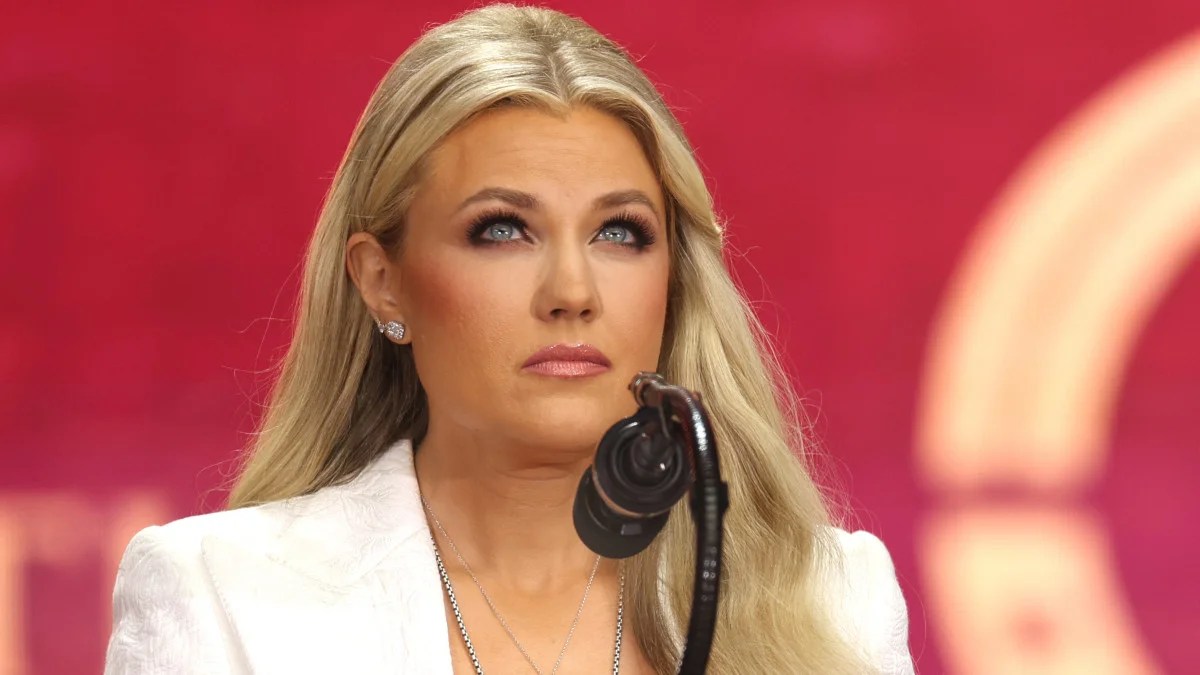
Erika Kirk Reveals Sinclair Offered to Push a Jimmy Kimmel Apology — and Shares Her Powerful Response
Erika Kirk and the Jimmy Kimmel Apology Offer: A Closer Look

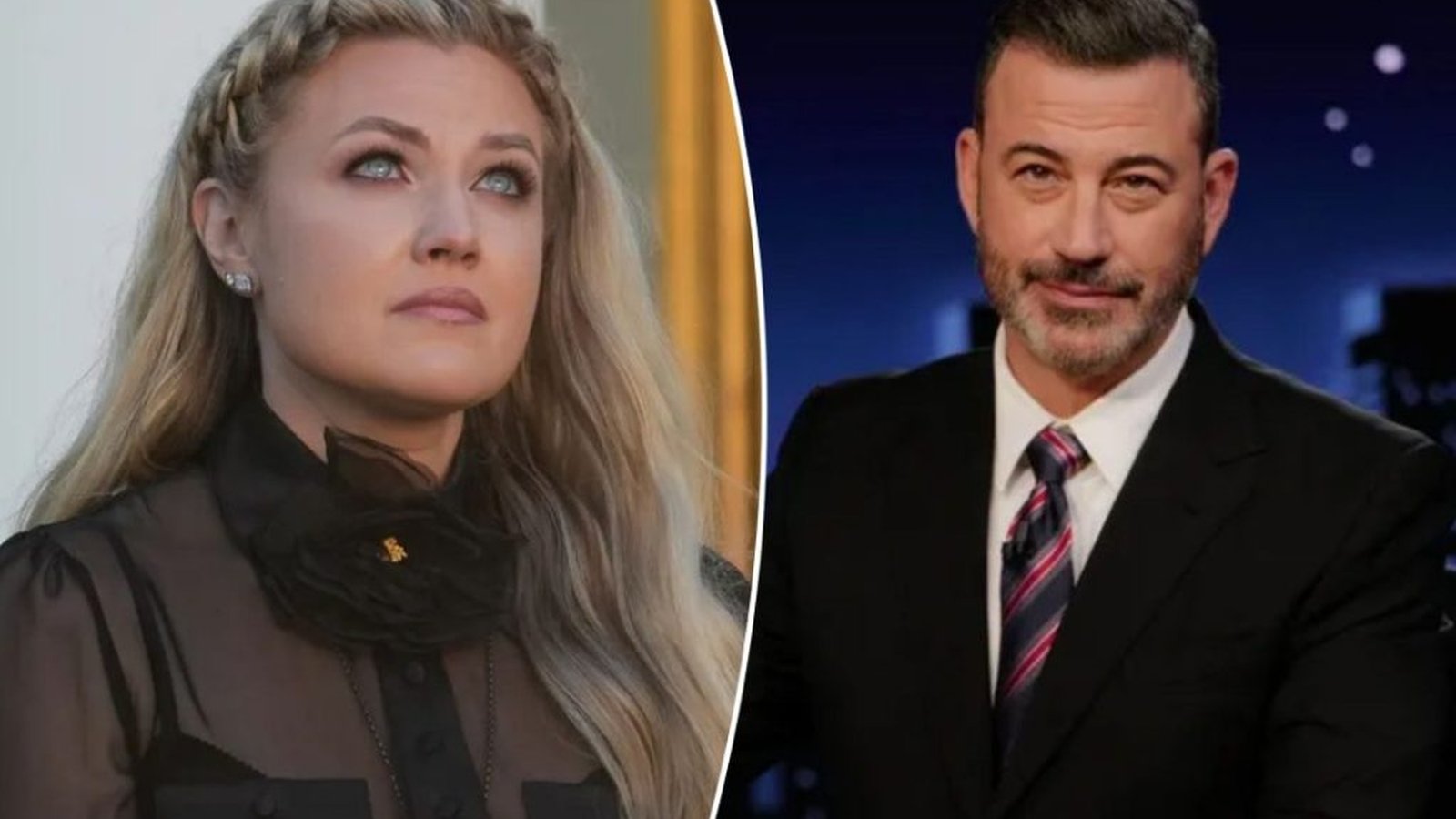
In the wake of a deeply tragic event—the assassination of conservative activist Charlie Kirk—late-night host Jimmy Kimmel sparked outrage with his controversial remarks during a monologue. The backlash was swift, leading to Kimmel’s temporary suspension from the airwaves. Amid this turmoil, Erika Kirk, Charlie Kirk’s widow, disclosed that Sinclair Broadcast Group approached her with an offer: to arrange an on-air apology from Jimmy Kimmel. However, Erika’s response was both firm and profound, shedding light on the true meaning of accountability and compassion.
The Controversy Surrounding Jimmy Kimmel’s Remarks
On September 15, 2025, Jimmy Kimmel made headlines for comments he made during his show’s monologue regarding the assassination of Charlie Kirk. Kimmel suggested that Kirk’s alleged assassin, Tyler Robinson, had ties to the “MAGA gang,” a claim that ignited political tensions and widespread condemnation. His remarks were perceived by many as insensitive and politically charged, especially given the emotional gravity of the situation.
The backlash was not limited to public opinion. Major media companies, including Sinclair Broadcast Group and Nexstar Media—the two largest owners of ABC-affiliated stations—responded decisively. They pulled Kimmel’s show from their airwaves, exerting pressure on Disney, Kimmel’s employer, to take disciplinary action. Disney subsequently suspended Kimmel, citing the need to “avoid further inflaming a tense situation at an emotional moment for our country.”
Sinclair’s Offer and Erika Kirk’s Powerful Response
Following the suspension, Sinclair Broadcast Group reached out to Erika Kirk with a proposal: they offered to facilitate an apology from Jimmy Kimmel on his show. This gesture was intended to mend fences and perhaps provide some closure to the controversy.
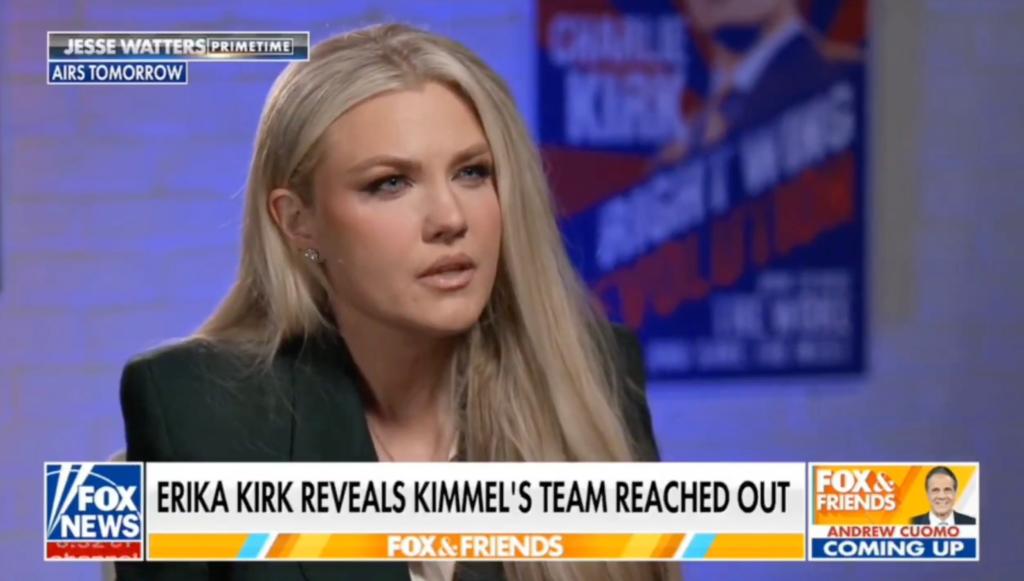
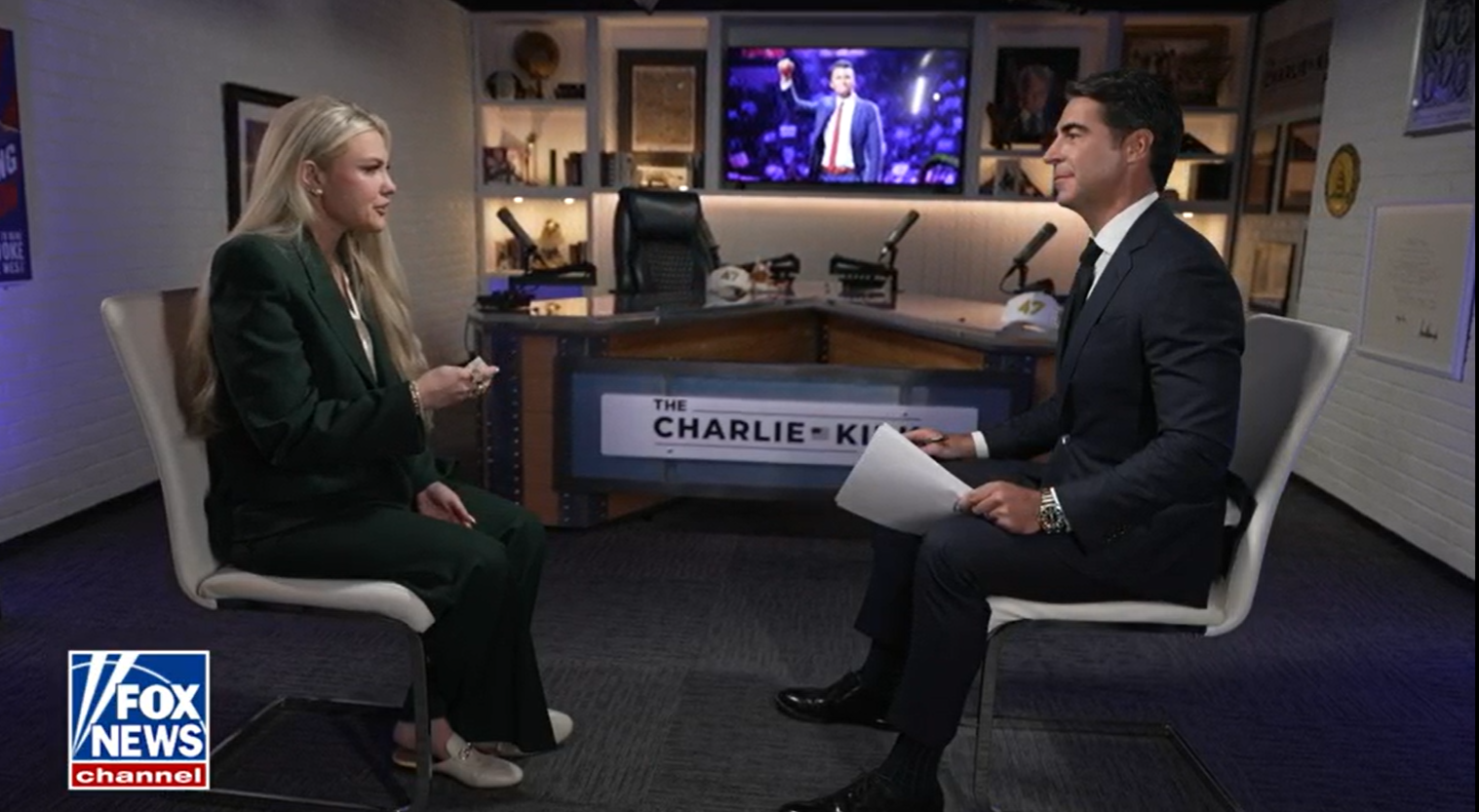
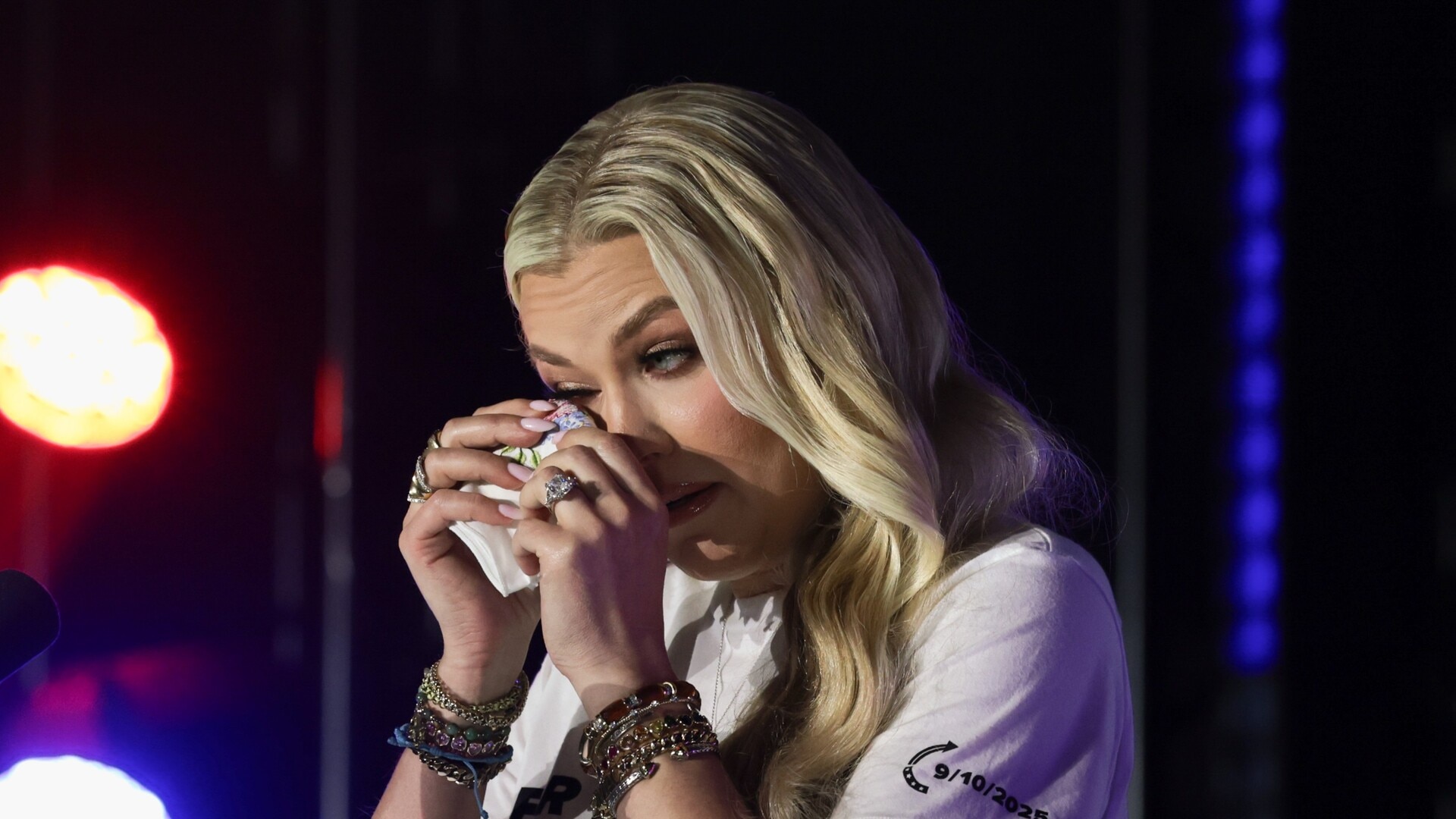
However, Erika Kirk’s response was clear and resolute. Speaking with Fox News’ Jesse Watters, she expressed that she did not desire an apology unless it was heartfelt and sincere. “If you wanna say I’m sorry to someone who’s grieving, go right ahead. But if that’s not in your heart, then don’t do it. I don’t want it. I don’t need it,” she stated. Her words underscored the importance of genuine empathy over performative gestures, emphasizing that true healing cannot be manufactured for public consumption.
The Broader Impact of the Incident on Media and Political Discourse
The incident involving Jimmy Kimmel’s remarks and the subsequent fallout highlights several critical issues in today’s media landscape and political climate.
Media Responsibility in Sensitive Times
The controversy serves as a reminder of the immense responsibility media personalities and outlets bear when addressing sensitive topics, especially those involving violence and loss. Comments that may seem politically motivated or insensitive can exacerbate tensions and deepen divisions within society. Sinclair’s decision to pull Kimmel’s show from its stations reflects a growing demand for accountability and ethical standards in broadcasting.
Political Violence and National Healing
Charlie Kirk’s assassination was a shocking event that sent ripples across the nation, raising concerns about the rise of political violence. In such moments, public figures have a unique role to play in fostering unity and understanding rather than deepening partisan divides. Erika Kirk’s stance reminds us that compassion and respect for grieving families should transcend political agendas.
The Role of Apologies in Public Discourse
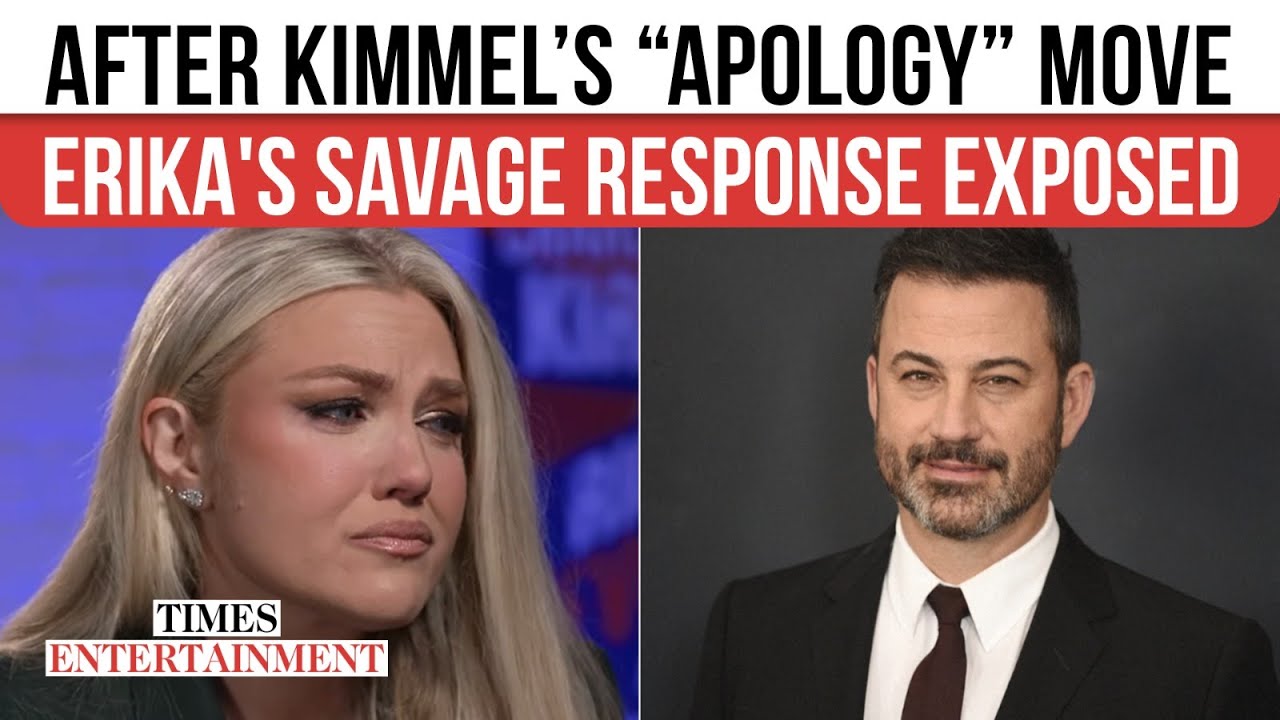
Apologies in the public sphere can be powerful tools for reconciliation, but only when they are sincere. Erika Kirk’s refusal to accept a potentially insincere apology from Kimmel highlights the difference between genuine remorse and performative acts intended to appease public opinion. This distinction is crucial in an era where public figures often navigate complex social and political pressures.
Conclusion
Erika Kirk’s revelation about Sinclair’s offer to push a Jimmy Kimmel apology—and her heartfelt refusal—offers an important lesson about empathy, sincerity, and the true meaning of accountability. In times of tragedy and political tension, it is essential for public figures and media outlets to prioritize genuine compassion over performative gestures. As the nation continues to grapple with the implications of political violence and media responsibility, Erika Kirk’s powerful response stands as a testament to the strength found in authenticity.
If you found this article insightful, be sure to share it with others and stay informed on the latest developments in media and political discourse.