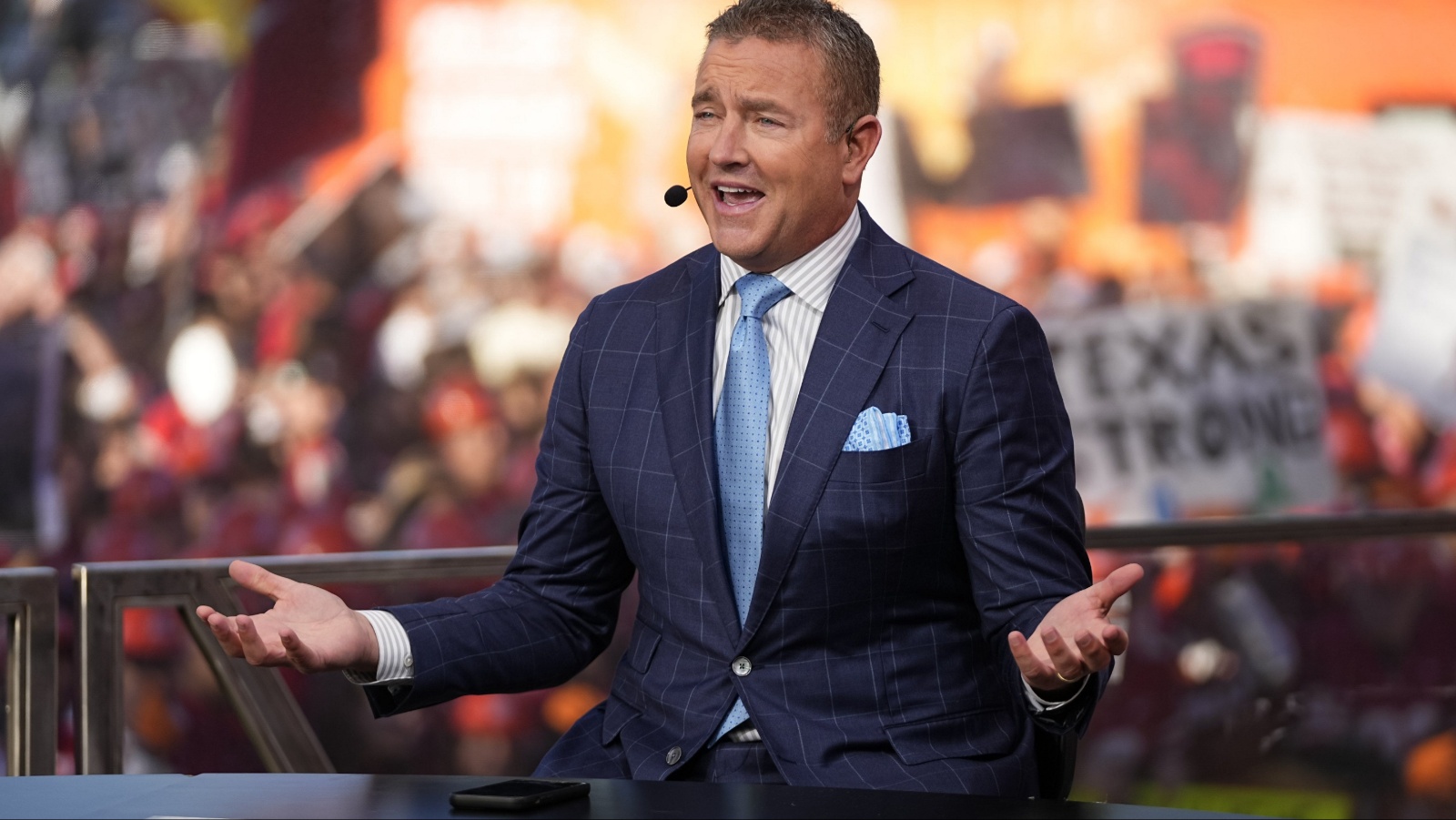
ESPN’s Kirk Herbstreit Made Controversial Comments About Bowl Games
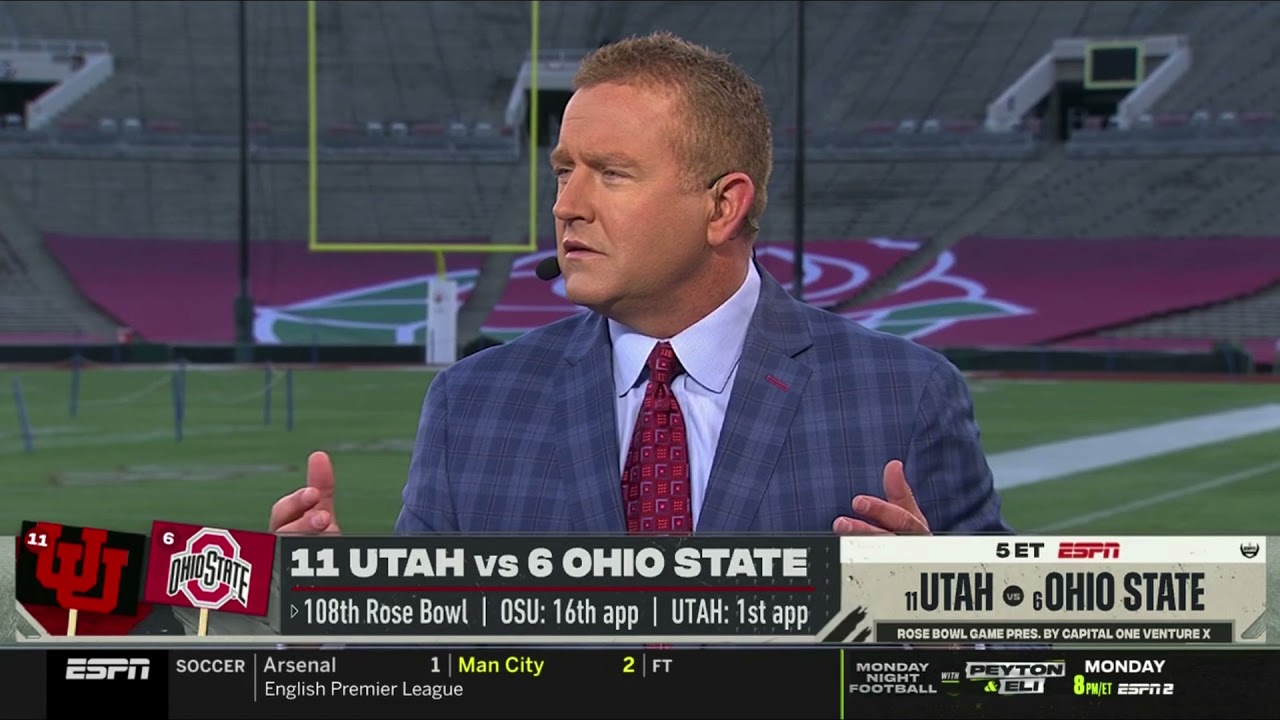
Kirk Herbstreit Criticizes the Proliferation of College Football Bowl Games

College football’s postseason has long been a cherished tradition, celebrating teams that have excelled during the regular season. However, with the recent expansion of the College Football Playoff (CFP) to 12 teams and the increasing number of bowl games, ESPN analyst Kirk Herbstreit has voiced strong opinions about the current state of bowl season. His remarks have stirred controversy and sparked a broader conversation about the relevance and value of bowl games in today’s college football landscape.
During a recent episode of the “Nonstop” podcast, hosted by Herbstreit and Joey Galloway, the ESPN broadcaster reflected on comments he made at an internal ESPN seminar. He questioned whether the network—and the sport as a whole—has created too many bowl games, thereby diluting the prestige that once came with postseason play.
“Bowl games are supposed to be special,” Herbstreit said. “They’re supposed to be a reward for a great year. Do we have to have all these 6-6 teams and create these bowls just because they rate well? I feel like we’re oversaturating the bowl season.” His candid remarks underscore a growing concern among fans, analysts, and players alike: that the postseason has lost some of its luster due to an abundance of bowl invitations extended to teams with mediocre or even losing records.
The Impact of Bowl Game Expansion on College Football

Historically, bowl games were limited in number and reserved for teams with strong winning records. For decades, there were roughly 15 to 18 bowl games annually, and teams often had to finish with at least an 8-4 record to qualify. This exclusivity made bowl appearances a coveted reward and a testament to a team’s successful season.
Today, that landscape has shifted dramatically. The number of bowl games has ballooned, and the eligibility criteria have relaxed. This season, for example, teams like Rice and Mississippi State earned bowl invitations despite finishing with 5-7 records—below the .500 mark that traditionally signified a winning season. Even if these teams win their postseason matchups, they will not have a winning record for the year, yet they will still receive a trophy and the associated recognition.
Herbstreit’s critique highlights this trend, suggesting that the sheer volume of bowl games has led to a dilution of their significance. He pointed out that many programs are now invited simply because they have enough players to field a team, rather than because they have demonstrated excellence on the field. This oversaturation, he argues, undermines the original purpose of bowl games as a celebration of outstanding achievement.
Adding to the complexity, several prominent programs have recently declined bowl invitations. For instance, No. 11 Notre Dame opted out of the Pop-Tarts Bowl after being excluded from the CFP bracket. The Irish cited concerns about player availability, with many seniors choosing to prepare for the NFL Draft and others exploring transfer options. Similar decisions have been made by multiple Big 12 teams, reflecting a growing skepticism about the value of participating in lower-tier bowl games.
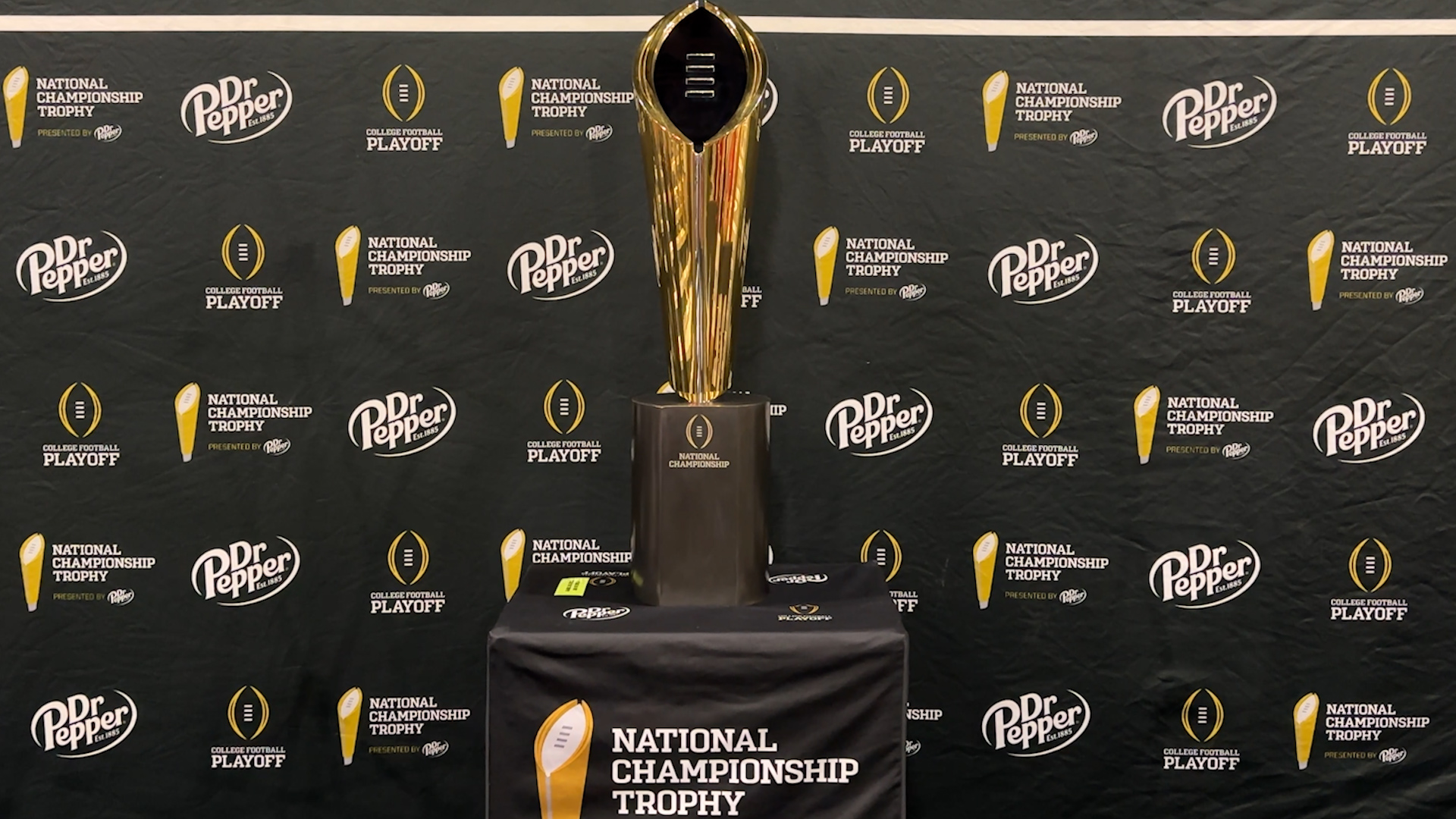
The expansion of the CFP to 12 teams also plays a role in this dynamic. With more teams competing for the national championship, the traditional bowl schedule has become less relevant for many programs. The focus has shifted toward the playoff, leaving other bowl games struggling to maintain their prestige and fan interest.
What Does This Mean for the Future of Bowl Season?

Kirk Herbstreit’s comments have ignited a debate about how college football should approach its postseason moving forward. Should the number of bowl games be reduced to restore their exclusivity? Should eligibility requirements be tightened to ensure only truly deserving teams participate? These questions are central to discussions among broadcasters, athletic departments, and the NCAA.
Some argue that reducing the number of bowl games would increase competition and excitement around postseason play. A smaller, more selective bowl schedule could restore the sense of accomplishment associated with earning a bowl bid. It might also encourage teams to strive harder during the regular season to secure a coveted spot.
Others contend that bowl games provide valuable opportunities for programs to gain exposure, generate revenue, and reward players with additional practice and game experience. For smaller schools or those in rebuilding phases, bowl participation—even with a .500 or losing record—can be a positive step forward.
Ultimately, the future of bowl season may require a balance between maintaining tradition and adapting to the evolving landscape of college football. Herbstreit’s perspective serves as a catalyst for this important conversation, urging stakeholders to reconsider how postseason play can best serve the sport, its athletes, and its fans.
Conclusion
Kirk Herbstreit’s controversial remarks about the oversaturation of college football bowl games have brought renewed attention to the postseason’s evolving role. By questioning the proliferation of bowl games and advocating for higher eligibility standards, Herbstreit challenges the status quo and invites fans and officials to reflect on what makes bowl season truly special. As college football continues to grow and change, it’s crucial to preserve the integrity and excitement of postseason play. If you’re passionate about college football and want to stay updated on the latest news and debates, be sure to follow our coverage and join the conversation today!