
Evangeline Lilly Shares Treatment Plan After Traumatic Brain Injury: ‘I Have Spent a Lot of Money’
Evangeline Lilly’s Journey to Healing After Traumatic Brain Injury
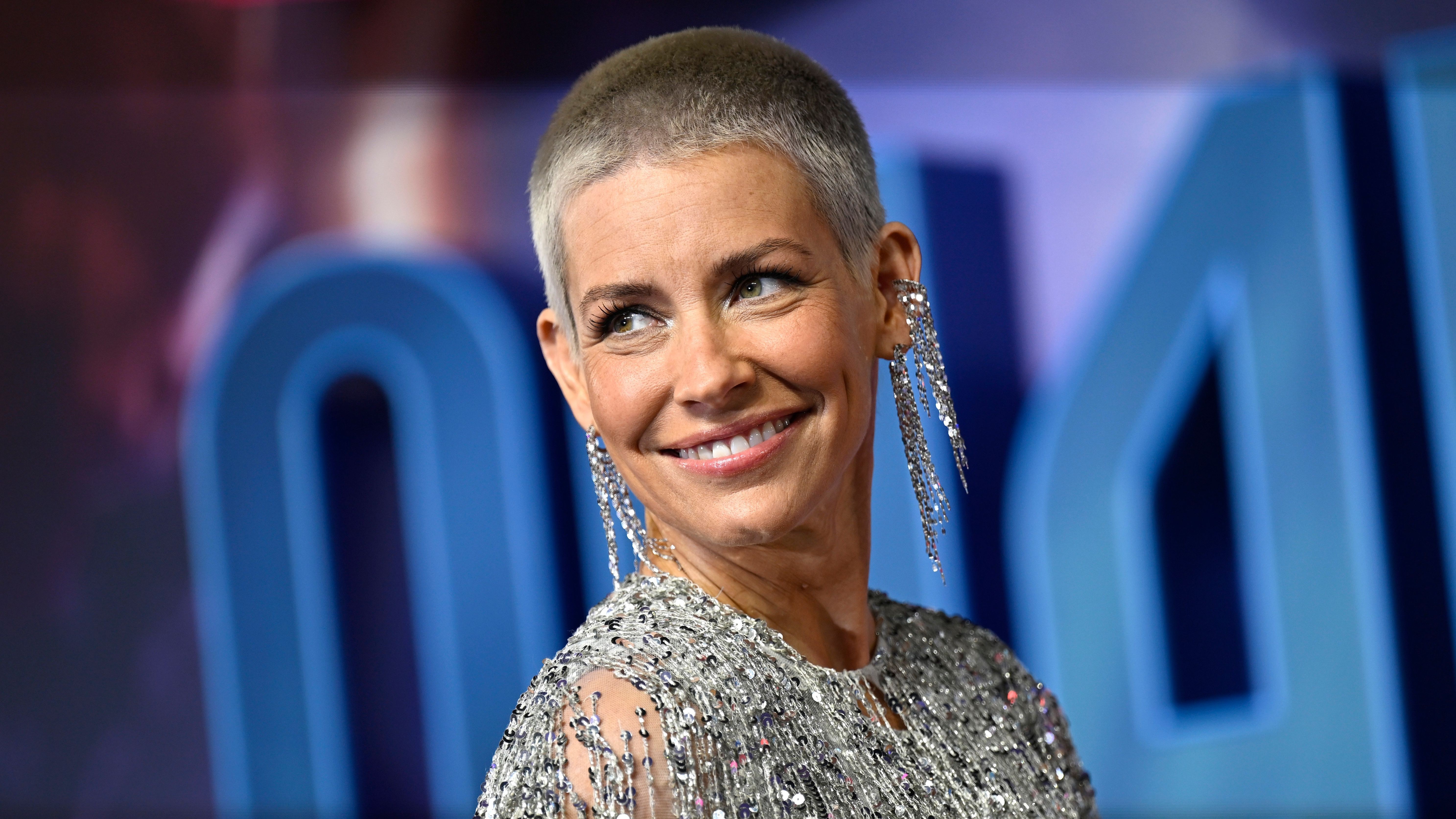
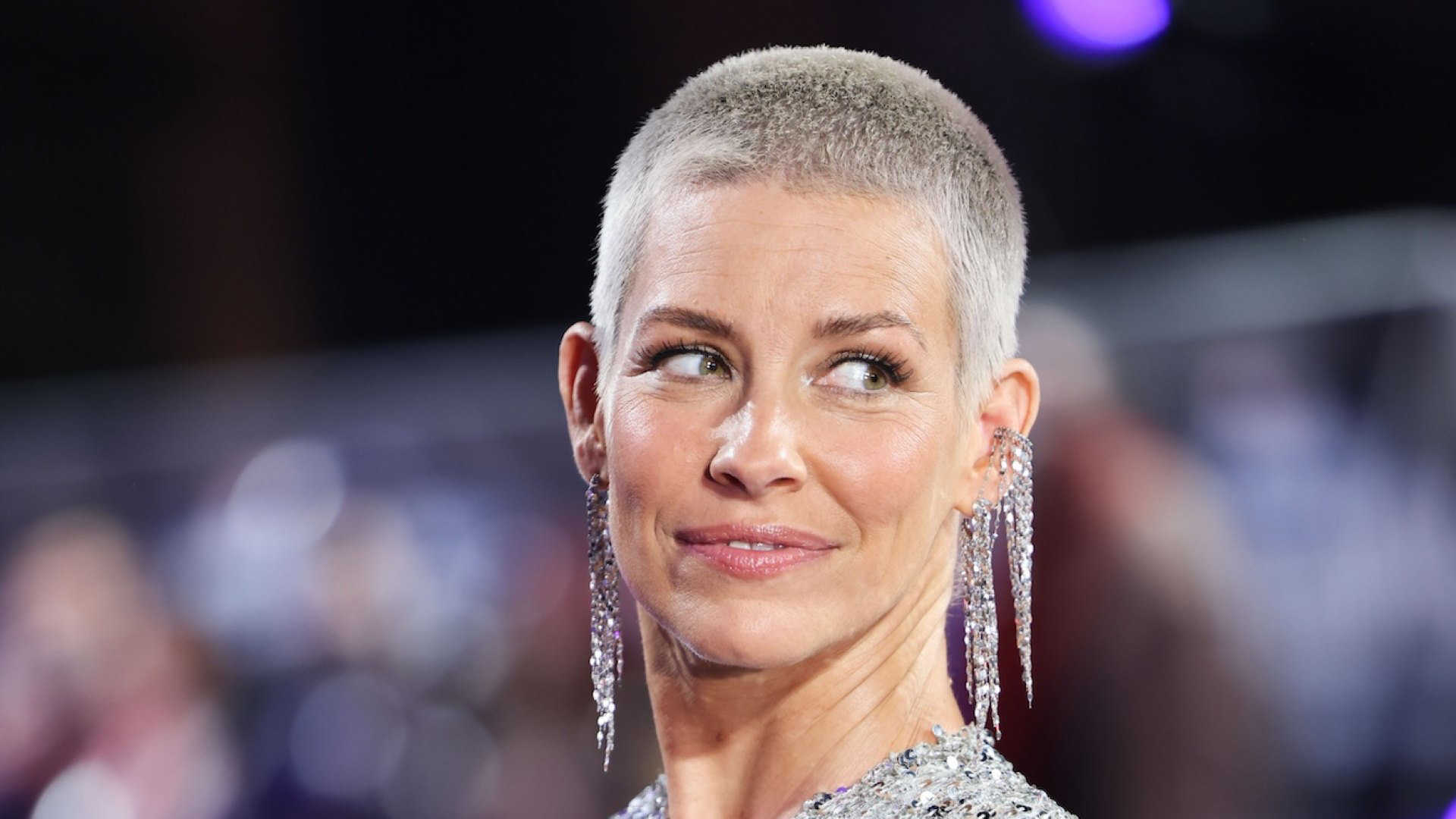
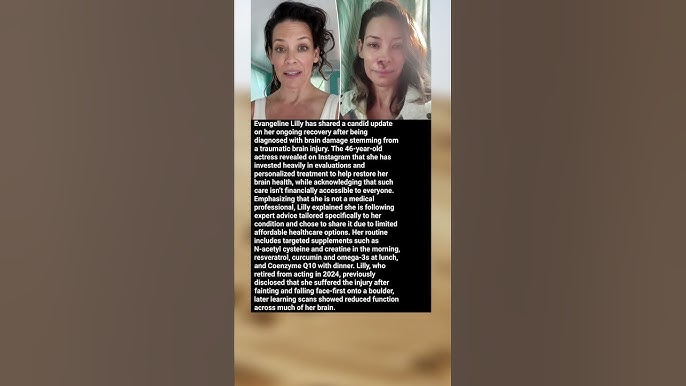
Evangeline Lilly, renowned for her roles in “Lost” and “The Hobbit,” recently shared an intimate update on her recovery after suffering a traumatic brain injury (TBI). The 46-year-old actress revealed the extensive treatment plan she has adopted to restore her brain health, emphasizing the financial and emotional investment involved in her healing process.
In a heartfelt Instagram video, Lilly candidly admitted, “I have spent a lot of money getting evaluated and getting targeted, expert advice on how to heal my brain.” She acknowledged the reality that not everyone has access to such resources, highlighting the challenges many face when seeking specialized medical care for brain injuries.
The Incident and Its Aftermath

The injury occurred in May 2025 when Lilly fainted on a rocky beach and fell face-first onto a boulder. The accident resulted in severe facial injuries, including bruises, lacerations, and a dislodged front tooth. More critically, she sustained a concussion that led to brain damage, a diagnosis confirmed by medical scans.
Lilly described the scan results as showing “almost every area in my brain is functioning at a decreased capacity.” This revelation was both sobering and motivating, as she recognized the uphill battle ahead to reverse the cognitive decline caused by the injury.
Targeted Treatment Plan for Brain Health Restoration
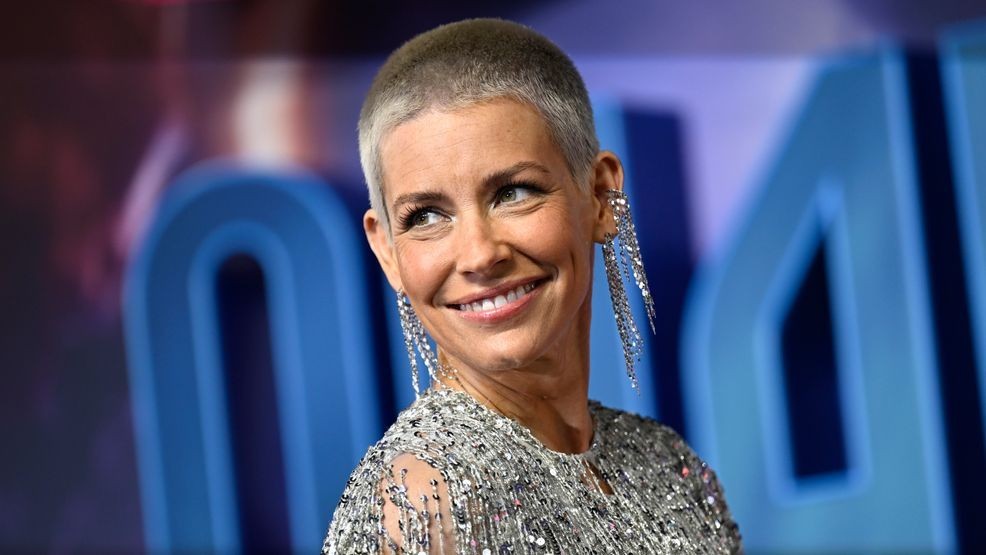
Evangeline Lilly’s treatment approach is highly personalized, based on expert evaluations and tailored advice. She stresses that her regimen may not be suitable for everyone and encourages individuals to seek professional guidance for their specific needs.
Her daily routine includes a variety of supplements aimed at addressing deficiencies and supporting brain function:
– Morning: N-Acetyl Cysteine (NAC) and creatine, known for their neuroprotective and energy-boosting properties.
– Lunch: Resveratrol, curcumin, and omega-3 fatty acids, which have anti-inflammatory and antioxidant effects beneficial for brain health.
– Dinner: Coenzyme Q10, a compound that supports cellular energy production and may help mitigate brain injury effects.
Lilly’s commitment to this regimen reflects her determination to optimize her recovery, despite the significant financial costs involved. She openly admits that she considers herself fortunate to afford such comprehensive care, recognizing that many others may not have the same opportunity.
Challenges and Realities of Brain Injury Recovery
Recovering from a traumatic brain injury is a complex and often prolonged process. Lilly’s experience underscores several key challenges:
– Financial Burden: Specialized evaluations, supplements, and therapies can be expensive, making access to care difficult for many.
– Cognitive Impact: Brain injuries can affect multiple areas of brain function, leading to cognitive decline that requires targeted intervention.
– Emotional Toll: The uncertainty and difficulty of recovery can be emotionally taxing, necessitating support from loved ones and the community.
By sharing her story, Lilly brings awareness to these challenges and offers hope to others facing similar struggles.
Conclusion

Evangeline Lilly’s openness about her traumatic brain injury and her detailed treatment plan sheds light on the realities of brain injury recovery. Her journey highlights the importance of expert advice, personalized care, and perseverance in healing. If you or someone you know is dealing with a brain injury, consider consulting healthcare professionals to develop a tailored treatment plan. Stay informed, stay proactive, and prioritize brain health—because recovery is possible.
For more inspiring health and wellness stories, subscribe to our newsletter and stay updated on the latest in brain injury treatments and recovery strategies.