What Jodi Arias’ Life In Prison Is Really Like
Inside Jodi Arias’ Life Behind Bars
The name Jodi Arias is synonymous with one of the most notorious murder cases in recent American history. Convicted in 2013 for the brutal first-degree murder of Travis Alexander, Arias’ life behind bars has been a subject of public fascination and media scrutiny ever since. But beyond the headlines and sensationalized portrayals, what is Jodi Arias’ life in prison really like? This article delves into the realities of her incarceration, exploring her daily existence, privileges, challenges, and the complex social dynamics she navigates while serving her life sentence without parole.
Jodi Arias’ Life In Prison: Transfers, Custody, and Daily Routine

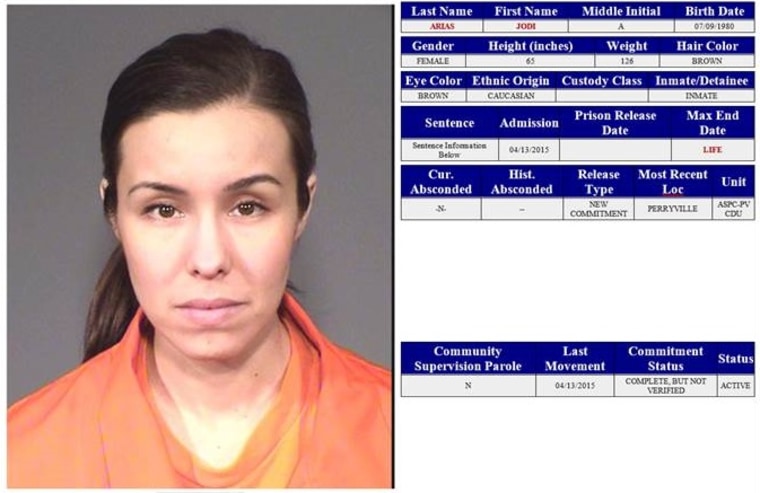
Following her conviction, Jodi Arias was initially held in several detention centers, including the Arizona State Prison Complex, Estrella Jail, and Maricopa County Jail. These early transfers were part of the local prison system’s process before she was moved to Perryville Prison in Goodyear, Arizona, where she serves her life sentence. Notably, Perryville is located less than an hour from Mesa, Arizona, the hometown of her victim, Travis Alexander.
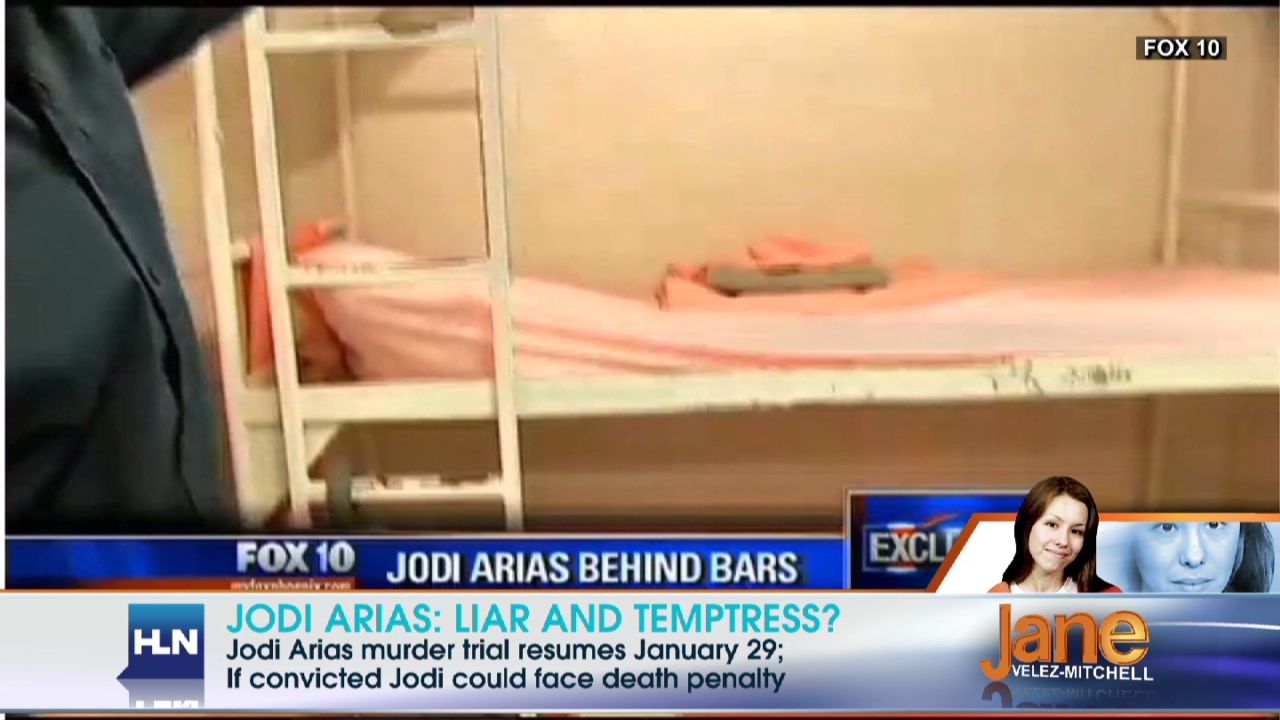
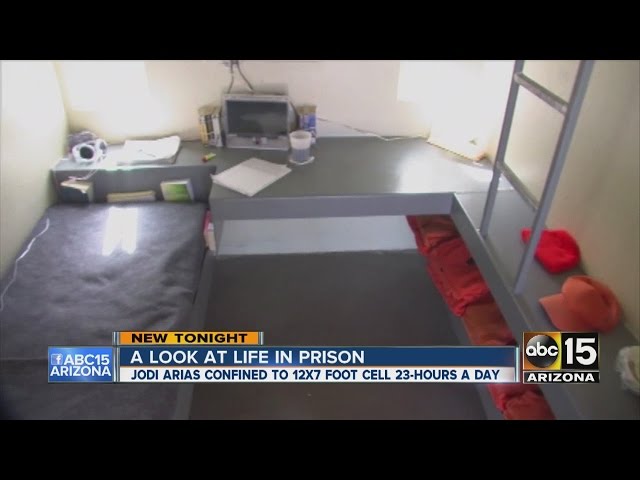
During her first two years at Perryville, Arias was placed in maximum custody. This meant she was confined to a small cell measuring approximately 12 by 7 feet for 23 hours a day, with only two hours per week allowed for visitation — and even then, separated by thick glass. The conditions were harsh and isolating, reflecting the severity of her crime and the prison’s security protocols.
Over time, Arias was moved to close custody, a less restrictive classification that allowed her to have cellmates and interact with other inmates in group settings. This shift brought some relief from the claustrophobic isolation of maximum security. She also found ways to keep busy, initially performing menial tasks like scrubbing toilets before transitioning to a more desirable role as a library aide in 2018. Although this new position came with a pay cut—from 50 cents to 40 cents an hour—it offered a more engaging and less unpleasant daily routine.
Food, Entertainment, and Social Interaction Behind Bars

Contrary to popular belief, the food in Perryville Prison is not uniformly terrible. Arias herself has described the weekday meals as somewhat bland, often consisting of sandwiches, but noted that weekend meals are more substantial and enjoyable. She has mentioned dishes like chicken fajitas with caramelized onions and bell peppers, as well as hearty breakfasts featuring hash browns, pancakes, sausage patties, and fruit. These meals provide some comfort amid the otherwise stark prison environment.
Entertainment options are surprisingly varied. Arias has access to numerous television channels, including major networks like ABC, CBS, FOX, CNN, and specialty channels such as Lifetime and A&E. She can also listen to any FM radio station, keeping her connected to the outside world in a limited but meaningful way. While internet access is restricted, Arias reportedly has a tablet with a news app, allowing her to stay informed.
Socially, Arias’ interactions have been complex. Early friendships with cellmates Tracy Brown and Donovan Bering eventually soured as they came to recognize her manipulative tendencies. Reports from former cellmates reveal that Arias used her charm and flirtation to influence both inmates and guards, sometimes obtaining privileges that other prisoners did not receive. Despite these dynamics, Arias has maintained a presence on social media through friends who manage her accounts, and she continues to correspond with pen pals and visitors.
Challenges, Threats, and Controversies in Prison

Life in prison is far from easy, even for someone with Arias’ notoriety and some privileges. She has faced serious threats to her safety, including a plot to hire an inmate to harm her and verbal threats from fellow prisoners. These dangers have led to increased security measures, such as moving her to a cell with air conditioning after an attempted rescue plot by an outsider.
Arias has also experienced disciplinary actions. Under the supervision of former Maricopa County Sheriff Joe Arpaio, her privileges were curtailed multiple times due to violations like unauthorized communications and inappropriate language toward staff. These incidents resulted in suspended visitation rights and commissary access, underscoring the strict rules governing inmate behavior.
Despite these challenges, Arias has found ways to express herself and generate income. She sells artwork through her personal website, a pursuit she describes as both a passion and a necessity due to financial struggles in prison. Additionally, she has tattooed fellow inmates, further demonstrating her resourcefulness and adaptability behind bars.
Conclusion
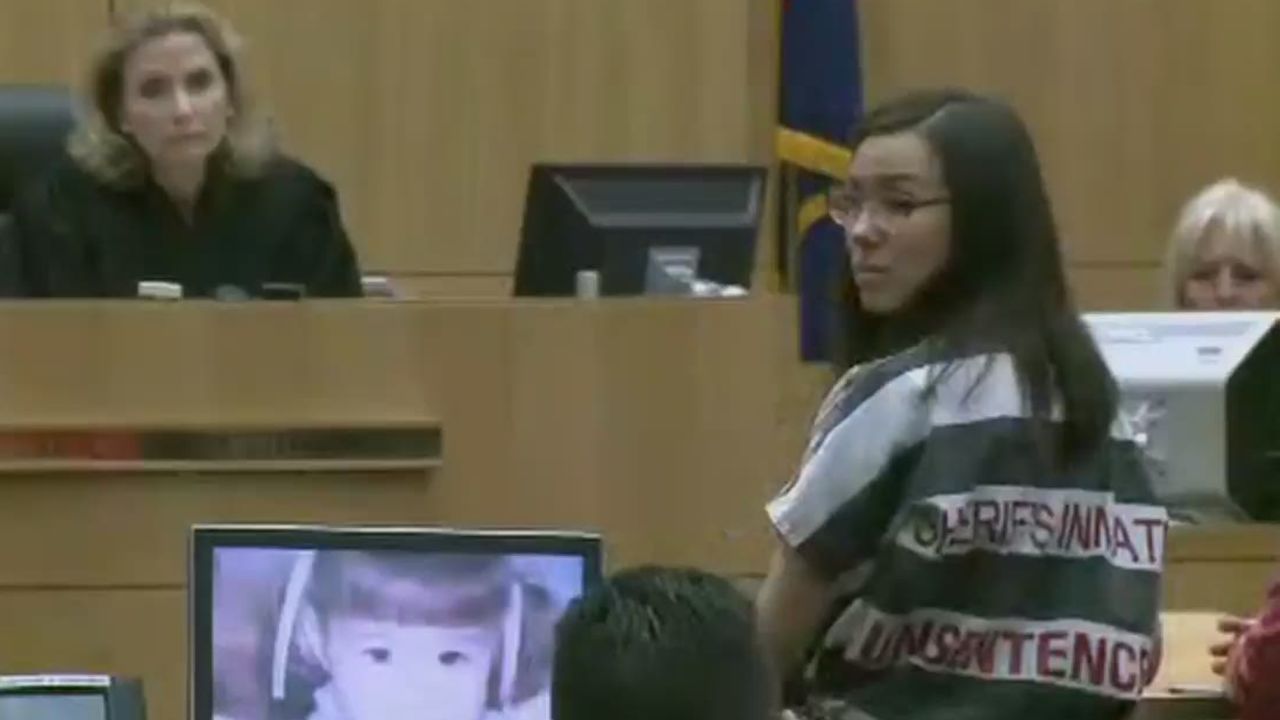
Jodi Arias’ life in prison is a complex mix of isolation, limited freedoms, social manipulation, and occasional privileges. While she endures the harsh realities of incarceration, she also manages to maintain connections with the outside world and pursue creative outlets. Her story is a stark reminder of the multifaceted nature of prison life, especially for high-profile inmates.
If you found this insight into Jodi Arias’ prison life informative, be sure to share it with others interested in true crime and criminal justice. Stay tuned for more in-depth articles that explore the lives of notable figures behind bars.