
Unhealthy Food Combinations You Should Always Avoid
Understanding Unhealthy Food Combinations and Their Impact on Your Health
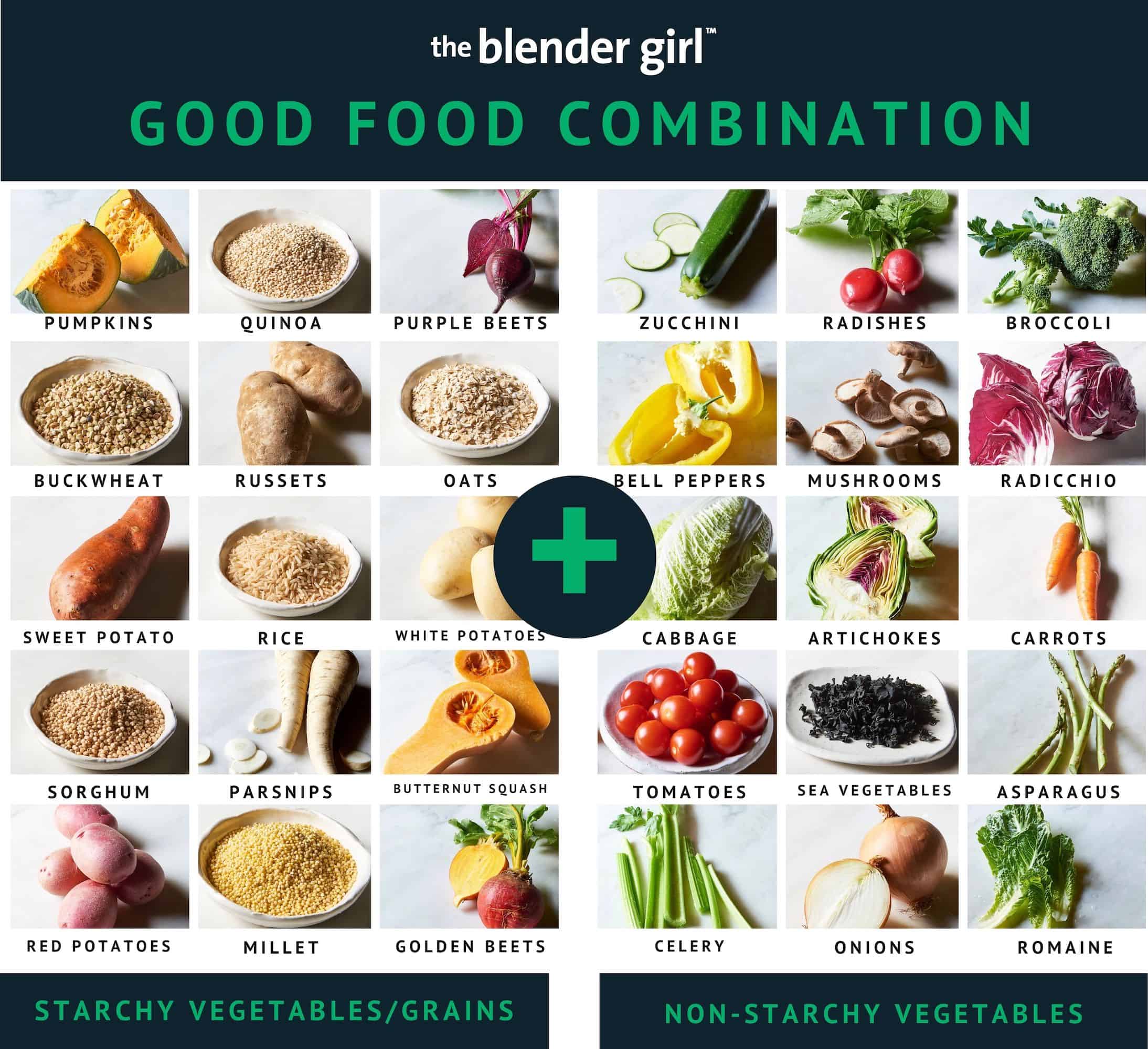
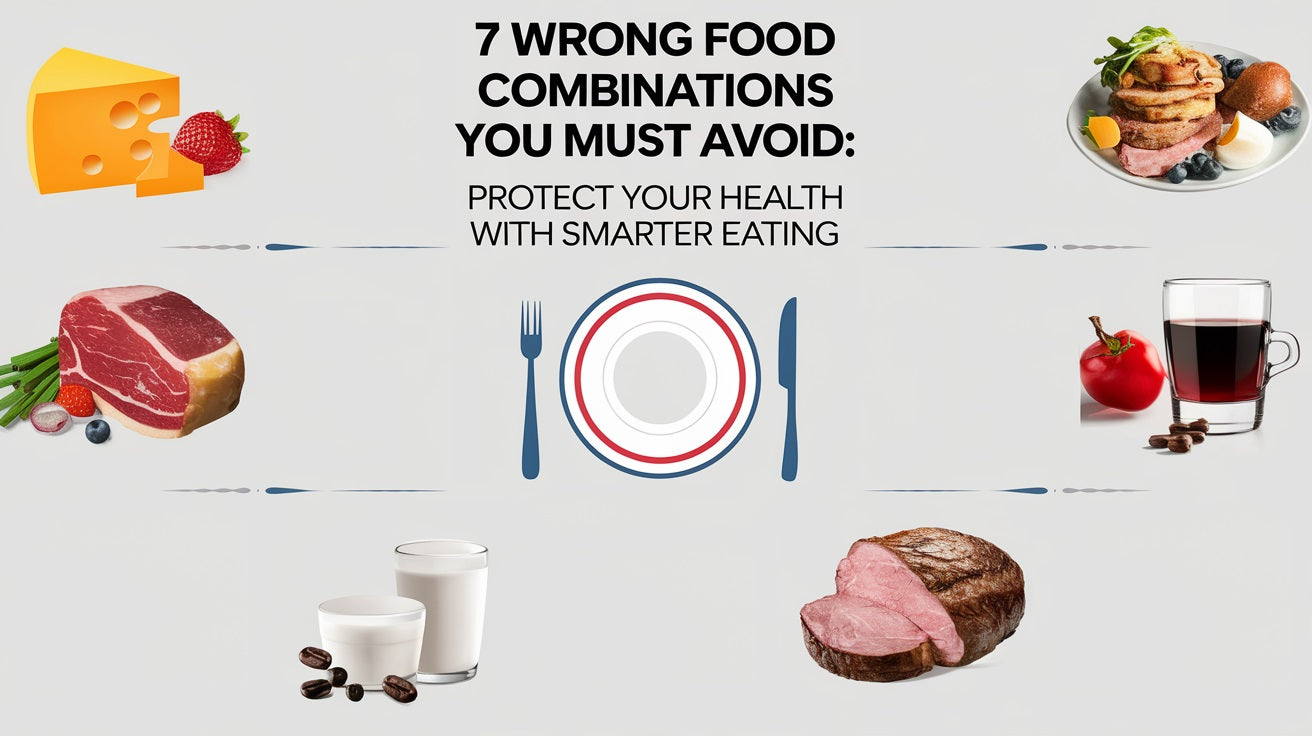
Many of us have experienced discomfort after eating certain meals, even when the individual foods seem healthy. This often results from the way some foods interact when consumed together. The concept of food combining, which originated from Ayurveda, suggests that certain foods digest better when paired correctly, while others can cause digestive distress or reduce nutrient absorption.
Although not all food combining theories are scientifically proven, some combinations have been shown to negatively affect digestion and health. Avoiding these unhealthy food combinations can help you feel better, improve nutrient uptake, and maintain a balanced diet.
Common Unhealthy Food Combinations to Avoid

Muffins and Orange Juice: A Sugar Overload
Starting your day with a muffin and a glass of orange juice might seem convenient, but this combo is packed with sugar and refined carbs. Muffins typically contain white flour and high amounts of sugar, which digest quickly and leave you hungry sooner. Orange juice adds even more sugar, including fructose, which can interfere with digestive enzymes. Instead, opt for a breakfast rich in lean proteins, healthy fats, and fiber to stay full and energized longer.
Low-Fat Salad Dressings with Vegetables: Missing Out on Nutrients
While low-fat dressings may seem like a healthier choice, they often contain artificial additives and lack the fats necessary for absorbing fat-soluble vitamins (A, D, E, and K) found in vegetables. Using dressings with healthy fats like olive oil or avocado oil enhances nutrient absorption and supports overall health.
Bacon and Eggs: Too Much Protein at Once

The classic breakfast pairing of bacon and eggs can be tough on digestion. Both are protein-rich, and consuming excessive protein in one meal can strain the digestive system since protein is the hardest macronutrient to break down. To improve digestion, pair eggs with complex carbohydrates like whole grain toast or fruit instead of bacon.
Grilled Cheese and Tomato Soup: Excess Sodium and Sugar
This comforting duo often contains high levels of sodium and sugar. Canned tomato soups frequently have added high fructose corn syrup, while grilled cheese sandwiches are rich in fats and refined carbs but low in protein. Regular consumption of high-sodium foods increases the risk of hypertension and heart disease. Try making homemade tomato soup with low sodium and using whole grain bread for your grilled cheese to make this meal healthier.
Meat and Potatoes: Digestive Challenges
Combining protein-rich meat with starchy potatoes can cause digestive discomfort, especially for those with sensitive stomachs. While the body can digest mixed macronutrients, some people may experience gas or bloating. Replacing potatoes with non-starchy vegetables like broccoli or asparagus can ease digestion and provide more nutrients.
Yogurt and Granola: Hidden Sugars
Though yogurt with granola seems like a healthy snack, many flavored yogurts and granola brands contain added sugars that can contribute to weight gain and metabolic issues. Choose plain, high-protein Greek yogurt and pair it with fresh fruit or nuts for a balanced, low-sugar option.
Pepperoni Pizza: High in Calories, Sodium, and Saturated Fat
Pepperoni pizza is a calorie-dense meal loaded with saturated fats and sodium, increasing the risk of heart disease if eaten frequently. Swap pepperoni for vegetable toppings and add a side salad to increase fiber and nutrient intake while reducing unhealthy fats.
Bananas and Milk: Potential for Congestion and Weight Gain
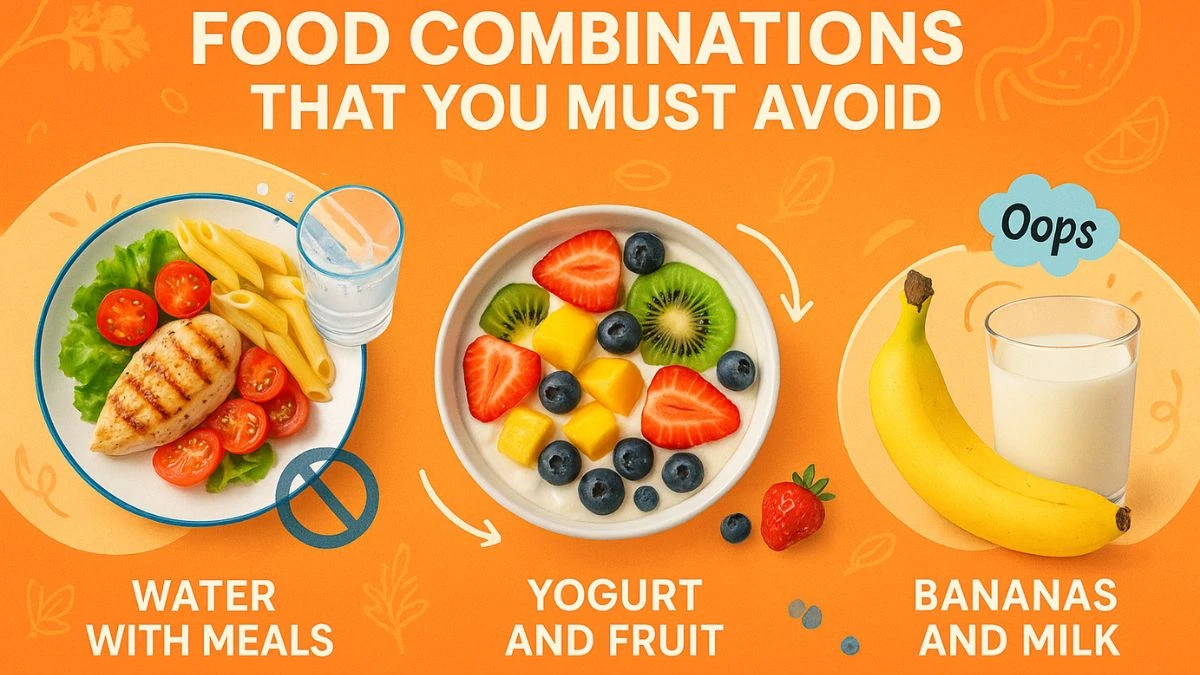
Combining bananas and milk is common in smoothies but may contribute to sinus congestion and toxin buildup, especially during illness. Additionally, this combo can be calorie-heavy, potentially leading to weight gain if consumed excessively. Enjoy this pairing occasionally and consider milk alternatives like almond or oat milk.
Beans and Cheese: Gas and Bloating
Beans are nutritious but can cause gas due to their fiber content. Paired with cheese, which is inflammatory for some people, this combo can exacerbate digestive discomfort. If you experience bloating, try eating beans and cheese separately or in moderation.
Hamburgers and French Fries: Imbalanced Macronutrients
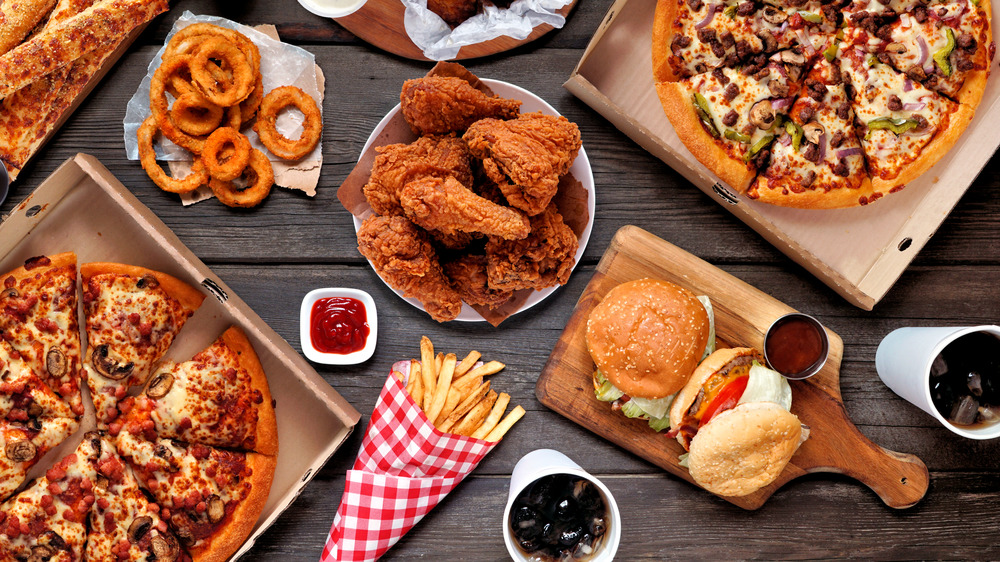
While a burger and fries are a popular combo, fries add extra refined carbs without protein, leading to blood sugar spikes. Surprisingly, eating two burgers (without fries) may provide a better balance of protein and fat. For a healthier option, choose whole grain buns and add vegetables to your burger.
Soda with Pizza: Empty Calories and Poor Satisfaction
Soda is high in added sugars and offers no nutritional value. Paired with pizza, which often contains refined carbs and processed meats, this combo can lead to poor satiety and weight gain. Replace soda with sparkling water and prepare homemade pizza with wholesome ingredients for a healthier meal.
Pasta with Tomato Sauce and Cheese: Energy Crash and Digestive Issues
Refined pasta causes blood sugar spikes followed by crashes, leading to fatigue. Tomato sauce and cheese can worsen digestion and may contribute to gut issues like leaky gut syndrome. Consider pairing pasta with pesto or roasted vegetables instead to avoid these problems.
Nuts and Beer: Worsening Hangovers
Salty nuts served with beer can increase dehydration and bloating, intensifying hangover symptoms. Alcohol itself can aggravate acid reflux and stomach discomfort. Opt for light, nutrient-rich snacks like vegetable plates when drinking to reduce negative effects.
Diet Soda with French Fries: Metabolic Disruption
Combining artificial sweeteners in diet soda with high-carb foods like fries can confuse the brain’s sugar response, potentially leading to weight gain and insulin resistance. If you choose diet soda, consume it separately from carb-heavy meals to minimize metabolic disruption.
Conclusion
Avoiding unhealthy food combinations can significantly improve your digestion, nutrient absorption, and overall well-being. Being mindful of what you eat together helps prevent discomfort, bloating, and long-term health risks. Start making smarter food pairing choices today by swapping problematic combos for balanced, nutrient-rich alternatives. For personalized advice and meal planning, consult a registered dietitian or nutrition expert who can guide you toward healthier eating habits tailored to your needs. Take control of your health by making informed food choices now!