

Autopsy Reports Reveal Horrific New Details About University of Idaho Victims’ Stabbing Injuries, Final Movements
University of Idaho Stabbing Injuries: A Detailed Look Into the Autopsy Findings
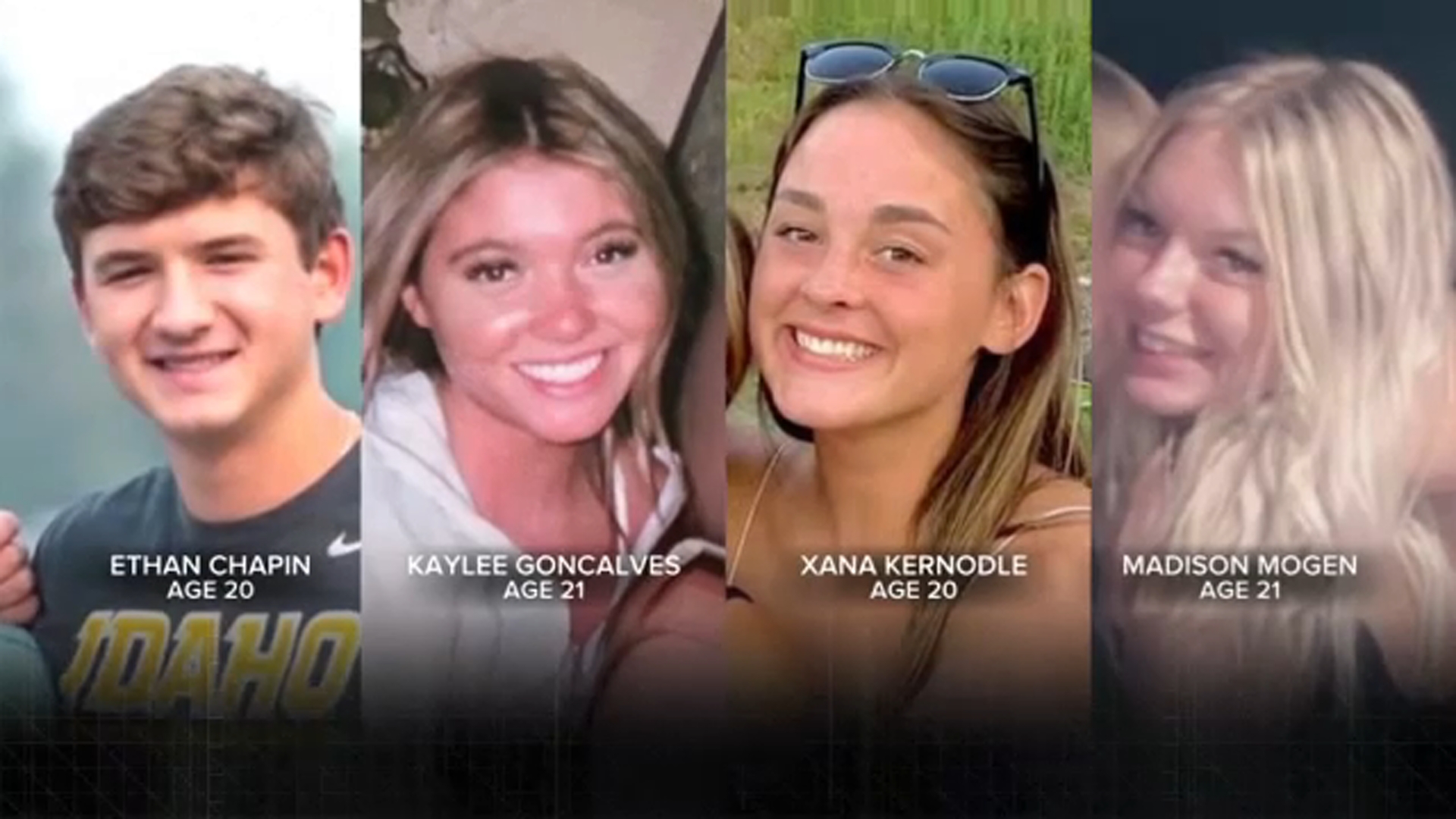
In November 2022, the University of Idaho community was shaken by the brutal stabbing murders of four students: Kaylee Goncalves, Madison Mogen, Xana Kernodle, and Ethan Chapin. Recent court filings and autopsy reports have shed new light on the severity of their injuries and the victims’ final movements during the attack. These revelations provide a grim insight into the violence inflicted by Bryan Kohberger, the accused perpetrator.
According to the unsealed autopsy findings, the four students suffered a combined total of approximately 150 stab wounds. The distribution of injuries was staggering: Goncalves endured around 38 stab wounds, Mogen 28, Chapin 17, and Kernodle 67. The reports highlight not only the number but also the nature and locations of these wounds, painting a harrowing picture of the attack’s brutality.
Individual Injuries and Final Moments of the Victims

Kaylee Goncalves was found with 24 stab and incised wounds on her scalp, face, and neck, alongside 11 wounds on her chest and three on her upper extremities. Additional blunt force trauma and asphyxial injuries contributed to her death. The autopsy also revealed puncture wounds on her skull, injuries to her teeth and tongue, and hemorrhaging within her chest cavity.
Madison Mogen suffered 13 stab wounds to her scalp, face, and neck, five to her chest, and 10 incised wounds on her upper limbs. The report detailed injuries to her lung and liver, perforations of major blood vessels including the subclavian vein and artery, and an incision to her nasal septum. Both Goncalves and Mogen were discovered together in Mogen’s bedroom, indicating they were attacked while asleep and had little chance to defend themselves.
Ethan Chapin and Xana Kernodle, who were dating, were found in Kernodle’s room. Chapin was still in bed, while Kernodle was on the floor. Chapin’s wounds included one stab to the upper chest, multiple incised wounds to his scalp, face, neck, and limbs, and perforations of critical veins and arteries such as the jugular and subclavian vessels.
Xana Kernodle’s injuries were the most extensive, with 23 stab and incised wounds on her scalp, face, and neck, seven to her chest, four to her abdomen, and several incised and puncture wounds on her back and limbs. She also sustained abrasions and contusions, indicating a struggle. Notably, Kernodle had blood on the soles of her feet, suggesting she moved around during the attack, fighting back against Kohberger.
Evidence and Investigation Insights

The autopsy reports, combined with forensic evidence, played a crucial role in piecing together the events of that tragic night. Kohberger used a Ka-Bar knife, which he had purchased months earlier online, to carry out the attack. The knife’s sheath, found at the crime scene, contained his DNA, linking him directly to the murders.
Two other roommates were present in the house but were not targeted. One surviving roommate, Dylan Mortensen, reported encountering a man with distinctive “bushy eyebrows” before the attacker left, a detail that helped investigators focus on Kohberger.
The Idaho State Police released a massive file dump that included crime scene photos and other investigative materials, providing further context to the brutal killings. Kohberger later confessed to the murders, avoiding the death penalty through a plea deal and receiving a life sentence.
Understanding the Impact of the University of Idaho Murders

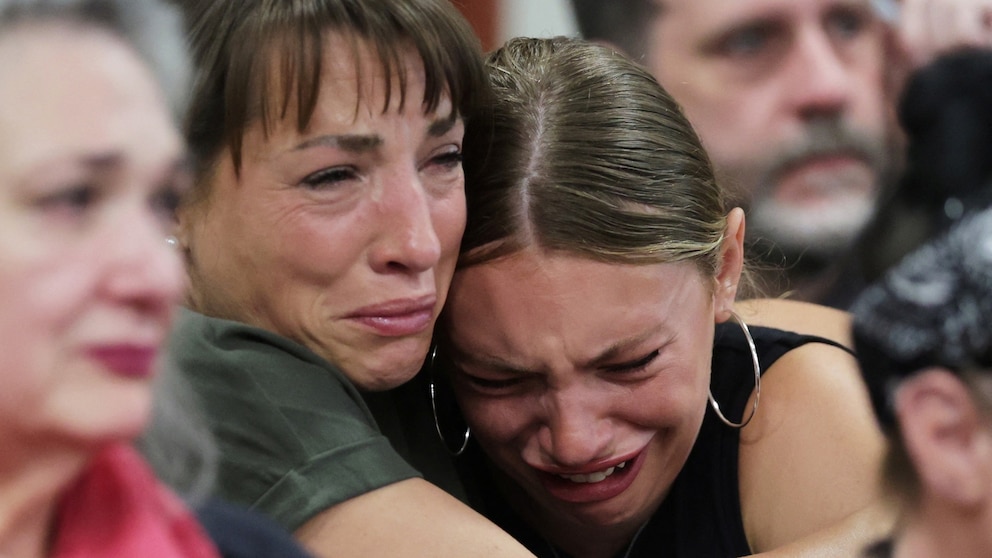
The University of Idaho stabbing injuries and the victims’ final movements revealed in the autopsy reports have deeply affected the local community and beyond. The sheer violence of the attack and the bravery shown by Xana Kernodle in fighting back have been widely discussed.
Families and friends of the victims continue to seek justice and healing, while the case has sparked conversations about campus safety and the importance of swift law enforcement response. The detailed autopsy findings not only provide closure on how the victims died but also underscore the severity of the crime and the need for vigilance in protecting students.
The Role of Forensic Science in Solving the Case
Forensic evidence, including DNA analysis and autopsy results, was instrumental in identifying the perpetrator and understanding the sequence of events. The wounds’ patterns and locations helped reconstruct the attack’s timeline and the victims’ attempts to defend themselves.
The discovery of the knife sheath with Kohberger’s DNA was a pivotal moment in the investigation, linking him irrefutably to the crime scene. This case highlights how forensic science continues to be a powerful tool in solving violent crimes and delivering justice.
Conclusion
The newly released autopsy reports revealing the horrific stabbing injuries and final movements of the University of Idaho victims provide a sobering reminder of the tragedy that unfolded in 2022. These findings not only honor the memory of Kaylee Goncalves, Madison Mogen, Xana Kernodle, and Ethan Chapin but also emphasize the critical role of forensic investigation in bringing perpetrators to justice. As the community continues to heal, it is vital to raise awareness about campus safety and support victims of violent crime. Stay informed about ongoing developments in this case and join the conversation to promote safety and justice.
If you found this article insightful, please share it to help others understand the gravity of this case and the importance of forensic science in criminal investigations.


