
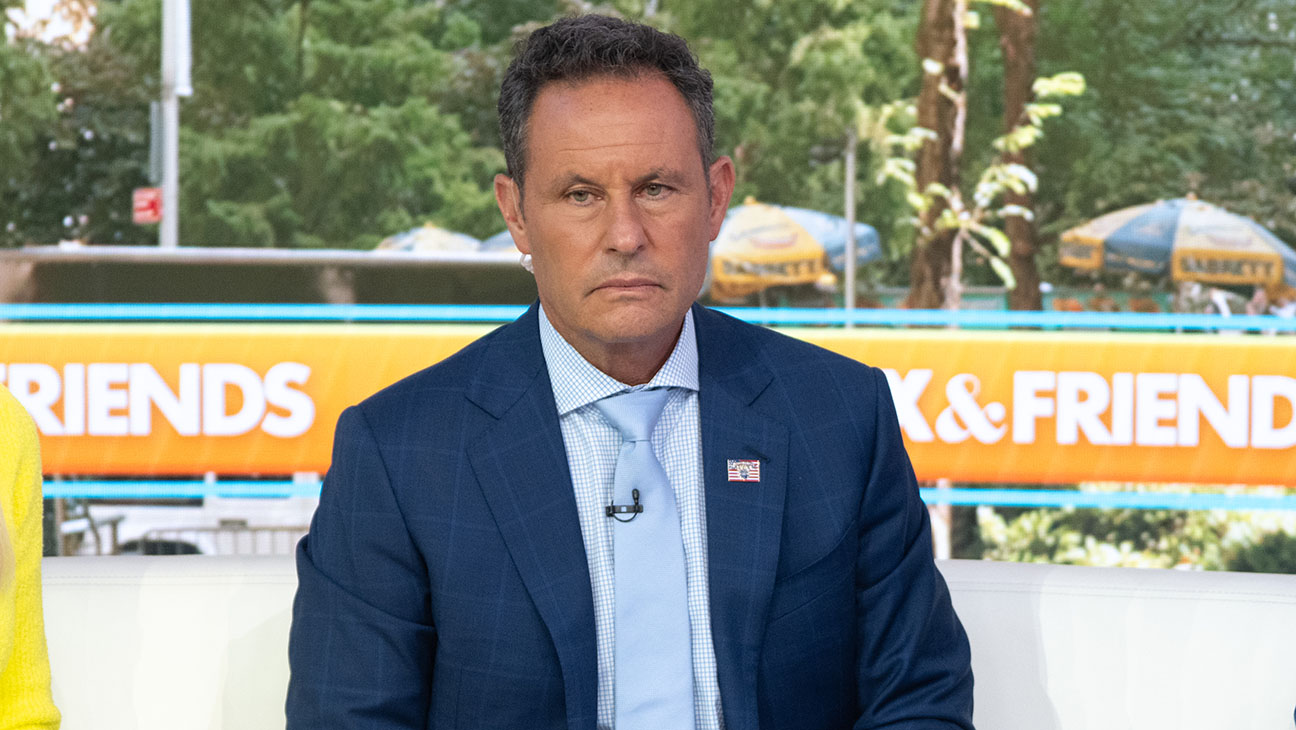
Fox News’ Brian Kilmeade Says Comment About Killing Mentally Ill Homeless People an ‘Extremely Callous Remark’

On September 14, 2025, Fox News host Brian Kilmeade ignited a firestorm of controversy following alarming remarks he made about the treatment of mentally ill homeless individuals. During an episode of “Fox & Friends,” Kilmeade suggested that these individuals should be “terminated” in the context of discussions surrounding public safety. This provocative comment came in light of a recent incident involving the tragic murder of a homeless person experiencing mental health issues.
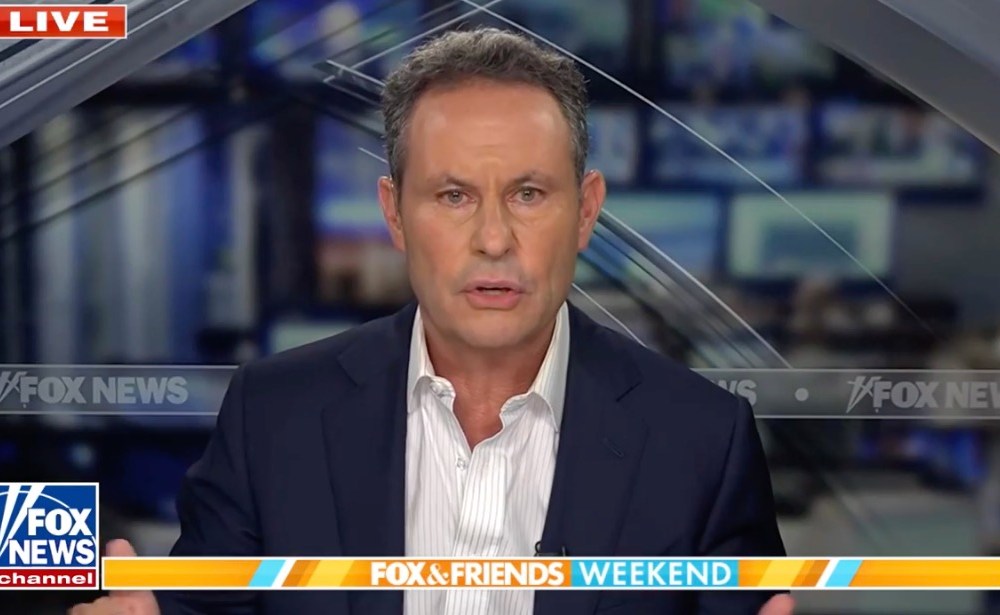
His statement—“just kill ‘em”—immediately resonated across social media platforms, amassing more than 20 million views, alongside a wave of fierce backlash from both the public and various political figures. California Governor Gavin Newsom criticized Kilmeade’s comment, illustrating the broader societal neglect that affects vulnerable populations, particularly the homeless.
The Backlash and Public Response
Following Kilmeade’s controversial statement, reactions poured in from numerous advocacy groups, community activists, and concerned citizens. Many highlighted the importance of addressing homelessness and mental health with empathy rather than inciting hostility through inflammatory rhetoric. Social media became a battleground of opinions, with critics arguing that Kilmeade’s remarks stoked a climate of fear and hatred towards those who are already marginalized.
Several high-profile political commentators and social media influencers speaking out emphasized that discussions on homelessness and mental health must prioritize compassion. They argued that brutal statements such as Kilmeade’s detract from the pressing issues surrounding mental health care access, affordable housing, and social services that could assist vulnerable populations rather than push harmful narratives.
Kilmeade’s Apology: A Step Towards Greater Understanding
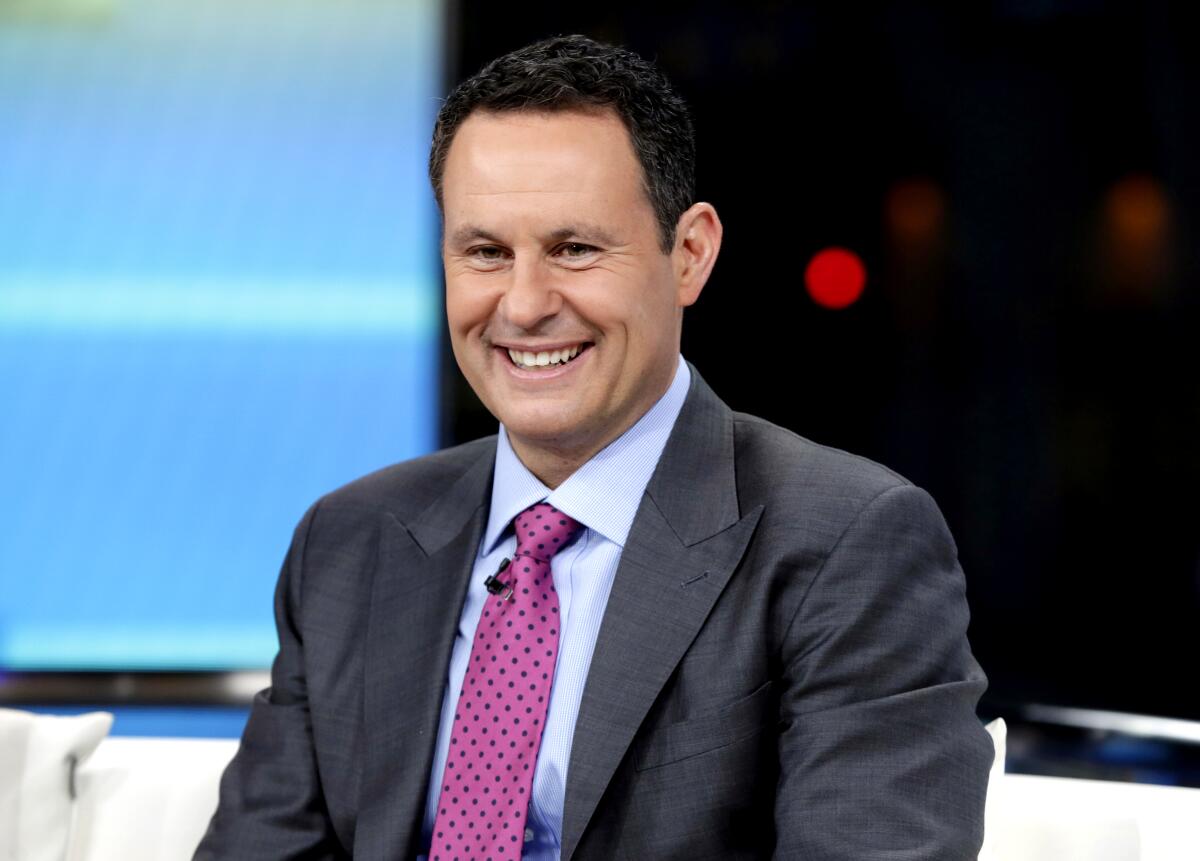
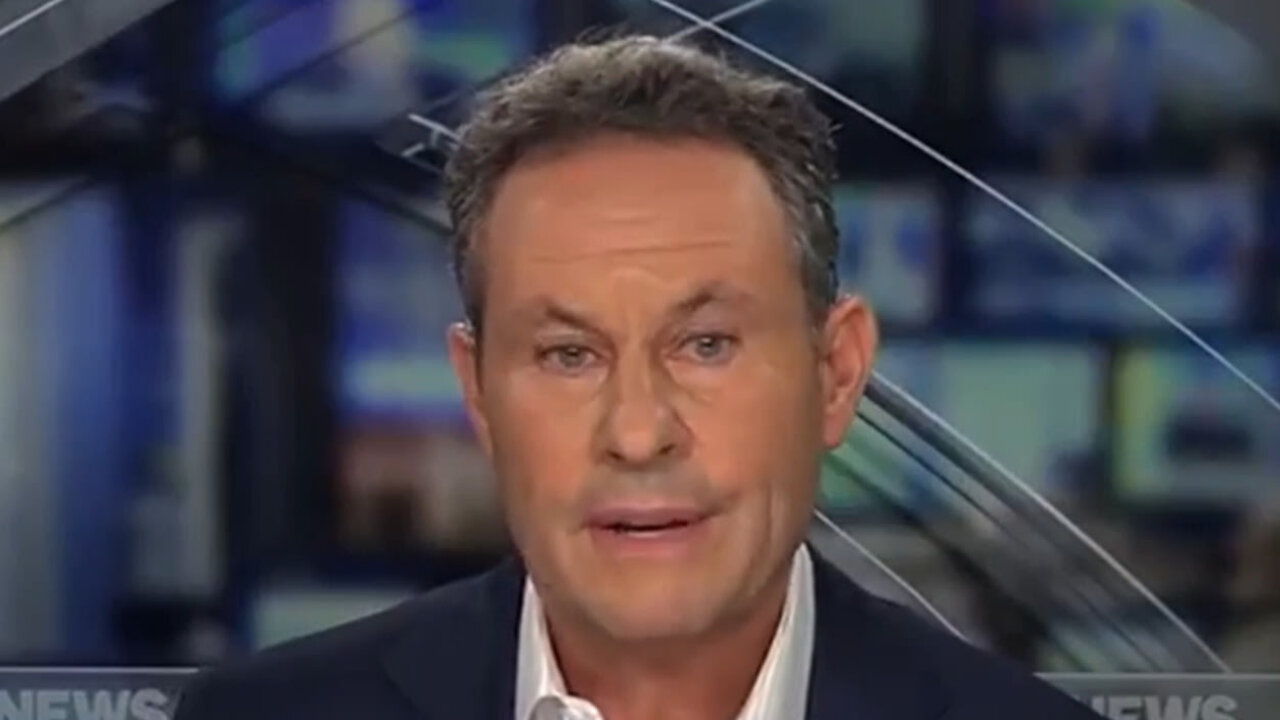
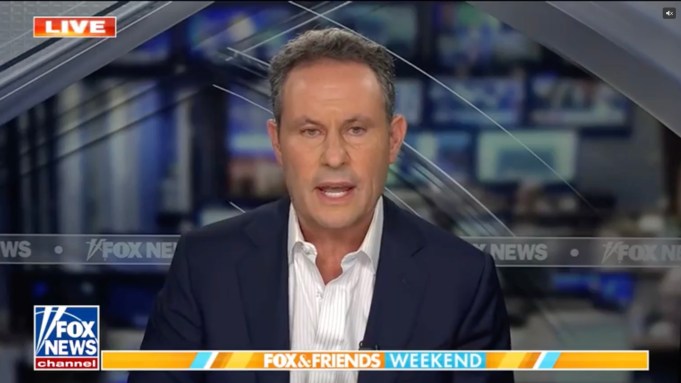
In the wake of the uproar, Brian Kilmeade issued an apology during a later episode of “Fox & Friends Weekend.” He admitted that his comments were “extremely callous” and acknowledged the potential harm they may have caused. During his apology, Kilmeade clarified that his initial intent was to address safety concerns and the management of violent offenders, rather than to generalize or dehumanize the entire mentally ill homeless population.

He stressed the need for compassion and understanding towards homeless individuals, asserting that the conversation surrounding mental illness should involve not just punitive measures but also a commitment to providing vital resources and support. This acknowledgment marks a significant moment in the discussion, as the media’s portrayal of homelessness often oscillates between sensationalism and stigmatization.
Understanding the Complexities of Homelessness and Mental Health
The controversy surrounding Kilmeade’s remarks underscores the intricate relationship between homelessness, mental health issues, and public perception. Research indicates that a significant proportion of the homeless population faces mental health challenges, making it imperative that discussions in the public sphere are approached with sensitivity and care.
Advocacy groups stress the necessity for more comprehensive initiatives to tackle homelessness holistically. This involves enhancing mental health services, increasing access to shelters, and ensuring a continuum of care that enables individuals to reclaim their lives. Critics argue that rhetoric like Kilmeade’s only serves to further alienate and criminalize those struggling with mental health issues.
Consequently, it is crucial for media figures and influencers to recognize the power of their words and the impact they can have on public discourse. Rather than opting for inflammatory comments that provoke outrage, there is a pressing need for compassionate conversations centered around finding solutions to complex societal issues.
Conclusion
The fallout from Brian Kilmeade’s remarks highlights the importance of careful dialogue surrounding homelessness and mental health. Moving forward, it is essential for society to foster understanding and compassion rather than fear and stigmatization. Continuing to advocate for the vulnerable and ensuring conversations promote empathy will pave the way for meaningful change. Join the movement for compassion and advocate for those who need it most in our communities.