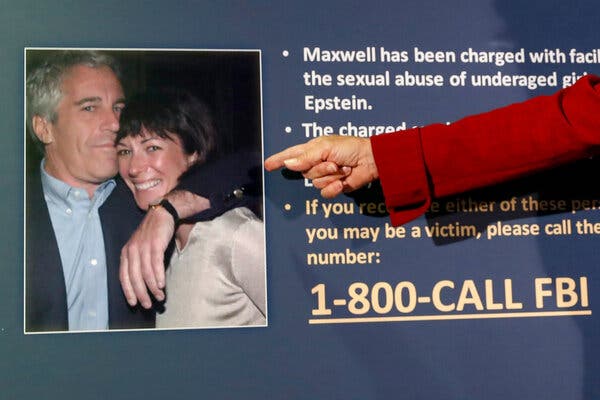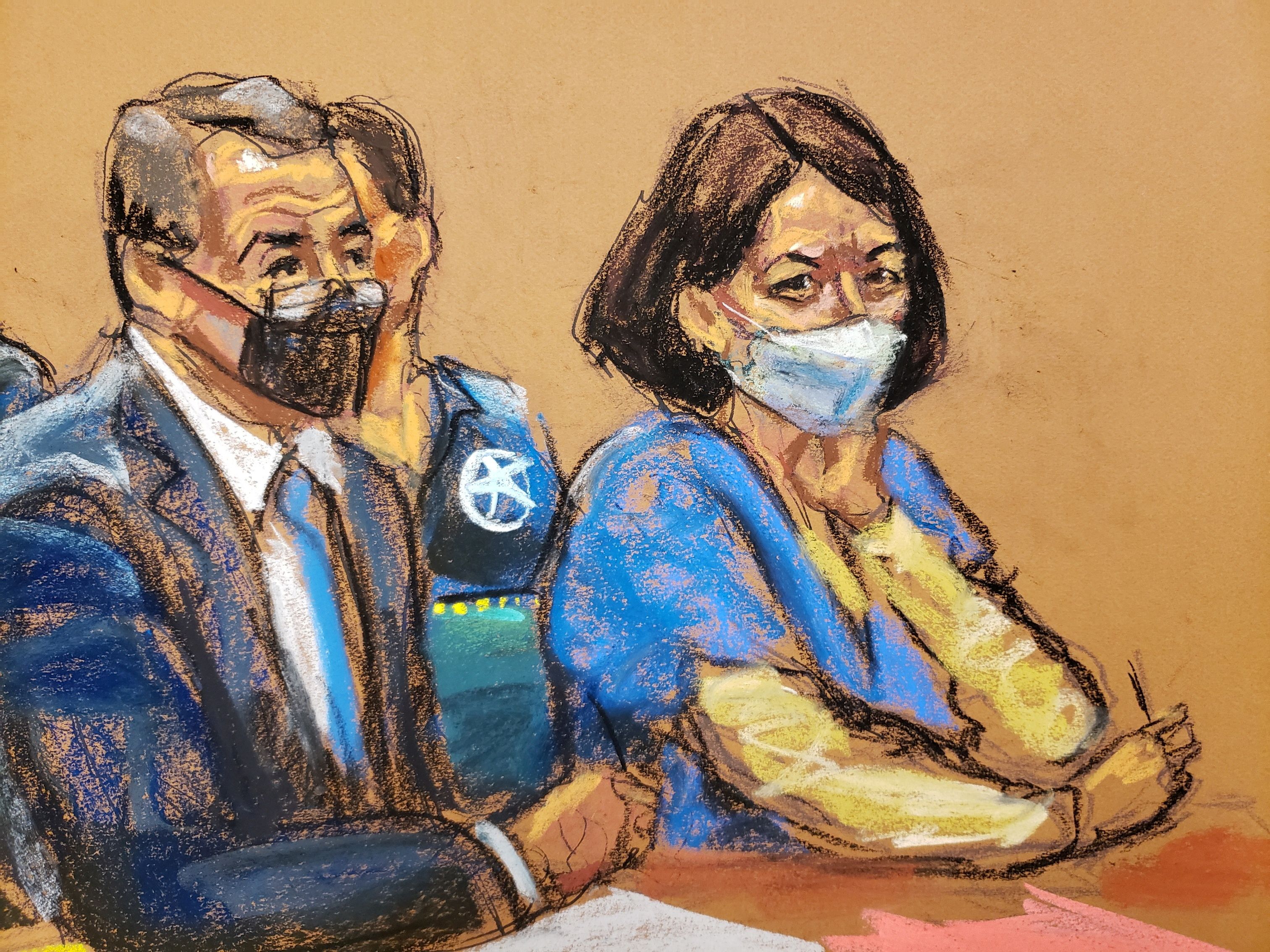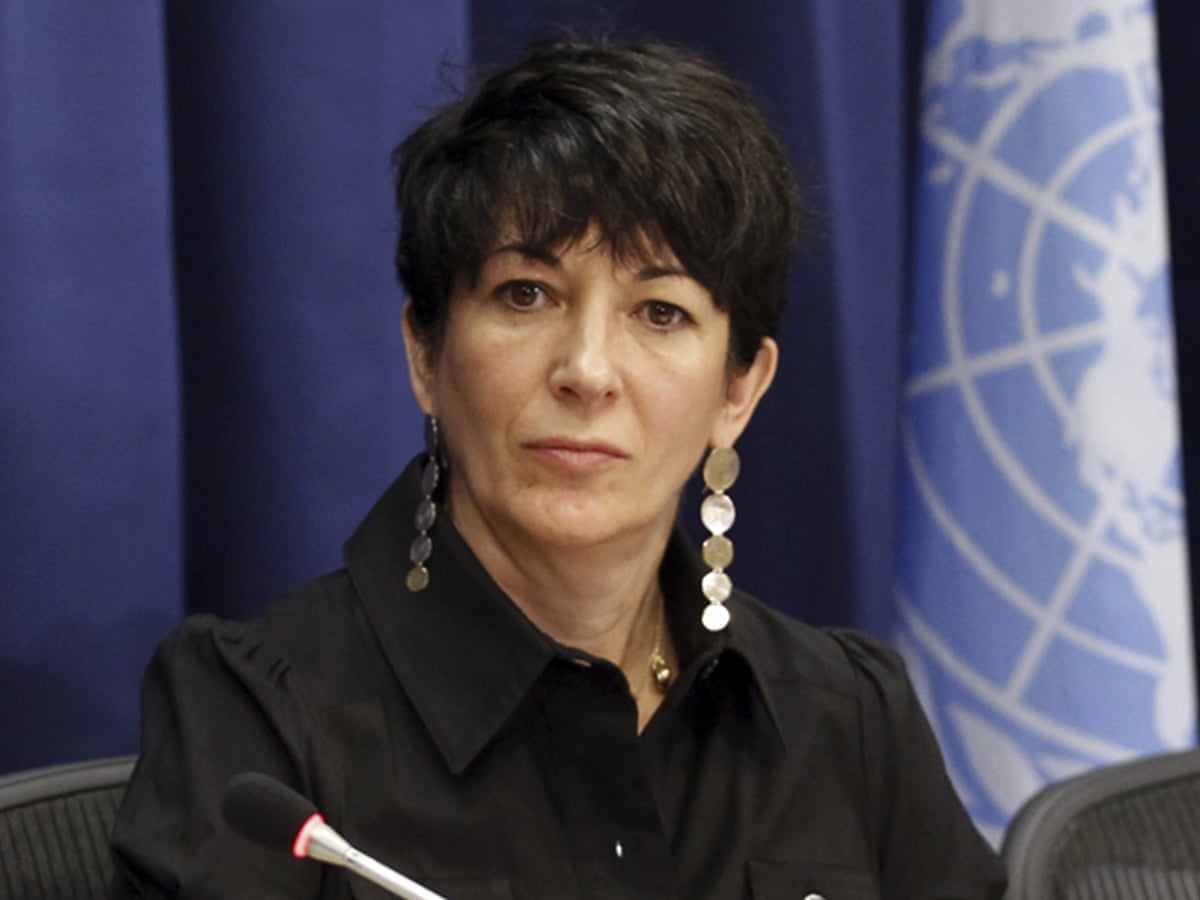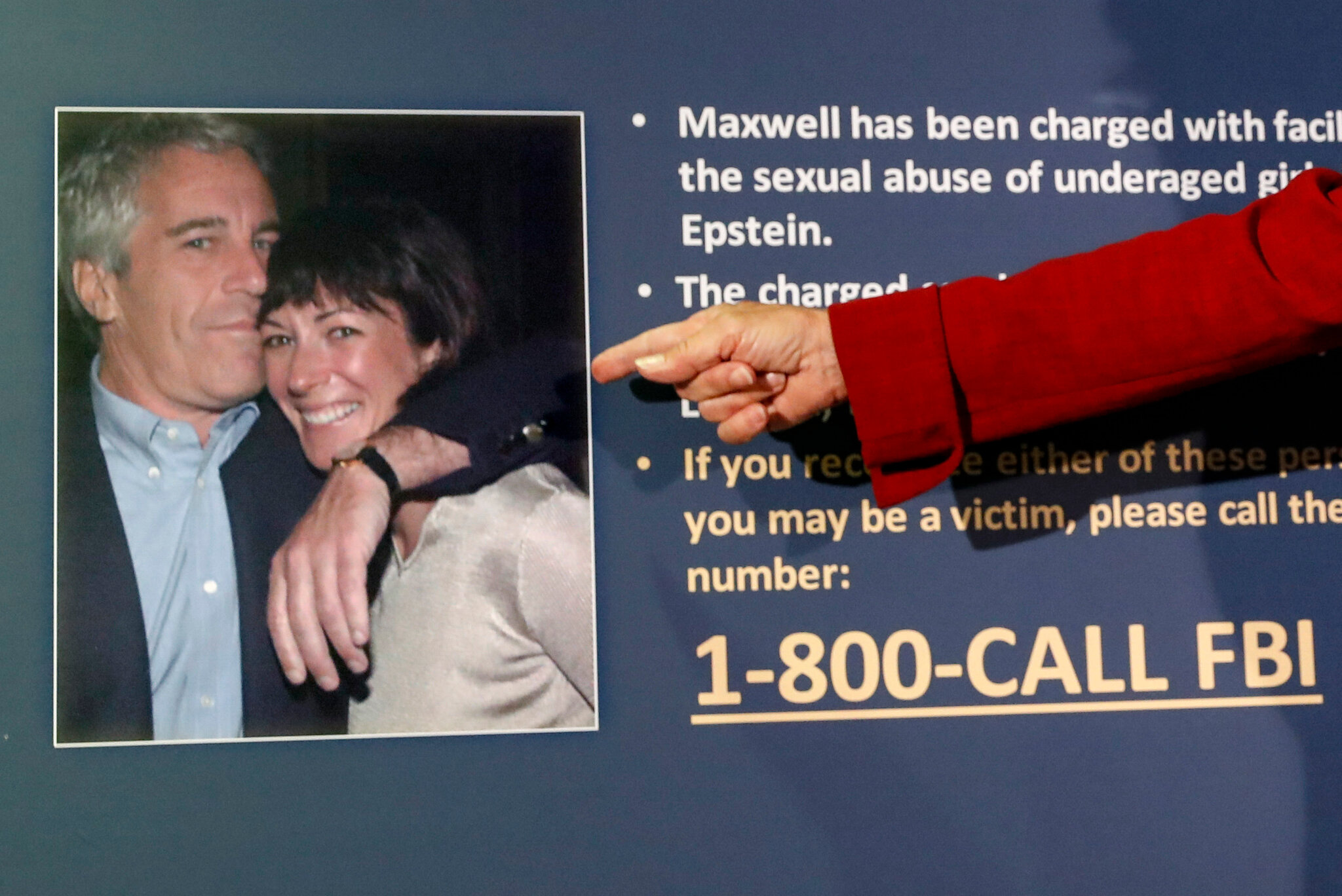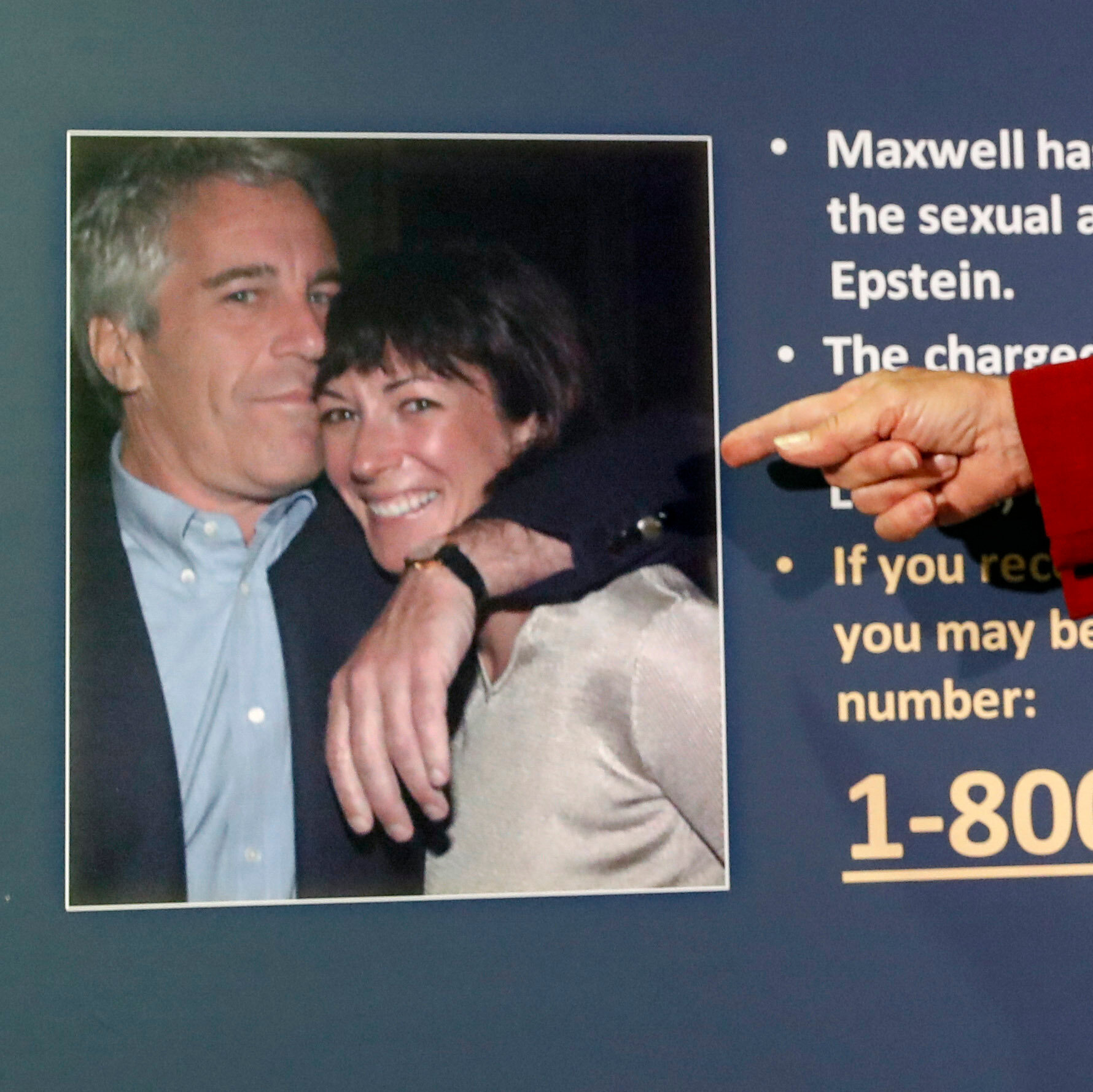
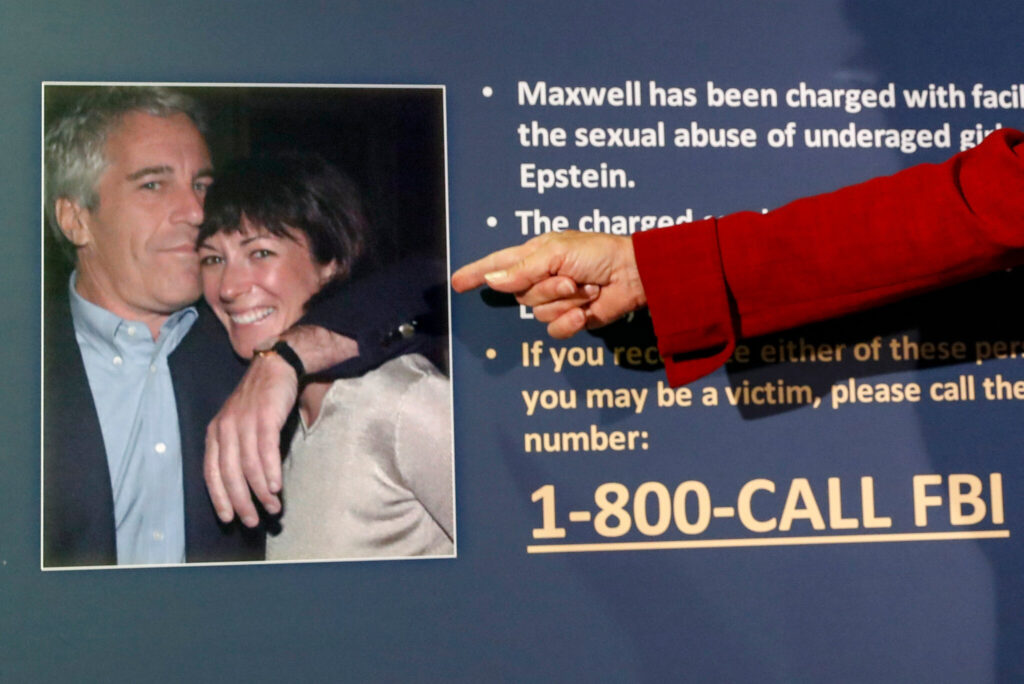
EXCLUSIVE: Ghislaine Maxwell’s Prison Nightmare Deepens — Epstein’s Ex-Lover ‘Could Face Extra Decade’ Behind Bars for ‘Lying’ on U.S. Citizenship Application
Ghislaine Maxwell’s Citizenship Application Under Scrutiny: Could She Face More Prison Time?
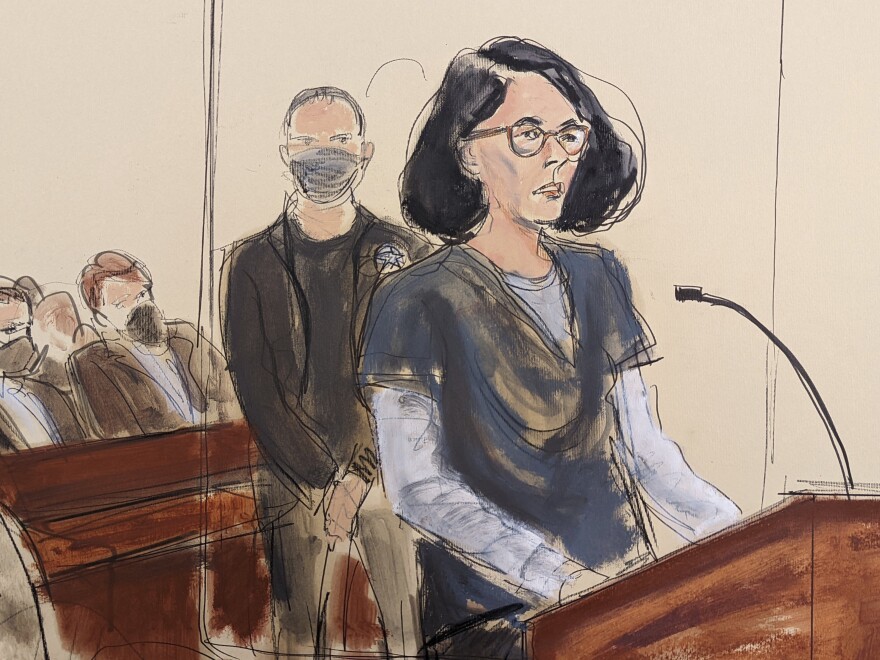
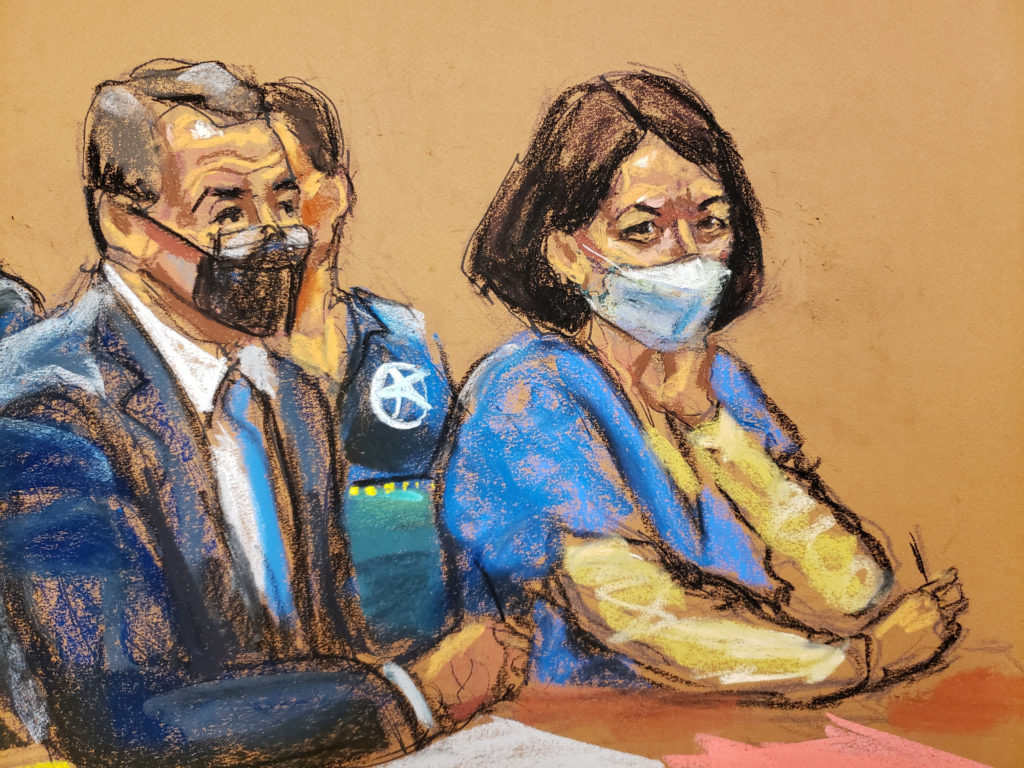
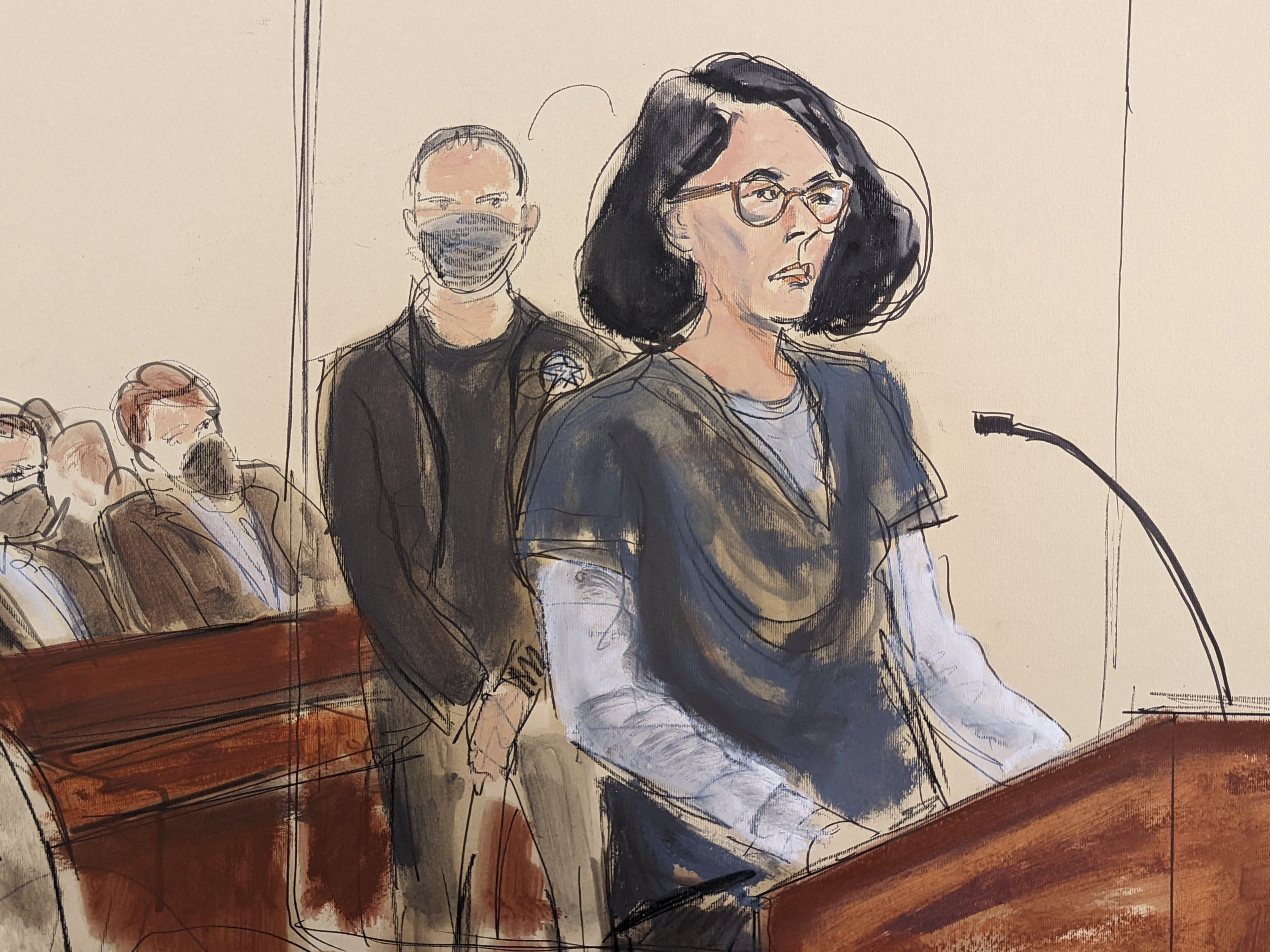
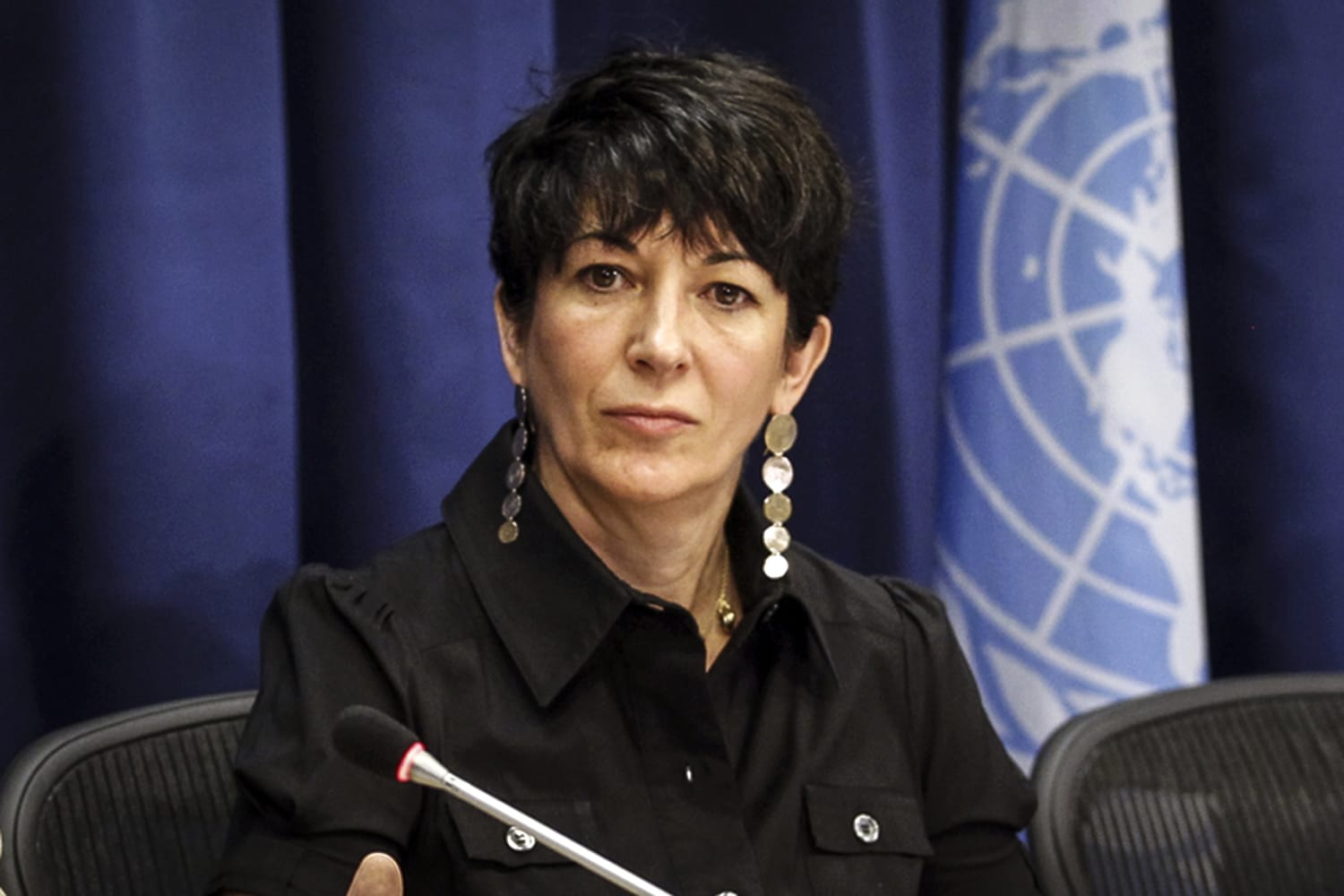
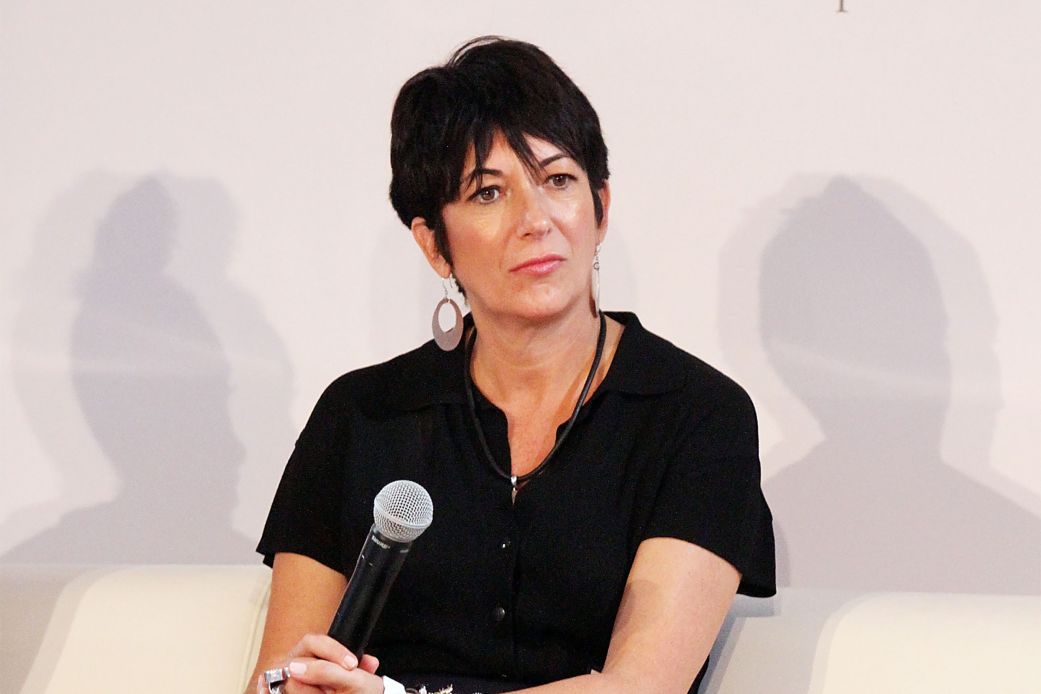
Ghislaine Maxwell, once a close confidante and alleged accomplice of the late Jeffrey Epstein, is now confronting a new legal hurdle that could extend her already lengthy prison sentence. Recent revelations indicate that Maxwell may have provided false information on her U.S. citizenship application, a move that could add up to an extra decade to her 20-year sentence. This development marks a significant setback for Maxwell, whose hopes for early release or leniency have dimmed considerably.
Maxwell, 64, was naturalized as a U.S. citizen in 2002 while residing in the U.S. Virgin Islands. However, her application has come under intense scrutiny following her 2021 conviction for recruiting and trafficking underage girls for Epstein’s sexual abuse ring. The core of the issue lies in Maxwell’s responses on the N-400 naturalization form, where she reportedly denied involvement in any criminal activities, including prostitution or sex trafficking, despite evidence to the contrary.
The Legal Implications of False Statements on Citizenship Forms
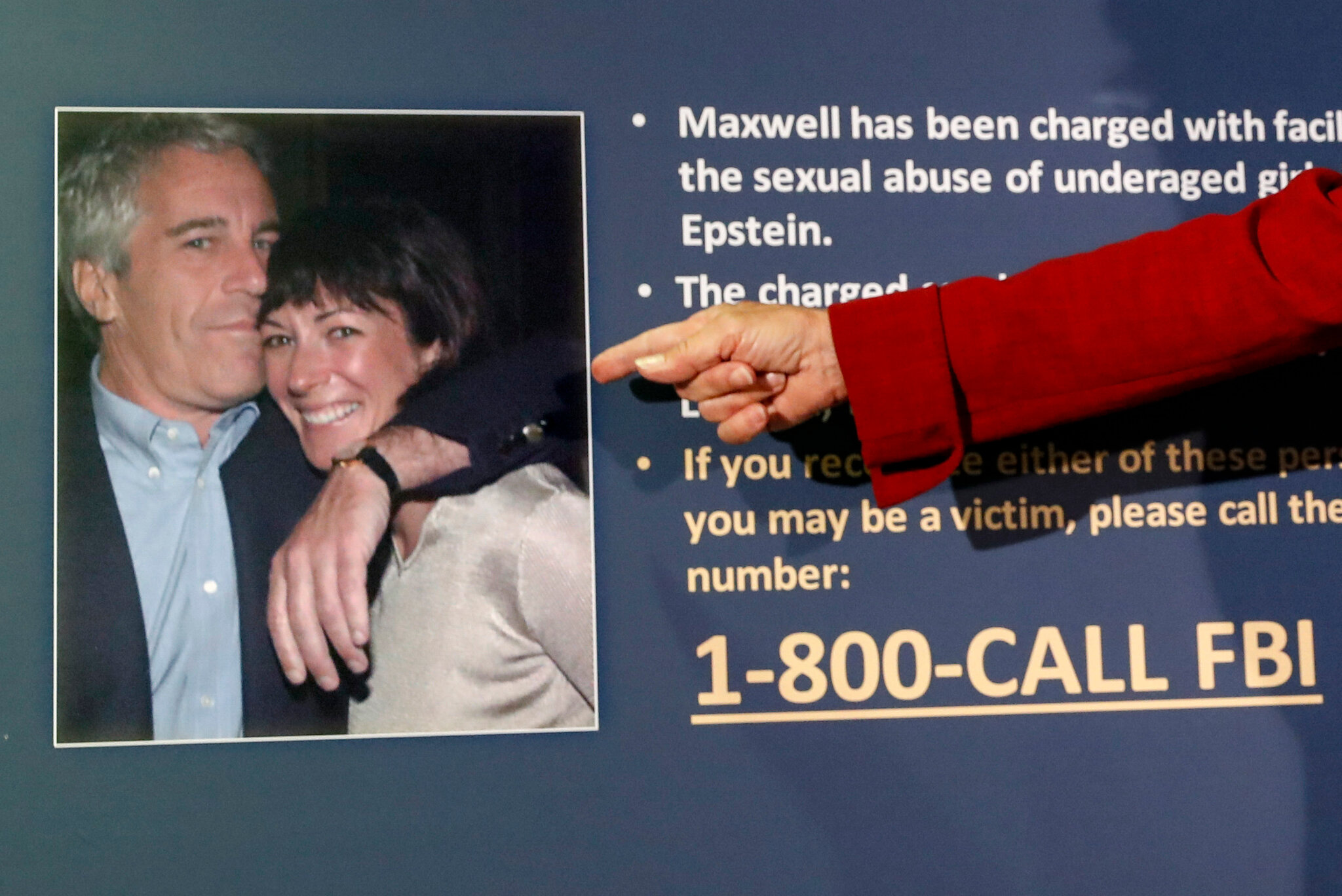
Immigration law experts emphasize that providing false or misleading information on citizenship applications is a serious offense. Marina Shepelsky, an immigration attorney and founder of the Shepelsky Law Group, explains that the distinction between misrepresentation and fraud is crucial in cases like Maxwell’s.
“Misrepresentation occurs when immigration authorities believe an applicant intentionally gave false information that affects their eligibility,” Shepelsky states. “Fraud is a step beyond that—it means the applicant not only lied but also acted on that lie, influencing the government’s decision to grant citizenship.”
If officials determine that Maxwell knowingly falsified her application, the consequences could be severe. These may include revocation of her citizenship, denial of future immigration benefits, and potentially being barred from the United States for several years. More alarmingly, such findings could trigger additional criminal charges, leading to an extended prison sentence.
Evidence Mounting Against Maxwell’s Claims
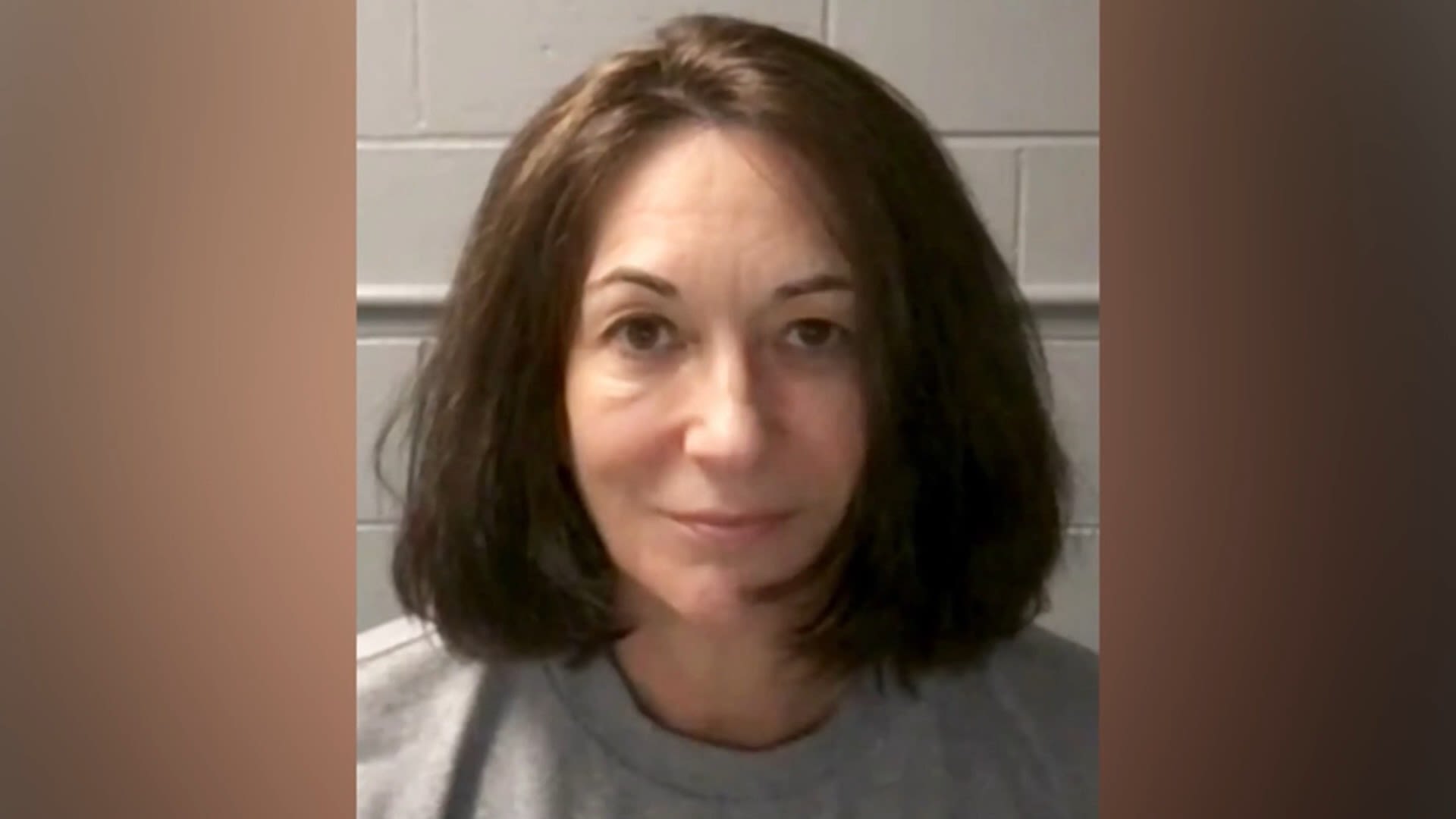
The timing of Maxwell’s criminal activities and her citizenship application raises critical questions. She was convicted for crimes committed between 1994 and 2004, overlapping with the period she applied for U.S. citizenship in 2002. The naturalization process requires applicants to demonstrate “good moral character” for at least five years prior to applying, which includes disclosing any criminal conduct, regardless of whether it led to prosecution.
Maxwell’s failure to disclose her involvement in sex trafficking during this period could be interpreted as a deliberate attempt to deceive immigration authorities. The recently unsealed Epstein files have brought Maxwell’s application to light, providing prosecutors with new ammunition to challenge her claims and potentially pursue further legal action.
Maxwell’s Current Prison Situation and Controversial Transfer
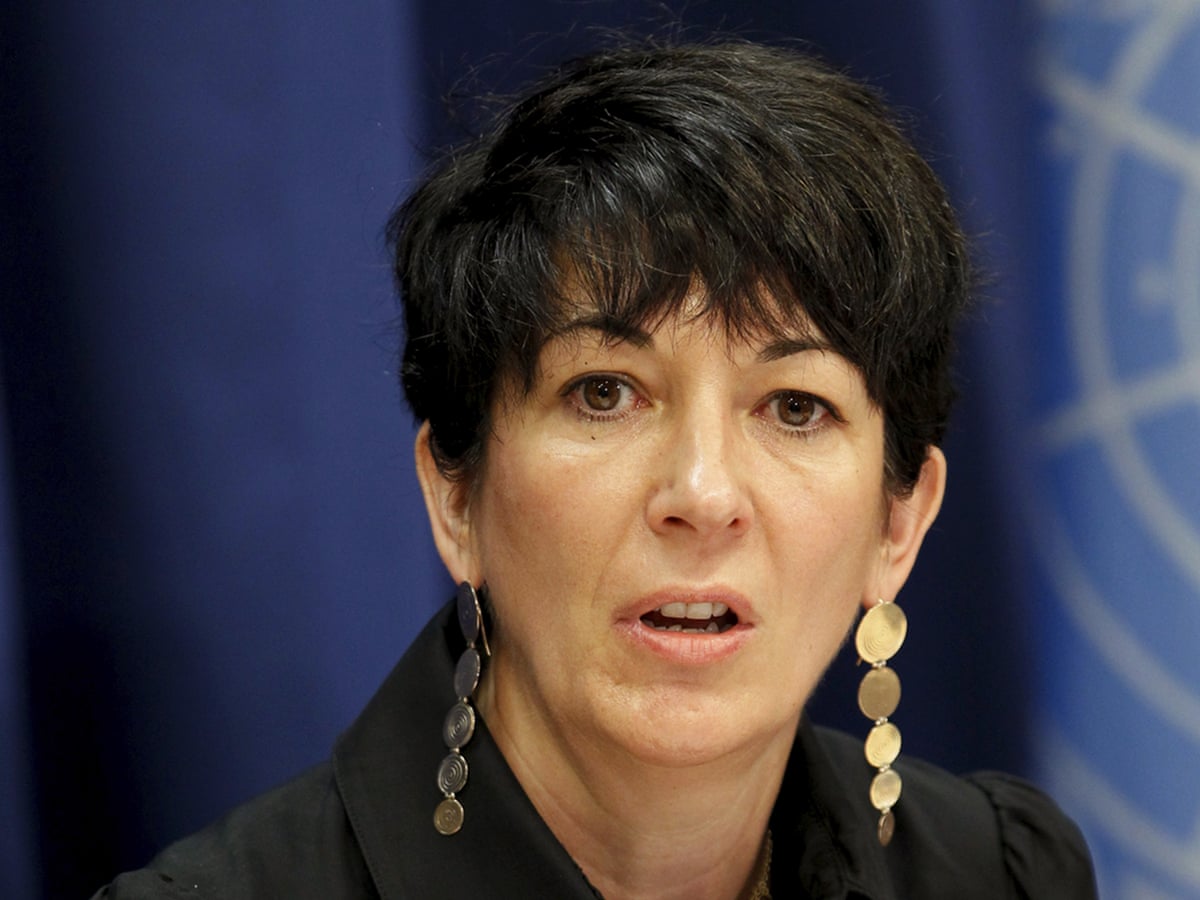
After her conviction, Maxwell was initially held in a high-security prison in Tallahassee, Florida. However, she was later transferred to the Federal Prison Camp (FPC) Bryan in Texas, a low-security facility known for housing inmates convicted of nonviolent or white-collar crimes. This move sparked controversy and criticism from lawmakers and the public alike.
Deputy Attorney General Todd Blanche justified the transfer by citing concerns for Maxwell’s safety, given her high-profile status and the nature of her crimes. Nevertheless, Democratic Representatives Jamie Raskin and Robert Garcia have publicly questioned the decision, suggesting it may represent preferential treatment.
In a letter to the Department of Justice, the lawmakers demanded transparency regarding who authorized the transfer and why Maxwell was moved to a facility that appears inconsistent with Bureau of Prisons guidelines for sex offenders. They also announced plans to visit FPC Bryan to investigate allegations of undue perks and retaliation against inmates and staff.
Political Fallout and Public Reaction
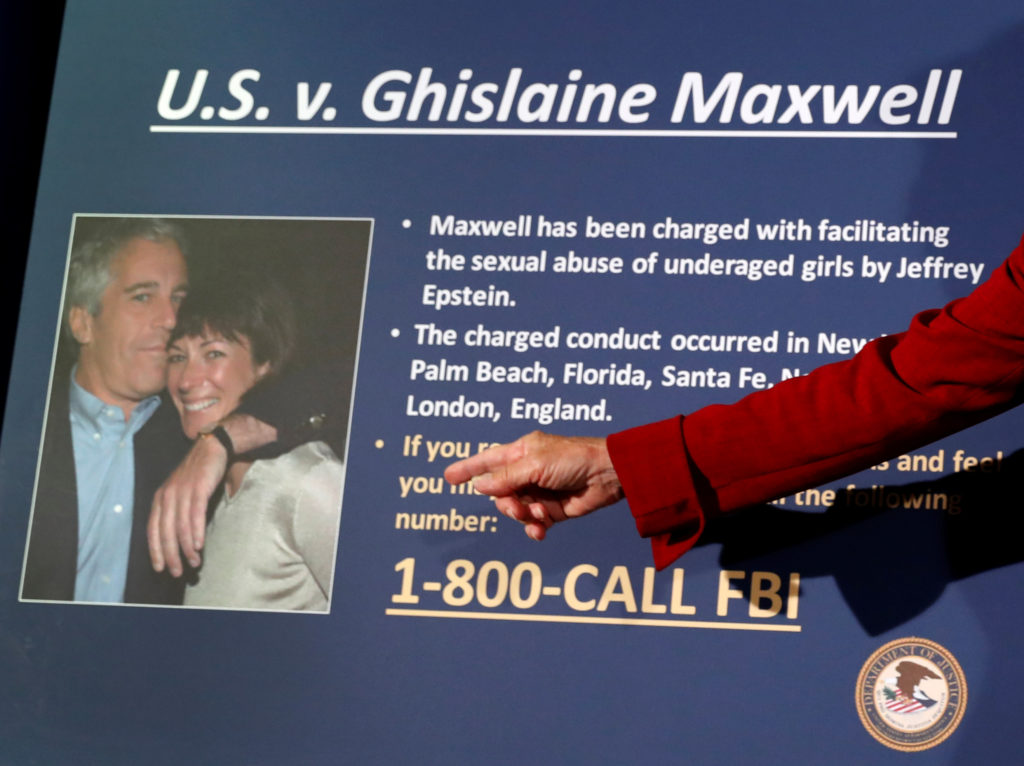
The controversy surrounding Maxwell’s transfer has ignited a political firestorm. Critics argue that the move undermines the integrity of the justice system and raises concerns about potential conflicts of interest within the Trump administration, given Maxwell’s previous statements defending former President Donald Trump.
Maxwell’s legal team and supporters maintain that the transfer was necessary for her protection and does not constitute special treatment. However, the ongoing scrutiny and congressional inquiries suggest that Maxwell’s prison nightmare may be far from over.
Conclusion
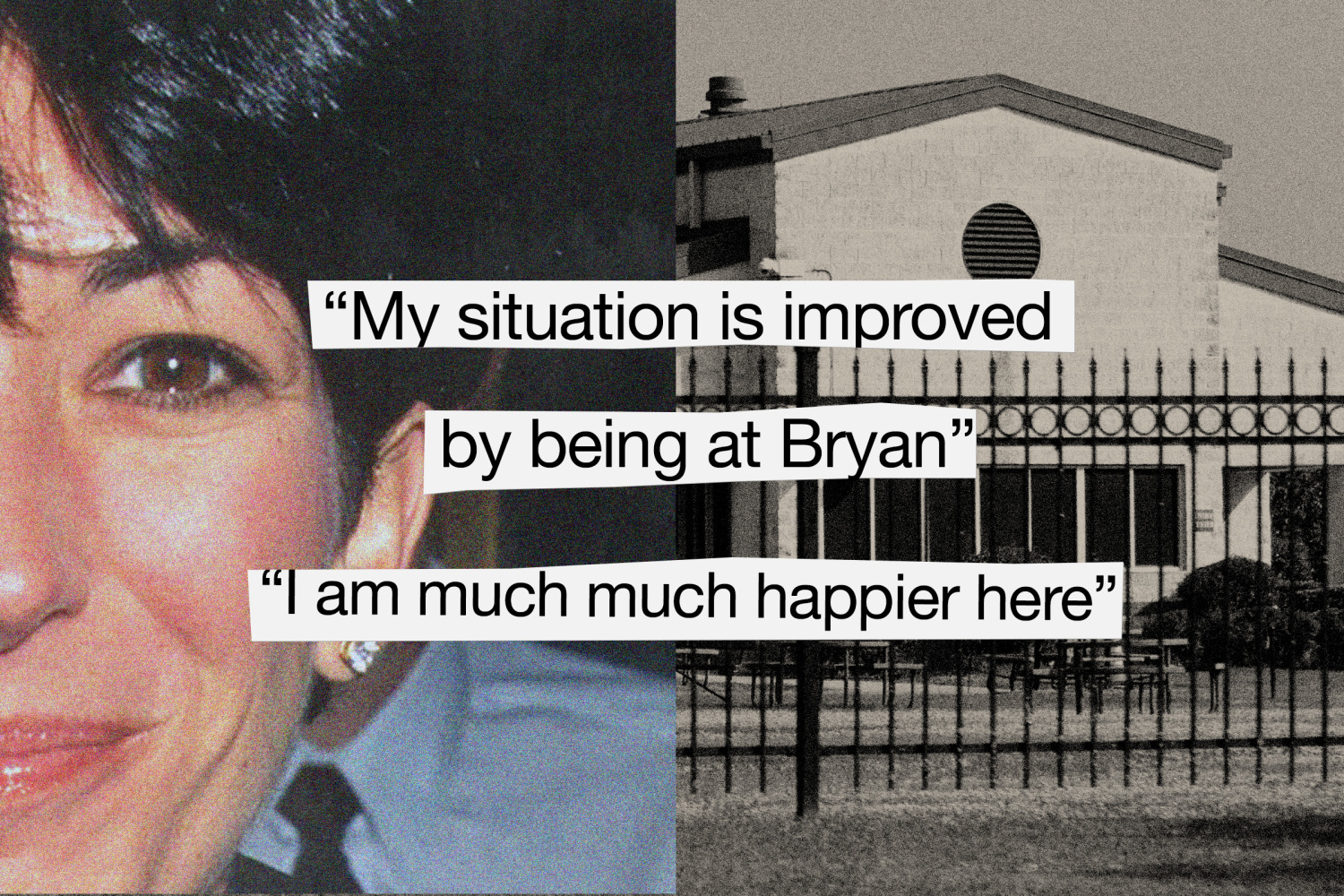
Ghislaine Maxwell’s legal challenges continue to mount as allegations of lying on her U.S. citizenship application threaten to extend her prison sentence by up to a decade. With mounting evidence and political pressure, Maxwell’s situation grows increasingly precarious. Her controversial transfer to a low-security prison has also sparked debates about fairness and justice in high-profile cases.
For those following this developing story, staying informed is crucial. If you want to receive the latest updates on Ghislaine Maxwell’s case and other high-profile legal battles, subscribe to our newsletter today and never miss a critical development.