Reasons Why HGTV Shows Are Totally Fake
The Truth Behind HGTV’s Fake Reality

HGTV has long been a go-to channel for home enthusiasts, offering a mix of house hunting, renovation, and design shows that inspire viewers to dream big. However, beneath the glossy surface lies a reality that’s often far from genuine. Many HGTV programs are carefully scripted or staged, with producers manipulating scenarios to create drama and entertainment rather than presenting authentic experiences. This article explores the key reasons why HGTV shows are totally fake, revealing the behind-the-scenes secrets that viewers rarely see.
Scripted Endings and Manufactured Drama

One of the most glaring signs that HGTV shows are not entirely real is the use of scripted endings. For example, in popular series like “Love It or List It,” homeowners are often asked to film multiple outcomes—whether they decide to stay in their renovated home or sell it. The producers then select the ending that best fits the narrative they want to tell. This approach creates a false sense of suspense and resolution, as the actual decision may have already been made long before filming.
Additionally, many shows rely heavily on manufactured drama to keep audiences engaged. Arguments, disagreements, and emotional moments are often exaggerated or even staged. This tactic is designed to boost ratings but detracts from the authenticity of the home renovation or buying process.
Fake House Hunts and Pre-Selected Homes

A common tactic used in HGTV’s house-hunting shows, such as “House Hunters” and “Beachfront Bargain Hunt,” is that participants have already purchased the home they are supposedly searching for on camera. The “hunt” is often a reenactment, with producers arranging visits to homes that may not even be on the market. Sometimes, friends or acquaintances of the participants lend their homes for filming, further blurring the line between reality and fiction.
This practice means that viewers are not witnessing genuine decision-making or home shopping, but rather a scripted performance designed to fit a predetermined storyline. The excitement and tension of finding the perfect home are therefore artificial, undermining the credibility of the show.
Unrealistic Budgets and Labor Costs
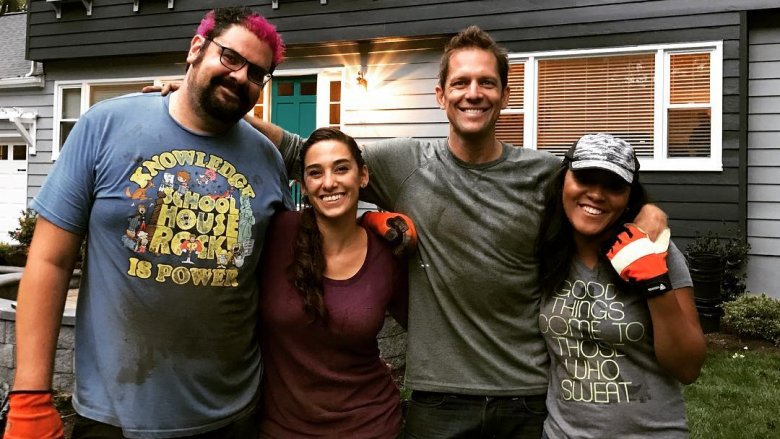
Another reason HGTV shows are totally fake is the unrealistic portrayal of renovation budgets and timelines. Many programs depict extensive home makeovers completed in just days or weeks, often with surprisingly low costs. In reality, these projects require months of work and significant financial investment.
HGTV productions often benefit from discounted labor rates or volunteer crews who work around the clock to meet filming deadlines. Contractors and suppliers may also provide materials at reduced prices or for free in exchange for exposure on the show. This behind-the-scenes support is not available to the average homeowner, making the transformations seen on TV unattainable for most viewers.
Actors and Staged Scenarios

Some HGTV shows go as far as casting actors to play the roles of homebuyers, realtors, or contractors. This practice is especially common in international spin-offs or episodes where producers want to appeal to a specific demographic. These actors follow scripts and rehearse scenes to ensure the show’s narrative flows smoothly.
Even when real homeowners participate, many scenes are reshot multiple times to capture the perfect reaction or dialogue. This repetition can lead to forced or unnatural performances, which detract from the authenticity viewers expect from reality television.
Hidden Costs and Post-Show Realities

Winning a dream home on HGTV’s sweepstakes or participating in a renovation show might seem like a once-in-a-lifetime opportunity, but the reality can be less glamorous. Many winners find themselves unable to afford the property due to high tax liabilities or ongoing maintenance costs. Similarly, homeowners who undergo renovations on HGTV often face unexpected expenses after filming ends, such as repairs for shoddy workmanship or incomplete projects.
These hidden costs highlight the gap between the polished TV presentation and the practical challenges of homeownership and renovation.
Conclusion

While HGTV shows provide entertaining and inspiring content, it’s important to remember that much of what you see is carefully crafted for television. From scripted endings and fake house hunts to unrealistic budgets and staged drama, these programs prioritize storytelling over authenticity. If you’re a fan of HGTV, enjoy the shows for what they are—escapist entertainment—but approach the “reality” with a healthy dose of skepticism.
Ready to dive deeper into the world of home renovation and real estate? Subscribe to our newsletter for honest tips, real stories, and expert advice that cuts through the TV magic!