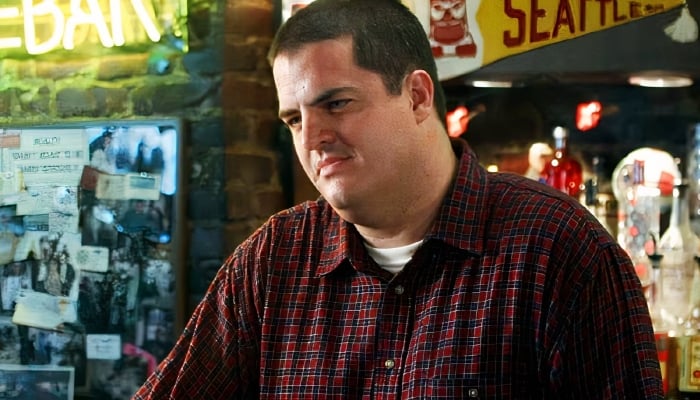
‘Grey’s Anatomy’ Actor Steven W. Bailey Reveals Battle with Rare Disorder
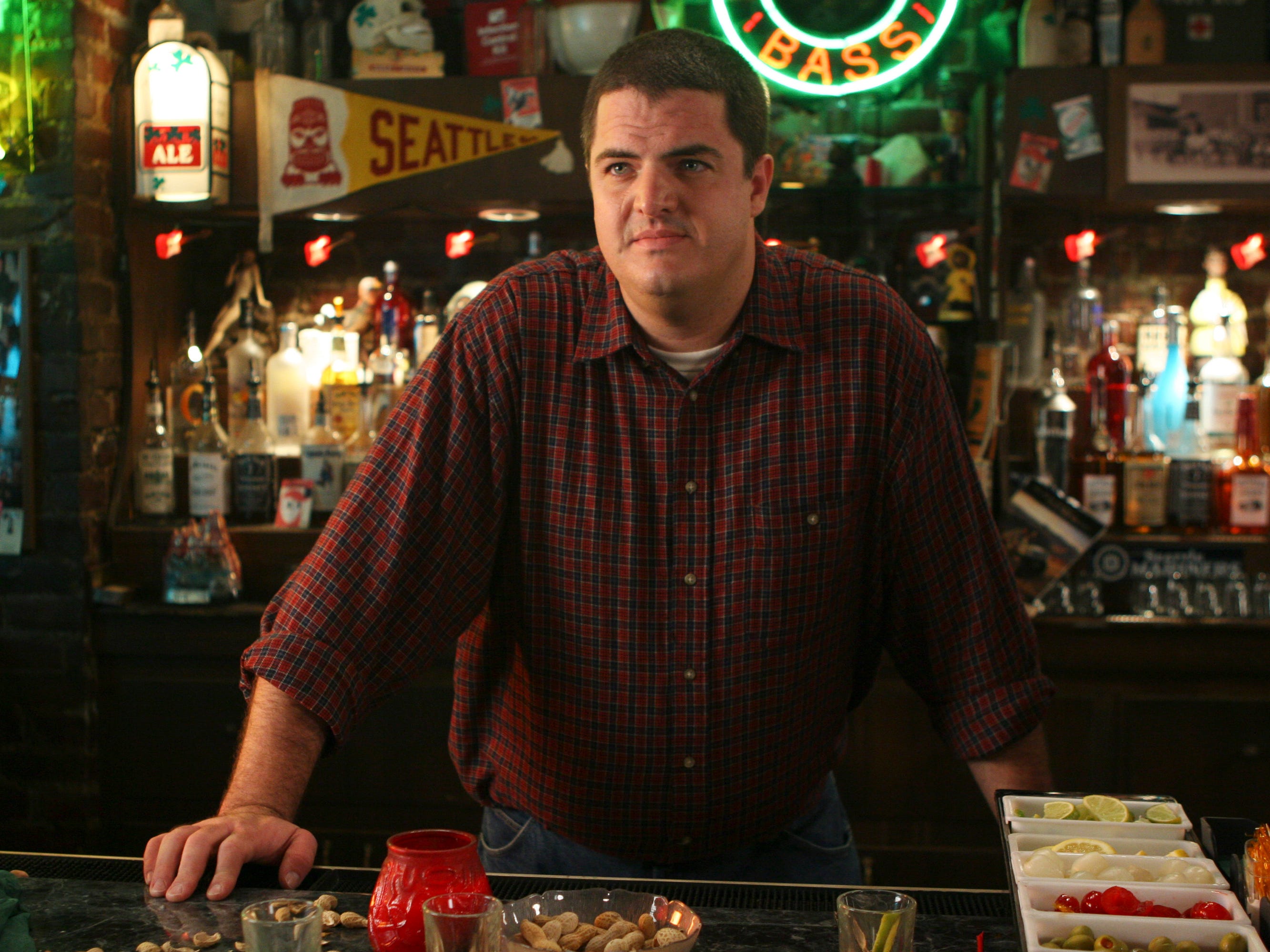
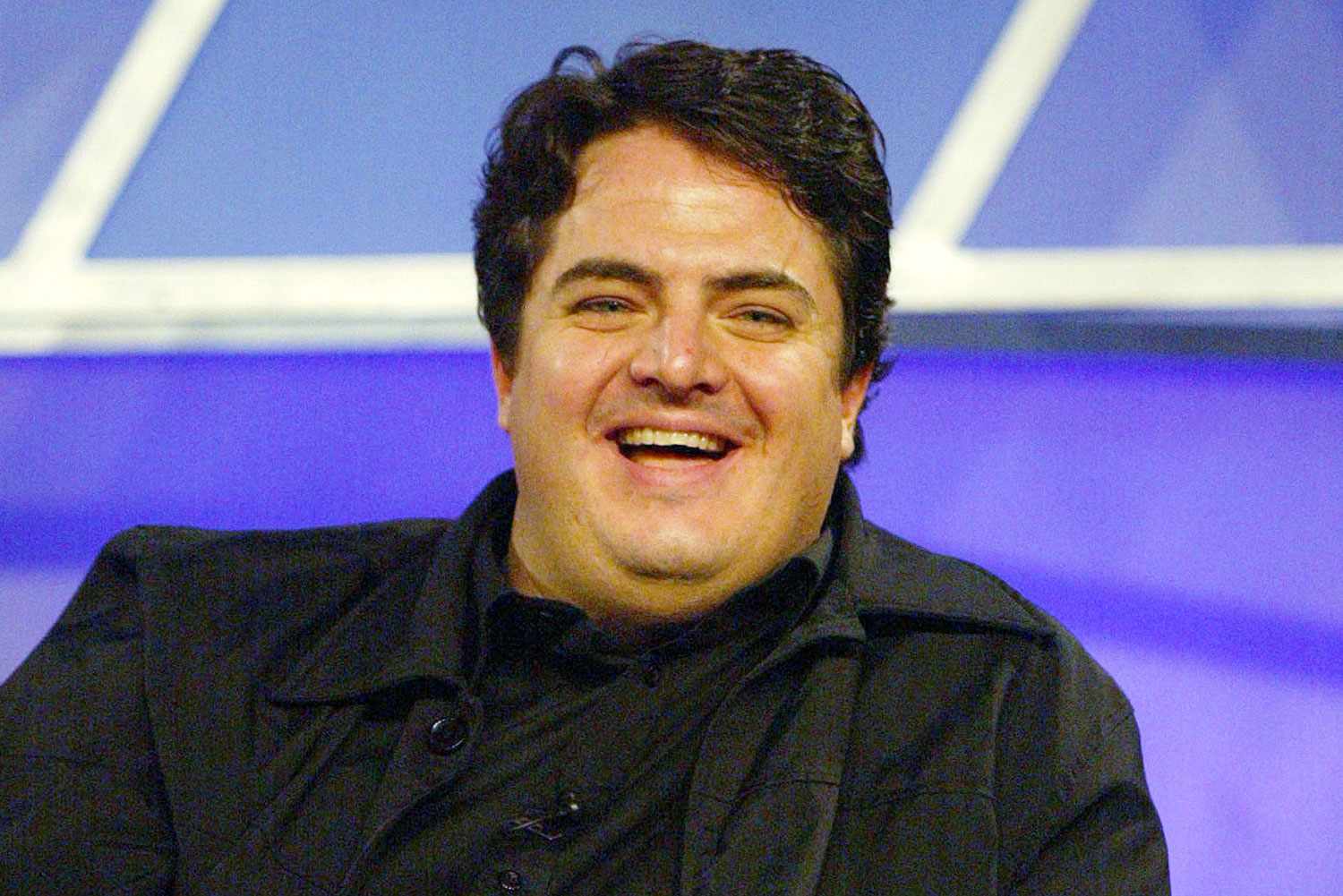
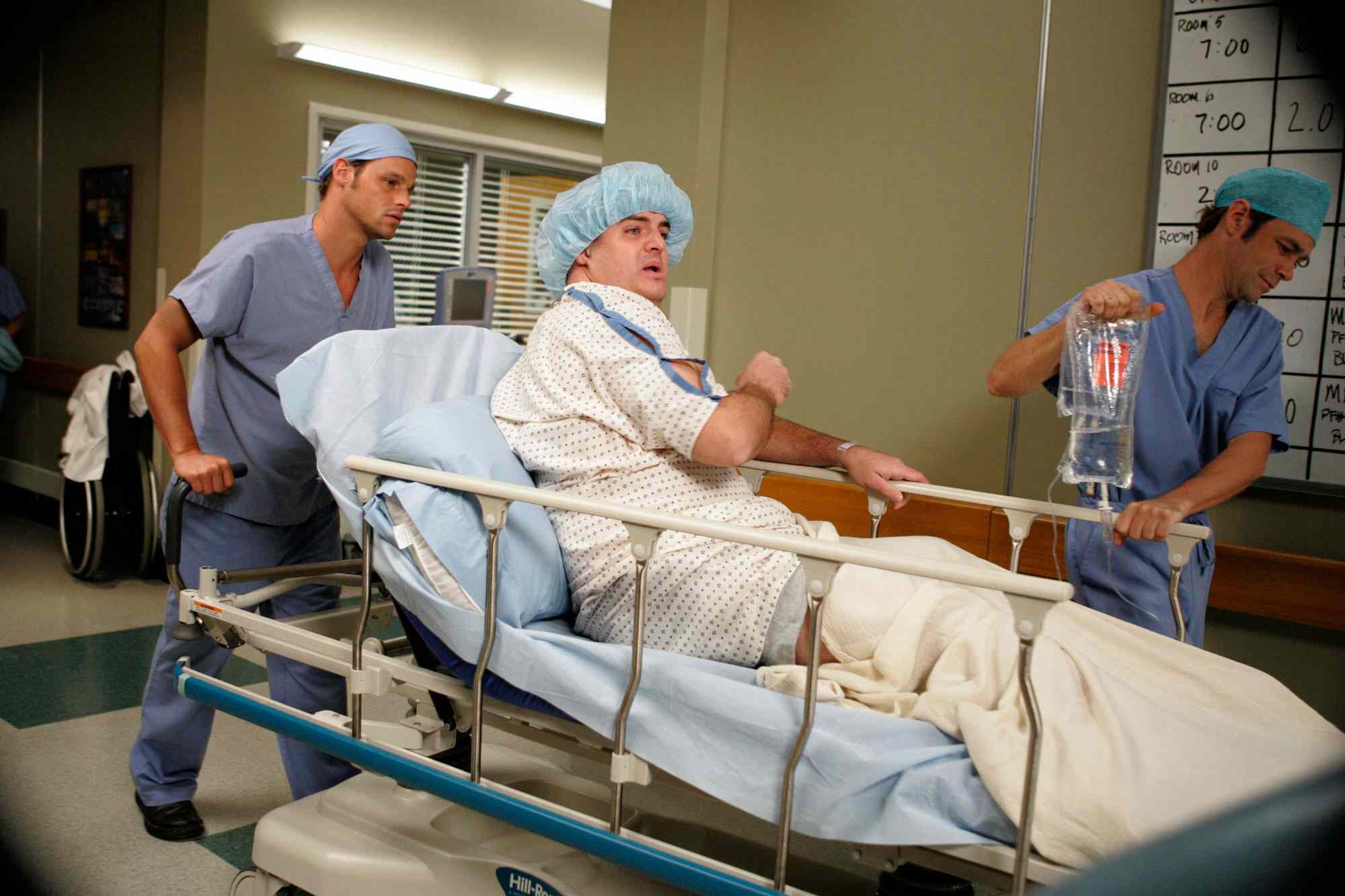
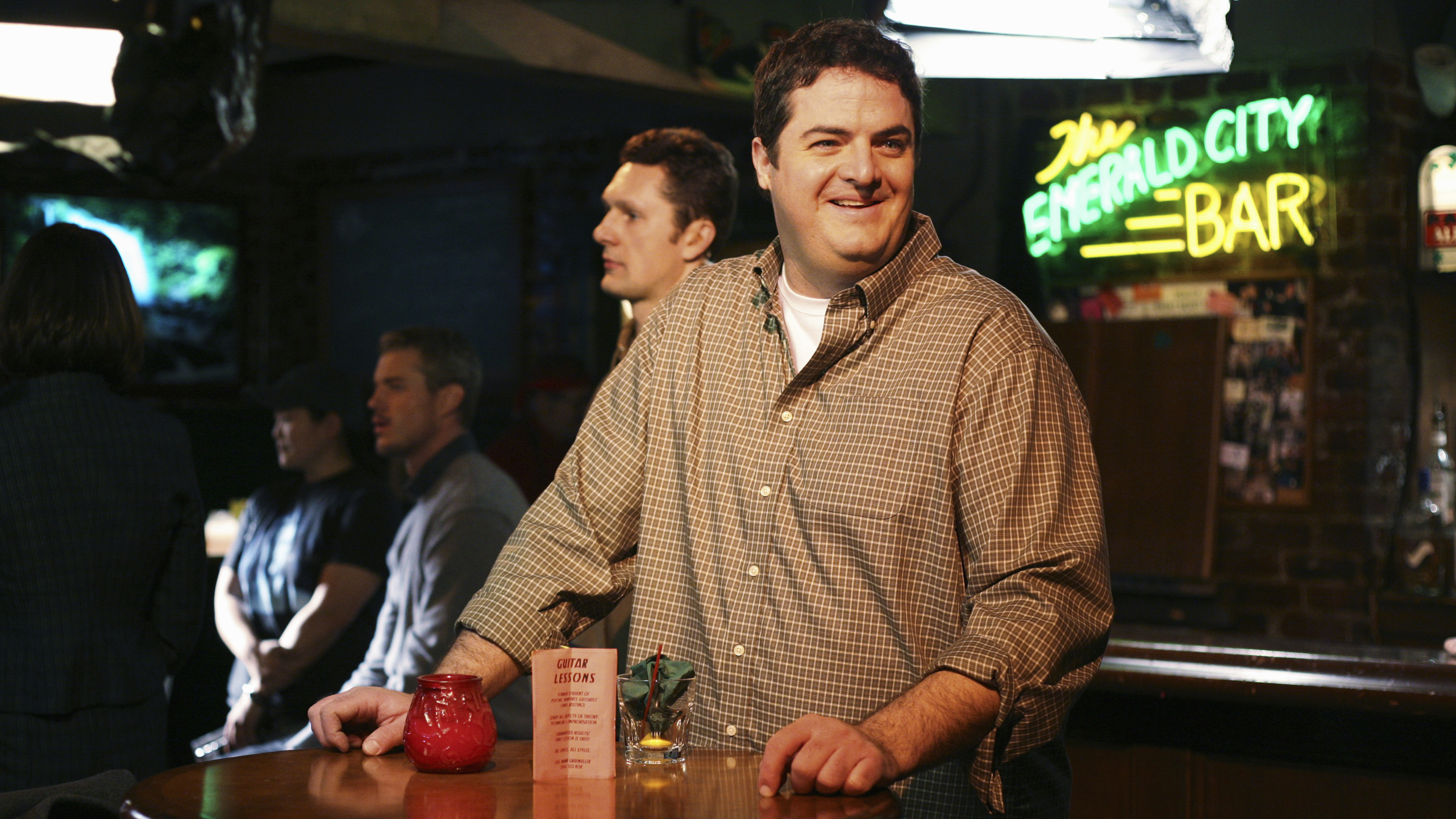
Steven W. Bailey, an actor widely recognized for his role as bartender Joe on the hit television series Grey’s Anatomy, has recently opened up about a deeply personal health struggle. After years of keeping his condition private, Bailey disclosed that he is living with a rare genetic disorder called Congenital Myasthenia Syndrome (CMS). This revelation sheds light on the challenges he faces both in his personal life and professional acting career, while also bringing attention to a little-known muscular disorder.
Understanding Congenital Myasthenia Syndrome: The Rare Disorder Affecting Steven W. Bailey
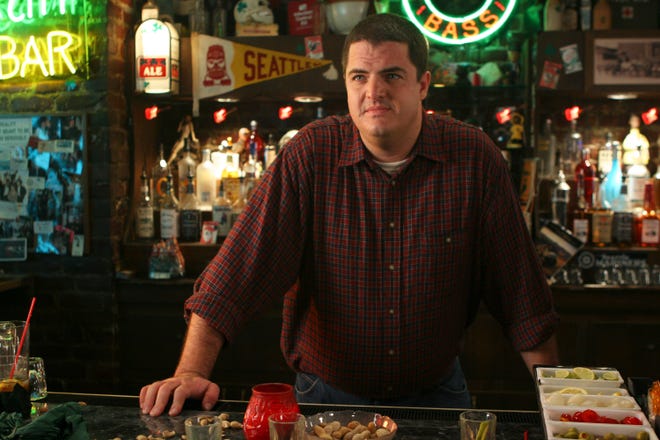
Congenital Myasthenia Syndrome is a group of rare genetic conditions characterized by muscle weakness that worsens with physical activity. According to the Mayo Clinic, CMS arises from gene mutations that impair communication between nerves and muscles, leading to fatigability and muscle weakness. The severity and symptoms of CMS can vary depending on the specific gene affected.
Typically, the muscles most impacted include those controlling eye movement, eyelids, chewing, and swallowing. However, as Bailey has shared, the disorder can also affect larger muscle groups such as the arms, legs, and hands, making everyday tasks increasingly difficult.
Bailey revealed that his hands, arms, and legs tire more quickly than expected, and walking has become a challenge. As the condition progresses, he has begun using a powered wheelchair more frequently to maintain mobility and independence.
How Steven W. Bailey’s Career and Life Are Changing Due to CMS
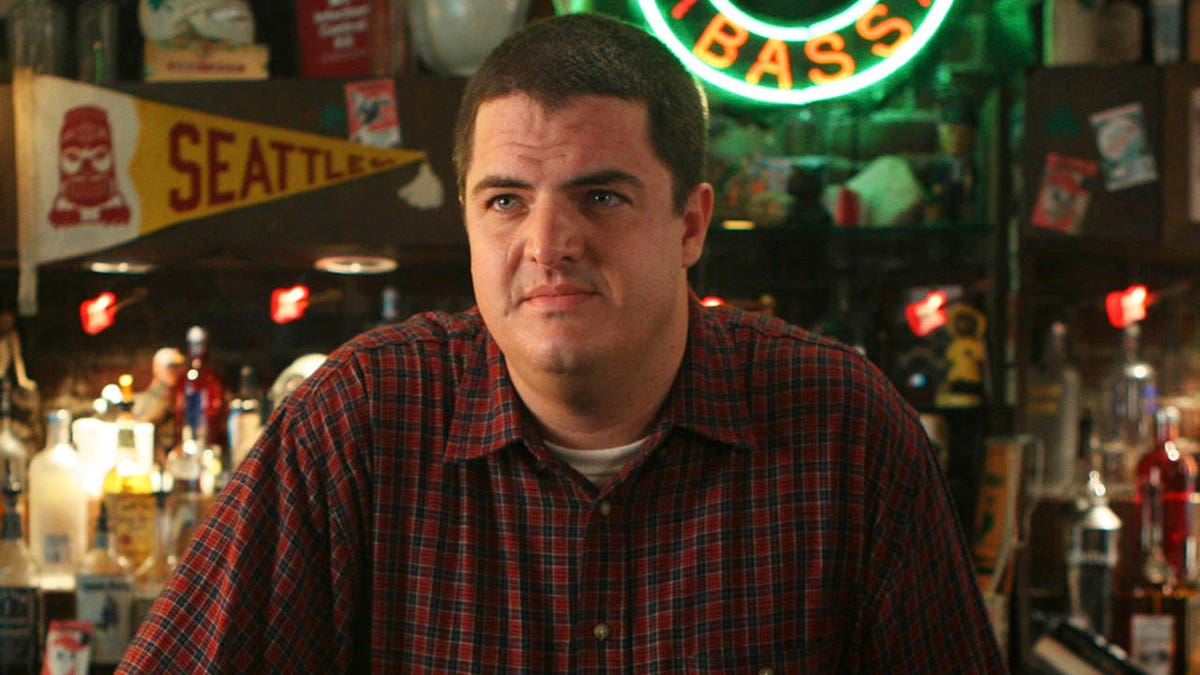
For over five years, Bailey kept his diagnosis under wraps, citing concerns about career implications and a desire for privacy. However, he recently decided it was time to stop hiding and share his journey publicly. This decision not only marks a new chapter in his life but also serves to raise awareness about CMS and the realities faced by those living with rare disorders.
Professionally, Bailey acknowledges that CMS is influencing the types of roles he can perform. While he can still manage simple movements and scenes that require walking or standing, he notes that his work will increasingly need to accommodate his use of a wheelchair. He remains optimistic about continuing his acting career, expressing hope that the entertainment industry will embrace his evolving needs.
Bailey’s openness about his condition is inspiring, demonstrating courage and resilience. His story highlights the importance of representation and inclusivity for actors with disabilities and chronic health conditions.
Rare Disorders in the Spotlight: Following the Path of Other ‘Grey’s Anatomy’ Stars
Bailey’s announcement comes in the wake of another Grey’s Anatomy actor, Eric Dane, revealing his battle with amyotrophic lateral sclerosis (ALS), a progressive neurodegenerative disease. Dane has spoken candidly about how ALS is shaping his career and life, emphasizing the need for awareness and support for those with rare and debilitating illnesses.
These disclosures by prominent actors help bring rare disorders into public conversation, encouraging empathy and understanding. They also underscore the challenges faced by individuals balancing demanding careers with serious health conditions.
Raising Awareness and Encouraging Support for Rare Disorders

Rare disorders like Congenital Myasthenia Syndrome often go undiagnosed or misunderstood due to their low prevalence and complex symptoms. Public figures like Steven W. Bailey play a crucial role in educating audiences and reducing stigma associated with chronic illnesses.
By sharing his experience, Bailey not only advocates for himself but also for the broader community affected by CMS and similar conditions. Increased awareness can lead to better research funding, improved treatments, and greater accessibility accommodations in various fields, including entertainment.
For those living with rare disorders, Bailey’s story is a reminder that they are not alone and that it is possible to pursue passions despite physical limitations.
What You Can Do to Support Individuals with Rare Disorders
– Educate yourself about rare disorders and their impact on daily life.
– Support organizations and charities dedicated to rare disease research and patient support.
– Advocate for inclusive policies in workplaces, schools, and public spaces.
– Encourage media representation of people with disabilities and chronic illnesses.
– Offer empathy and understanding to those managing health challenges.
Conclusion
Steven W. Bailey’s courageous decision to reveal his battle with Congenital Myasthenia Syndrome shines a much-needed spotlight on a rare and often overlooked disorder. His story is a powerful testament to resilience and the evolving nature of life and career in the face of health challenges. As Bailey embarks on this new chapter, he invites us all to foster greater awareness and support for individuals living with rare disorders.
If you or someone you know is affected by a rare condition, remember that sharing your story can inspire others and help build a more inclusive and understanding community. Stay informed, stay compassionate, and join the conversation today.