Jennifer Lawrence Reveals How Her ‘Bad Postpartum’ Experience After 2nd Baby Helped Her Tackle Latest Movie Role (Exclusive)
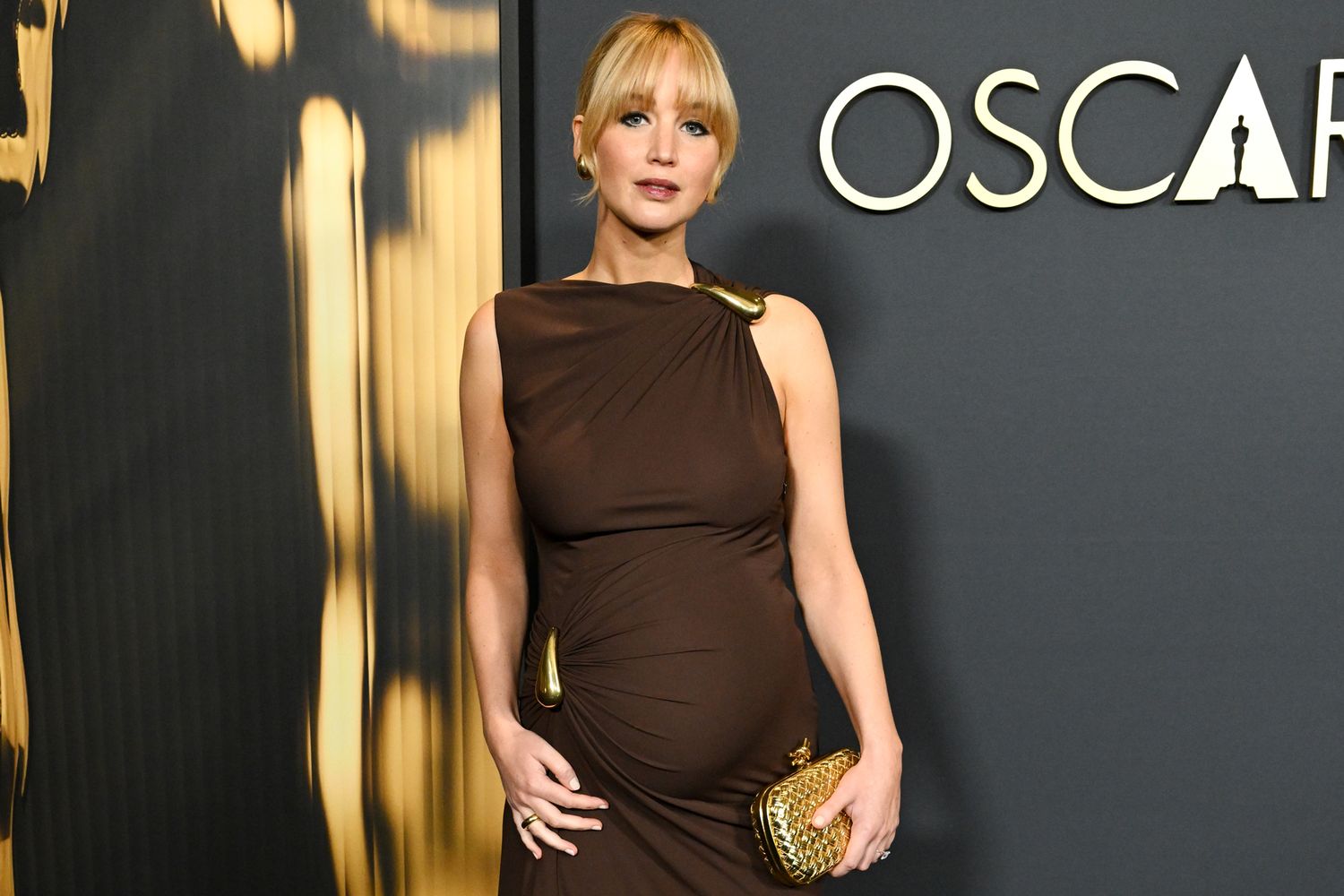
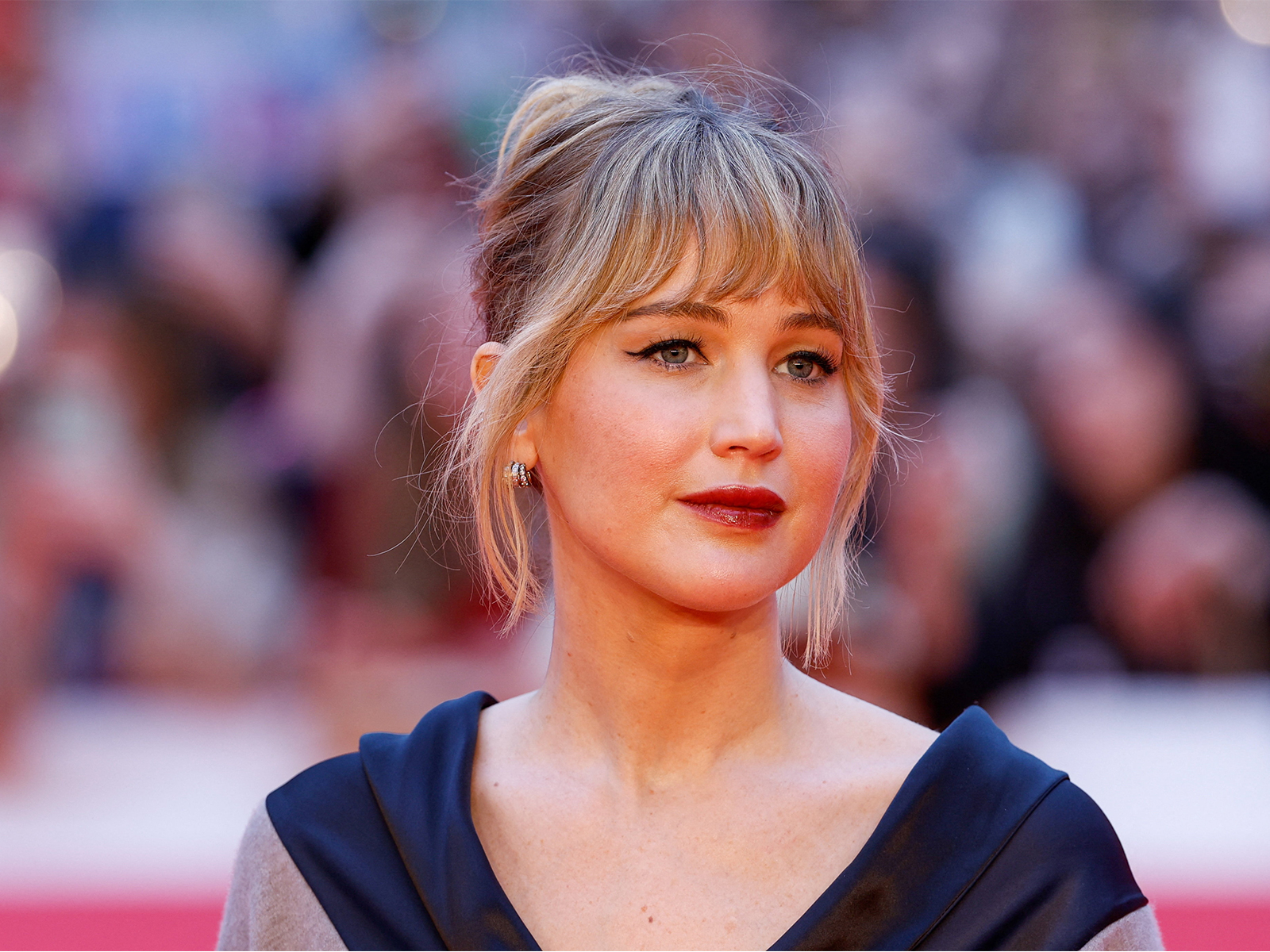
Jennifer Lawrence, the acclaimed actress known for her versatility and emotional depth, recently shared an intimate look into her postpartum journey following the birth of her second child. In a candid conversation at the New York City premiere of her newest film, Die My Love, Lawrence revealed how her difficult postpartum experience enriched her portrayal of a new mother struggling with the complexities of motherhood. This exclusive insight not only highlights the personal challenges she faced but also how those moments of vulnerability translated into a powerful performance on screen.
How Jennifer Lawrence’s Postpartum Experience Influenced Her Role in ‘Die My Love’

At 35 years old, Jennifer Lawrence has become a respected figure in Hollywood, not only for her impressive acting skills but also for her openness about mental health and motherhood. Earlier this year, she welcomed her second son with husband Cooke Maroney, joining her three-year-old son Cy in their growing family. It was after this second birth that Lawrence encountered severe postpartum anxiety, an experience she admits was far more intense than after her first child.
During the film’s premiere on November 1, 2025, Lawrence shared with PEOPLE how this personal struggle gave her a unique perspective that she brought to her role in Die My Love. The movie centers around a new mother grappling with the emotional weight and expectations of parenthood—a storyline that resonated deeply with Lawrence’s own life.
“I didn’t really end up having really bad postpartum [anxiety] until my second [baby],” Lawrence explained. “I think that just added another layer.” She emphasized that while one doesn’t need to be a parent to convincingly play one, having firsthand knowledge of the needs and emotional cues of a newborn helped her connect with the character on a more authentic level.
Breaking the Silence: Jennifer Lawrence’s Honest Discussion on Postpartum Anxiety
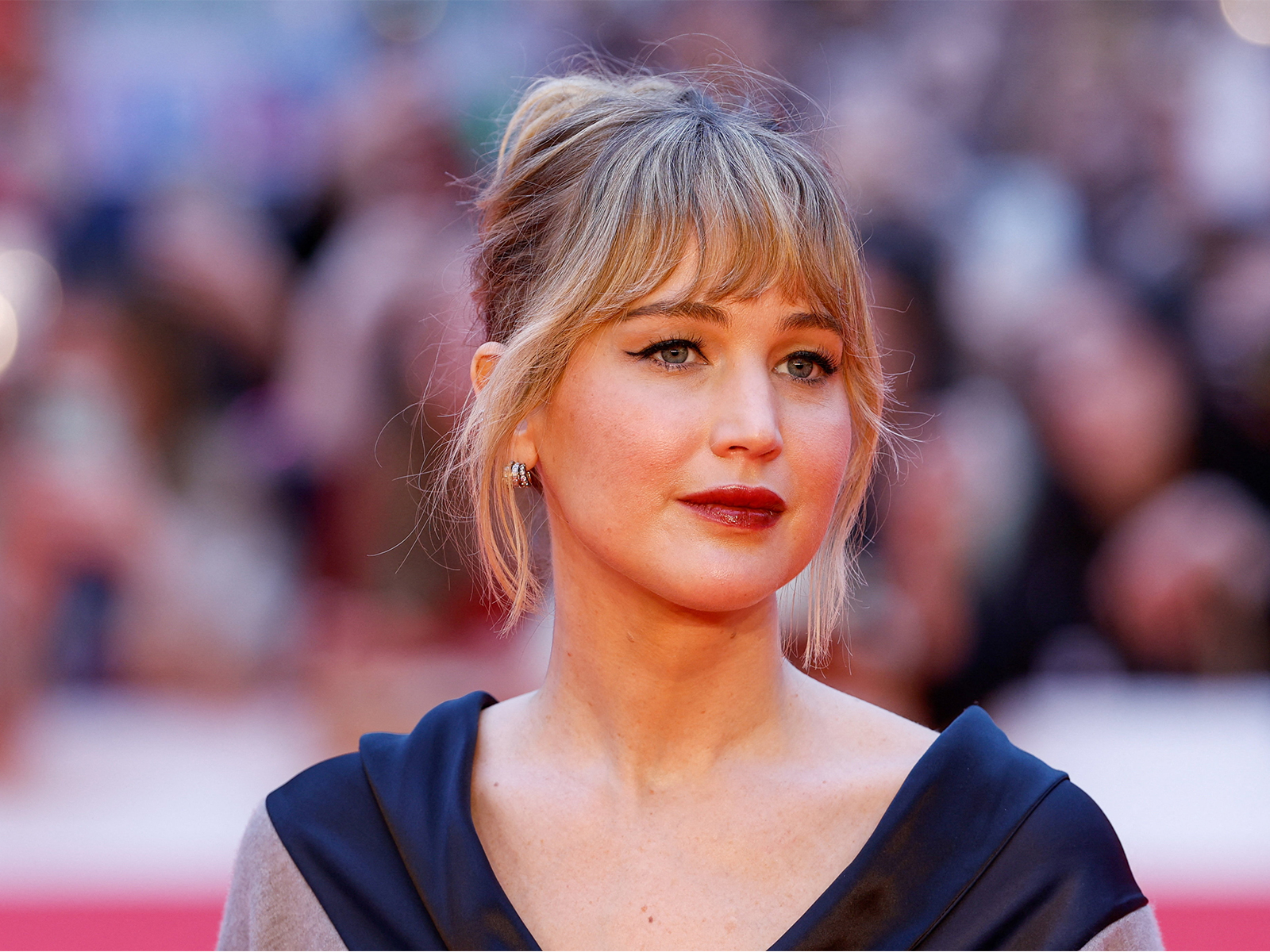
Jennifer Lawrence has never shied away from discussing mental health openly, and her recent revelations about postpartum anxiety have furthered the conversation around this often stigmatized condition. In a previous interview with The New Yorker, she described the overwhelming fears she faced, including intrusive thoughts about her baby’s safety and her own abilities as a mother.
“I just thought every time he was sleeping he was dead,” she admitted, highlighting the intense anxiety that can accompany postpartum depression. Lawrence also shared moments of self-doubt, worrying that her baby’s cries meant he was unhappy or that she was failing as a parent.
One poignant moment she recalled was when she turned to ChatGPT for reassurance about breastfeeding and found unexpected comfort in the AI’s supportive response: “You’re doing the most amazing thing for your baby. You’re such a loving mother.” This blend of technology and empathy helped her navigate the isolating feelings she experienced.
Importantly, Lawrence also spoke about her treatment journey, mentioning that she took Zurzuvae, a newly developed medication for postpartum depression. The drug provided significant relief, allowing her to regain stability and focus both on her family and her career.
On Set Connections: Parenting Bonds with Co-Star Robert Pattinson
During the filming of Die My Love, Jennifer Lawrence found common ground with her co-star Robert Pattinson, who is also a new parent. Pattinson welcomed a baby girl with fiancée Suki Waterhouse last year, and the two actors connected over the shared joys and challenges of raising young children.
Lawrence fondly recalled how their conversations often revolved around their kids, exchanging photos and stories as any new parent would. “That’s the only thing you want to do is just, like, look at pictures and show people pictures and videos of [your] kids,” she said. This camaraderie helped foster a supportive environment on set, enriching their performances and personal experiences alike.
Why Jennifer Lawrence’s Story Matters

Jennifer Lawrence’s openness about her postpartum struggles and how they influenced her acting role sheds light on the realities many new mothers face but few discuss publicly. Her story encourages a broader dialogue about mental health, motherhood, and the importance of seeking help when needed.
By channeling her personal experiences into her craft, Lawrence not only delivers a compelling performance but also offers representation and validation to women navigating similar challenges. Her journey underscores that vulnerability can be a source of strength, both in life and art.
Supporting Mental Health Awareness in Motherhood

Postpartum anxiety and depression affect countless women worldwide, yet stigma and misinformation often prevent open conversations. High-profile figures like Jennifer Lawrence sharing their experiences help normalize these conditions and promote understanding.
If you or someone you know is struggling with postpartum mental health issues, it’s crucial to seek professional support. Early intervention can make a significant difference in recovery and wellbeing.
Conclusion
Jennifer Lawrence’s candid revelation about her “bad postpartum” experience after her second baby offers a powerful glimpse into how personal challenges can enrich artistic expression. Her ability to transform vulnerability into strength not only enhanced her role in Die My Love but also contributes to a vital conversation about motherhood and mental health.
If you found Jennifer Lawrence’s story inspiring, stay connected for more exclusive insights and updates on your favorite celebrities. Don’t forget to share this article with friends and family to help spread awareness about postpartum mental health.