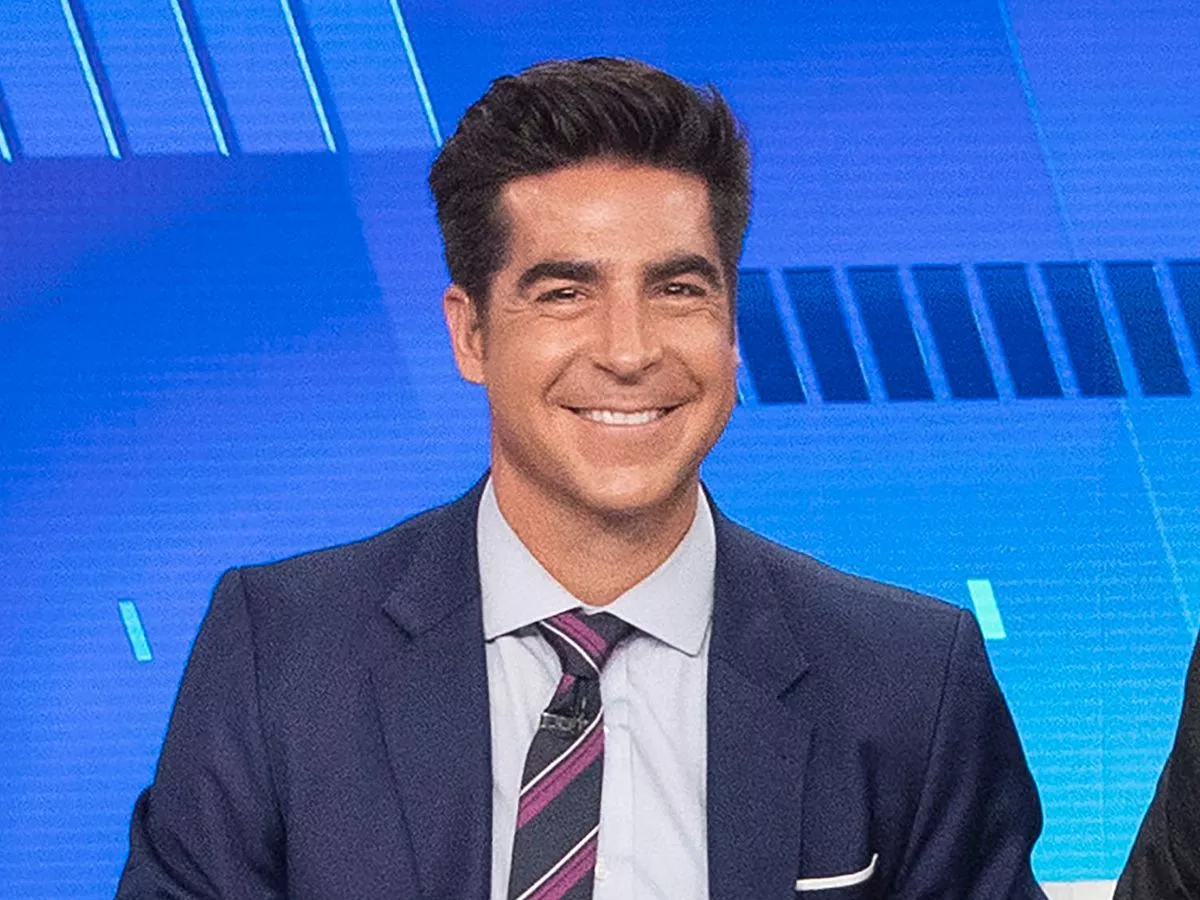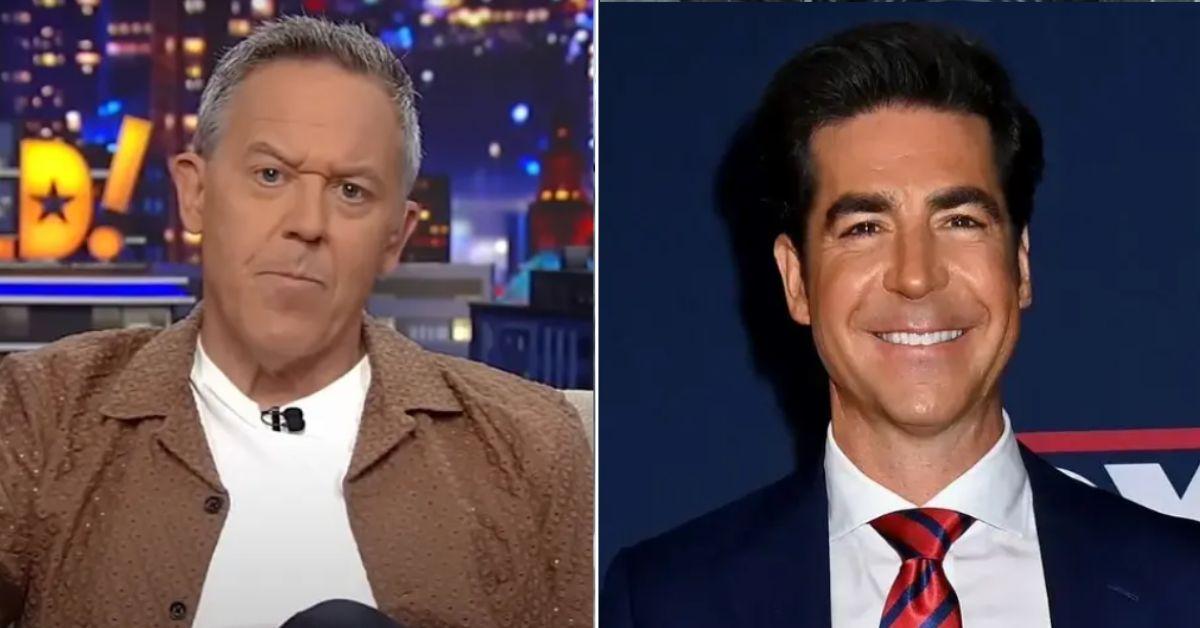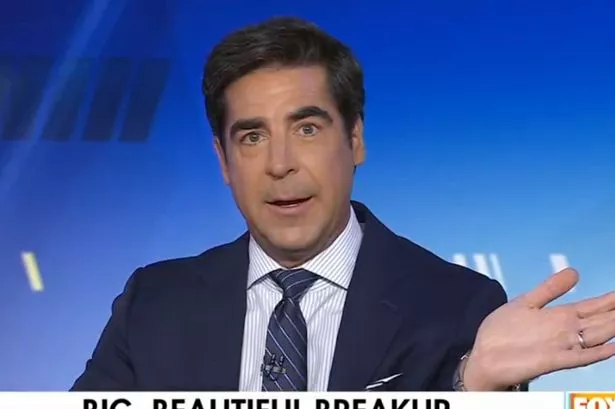
**Meta Description:** Jesse Watters and Greg Gutfeld have recently faced significant backlash for their crude and speculative comments regarding 19-year-old Barron Trump during a live broadcast. This article explores the incident, the reactions it sparked, and the broader implications for public discourse and media responsibility.
Jesse Watters and Greg Gutfeld Face Backlash for Crude, Speculative Comments About 19-Year-Old Barron Trump On Air
In a recent episode of their popular Fox News show, Jesse Watters and Greg Gutfeld made headlines for all the wrong reasons. Their crude and speculative remarks about Barron Trump, the youngest son of former President Donald Trump, have ignited a firestorm of criticism across social media and beyond. The incident raises important questions about the responsibility of media figures and the impact of their words on public discourse.
The Incident: What Was Said?
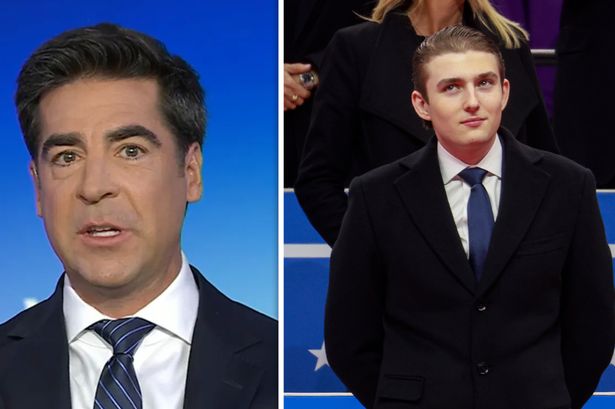
During a segment that was ostensibly meant to be lighthearted, Watters and Gutfeld veered into territory that many viewers found offensive. Their comments about Barron Trump, who is now 19 years old, were not only crude but also speculative, leading many to question the appropriateness of discussing a young adult in such a manner. The remarks were perceived as an attack on Barron’s character and upbringing, which many felt crossed a line that should not be crossed, especially when it comes to the children of public figures.
The backlash was swift. Social media users took to platforms like Twitter and Facebook to voice their outrage, with many calling for accountability from the hosts and the network. Critics argued that such comments perpetuate a culture of bullying and harassment, particularly against young individuals who are not public figures in their own right. The incident has sparked a broader conversation about the ethics of media commentary and the responsibility that comes with a public platform.
Public Reaction: Outrage and Support
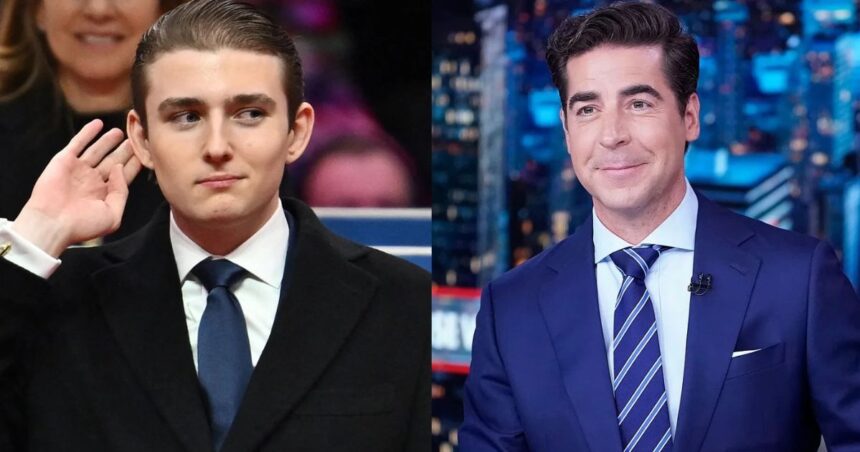
The reaction to Watters and Gutfeld’s comments was overwhelmingly negative, with many people expressing their disgust at the hosts’ lack of sensitivity. Prominent figures, including journalists and political commentators, condemned the remarks, emphasizing that regardless of one’s political stance, attacking a young person is unacceptable.
On the other hand, some supporters of Watters and Gutfeld defended their right to free speech, arguing that the comments were made in jest and should not be taken seriously. This division highlights a significant rift in public opinion regarding the boundaries of humor and critique in political commentary.
Moreover, the incident has reignited discussions about the treatment of children in the political spotlight. Many advocates are calling for a more respectful approach to discussing the families of public figures, arguing that children should be off-limits when it comes to political discourse. This sentiment is echoed by various organizations that promote responsible media practices and advocate for the protection of minors from public scrutiny.
The Broader Implications for Media Responsibility
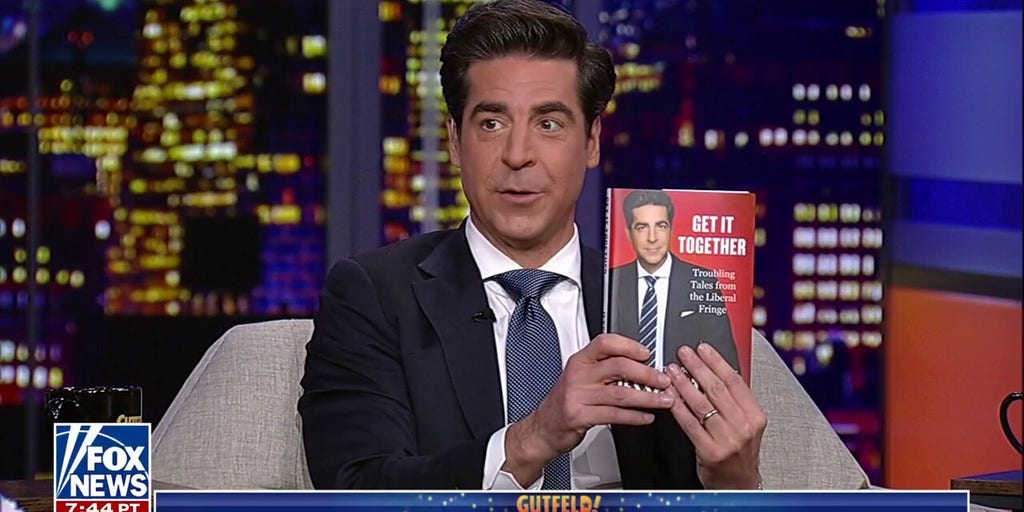
The backlash against Watters and Gutfeld’s comments serves as a reminder of the power that media personalities wield. With millions of viewers tuning in, their words can influence public perception and contribute to a culture that either promotes or condemns certain behaviors. This incident raises critical questions about the role of media in shaping societal norms and values.
As consumers of media, it is essential to hold broadcasters accountable for their statements. The expectation should be that public figures, especially those in the media, exercise a degree of responsibility in their commentary. This includes being mindful of the potential impact their words may have on individuals, particularly those who are vulnerable or not in a position to defend themselves.

Furthermore, the incident underscores the need for media literacy among the public. Understanding the motivations behind certain comments and recognizing when a line has been crossed can empower viewers to demand better from their media sources. It also encourages a culture of critical thinking, where audiences are not just passive consumers but active participants in the discourse surrounding media ethics.
Conclusion

The crude and speculative comments made by Jesse Watters and Greg Gutfeld about Barron Trump have sparked significant backlash and raised important questions about media responsibility. As the conversation continues, it is crucial for both media figures and the public to reflect on the impact of their words and the importance of treating all individuals, especially young people, with respect.
As consumers of media, we have the power to demand better standards and practices from those who shape our public discourse. Let’s advocate for a media landscape that prioritizes respect and accountability. If you believe in the importance of responsible commentary, join the conversation and share your thoughts on how we can create a more respectful media environment.