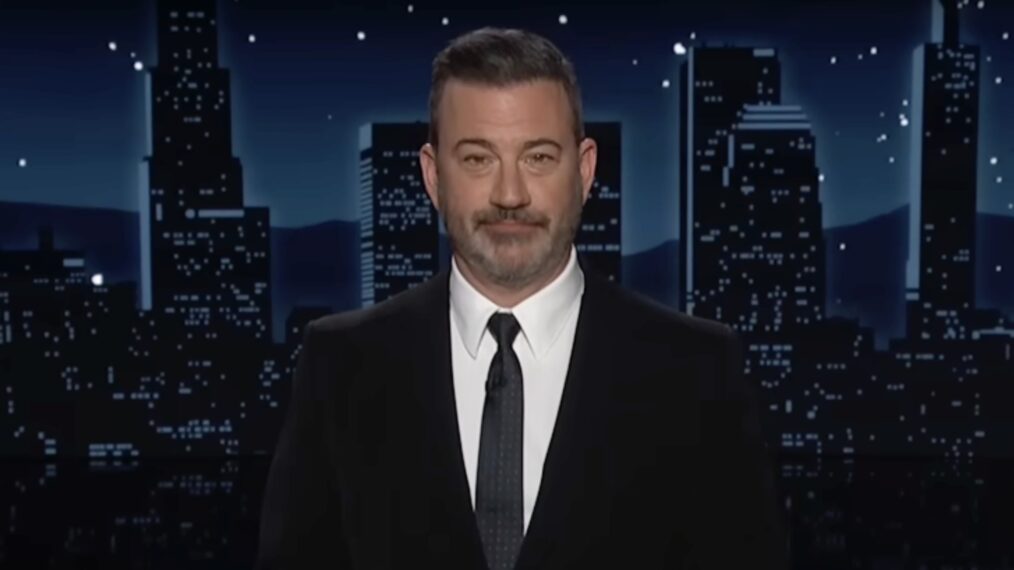
‘Censoring you in real time’: Suspension of Jimmy Kimmel Show Sparks Shock and Fears for Free Speech
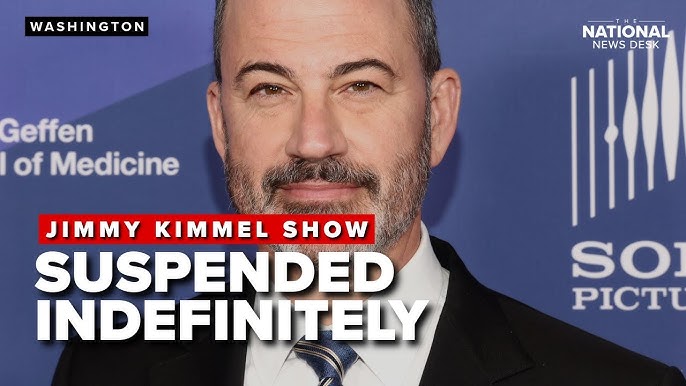
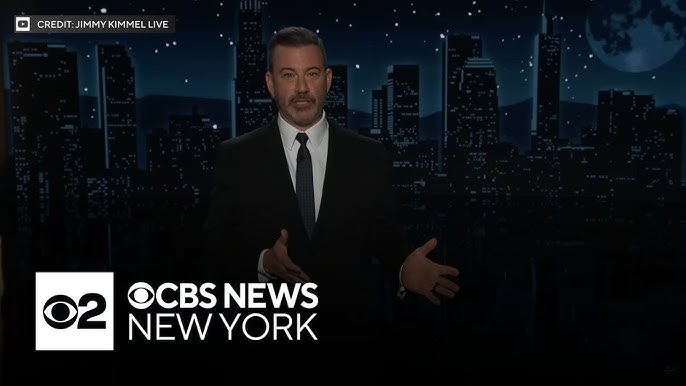
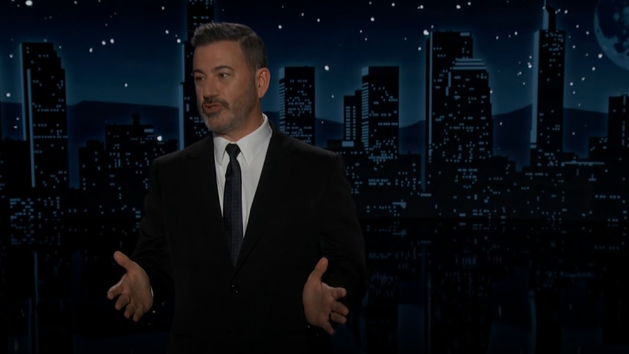
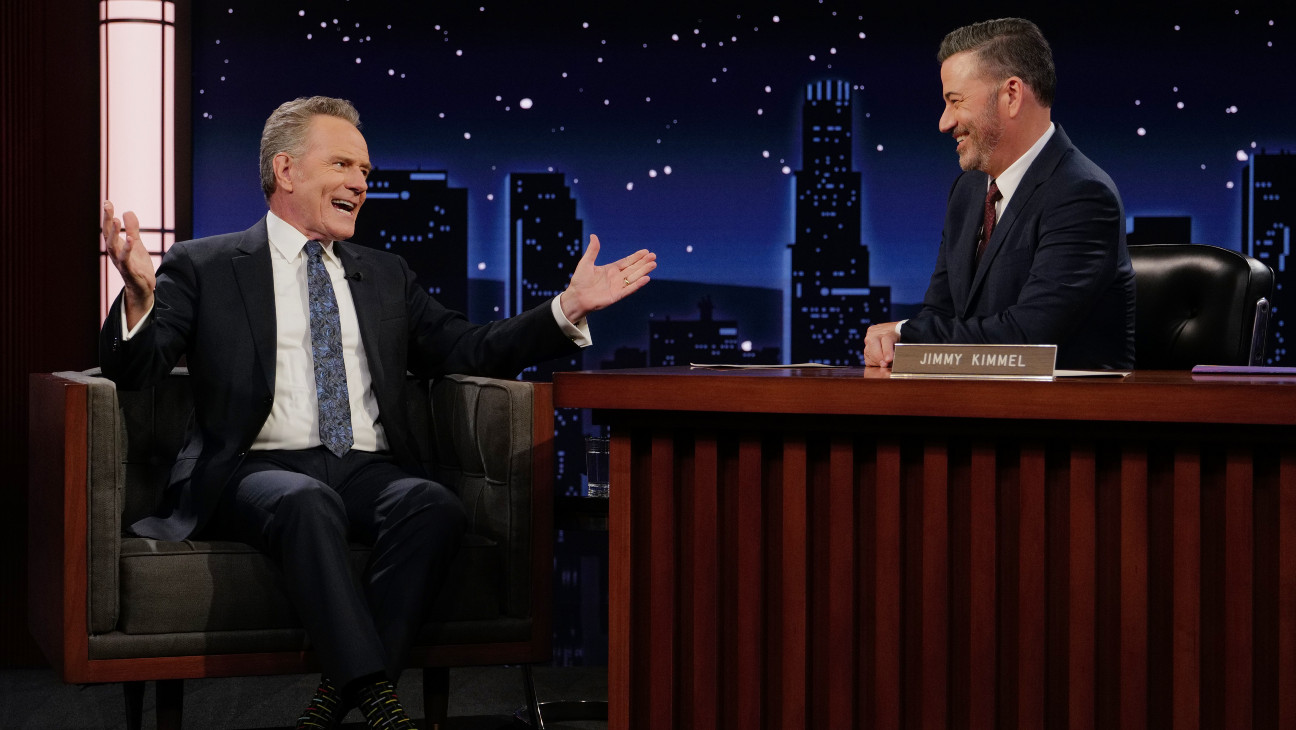
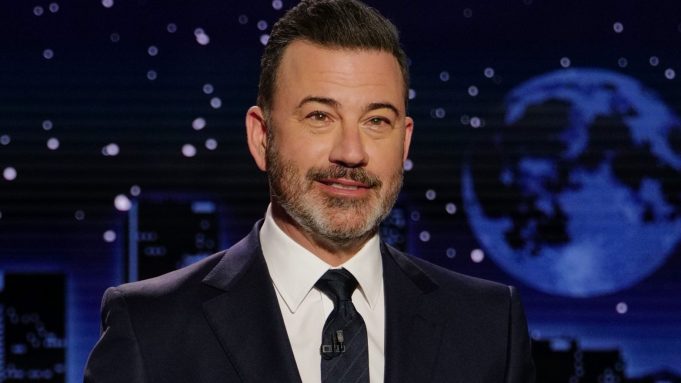
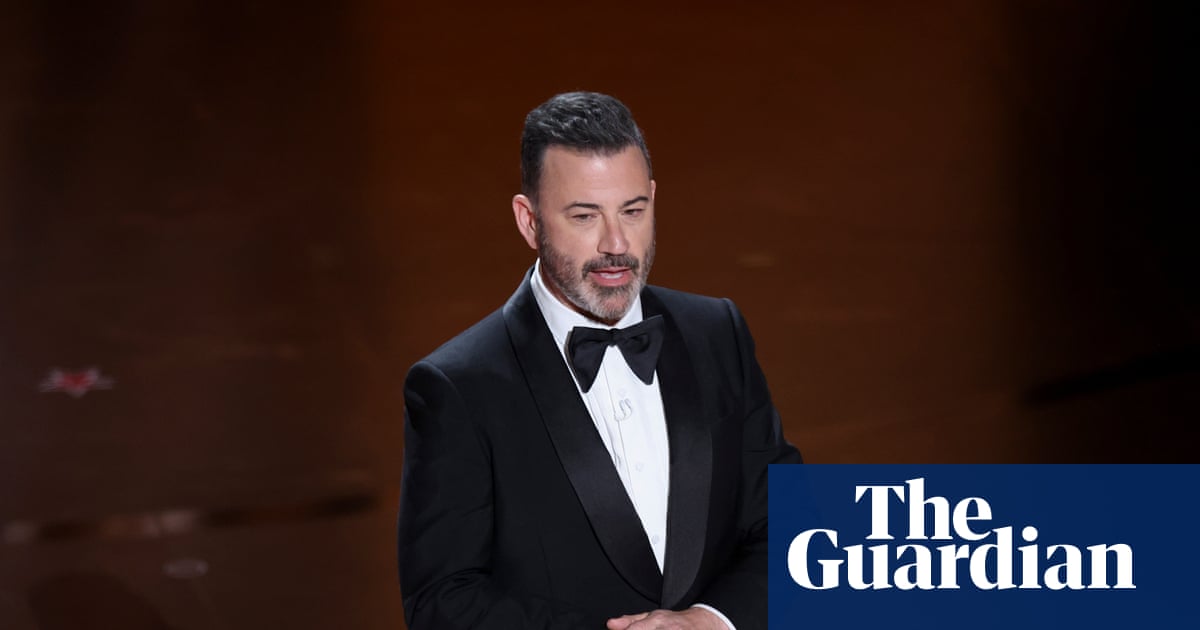
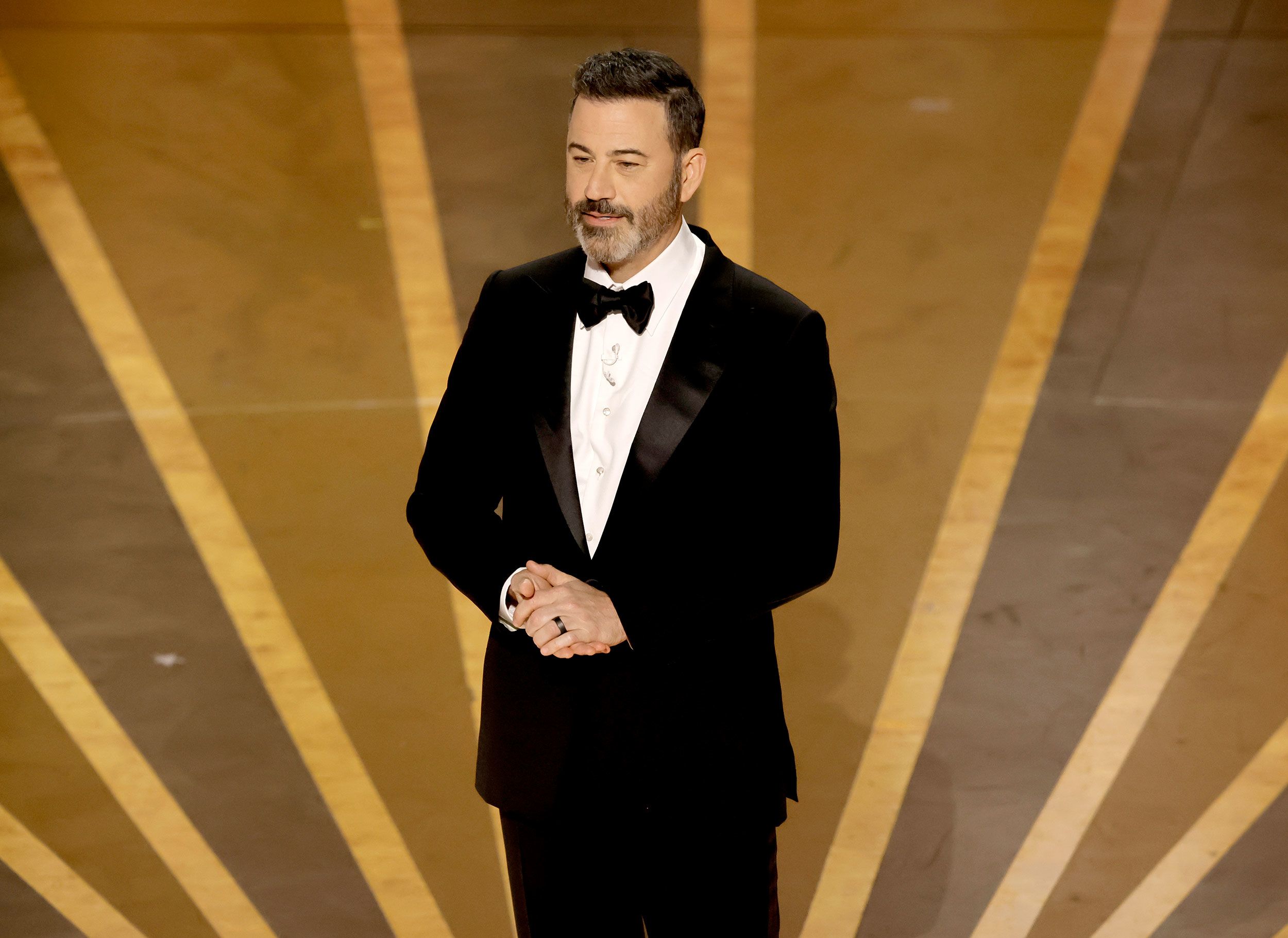
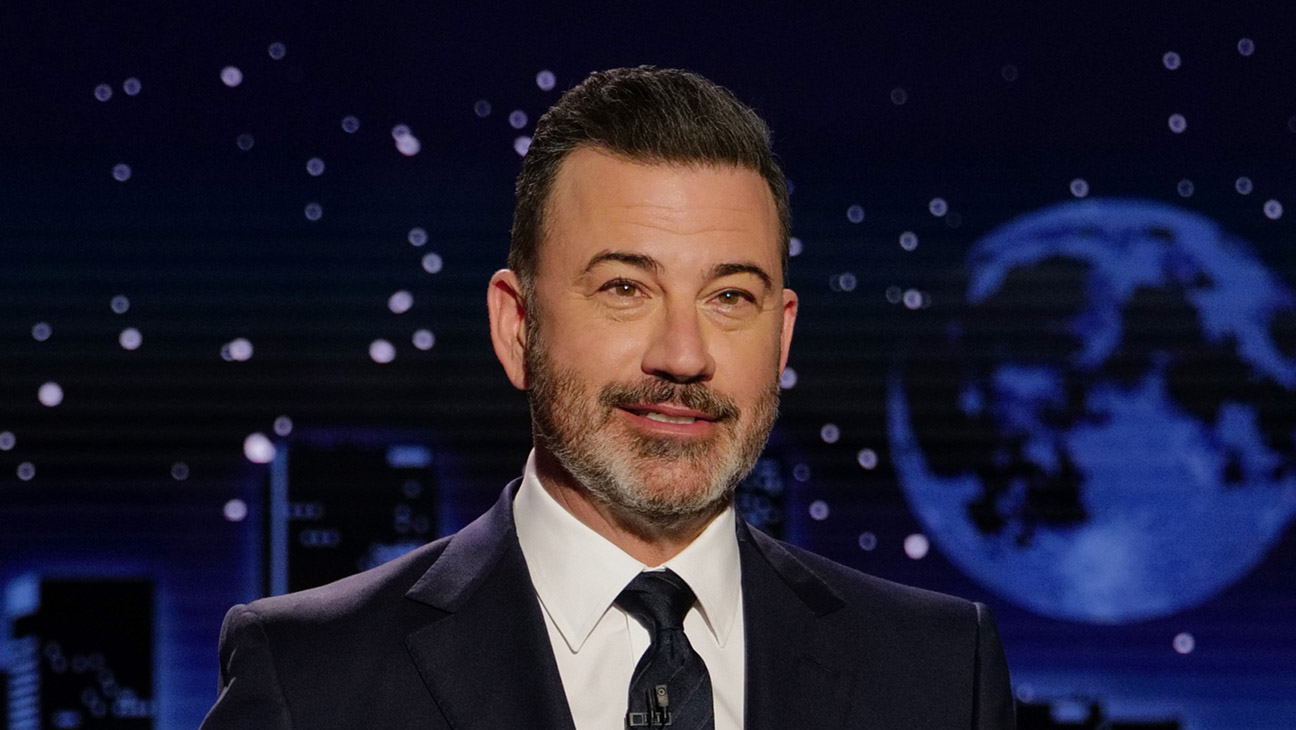
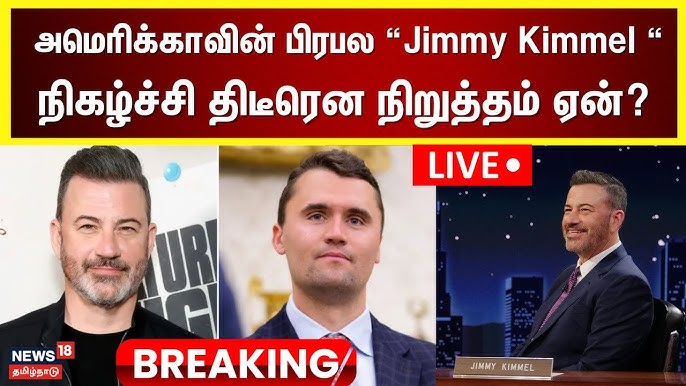
The recent suspension of Jimmy Kimmel’s late-night show has ignited an uproar among advocates for free speech and media professionals alike. ABC has indefinitely halted “Jimmy Kimmel Live!” after the comedian made controversial comments regarding the killing of conservative activist Charlie Kirk. This drastic decision came on the heels of backlash from affiliate stations linked to ABC, as well as a threatening statement from U.S. media regulator chair Brendan Carr, who warned of consequences for networks failing to address Kimmel’s comments appropriately.
Implications for Freedom of Speech
Leading figures from various political backgrounds have openly condemned the suspension, perceiving it as a perilous attempt to curtail dissenting voices. California Governor Gavin Newsom described the situation as a calculated move aimed at suppressing free expression. Democratic leaders, including Senate Minority Leader Chuck Schumer, voiced their discontent, asserting that all individuals, regardless of their political leanings, ought to unite against such actions against free speech.
Comedians and actors have also expressed their concerns, labeling the suspension as an affront to freedom of expression. Notable comedian Wanda Sykes remarked on how the current political environment, particularly during President Trump’s administration, has contributed to a decline in free speech. The wave of public response included comparisons to various historical episodes of attempted silencing, raising alarms that we could be entering a new era of systematic censorship in the media landscape.
The Public’s Reaction
Kimmel’s remarks brought attention to the Republican effort to politicize Kirk’s assassination, highlighting how some figures were endeavoring to distance themselves from the alleged perpetrator. Following the suspension, numerous firings occurred across different industries, targeting individuals who had made comments deemed inappropriate considering the circumstances surrounding Kirk’s death.
This incident exemplifies the growing tensions surrounding media freedom, political discourse, and the consequences that public personalities face when articulating critical viewpoints. The reaction signifies a rising sensitivity and apprehension regarding censorship in today’s media ecosystem.
The Broader Media Landscape
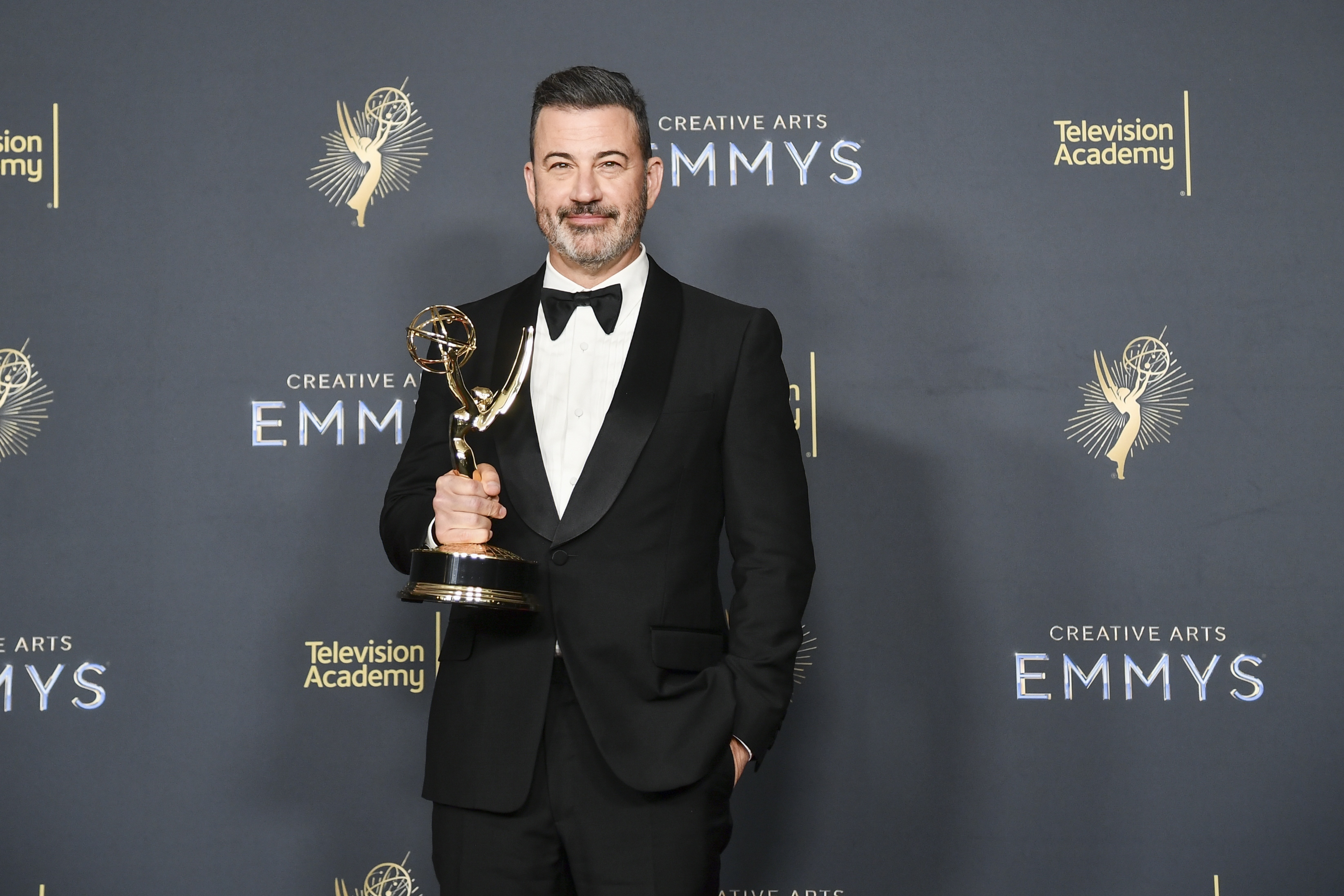
The abrupt suspension of Kimmel’s show raises concerns over the current state of media freedom and the implications for creators and entertainers. A chilling atmosphere appears to be setting in where the boundaries of acceptable speech are continually narrowing, potentially impacting the diversity of content offered to audiences. The chilling effect of such decisions could lead to self-censorship among artists and journalists, who may fear backlash for expressing their viewpoints.
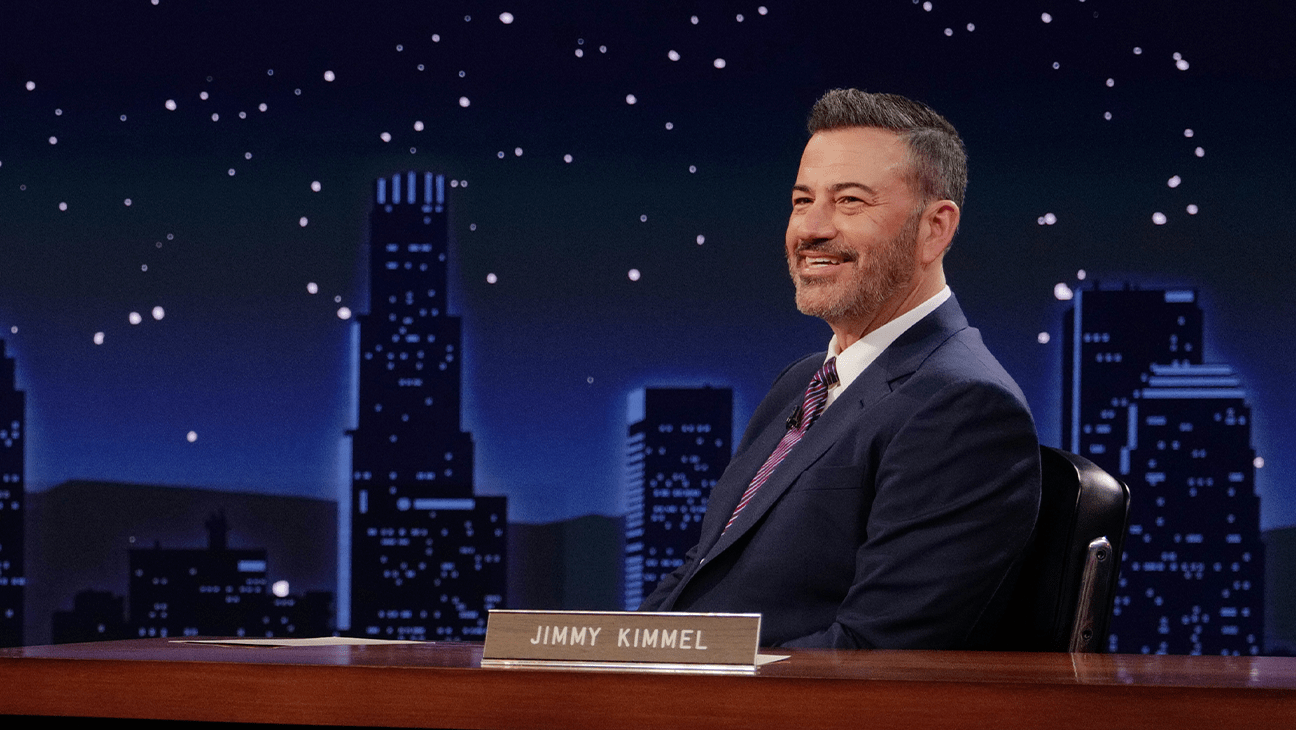
Moreover, this incident highlights the increasingly intricate relationship between media outlets and governmental or regulatory bodies. In a climate fraught with political tension, the call for accountability and responsibility from media personalities has been heightened. The fear of being held liable for comments made in jest or commentary can deter comedians, satirists, and talk show hosts from addressing pressing societal issues, ultimately leading to a more homogenized media environment.
While comedy has typically served as a vehicle for challenging the status quo, the recent suppression of dissenting voices has sparked an ongoing debate about the state of free speech. For many, the suspension of shows like Kimmel’s represents more than just the cancellation of entertainment; it signifies an alarming trend in which free expression is increasingly stifled by external pressures.
Conclusion
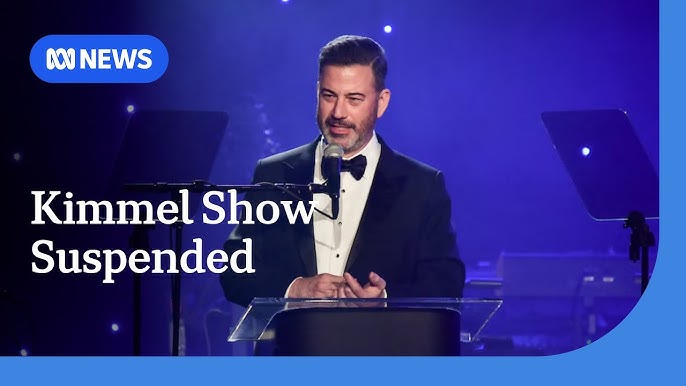
In light of these developments, it is crucial for media consumers and advocates of free speech to remain vigilant. The suspension of Jimmy Kimmel’s show poses significant questions about the future of free expression in entertainment and public discourse. As this situation evolves, individuals are encouraged to engage with the wider conversation around media censorship and support platforms that advocate for unbridled creative freedom. It is essential to promote an environment where diverse opinions can be shared without fear of retribution.