Drake Suffers Major Defeat in Lawsuit Over Kendrick Lamar’s Diss-Track Hit Not Like Us
Drake, one of the most prominent figures in the music industry, recently faced a significant setback in his legal battle concerning Kendrick Lamar’s diss track, “Not Like Us.” The lawsuit, which accused Universal Music Group (UMG) of defamation due to the controversial lyrics in Lamar’s song, was dismissed by a federal judge. This ruling marks a crucial moment in the ongoing tensions between the two rap superstars and highlights important issues related to artistic expression and defamation law.
Details of Drake’s Lawsuit Over Kendrick Lamar’s Diss Track “Not Like Us”
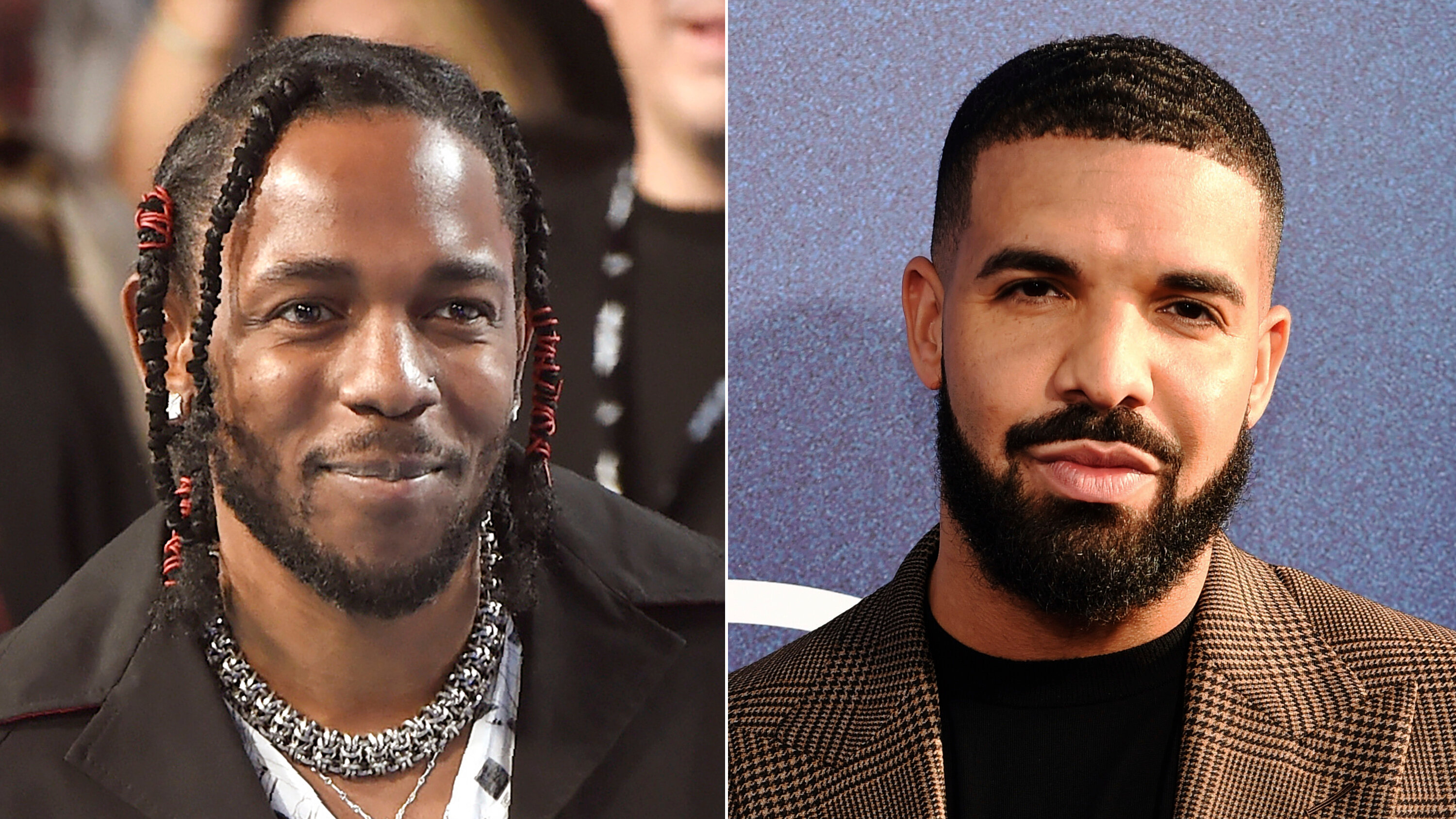
The lawsuit filed by Drake, whose full name is Aubrey Drake Graham, targeted Universal Music Group, the parent company of his label, Republic Records. Drake alleged that the diss track “Not Like Us,” performed by Kendrick Lamar, contained defamatory statements that damaged his reputation. Specifically, the lyrics referred to Drake as a “pedophile,” a serious accusation that Drake claimed was false and harmful.
However, on Thursday, Judge Jeannette A. Vargas dismissed the federal lawsuit. According to court documents, the judge ruled that the most inflammatory statements in the song could not be interpreted as objective facts. Instead, these lyrics were deemed to be part of Lamar’s artistic expression and protected under free speech laws. This decision underscores the legal protections afforded to creative works, especially in the context of music and public discourse.
Representatives for both Drake and Kendrick Lamar have yet to issue official comments regarding the dismissal. Meanwhile, a spokesperson for Universal Music Group expressed satisfaction with the court’s decision, stating that the lawsuit was an affront to artistic creativity and should never have been filed. The spokesperson also reaffirmed UMG’s commitment to supporting Drake’s music career despite the legal dispute.
Implications of the Court’s Ruling on Artistic Expression and Defamation
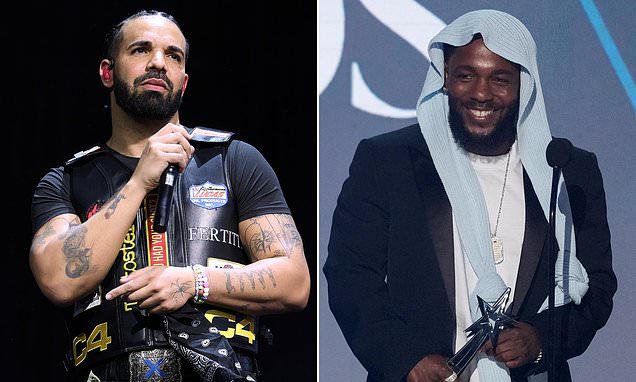
The dismissal of Drake’s lawsuit raises important questions about the boundaries between defamation and artistic freedom. In the music industry, diss tracks are a common form of rivalry and self-expression, often featuring provocative and exaggerated language. Courts must balance protecting individuals from false and damaging statements with safeguarding artists’ rights to creative expression.
Judge Vargas’s ruling suggests that lyrics, even when controversial or offensive, are often viewed as subjective opinions or artistic hyperbole rather than factual claims. This precedent may influence future cases involving defamation claims related to music and other forms of entertainment.
Moreover, the ruling highlights the challenges public figures face when attempting to protect their reputations through legal means. Celebrities like Drake are frequently subject to scrutiny and criticism, and the law tends to provide them with less protection against statements made in artistic contexts.
Background on the Rivalry Between Drake and Kendrick Lamar
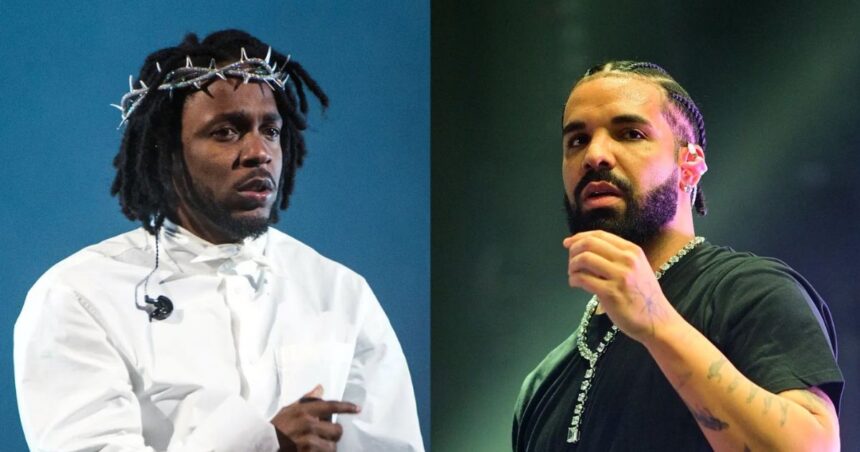
The legal dispute is just one chapter in the ongoing rivalry between Drake and Kendrick Lamar, two of the most influential rappers of their generation. Both artists have a history of competitive tension, often expressed through their music and public statements.
Kendrick Lamar’s “Not Like Us” is a diss track that gained significant attention for its bold and confrontational lyrics aimed at Drake. The song’s success on music charts further amplified the controversy, making the legal battle inevitable.
Despite the rivalry, both Drake and Lamar are signed to Universal Music Group, which adds complexity to the situation. UMG’s role as the parent company for both artists means it must navigate supporting its talents while managing conflicts that arise between them.
Conclusion
Drake’s major defeat in the lawsuit over Kendrick Lamar’s diss track “Not Like Us” serves as a landmark case in the intersection of defamation law and artistic freedom. The court’s dismissal reinforces the protection of creative expression in music, even when it involves provocative and controversial content. As the music industry continues to evolve, this ruling will likely influence how artists and record labels approach disputes involving lyrical content.
If you’re interested in staying updated on the latest developments in music industry legal battles and artist news, be sure to follow our blog for in-depth analysis and expert insights.