Ex-C.E.O. Says Epstein ‘Conned’ Him, but Democrats Are Skeptical
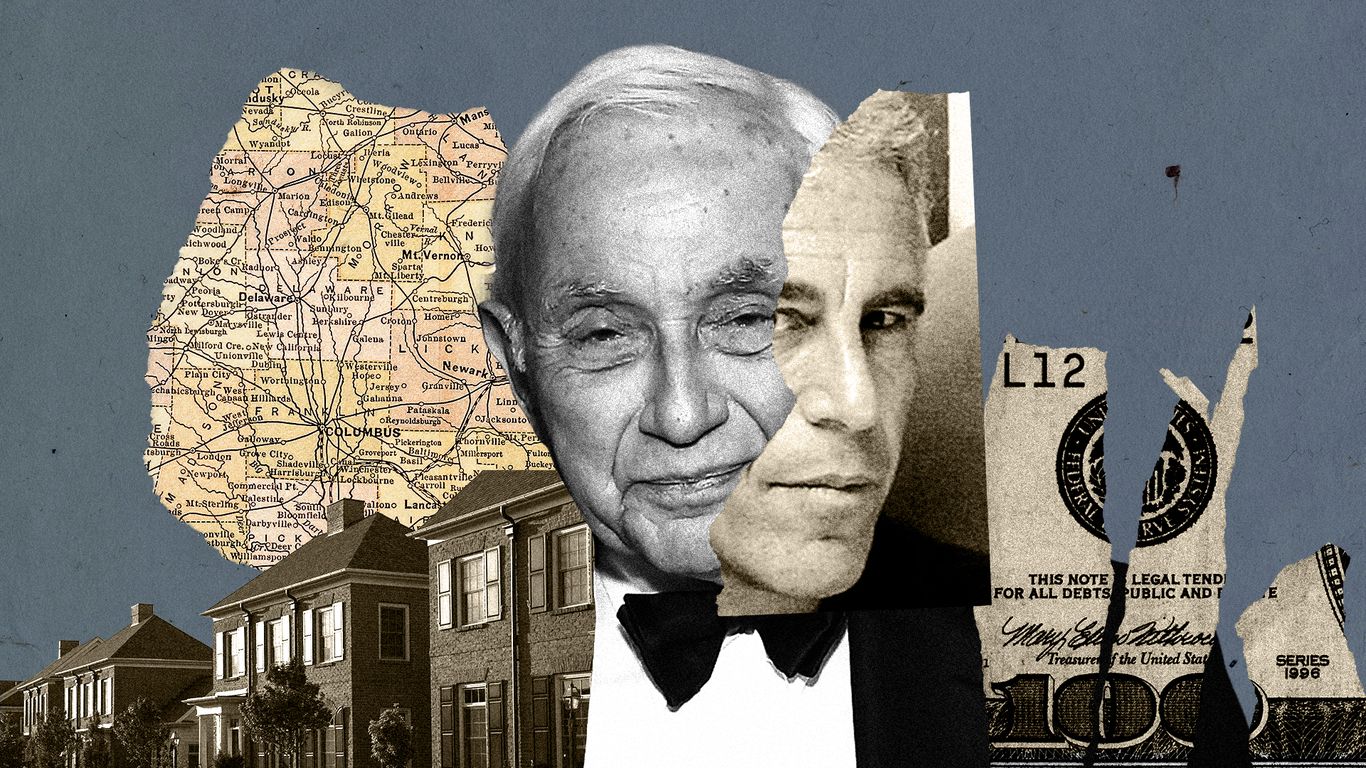
In recent developments surrounding the controversial figure Jeffrey Epstein, a former CEO has come forward claiming that Epstein ‘conned’ him. This revelation adds another layer to the complex narrative of Epstein’s manipulative tactics and the extensive network he allegedly operated. However, despite these assertions, many Democrats remain skeptical, questioning the motives and the veracity of these claims. This article delves into the details of the former CEO’s statement, the political reactions it has sparked, and the broader implications for ongoing investigations.
Former CEO’s Account: How Epstein ‘Conned’ Him
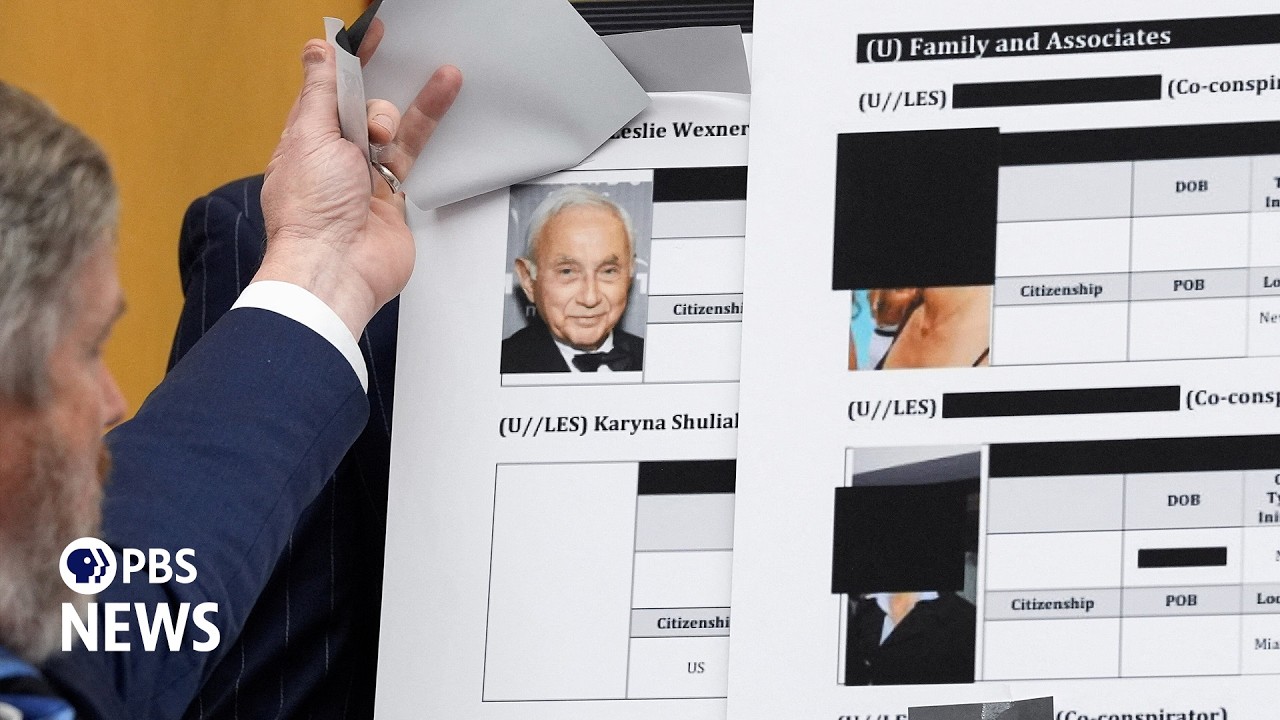
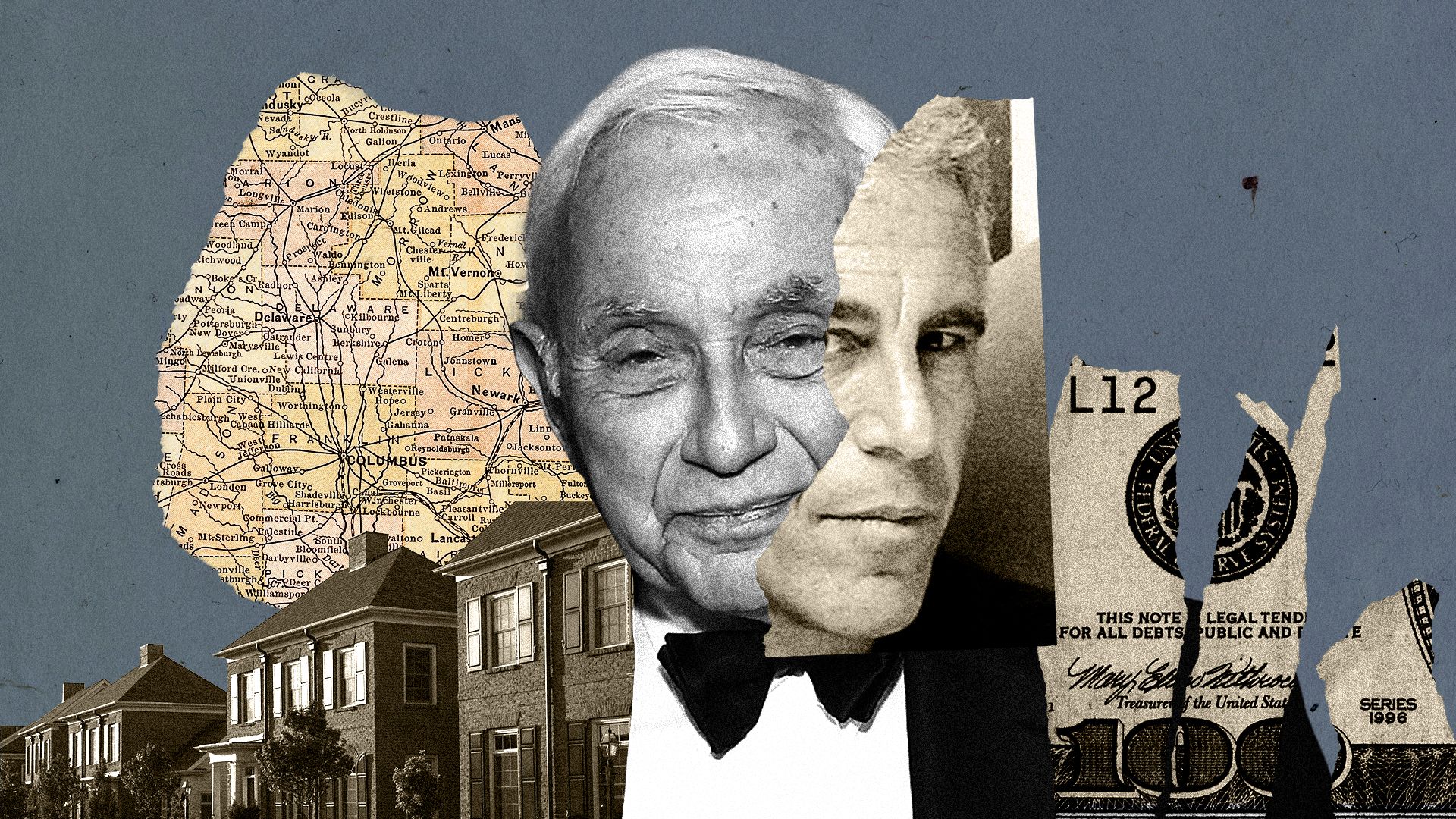
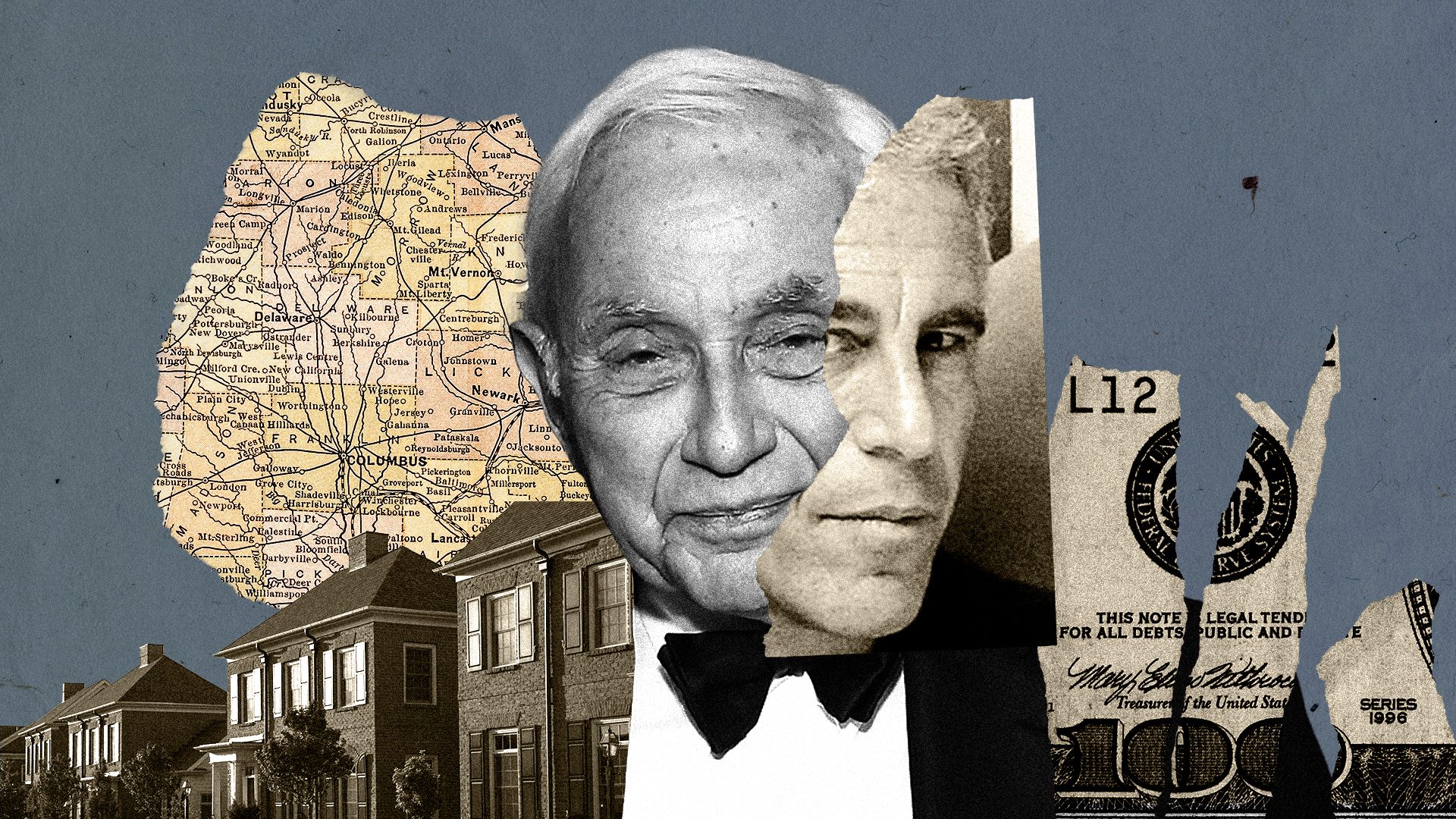
The ex-CEO, whose identity has been kept confidential for privacy reasons, recently disclosed that Jeffrey Epstein managed to deceive him through a series of calculated moves. According to the CEO, Epstein presented himself as a trustworthy financier and philanthropist, which led to a business relationship based on false pretenses. Epstein’s ability to manipulate even seasoned professionals highlights the sophistication of his schemes.
The CEO described how Epstein’s charm and apparent generosity masked his true intentions. He recounted instances where Epstein promised lucrative investments and exclusive opportunities, only to exploit these promises for personal gain. This experience left the CEO feeling betrayed and wary of the broader network Epstein cultivated.
This testimony is significant because it provides insight into how Epstein was able to infiltrate high-level circles and maintain his influence despite mounting allegations against him. It also underscores the challenges faced by those who interacted with Epstein, as many were unaware of his illicit activities at the time.
Political Skepticism: Why Democrats Question the Claims
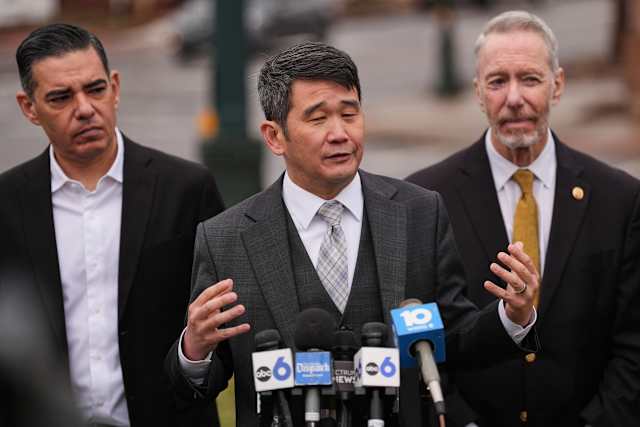
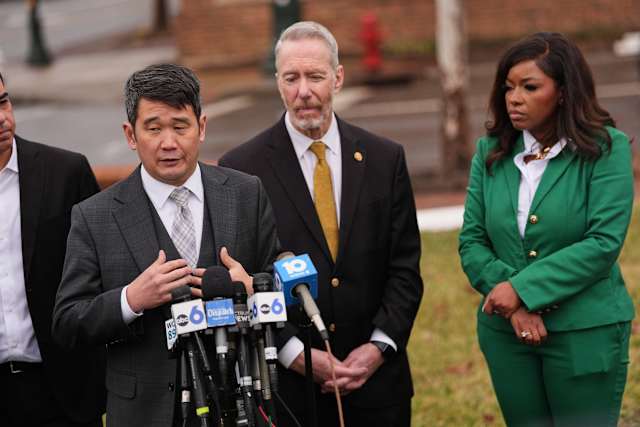
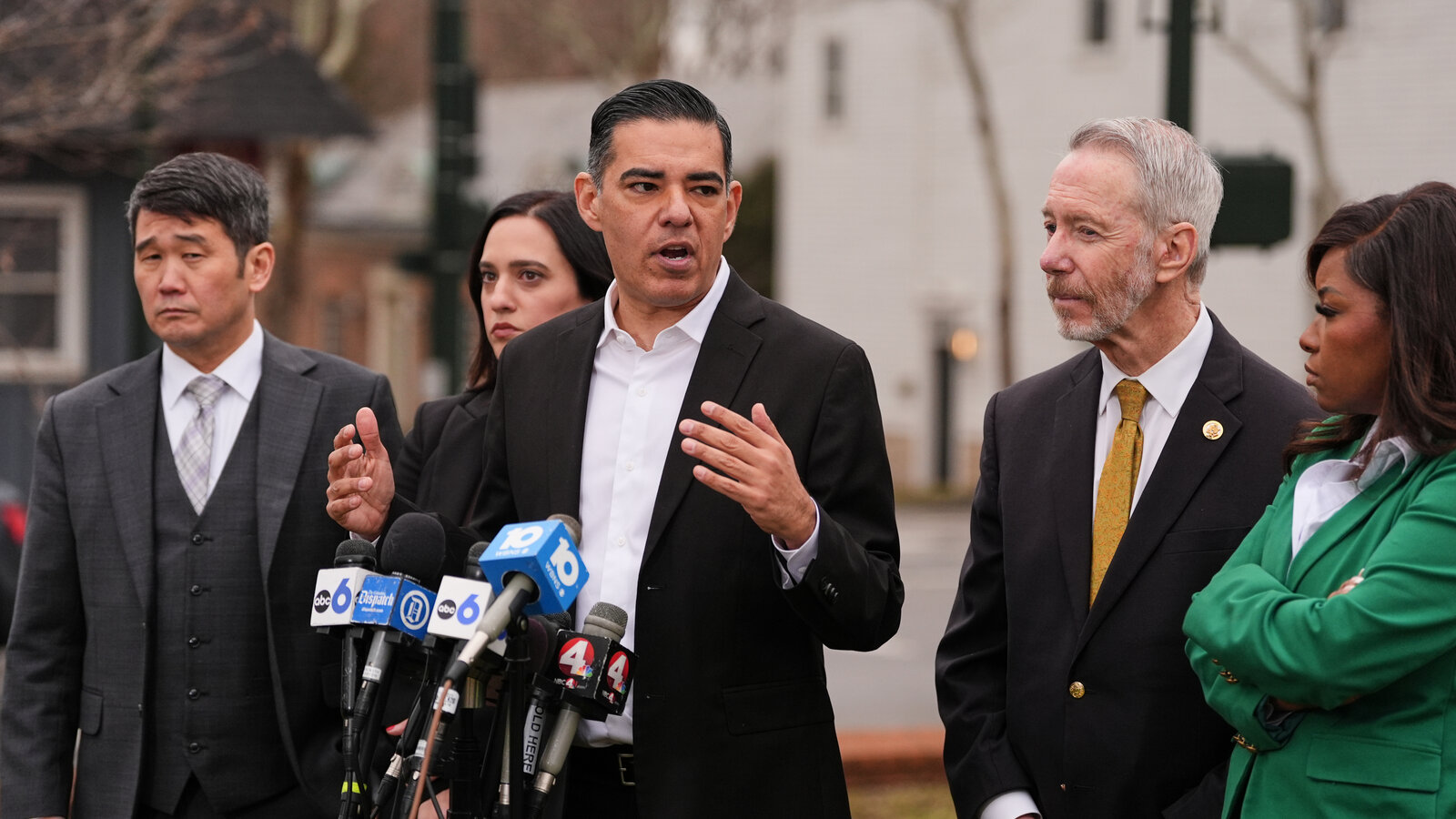
Despite the former CEO’s detailed account, many Democrats have expressed skepticism regarding these claims. Their doubts stem from concerns about the timing and potential political motivations behind the revelations. Given the sensitive nature of Epstein’s connections, some view the CEO’s statements as an attempt to deflect blame or influence public opinion.
Democrats argue that while Epstein’s manipulations are well-documented, it is crucial to scrutinize new claims carefully to avoid misinformation. They emphasize the importance of ongoing investigations and due process in uncovering the full extent of Epstein’s network.
Moreover, some Democrats worry that these claims could be used to undermine efforts to hold all responsible parties accountable. They advocate for transparency and caution against accepting any single narrative without corroborating evidence.
The Broader Implications for Epstein’s Network and Investigations

The former CEO’s admission that he was ‘conned’ by Epstein adds complexity to the ongoing investigations into Epstein’s activities and associates. It highlights how Epstein’s influence extended beyond his immediate circle, affecting individuals in various sectors, including business and politics.
This revelation may prompt investigators to re-examine connections that were previously overlooked or underestimated. It also raises questions about the mechanisms Epstein used to maintain his operations and evade scrutiny for so long.
Furthermore, the political skepticism surrounding the CEO’s claims reflects the broader challenge of disentangling fact from speculation in high-profile cases. As investigations continue, it is essential to balance openness to new information with rigorous verification.
Conclusion
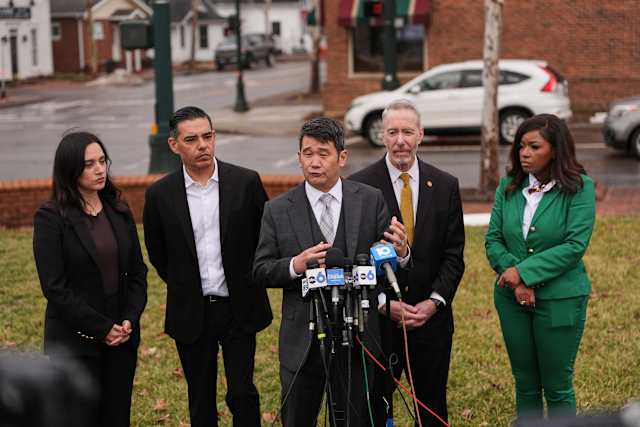
The former CEO’s statement that Jeffrey Epstein ‘conned’ him sheds new light on the intricate web of deception surrounding Epstein’s activities. While this revelation contributes valuable perspective, the skepticism from Democrats reminds us of the need for careful analysis and thorough investigation. As the story unfolds, staying informed and critically evaluating new developments is crucial. To keep up with the latest updates on this and related topics, subscribe to our newsletter and join the conversation today.