How Liam Payne’s Girlfriend Kate Cassidy Is Accused of Tormenting the Late Star’s Family
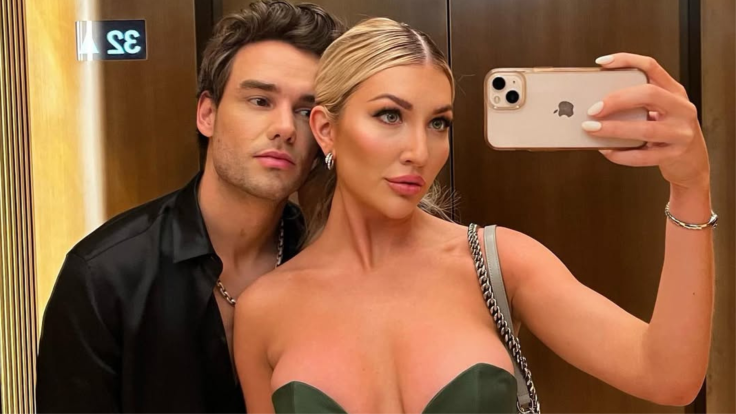
The tragic passing of Liam Payne, the beloved One Direction star, has left fans and family members grieving deeply. However, recent actions by his girlfriend, Kate Cassidy, have sparked controversy and accusations of tormenting Liam’s family. The American influencer and model shared AI-generated images of Liam, which many close to the late singer found upsetting and insensitive. This article delves into the details of the situation, the reactions from friends and relatives, and the broader implications of using AI in such a sensitive context.
Kate Cassidy’s Controversial Social Media Post Sparks Outrage

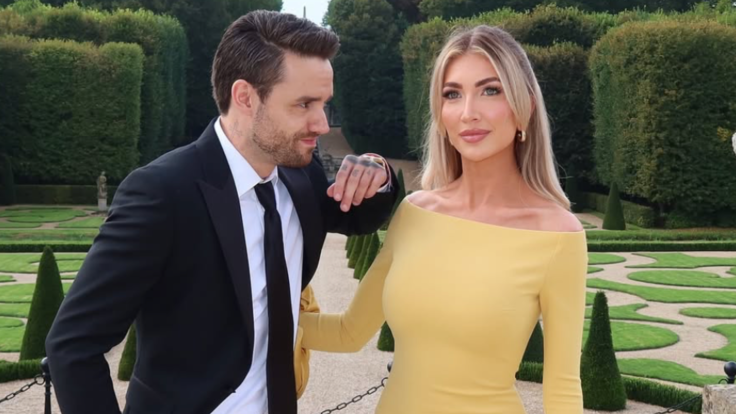
Kate Cassidy, who has been in a relationship with Liam Payne, recently posted a series of AI-generated images depicting the late star. These images were not real photographs but digitally created visuals that portrayed Liam in moments that never actually occurred. Cassidy shared these images on her Instagram stories, accompanied by a caption that read, “Thanks for making these. AI is such a blessing and a curse.”
While some fans of Liam found solace in seeing new images of the singer, the response from those who knew him personally was far from positive. Close friends and family members expressed their distress and anger, describing the posts as “upsetting” and “aghast.” The use of AI to recreate images of a deceased loved one has raised ethical questions and emotional concerns, especially when done publicly on social media platforms.
The backlash highlights the delicate balance between remembering a loved one and respecting the grieving process of those left behind. Many of Liam’s relatives felt that the posts were an intrusion into their mourning and a painful reminder of their loss.
Friends and Family Speak Out Against the Influencer’s Actions
Several of Liam Payne’s close friends have publicly criticized Kate Cassidy for her decision to share AI-generated images of the late singer. They argue that such actions can exacerbate the pain experienced by the family and friends who are still coming to terms with his sudden death.
One friend commented that the posts were “insensitive” and showed a lack of understanding of the emotional impact on Liam’s loved ones. The friend also revealed that the family was left “aghast” by the images, which they found to be a disturbing way to remember someone who passed away tragically.
The controversy has sparked a broader conversation about the responsibilities of influencers and public figures when dealing with sensitive subjects, especially involving deceased individuals. It also raises questions about the ethical use of AI technology in creating content that can affect real people’s emotions and memories.
The Impact of AI-Generated Content on Grieving Families

The use of artificial intelligence to generate images or videos of deceased individuals is a relatively new phenomenon, and it comes with complex emotional and ethical challenges. For grieving families, seeing AI recreations of their loved ones can be both comforting and distressing.
In the case of Kate Cassidy and Liam Payne, the AI-generated images were intended to celebrate Liam’s memory. However, the unintended consequence was the reopening of wounds for those closest to him. The images blurred the line between reality and digital fabrication, making it difficult for some family members to process their grief.
Experts in grief counseling emphasize the importance of respecting the mourning process and being sensitive to the feelings of those affected. They caution against using technology in ways that might exploit or sensationalize the memory of the deceased, especially on public platforms like social media.
Social Media’s Role in Mourning and Memory

Social media has transformed how people mourn and remember loved ones. Platforms like Instagram and Facebook allow for public tributes, memorial pages, and shared memories. However, the case of Kate Cassidy illustrates the potential pitfalls of this digital age of mourning.
While sharing memories can foster community support and healing, it can also lead to conflicts when the content is perceived as inappropriate or hurtful. Influencers with large followings have a heightened responsibility to consider the impact of their posts on others, particularly when dealing with sensitive topics.
The controversy surrounding Cassidy’s AI-generated images serves as a cautionary tale about the power and risks of social media in shaping narratives around loss and remembrance.
Conclusion
Kate Cassidy’s decision to share AI-generated images of the late Liam Payne has ignited a complex debate about grief, respect, and the ethical use of technology. While her intentions may have been to honor Liam’s memory, the reaction from his family and friends underscores the need for sensitivity and empathy in such situations. As AI continues to evolve, it is crucial for influencers and the public alike to consider the emotional impact of digitally recreating those who have passed away. If you found this article insightful, please share it to raise awareness about the challenges of mourning in the digital era.