Lindsey Halligan Departs Justice Department Hours After Trump-Appointed Federal Judge Calls Her Leadership a ‘Charade’
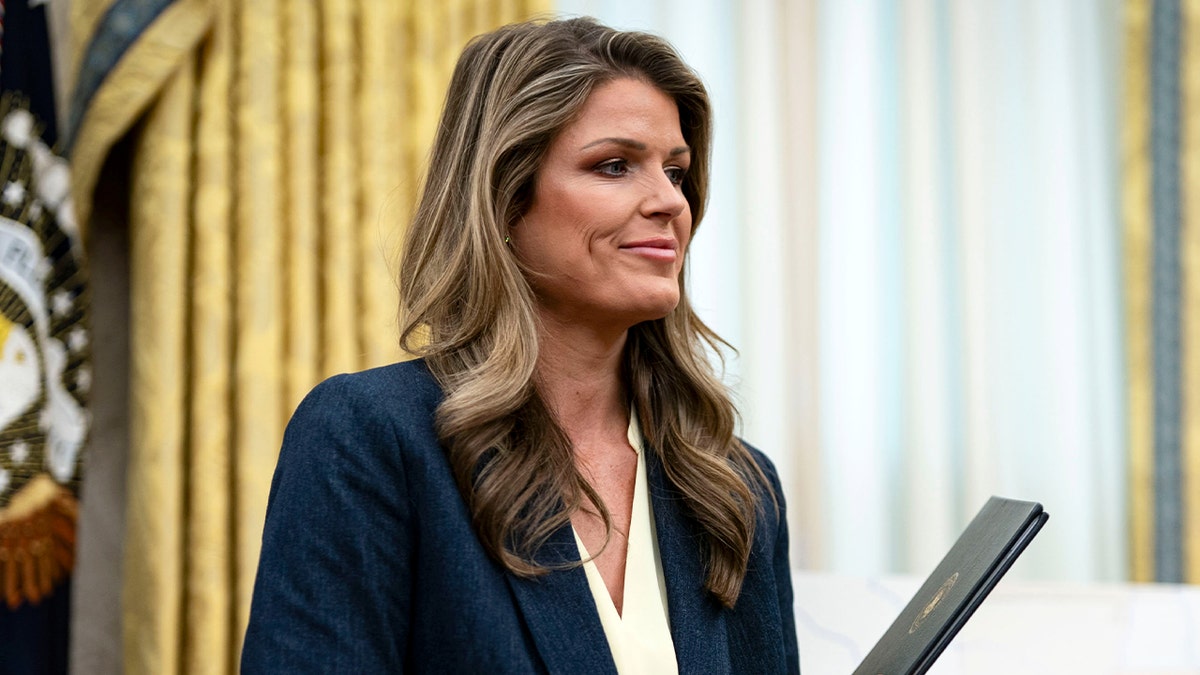
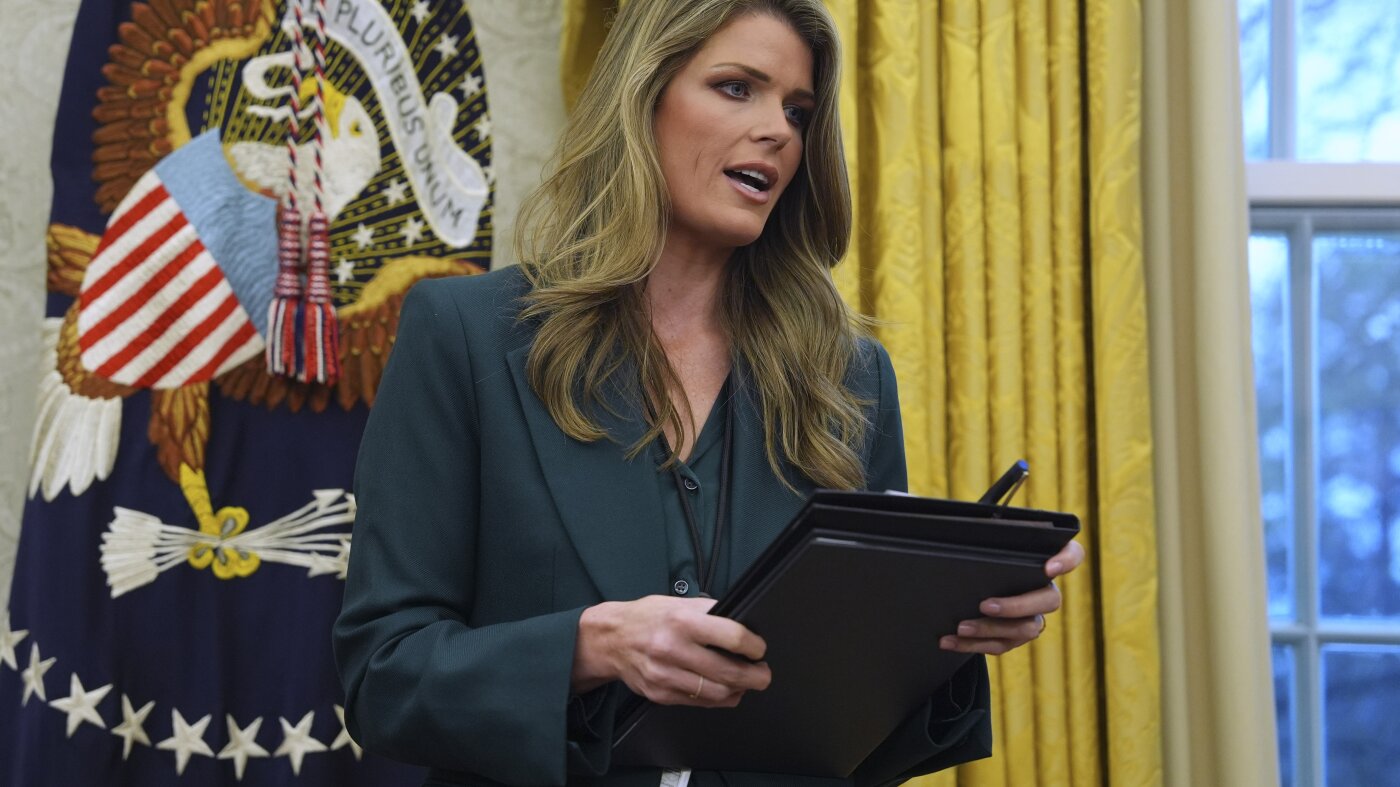
Lindsey Halligan, a prominent figure within the Justice Department, has recently resigned following a scathing critique from a federal judge appointed during the Trump administration. The judge labeled Halligan’s leadership as a “charade,” a statement that has sparked widespread discussion about the internal dynamics of the Justice Department and the potential impact on its operations. This article delves into the details of Halligan’s departure, the context of the judge’s remarks, and the broader implications for the Justice Department moving forward.
Understanding Lindsey Halligan’s Role and the Judge’s Criticism

Lindsey Halligan held a significant leadership position within the Justice Department, where she was responsible for overseeing critical legal and administrative functions. Her tenure was marked by both accomplishments and controversies, culminating in the recent public rebuke by a federal judge. The judge’s characterization of her leadership as a “charade” suggests a perception of ineffective or insincere management, raising questions about the department’s internal governance.
The judge’s comments came during a high-profile case that attracted national attention. While the specifics of the case remain confidential, the critique highlighted concerns about transparency, accountability, and the overall direction of the department under Halligan’s supervision. This public denouncement by a sitting federal judge is unusual and underscores the gravity of the situation.
The Immediate Aftermath: Halligan’s Resignation and Its Impact
Following the judge’s remarks, Lindsey Halligan announced her resignation from the Justice Department within hours. This swift departure indicates the significant pressure and scrutiny she faced in the wake of the criticism. Halligan’s resignation has left a leadership void that the department must address promptly to maintain stability and public confidence.
The Justice Department has yet to release an official statement regarding Halligan’s resignation or the judge’s comments. However, insiders suggest that the department is actively working to reorganize its leadership structure and reinforce its commitment to ethical and effective governance. The situation has also prompted discussions about the need for reforms to prevent similar issues from arising in the future.
Broader Implications for the Justice Department and Legal Community

Lindsey Halligan’s departure and the associated criticism from a Trump-appointed federal judge highlight broader challenges within the Justice Department. Leadership disputes and public criticisms can undermine the department’s credibility and hinder its ability to carry out its mission effectively. This incident serves as a reminder of the importance of strong, transparent leadership in maintaining the rule of law.
Moreover, the episode may influence ongoing and future legal proceedings, especially those involving high-profile cases. Stakeholders within the legal community are closely monitoring the situation to assess how these developments might affect case outcomes and departmental policies. The Justice Department’s response in the coming weeks will be crucial in shaping its reputation and operational effectiveness.
What’s Next for the Justice Department After Halligan’s Exit?
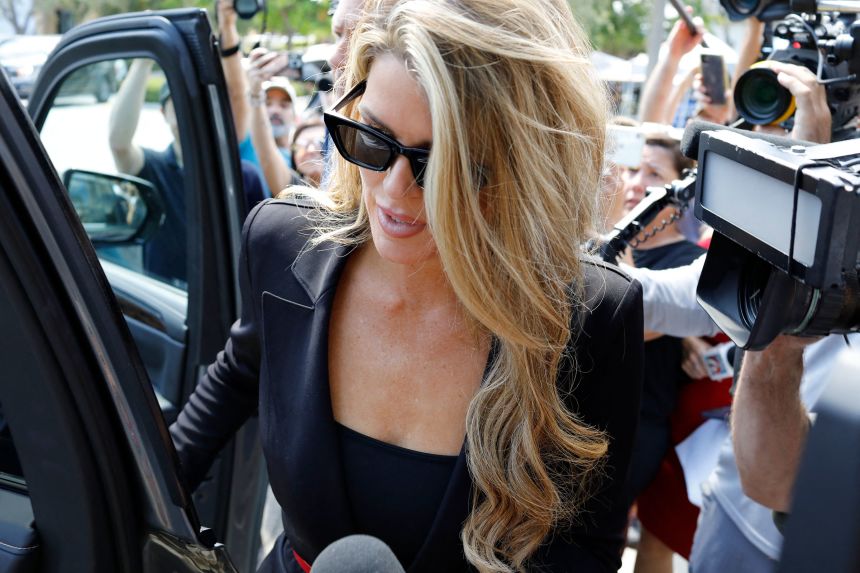
In the wake of Lindsey Halligan’s resignation, the Justice Department faces the challenge of restoring confidence among its staff, legal partners, and the public. The appointment of a new leader will be a critical step in this process. It is expected that the department will seek an individual with a strong track record of integrity, leadership, and legal expertise to fill the vacancy.
Additionally, there may be increased calls for internal reviews and reforms aimed at improving leadership accountability and transparency. These measures could help prevent similar controversies in the future and strengthen the department’s overall governance framework.
The Justice Department’s ability to navigate this transition smoothly will be essential in maintaining its role as a cornerstone of the American legal system. Observers and stakeholders alike will be watching closely to see how the department addresses these challenges and moves forward.
Conclusion
Lindsey Halligan’s resignation from the Justice Department, following a harsh critique from a Trump-appointed federal judge labeling her leadership a “charade,” marks a significant moment for the department. This event underscores the critical need for effective and transparent leadership within the Justice Department to uphold justice and public trust. As the department works to fill the leadership gap and implement necessary reforms, it remains vital for all stakeholders to stay informed and engaged. Stay updated on this developing story and other key legal news by subscribing to our newsletter today!