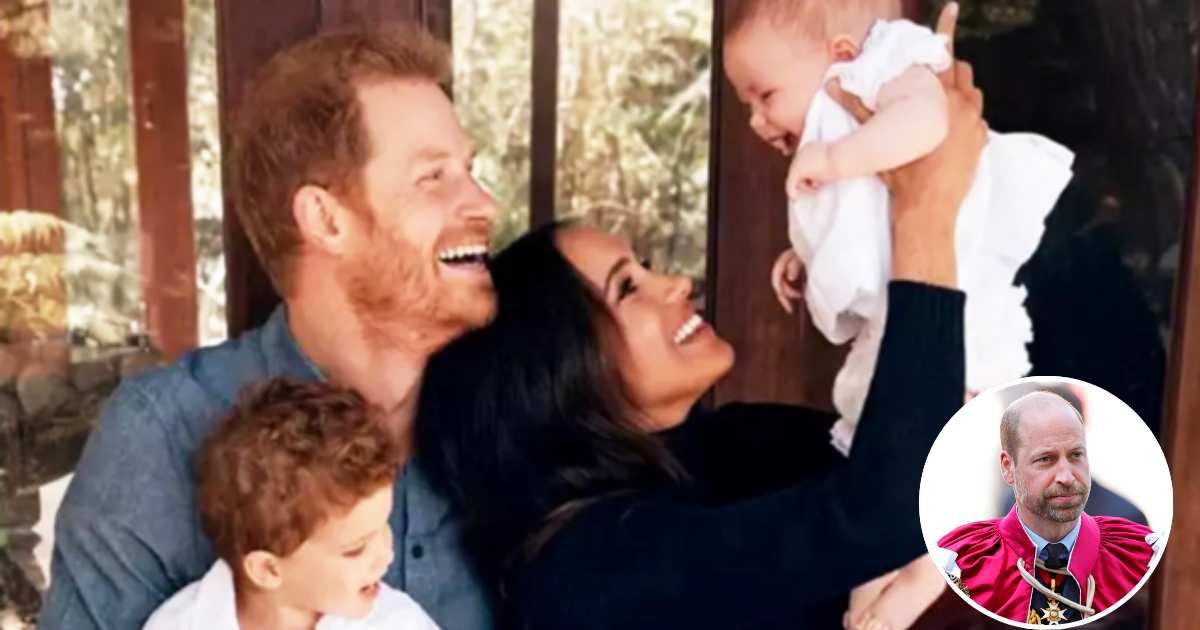
Prince William Planning ‘Sweeping Reforms’ to the Royal Family When He Takes Throne — Including Stripping Titles
Prince William’s Vision for a Modernized Monarchy
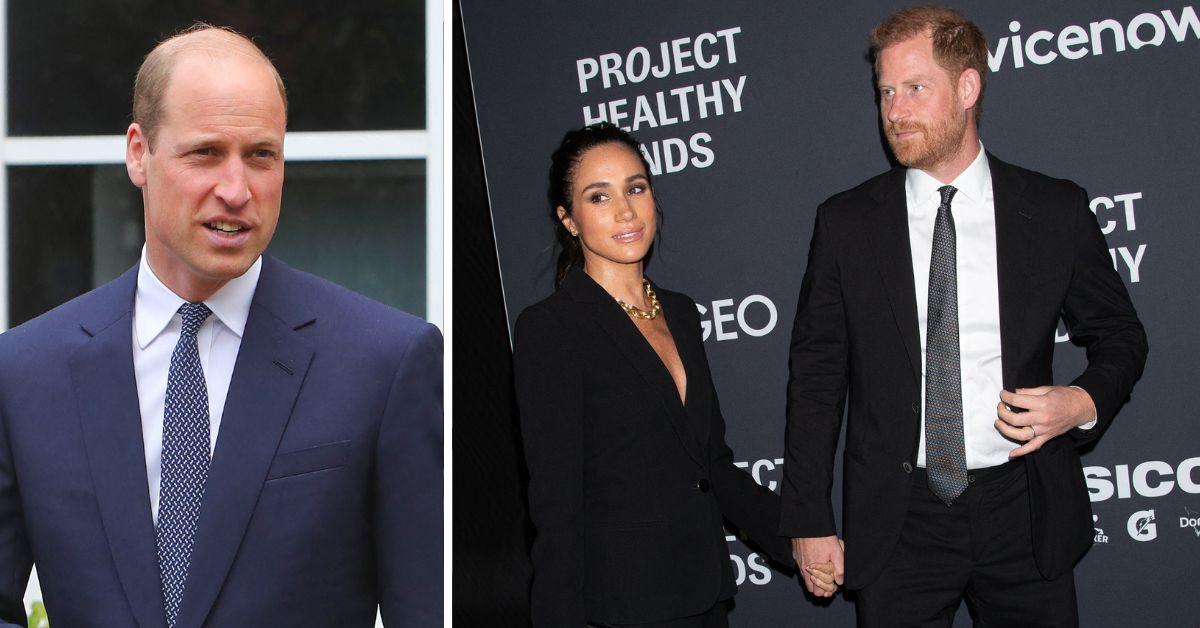
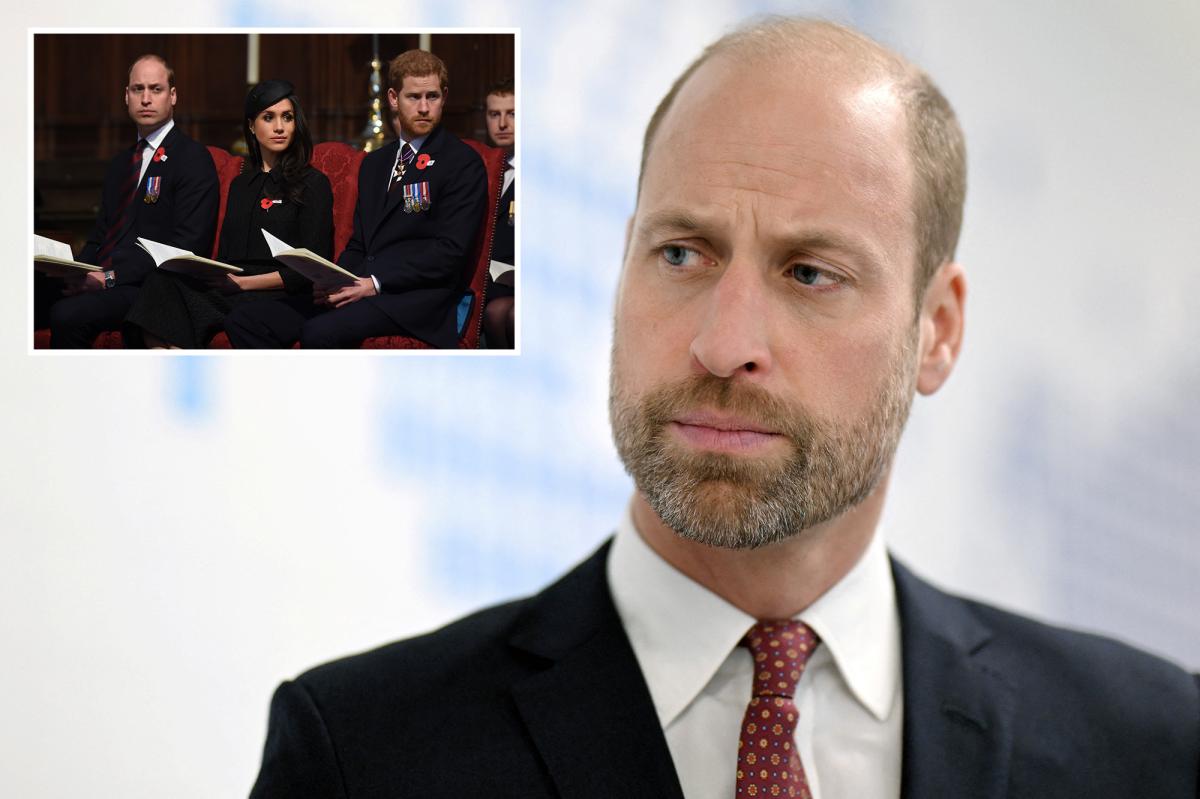
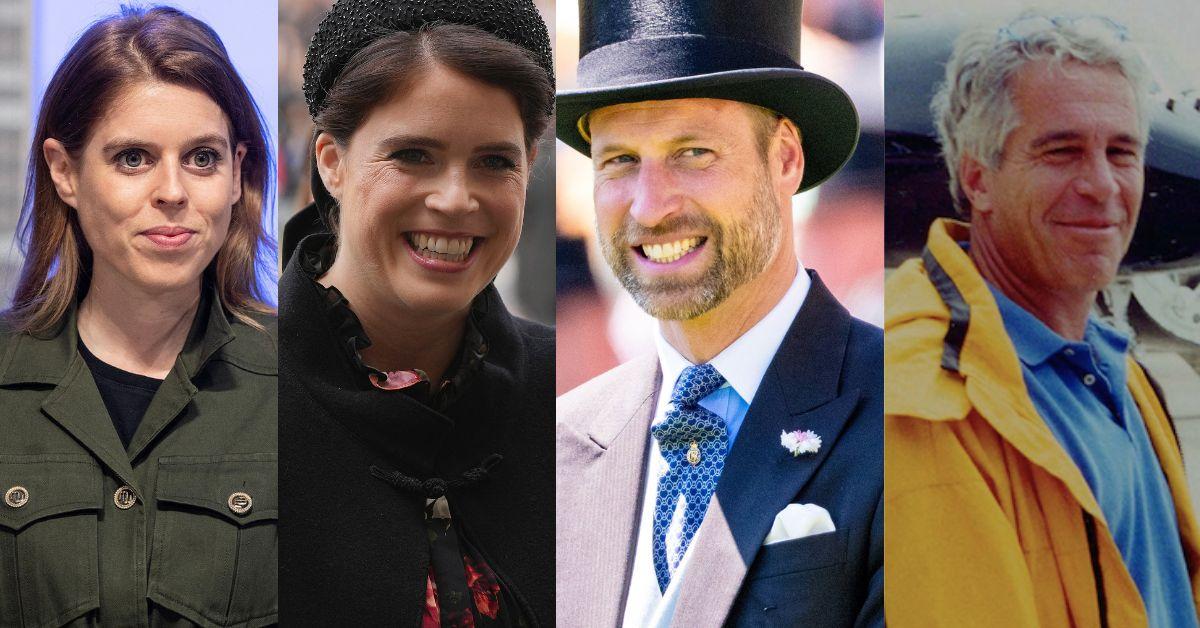
As the British royal family stands on the cusp of a new era, Prince William is said to be preparing for significant reforms once he becomes king. These “sweeping reforms” aim to streamline the monarchy, making it more efficient and relevant to today’s society. Central to his plans is the controversial move to strip royal titles from members of the family who do not carry out official duties. This could affect prominent figures such as Prince Harry and Meghan Markle, as well as Princess Beatrice and Princess Eugenie, who may lose their princely titles and the privileges that come with them.
Reports suggest that Prince William’s approach to the monarchy will be markedly different from that of his father, King Charles III. While Charles has maintained a traditional style, emphasizing duty and ceremonial roles, William appears focused on creating a leaner institution that prioritizes impactful work over pomp and circumstance. This shift reflects a broader desire to modernize the monarchy and align it with contemporary values.
Stripping Titles and Redefining Royal Roles
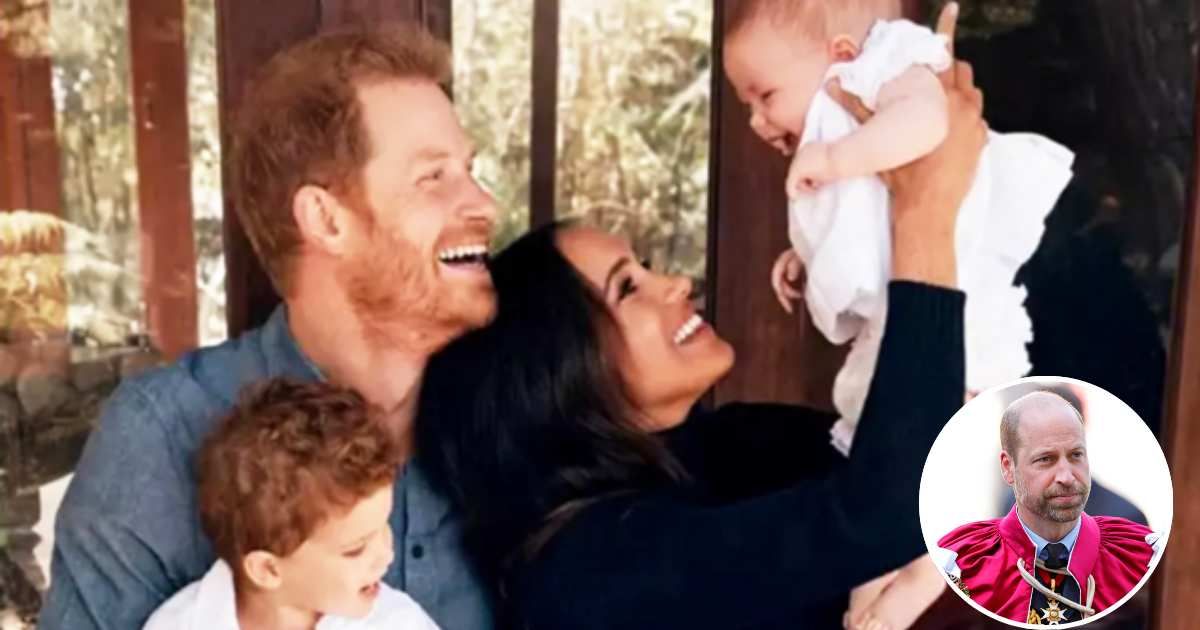
One of the most dramatic aspects of Prince William’s reform agenda involves the removal of HRH (His/Her Royal Highness) titles from non-working members of the royal family. This move is intended to clarify who actively represents the Crown and who does not, thereby reducing public confusion and the financial burden on taxpayers. The Sussexes, Harry and Meghan, are reportedly among those who would lose their dukedom and royal titles, signaling a historic shift in how the monarchy manages its extended family.
In addition to title removals, William is said to be considering “parking” the titles of his own children—Prince George, Princess Charlotte, and Prince Louis—until they reach adulthood. This would allow them to decide whether to take on full-time royal duties or lead more private lives. Such a policy would mark a significant departure from tradition, emphasizing personal choice over automatic entitlement.
Reducing Staff and Repurposing Royal Residences
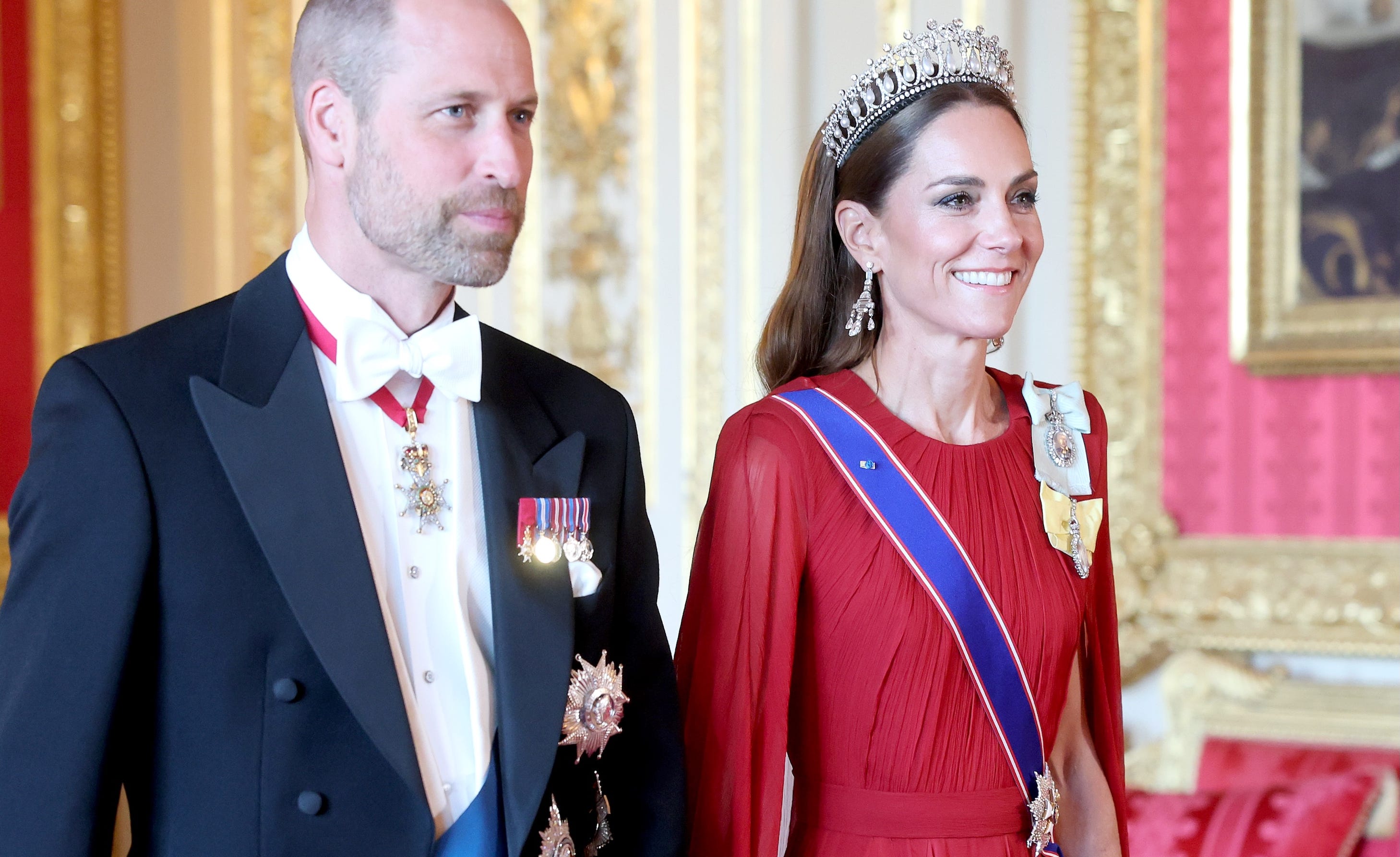
Beyond titles, Prince William plans to overhaul the royal household’s structure by cutting the number of staff by half. This reduction aims to create a more efficient operation that focuses on meaningful work, such as addressing climate change and mental health issues, rather than ceremonial appearances and numerous public engagements.
Buckingham Palace itself is expected to undergo a transformation under William’s reign. Instead of serving as a primary residence, the palace may become a grand headquarters for the monarchy, functioning primarily as an event space and administrative center. The Prince and Princess of Wales have already moved into Forest Lodge, a historic eight-bedroom home, signaling their preference for a more private family life away from the constant public gaze.
Balancing Tradition and Modernity
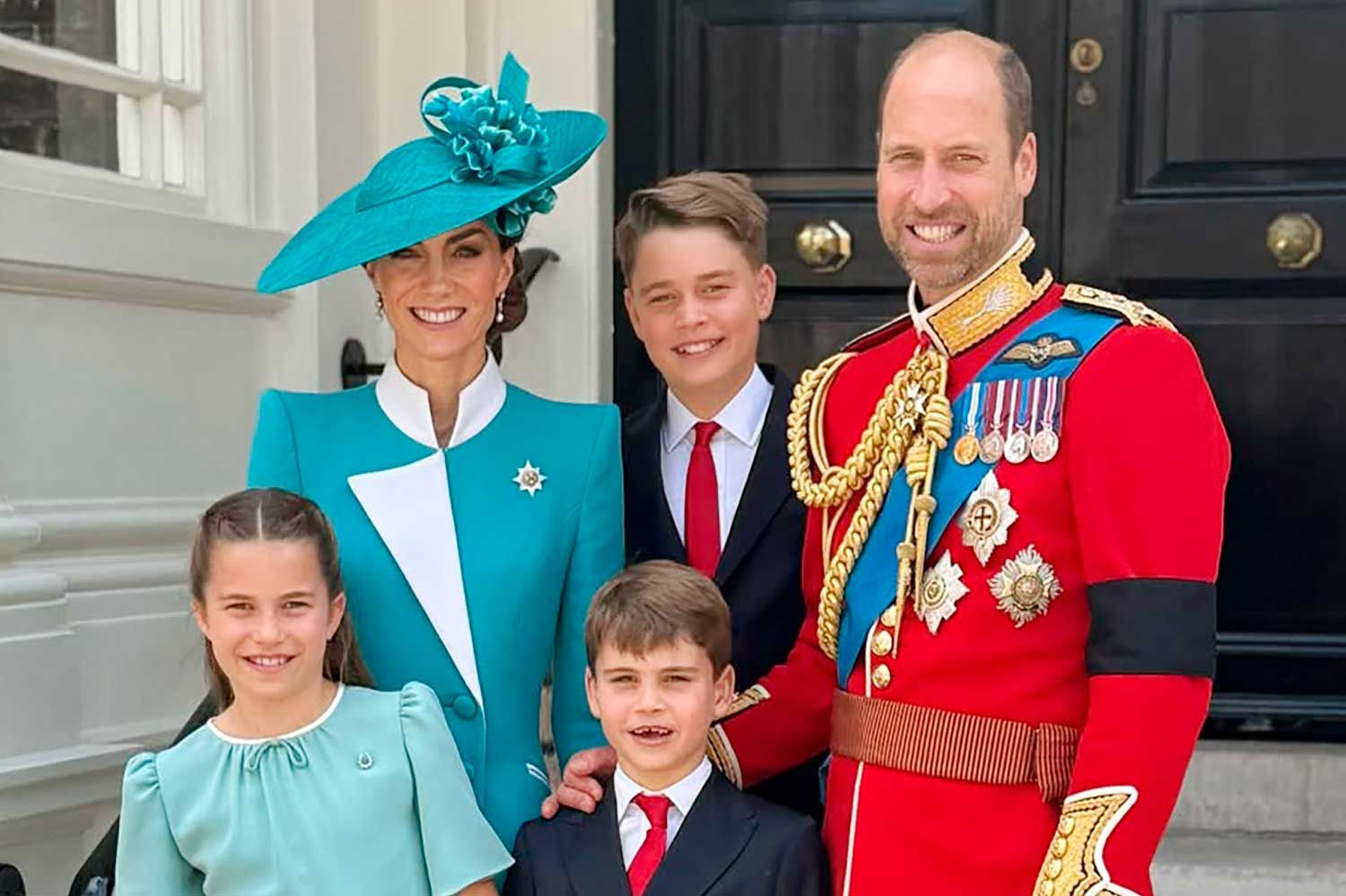
Prince William’s reforms reflect a balancing act between preserving the monarchy’s heritage and adapting to the expectations of the 21st century. While some royal family members and traditionalists may resist these changes, the prince’s vision emphasizes relevance, sustainability, and public service. His commitment to tackling global issues and reducing the monarchy’s ceremonial excesses suggests a new chapter for the British Crown.
However, this approach has sparked debate within royal circles. King Charles III reportedly favors maintaining traditional duties and appearances, valuing the symbolism and continuity they provide. In contrast, William’s more casual and pragmatic style aims to make the monarchy more accessible and focused on contemporary challenges.
Conclusion
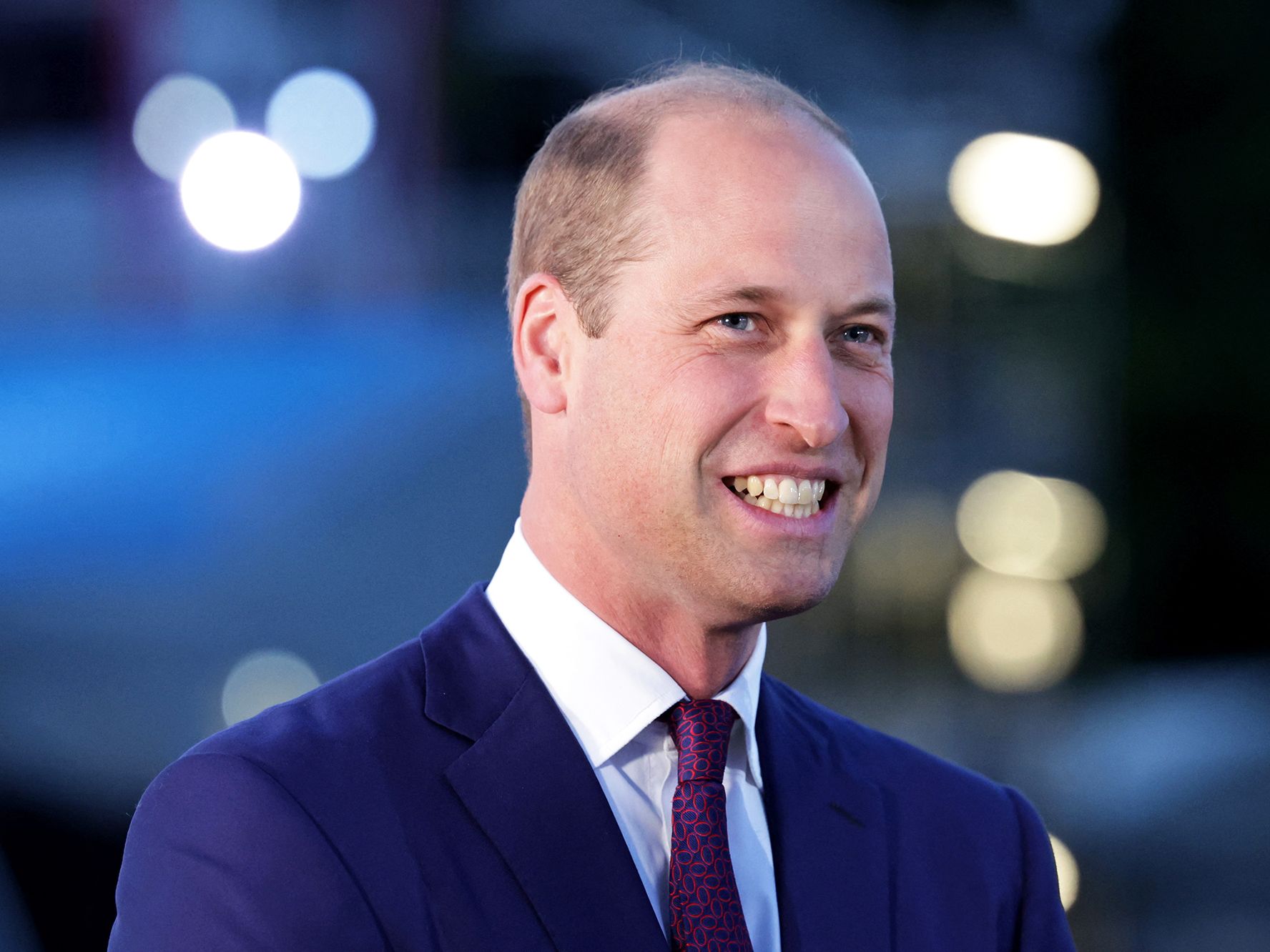
Prince William’s plans for sweeping reforms to the royal family signal a bold new direction for the British monarchy. By stripping titles from non-working royals, reducing staff, and repurposing iconic royal residences, he aims to create a leaner, more modern institution that resonates with today’s society. These changes could redefine the role of the monarchy for generations to come.
If you want to stay updated on the latest developments in the royal family and how these reforms unfold, be sure to follow our news coverage and expert analysis. The future of the British monarchy is evolving — don’t miss a moment of this historic transformation!