

Foods That Should Never Touch Your Fridge (And Why)
Refrigerators are indispensable in modern kitchens, keeping perishables fresh and reducing food waste. However, not all foods benefit from cold storage. In fact, placing certain items in the fridge can negatively affect their flavor, texture, and even safety. Understanding which foods should never touch your fridge is essential for preserving their quality and ensuring your meals taste their best. This article explores common foods that don’t belong in the refrigerator and explains why storing them at room temperature or in other conditions is a smarter choice.
Why Some Foods Should Avoid Refrigeration
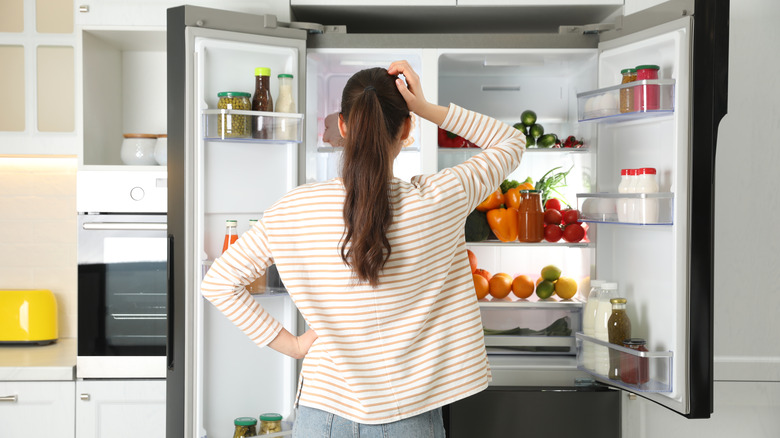
The primary purpose of refrigeration is to slow down bacterial growth and enzymatic activity, which helps prolong the shelf life of many perishable foods. However, some foods are sensitive to cold temperatures and can undergo undesirable changes when chilled. For example, refrigeration can cause starches to convert into sugars, leading to altered texture and taste. In other cases, cold temperatures can cause moisture loss or promote spoilage through chilling injury. Additionally, certain fruits and vegetables continue to ripen after harvest and require room temperature to develop their full flavor profile.
By knowing which foods should never touch your fridge, you can avoid wasting money on spoiled groceries and enjoy fresher, tastier meals. Let’s explore some of the most common offenders.
1. Tomatoes

Tomatoes are notorious for losing their flavor and becoming mealy when stored in the refrigerator. The cold temperature interferes with the ripening process and breaks down the membranes inside the fruit, resulting in a dull texture and muted taste. Instead, tomatoes should be kept at room temperature, away from direct sunlight, to allow them to ripen naturally. If you have ripe tomatoes you want to keep longer, it’s better to use them quickly or preserve them by cooking or canning rather than refrigerating.
2. Potatoes
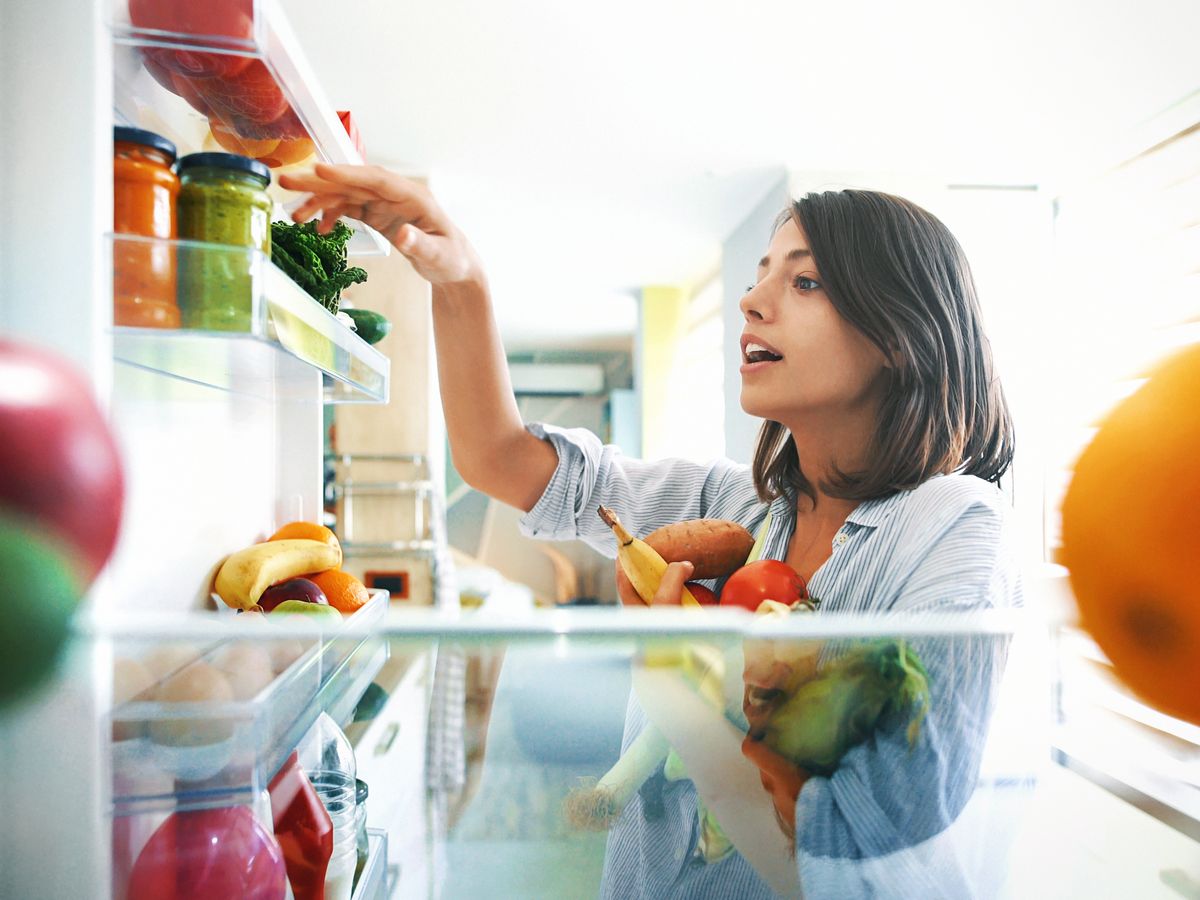
Potatoes stored in the fridge undergo a chemical transformation where their starch converts into sugar, which can alter their flavor and cause them to brown excessively when cooked. Refrigeration also affects their texture, making them gritty or hard. The ideal storage for potatoes is a cool, dark, and well-ventilated place such as a pantry or cellar. Avoid placing them near onions, as the gases they emit can cause each other to spoil faster.
3. Onions

Onions prefer a dry, cool environment with good air circulation. When refrigerated, the moisture can cause them to become soft, moldy, or sprout prematurely. Additionally, storing onions in plastic bags traps moisture, accelerating spoilage. Instead, keep onions in a mesh bag or basket in a pantry or cupboard. However, once an onion is cut, it should be wrapped tightly and refrigerated to prevent contamination.
4. Bread

While it might seem logical to refrigerate bread to keep it fresh, the cold environment actually speeds up the staling process. Bread stored in the fridge dries out quickly and becomes tough and crumbly. For short-term storage, keep bread in a breadbox or a sealed container at room temperature. If you need to store bread for longer periods, freezing is a better option, as it preserves freshness without affecting texture.
5. Bananas
Bananas are tropical fruits that do not respond well to cold temperatures. Refrigeration slows down their ripening process and causes the peel to turn black prematurely, although the fruit inside remains edible. To enjoy bananas at their best, store them at room temperature away from direct sunlight. If you want to slow ripening, separate bananas from the bunch or place them in a cool spot, but avoid the fridge.
6. Coffee
Coffee beans and grounds are best kept in a cool, dark place but not in the refrigerator. The fridge’s moisture and fluctuating temperatures can cause coffee to absorb odors and lose its rich aroma. Instead, store coffee in an airtight container at room temperature, away from heat and light, to maintain freshness.
7. Honey
Honey is a natural preservative and does not require refrigeration. In fact, chilling honey causes it to crystallize and become grainy, making it harder to use. Keep honey in a tightly sealed jar at room temperature, and it will remain safe and delicious indefinitely.
8. Avocados
Unripe avocados should never be refrigerated because cold temperatures halt their ripening process. Keep them at room temperature until they soften. Once ripe, you can refrigerate avocados to extend their usability for a few days, but avoid storing unripe ones in the fridge.
9. Melons
Whole melons like watermelon, cantaloupe, and honeydew are best stored at room temperature before cutting. Refrigeration can diminish their flavor and texture. After cutting, melons should be wrapped tightly and refrigerated to prevent bacterial growth.
10. Olive Oil
Olive oil solidifies and becomes cloudy when refrigerated, which can affect its texture and flavor. Store olive oil in a cool, dark cabinet away from heat sources to maintain its quality.
Conclusion
Knowing which foods should never touch your fridge is a simple yet effective way to enhance your kitchen management and food enjoyment. From tomatoes and potatoes to bread and honey, proper storage can preserve flavor, texture, and safety. Avoiding refrigeration for these items not only saves money but also ensures your meals taste their best. Start applying these storage tips today and notice the difference in your groceries’ freshness and longevity!
Ready to optimize your kitchen storage? Share this guide with friends and family to help everyone keep their food fresher, longer!