The Hidden Darkness Within the Man Who Created Winnie-the-Pooh
The Hidden Darkness Within the Man Who Created Winnie-the-Pooh
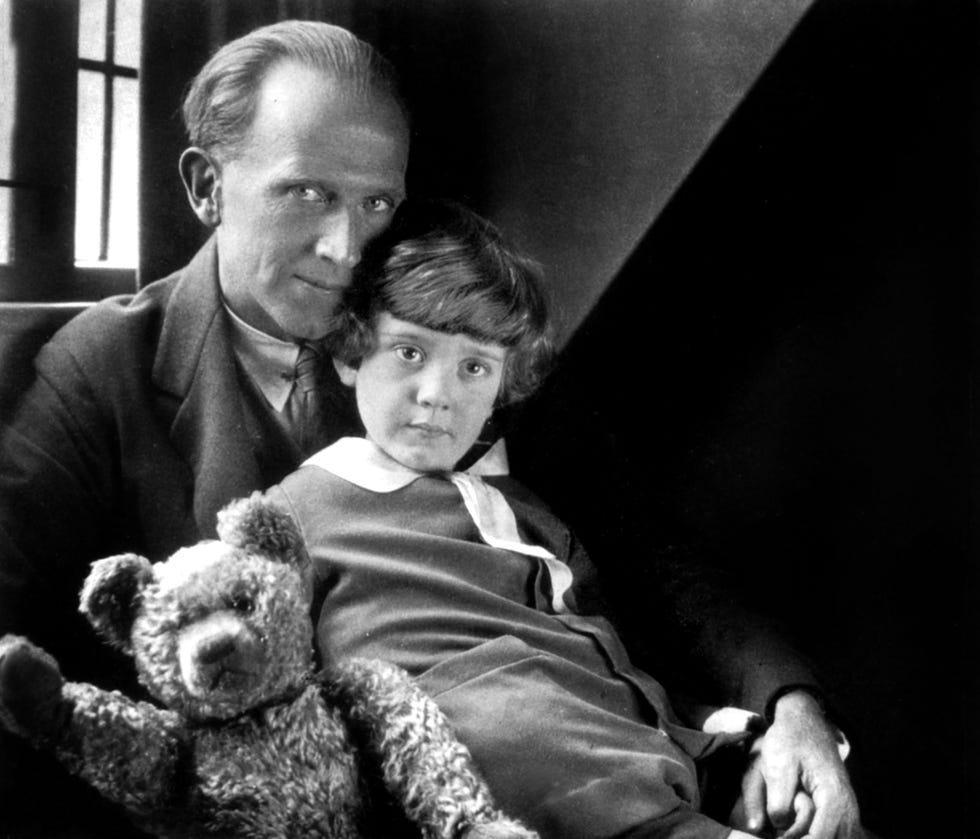
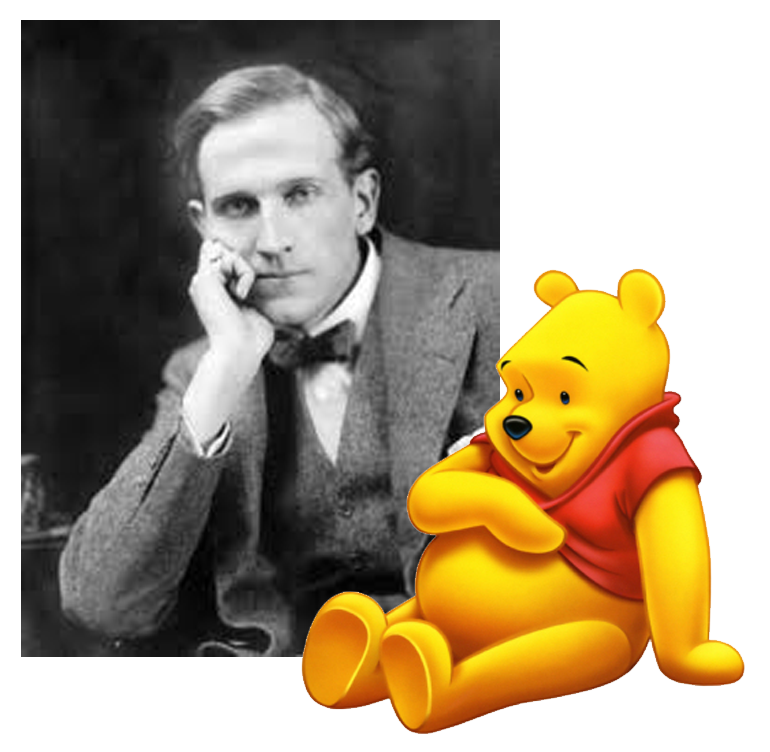
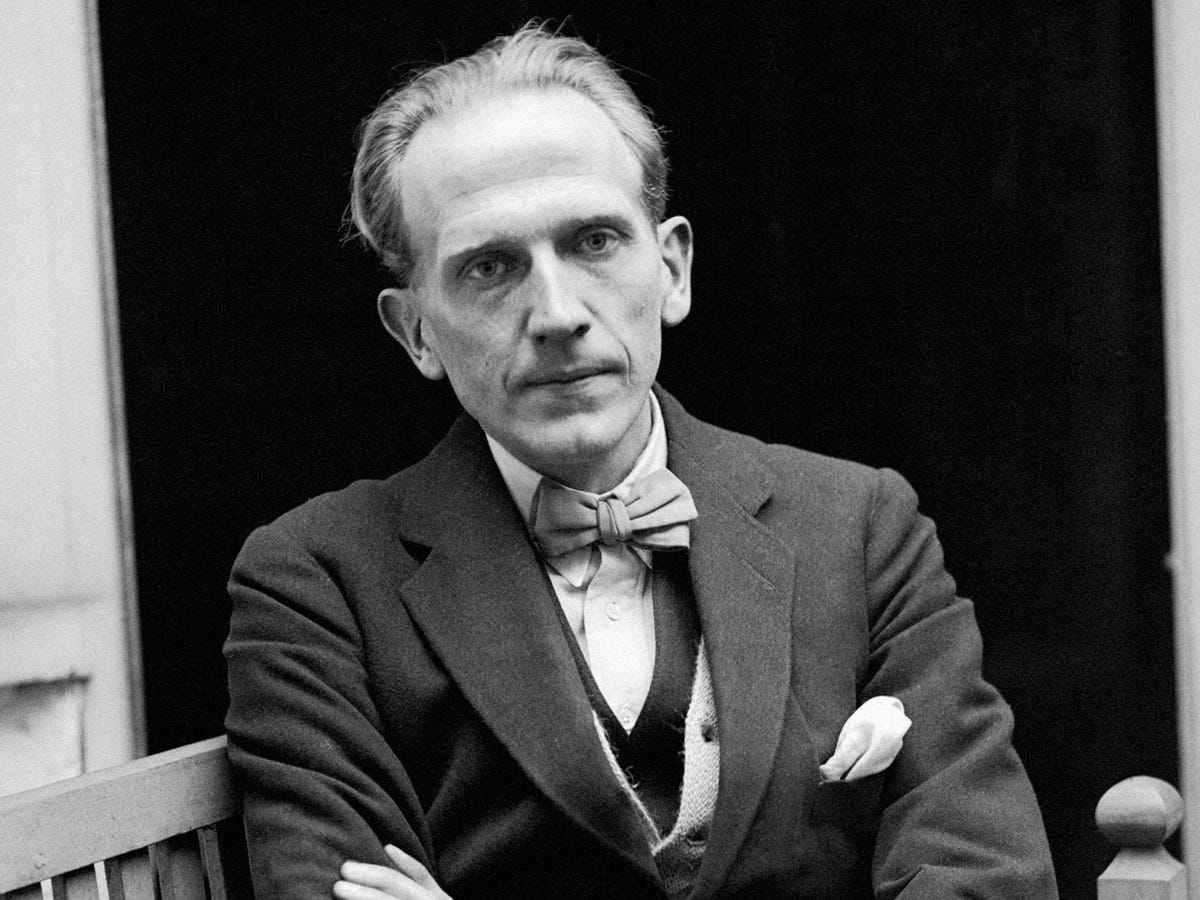
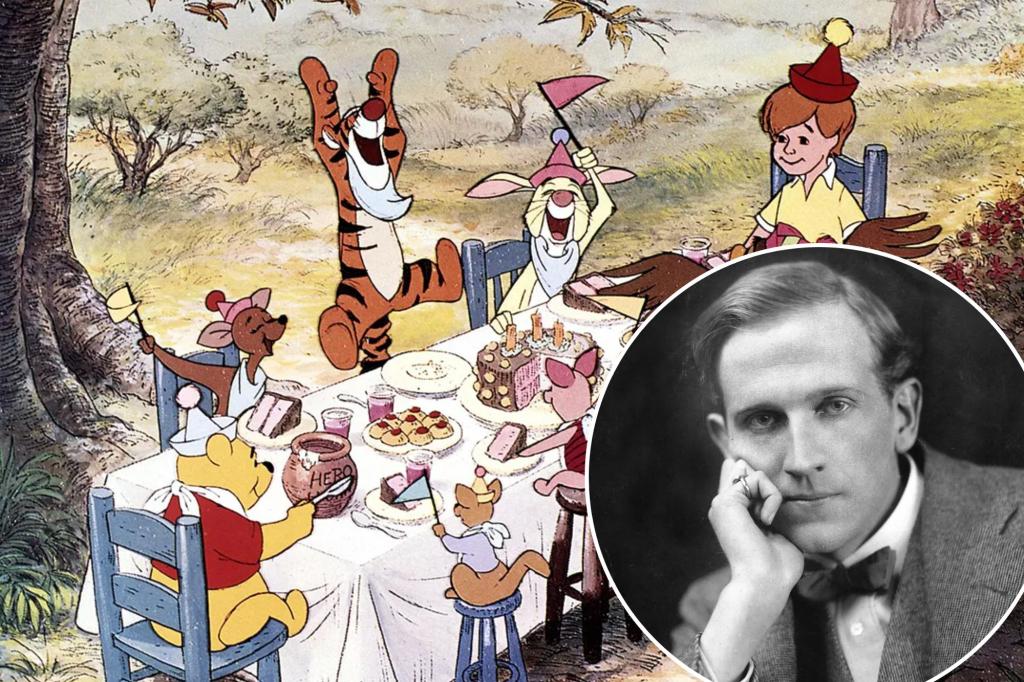
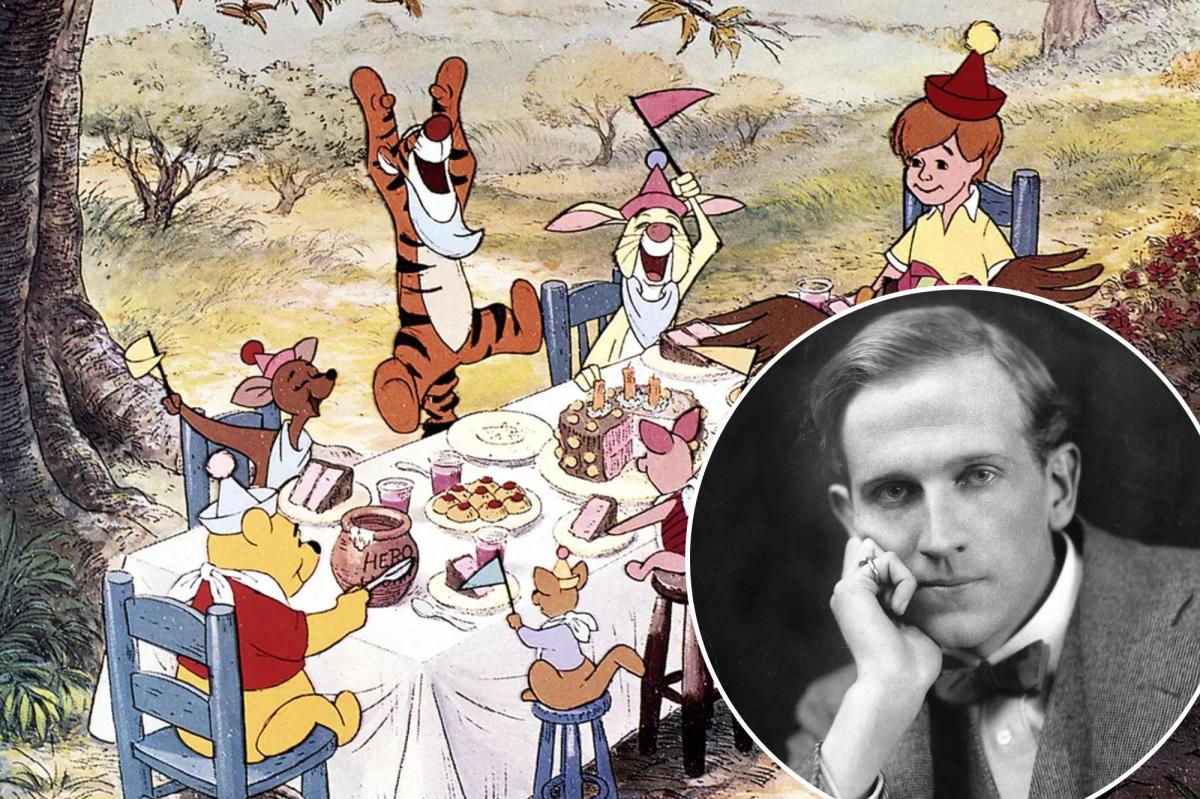
Since its first publication in 1926, the enchanting world of Winnie-the-Pooh has captivated millions of readers worldwide. The honey-loving bear and his friends in the Hundred Acre Wood have become timeless symbols of childhood innocence and imagination. However, behind these beloved tales lies a far more complicated and somber reality — the hidden darkness within the man who created Winnie-the-Pooh, Alan Alexander Milne.
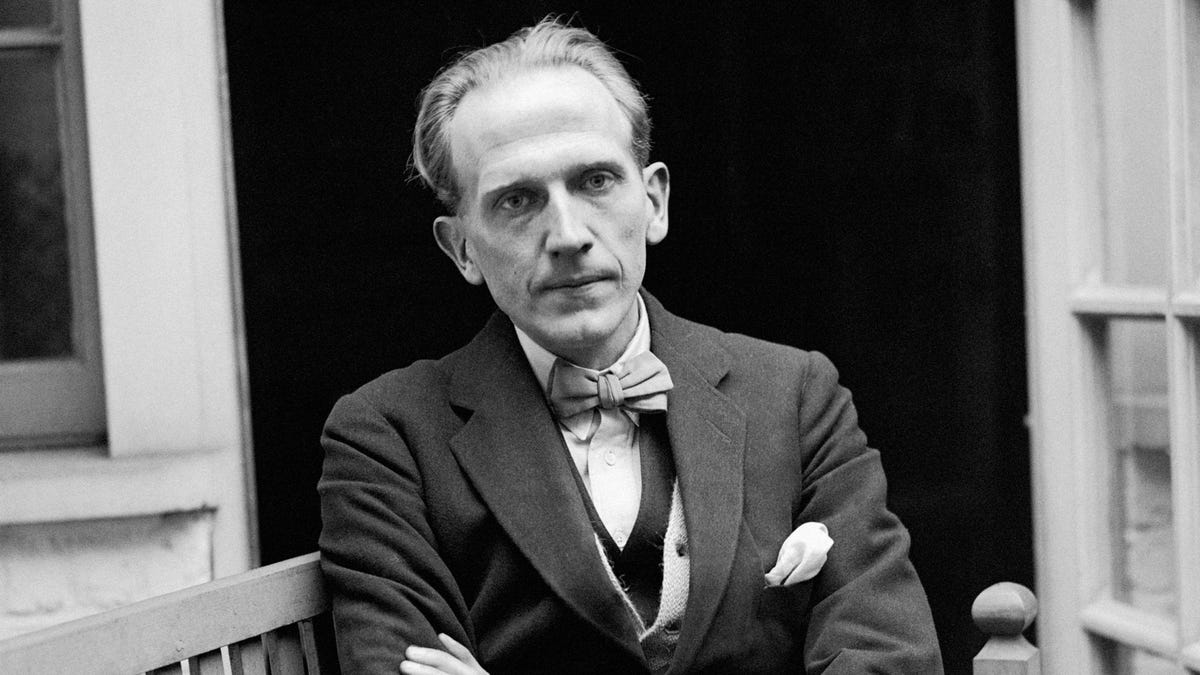
A.A. Milne’s legacy is often overshadowed by the immense popularity of his children’s books, but his personal life was marked by emotional struggles, family conflicts, and the haunting scars of war. This article delves into the lesser-known aspects of Milne’s life, revealing the complexities that shaped the man behind the stories.
From Childhood to Literary Fame: The Origins of Winnie-the-Pooh
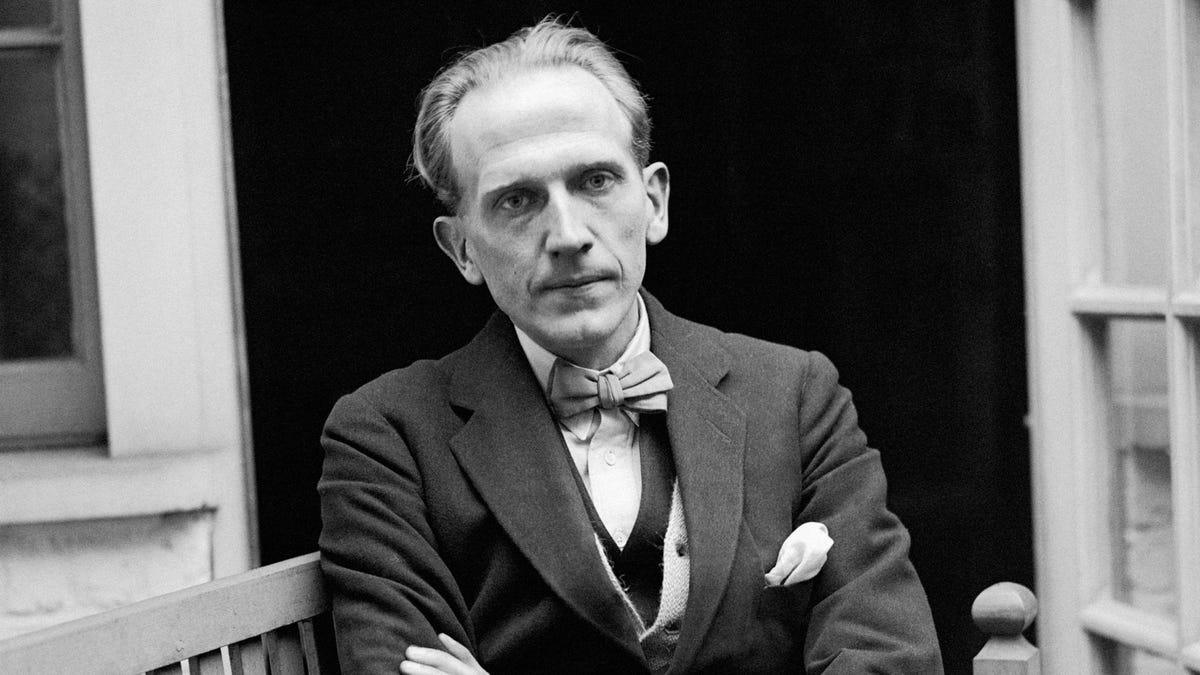
Alan Alexander Milne was a successful playwright and novelist before he became famous for his children’s stories. Born in 1882, Milne’s early career was filled with sophisticated comedies and detective novels aimed at adult audiences. However, his most enduring work came from a different place — his relationship with his only son, Christopher Robin Milne.
Christopher received a stuffed bear for his first birthday, which the family named Winnie-the-Pooh, inspired by a real bear named Winnie at London’s Regent’s Park Zoo. Milne’s wife, Dorothy, gave voices and personalities to Christopher’s stuffed animals, sparking the imagination that would later fuel Milne’s stories. The tales of Pooh and his friends were initially created to entertain Christopher, but they quickly gained widespread acclaim.
Despite the success, the father-son relationship was complicated. Christopher Robin often felt overshadowed by the fame his father’s work brought him, leading to feelings of resentment and confusion about his own identity. The stories became a part of their lives, but the emotional distance between them remained.
The War That Haunted Milne
A significant source of Milne’s hidden darkness was his experience during World War I. Although a pacifist at heart, Milne volunteered for the British Army in 1914, believing the conflict would be the “war to end all wars.” He fought in the Battle of the Somme, one of the bloodiest battles in history, witnessing unimaginable horrors.
The trauma of war left deep psychological scars. Milne described the experience as a “nightmare of mental and moral degradation,” and it profoundly affected his worldview and writing. This darkness contrasted sharply with the lighthearted tone of Winnie-the-Pooh, revealing the duality within Milne’s life — a man who created joy for children while grappling with the shadows of his past.
Family Struggles and Personal Regrets
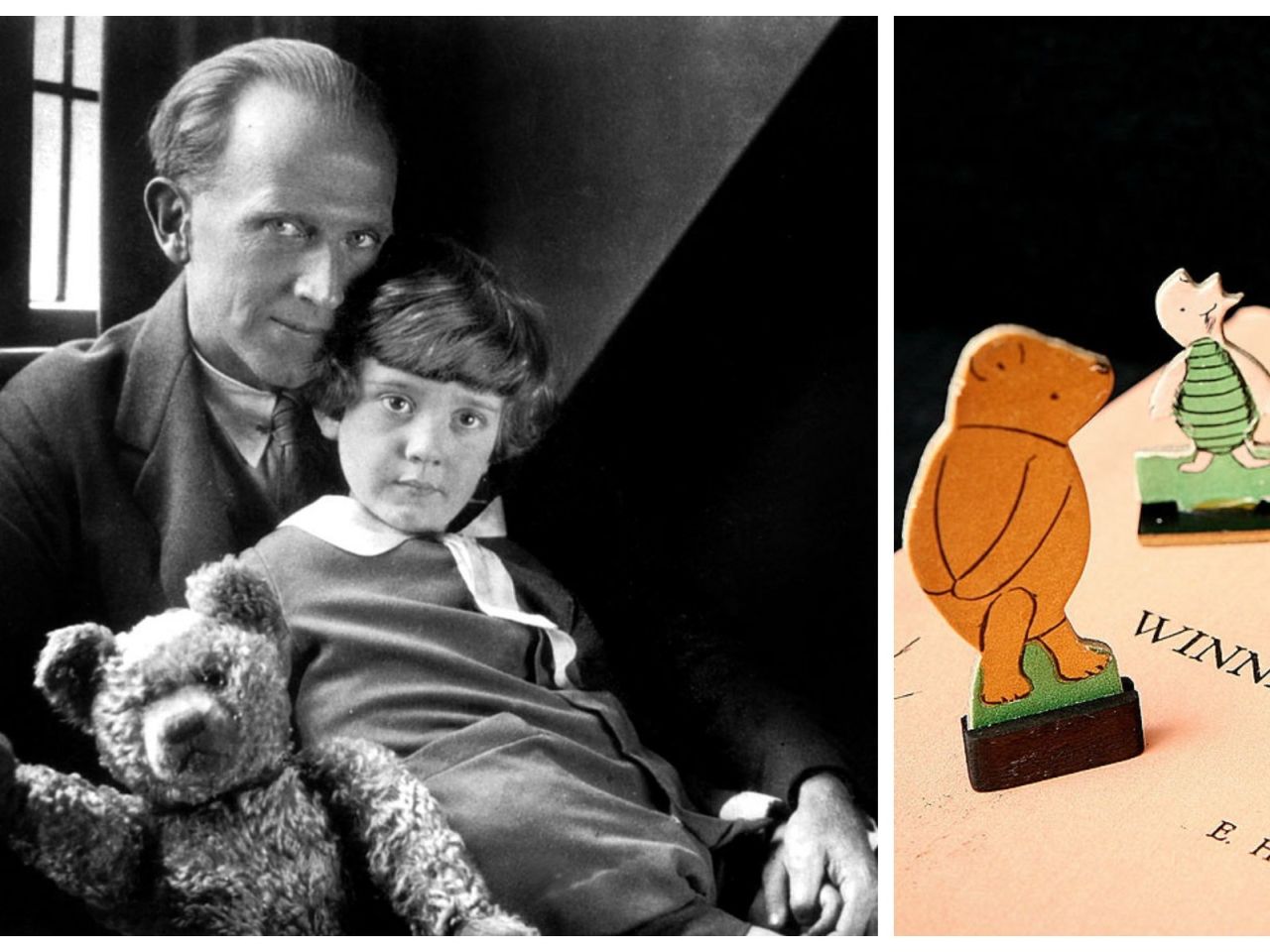
Milne’s personal life was fraught with tension and estrangement. He had a strained relationship with his parents and his older brother Barry, with whom he did not speak for decades. Even within his immediate family, conflicts persisted. Milne disapproved of Christopher Robin’s marriage to his first cousin, further widening the emotional gap between father and son.
Both Milne and his wife engaged in extramarital affairs, yet they remained married until Milne’s death in 1956. The couple’s complicated relationship added another layer of difficulty to Milne’s personal life.
Christopher Robin later expressed mixed feelings about his father’s fame and their relationship. He felt that his father had used his childhood and name to achieve success, leaving him with little of his own identity. However, in later years, Christopher came to terms with his past, recognizing that their shared childhood, with all its complexities, shaped who he was.
Conclusion
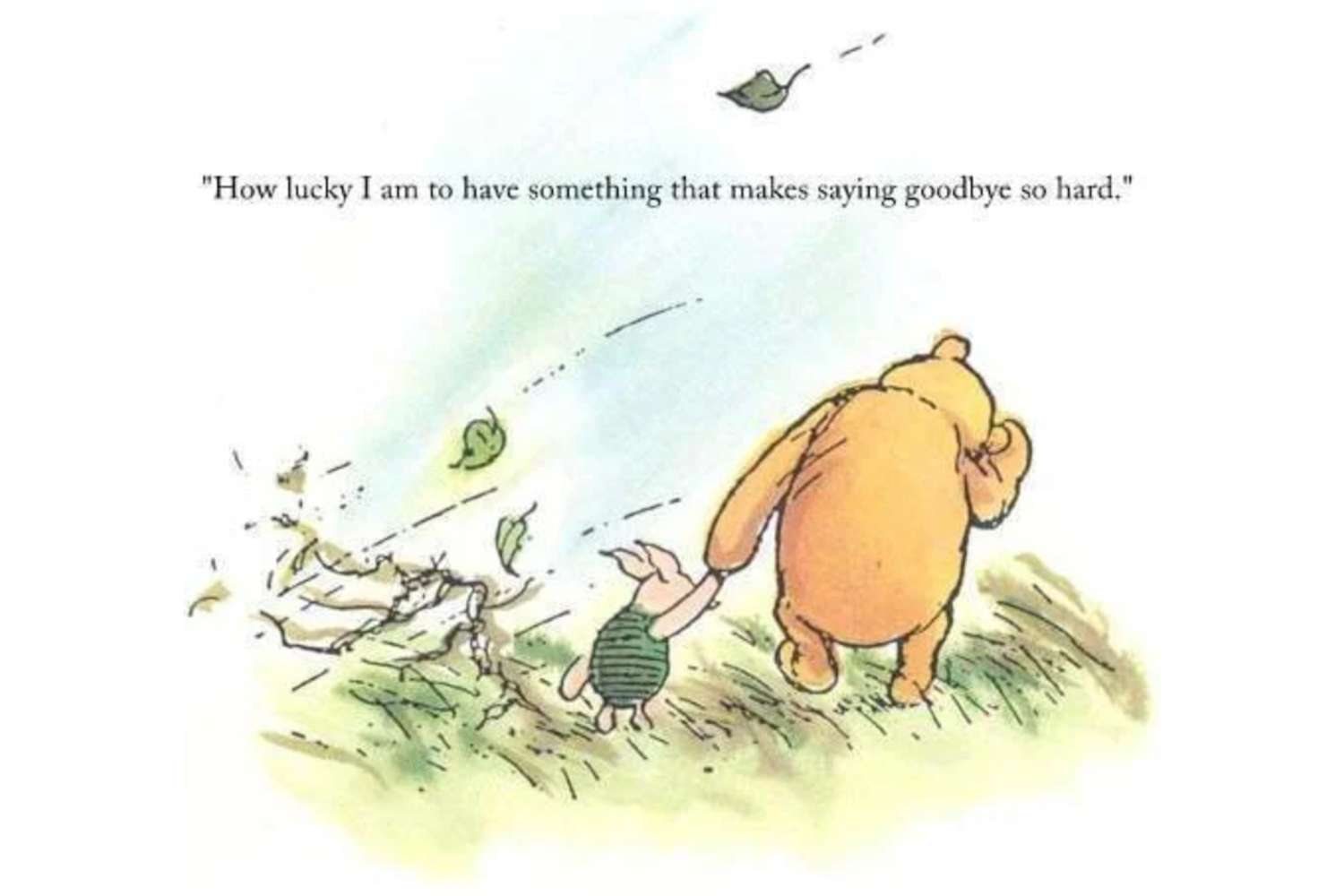
The story of A.A. Milne, the man who created Winnie-the-Pooh, is one of contrasts — between light and darkness, joy and sorrow, fame and personal struggle. While his stories continue to bring happiness to children around the world, it is important to remember the hidden darkness that shaped the man behind the bear.
Understanding Milne’s life adds depth to the timeless tales of Winnie-the-Pooh and reminds us that even the brightest stories can emerge from the most complicated lives. If you found this exploration of A.A. Milne’s life intriguing, don’t hesitate to share it with fellow fans or dive deeper into the history behind your favorite childhood classics.