Newly Released Ghoulish Pics Show Jeffrey Epstein’s Body as EMTs Performed CPR After Prison Suicide
Unveiling the Shocking Images of Jeffrey Epstein’s Final Moments

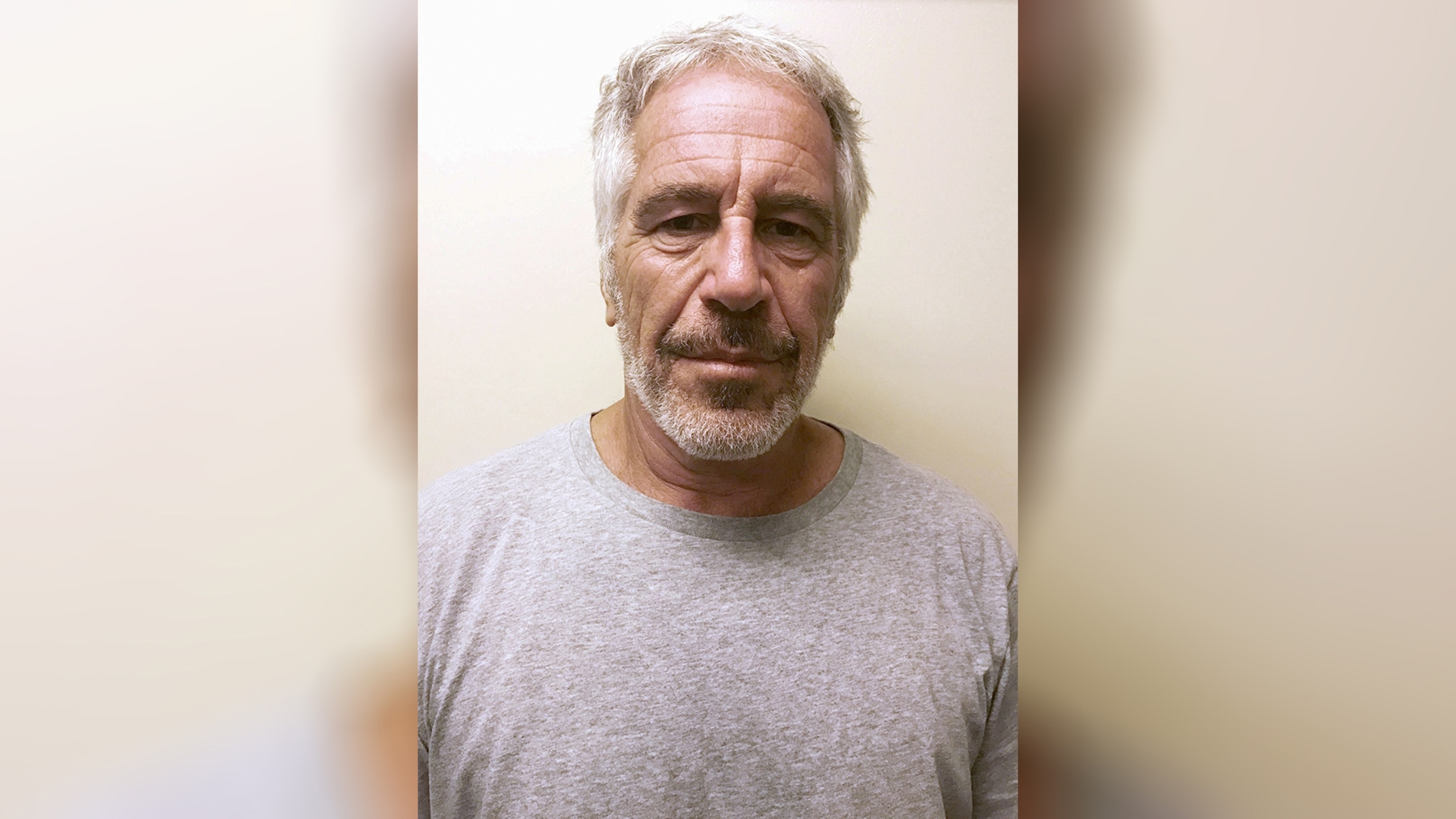
In a startling release by the Department of Justice, previously unseen photographs have surfaced showing Jeffrey Epstein’s body as emergency medical technicians (EMTs) attempted to resuscitate him following his suicide in a New York City jail cell. Epstein, a disgraced financier and convicted sex offender, was found hanging in his cell at the Metropolitan Correctional Center (MCC) in Brooklyn on August 10, 2019. These newly released images, part of millions of documents from a federal investigation, provide a grim and graphic look at the moments immediately after his death was discovered.
The photographs depict Epstein with his orange prison shirt torn open, revealing TENS electrode pads attached to his bare chest—used during CPR efforts. A neck brace is visible, alongside an oxygen tank and IV drip, highlighting the medical interventions administered in a desperate attempt to save his life. The images also show deep red cuts around his neck, caused by the makeshift noose fashioned from prison fabric, and his severely swollen face, underscoring the trauma he endured.
Details from the Department of Justice Investigation
The Department of Justice’s release includes two key documents: an FBI death investigation report and a Metropolitan Correctional Center Lieutenant’s Office report. These documents not only contain graphic images but also provide a detailed timeline of Epstein’s final hours.
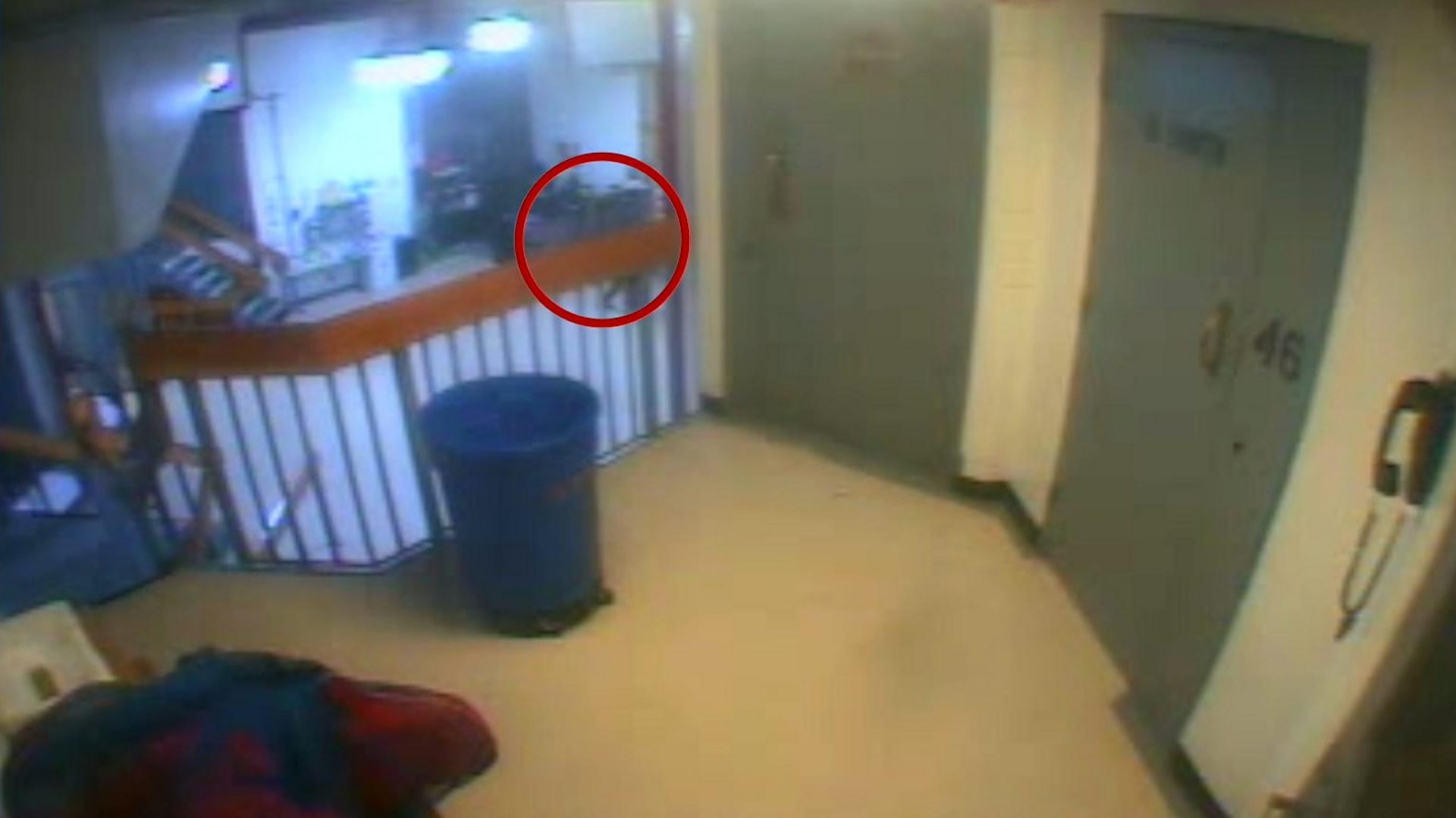
On August 9, 2019, Epstein attended a court hearing in the morning. Later that day, his cellmate was transferred out, leaving Epstein alone in his cell. The report notes that Epstein made a 20-minute phone call that evening from the prison shower area, with an officer dialing the number on his behalf due to Epstein not having his phone access code set up. After the call, two officers were assigned to monitor Epstein overnight during their overtime shift.
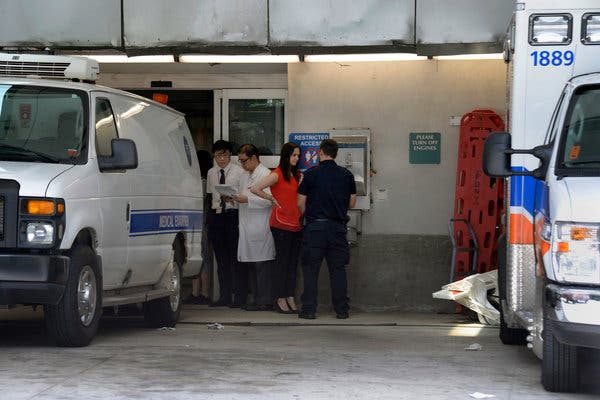
At 6:33 a.m. on August 10, a body alarm was triggered. The officers reported that Epstein had hanged himself. However, the report also reveals that no security rounds were conducted at 3 a.m. or 5 a.m., a failure acknowledged by the officers involved. Despite immediate CPR efforts by the Lieutenant and a nurse, no pulse was found. Epstein was then transported to a hospital, where he was pronounced dead at 7:36 a.m.
Graphic Evidence and Its Implications
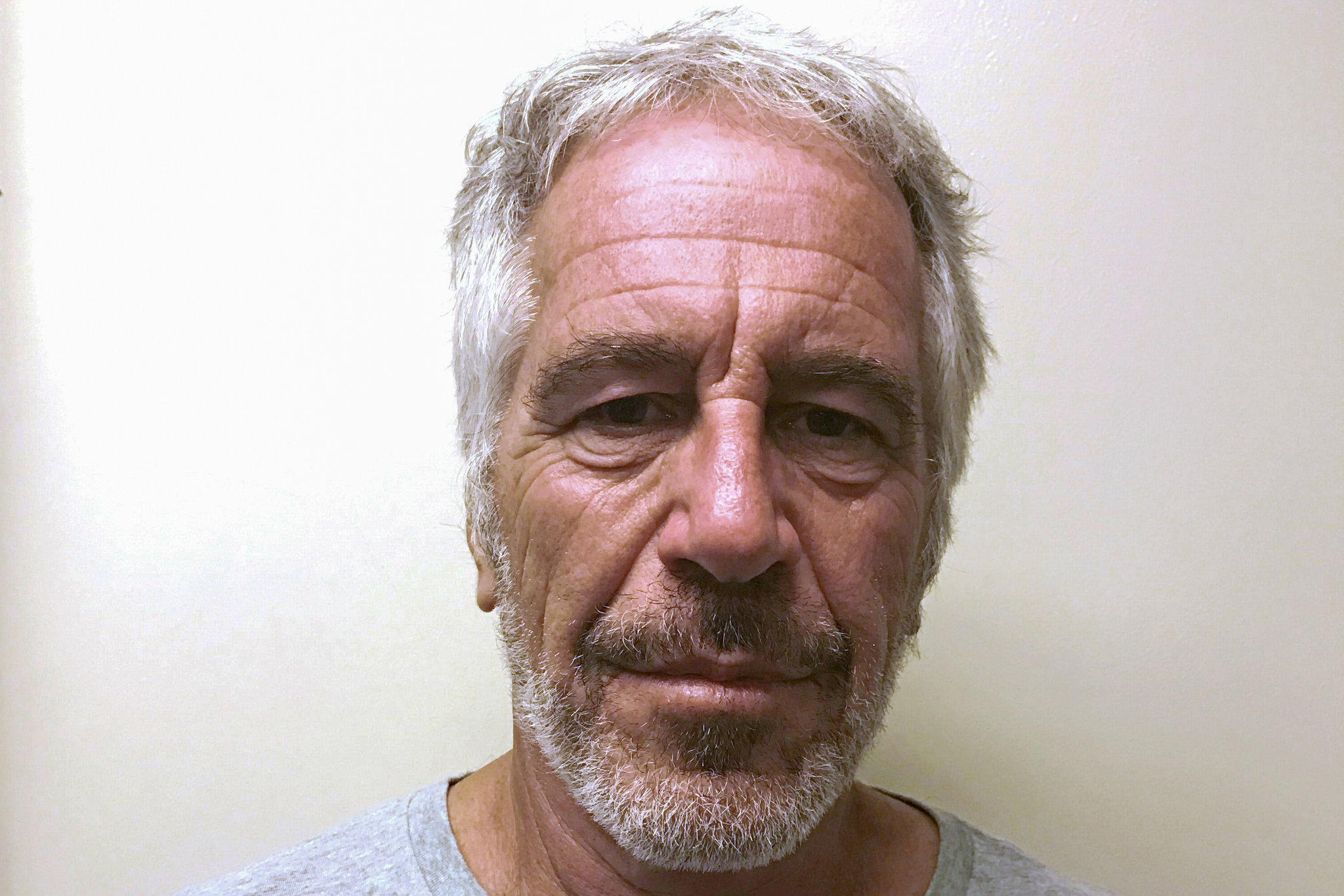
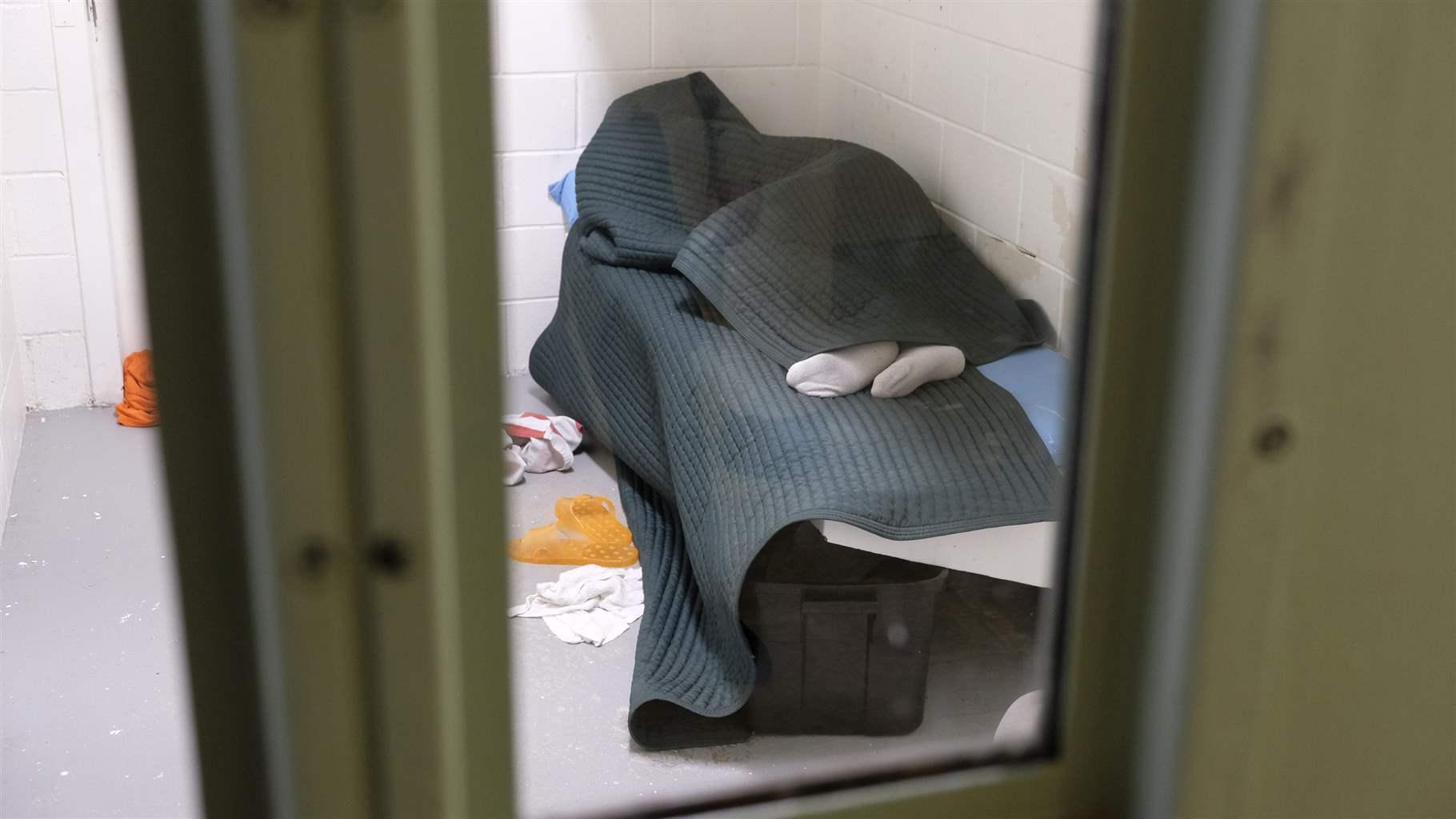
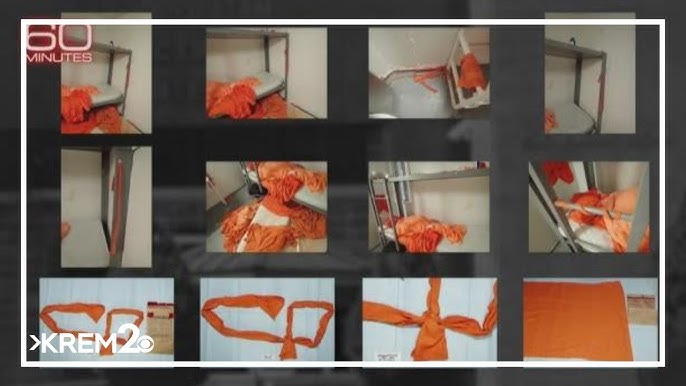
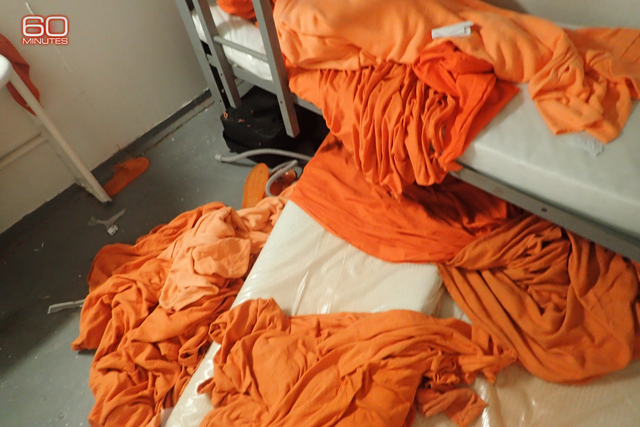
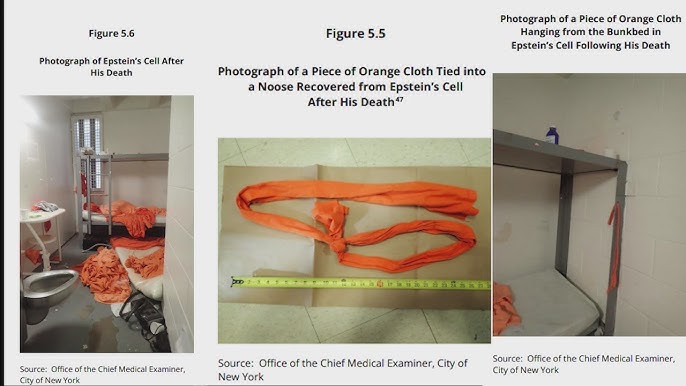
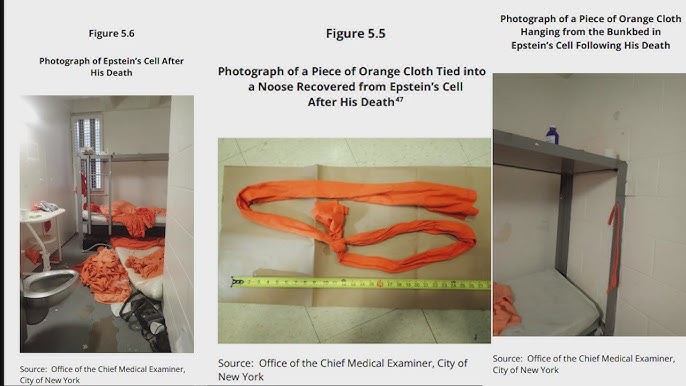
Among the most disturbing images are those showing Epstein’s fractured thyroid cartilage, a sign of severe neck trauma consistent with hanging. The noose made from prison-issued orange fabric remains attached to the metal bed frame in his cell, serving as a grim reminder of the method he used to take his own life.
These photographs and reports have reignited public debate and conspiracy theories surrounding Epstein’s death. Given his high-profile connections and the nature of his crimes—ranging from sex trafficking of minors to conspiracy charges—many have questioned the circumstances of his suicide and the adequacy of jail protocols.
The Aftermath: Investigations and Public Reaction
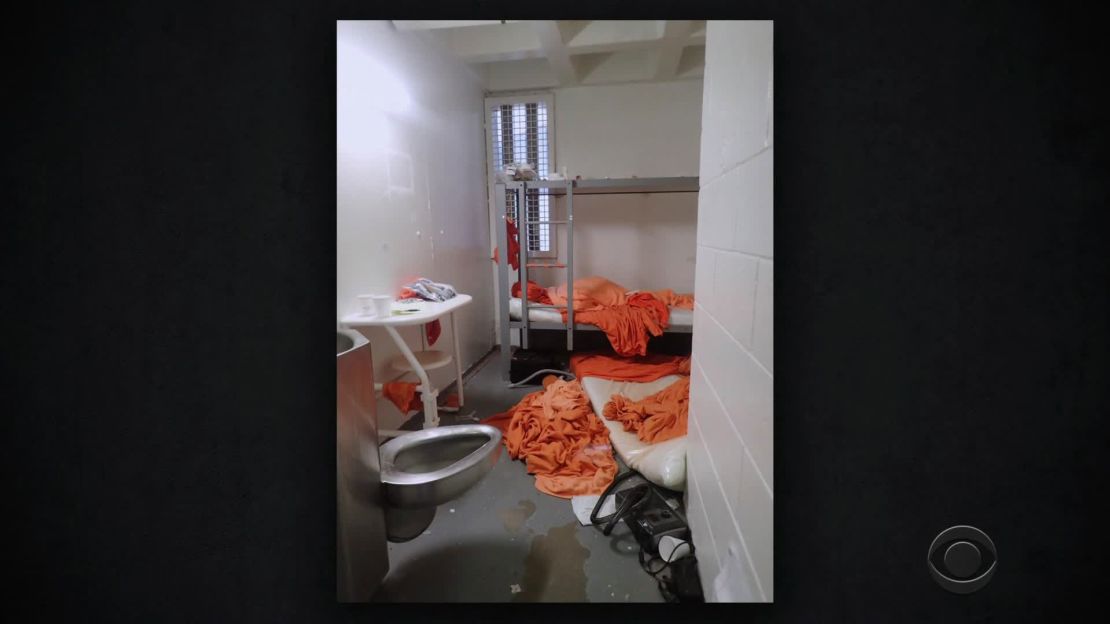
Following Epstein’s death, intense scrutiny was placed on the Metropolitan Correctional Center’s procedures and staffing. The failure to conduct regular inmate checks and the absence of a cellmate for Epstein raised serious concerns about negligence and possible foul play.
The Department of Justice’s release of these images and documents aims to provide transparency and answer lingering questions. However, the graphic nature of the photos has sparked controversy over the ethics of releasing such sensitive material to the public.
What This Means for Prison Safety and Accountability
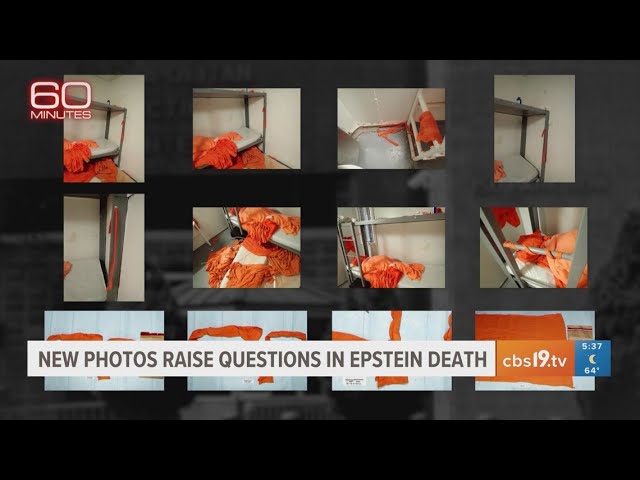
Epstein’s death highlighted systemic issues within the U.S. prison system, particularly regarding the treatment and monitoring of high-risk inmates. The lapses in protocol at MCC have prompted calls for reforms to ensure better oversight and prevent similar tragedies.
Moreover, the case underscores the importance of mental health support and suicide prevention measures in correctional facilities. Epstein’s suicide has become a case study in how failures in these areas can have fatal consequences.
Conclusion
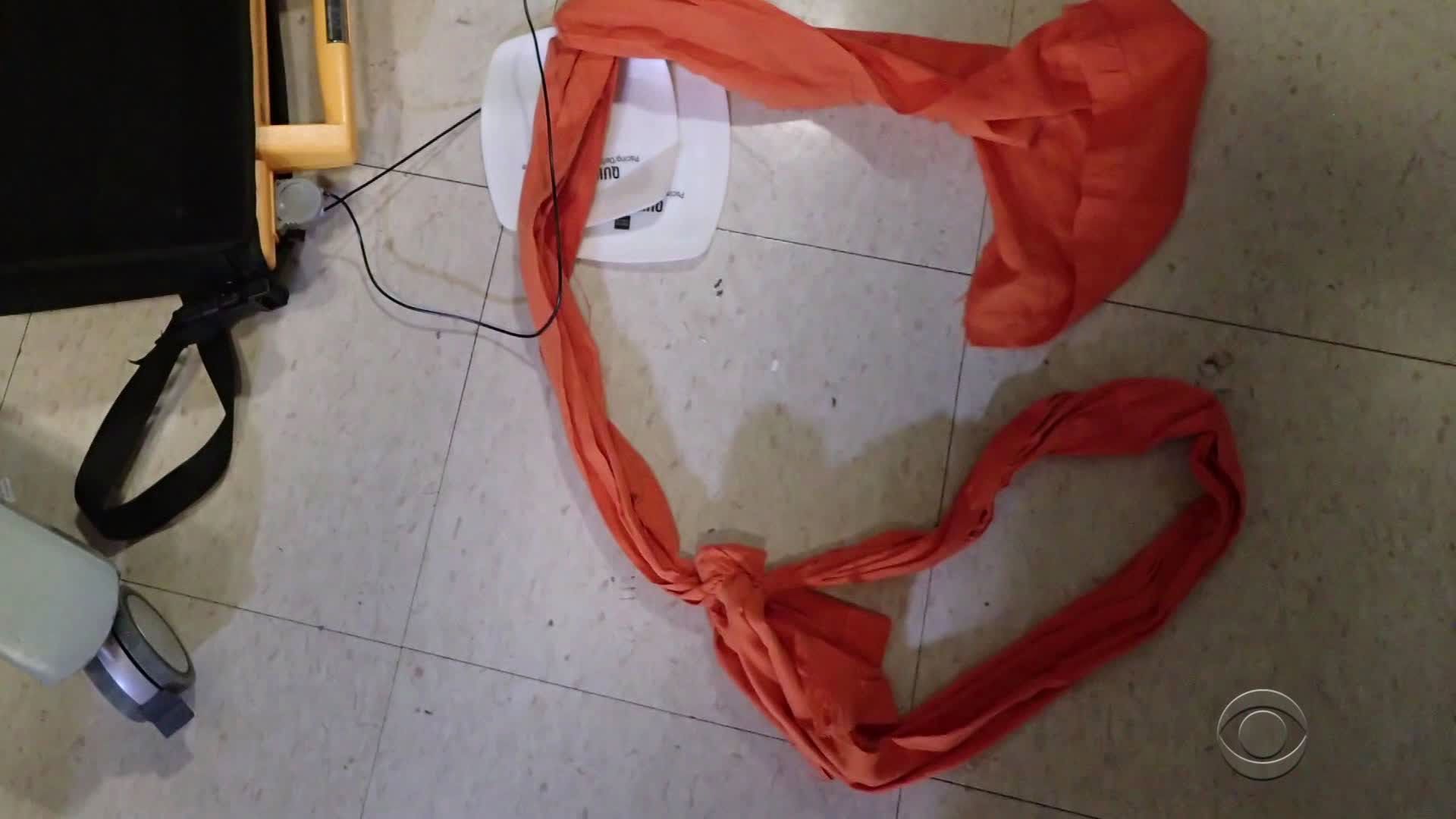
The newly released ghoulish pics showing Jeffrey Epstein’s body as EMTs performed CPR after his prison suicide offer a haunting glimpse into the final moments of a man whose crimes shocked the world. These images, combined with detailed investigation reports, shed light on the circumstances surrounding his death and the failures within the prison system that allowed it to happen.
If you or someone you know is struggling with thoughts of suicide, remember that help is available. Reach out to the National Suicide Prevention Lifeline at 1-800-273-8255 for support.
Stay informed and engaged by subscribing to our newsletter for the latest updates on high-profile cases and justice system reforms.