
Why an Insanity Plea Would Be ‘Very Hard’ for Nick Reiner After Deaths of Parents, Rob and Michele Reiner (Exclusive)
Understanding the Challenges of an Insanity Plea in Nick Reiner’s Case

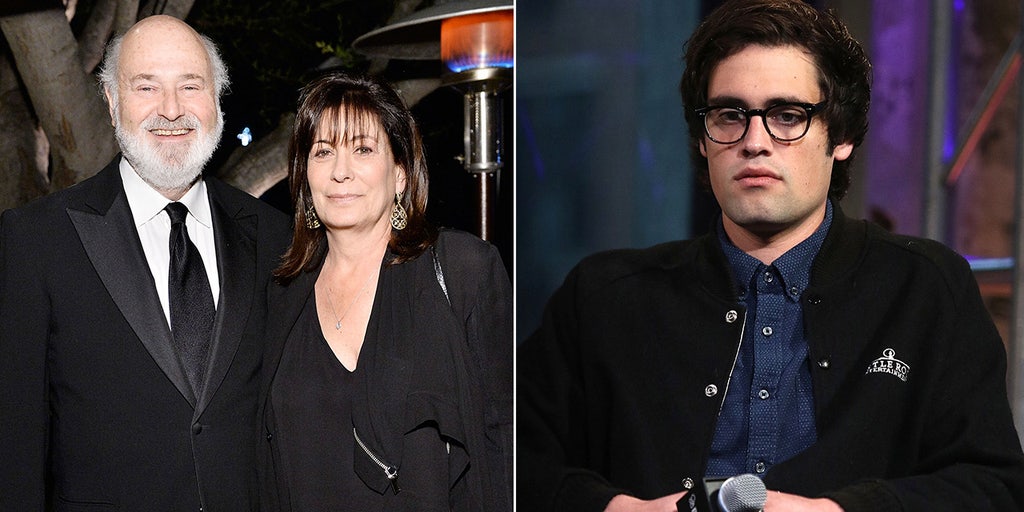
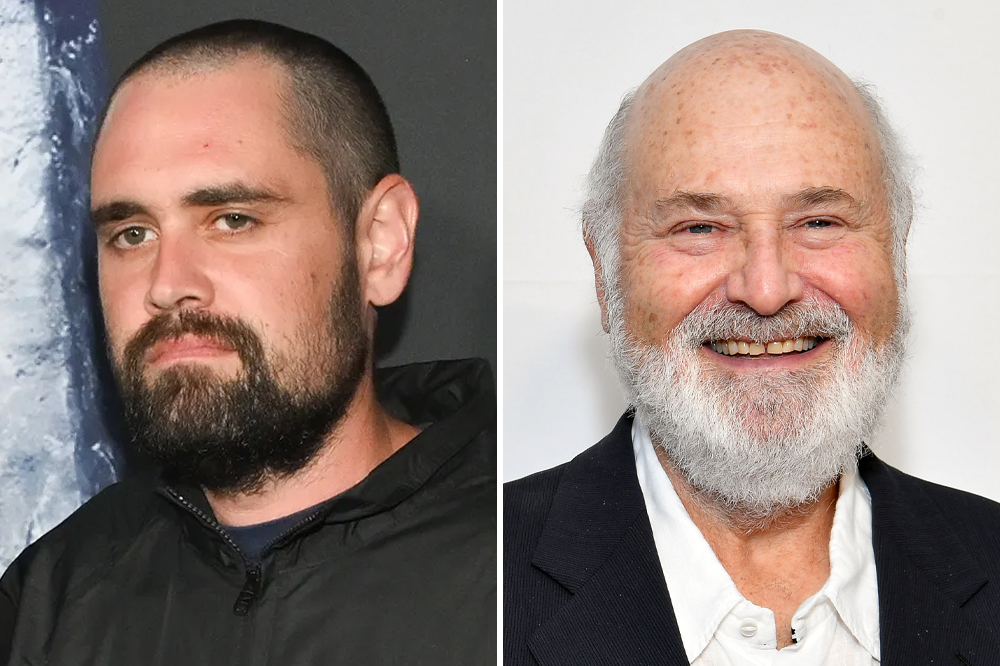
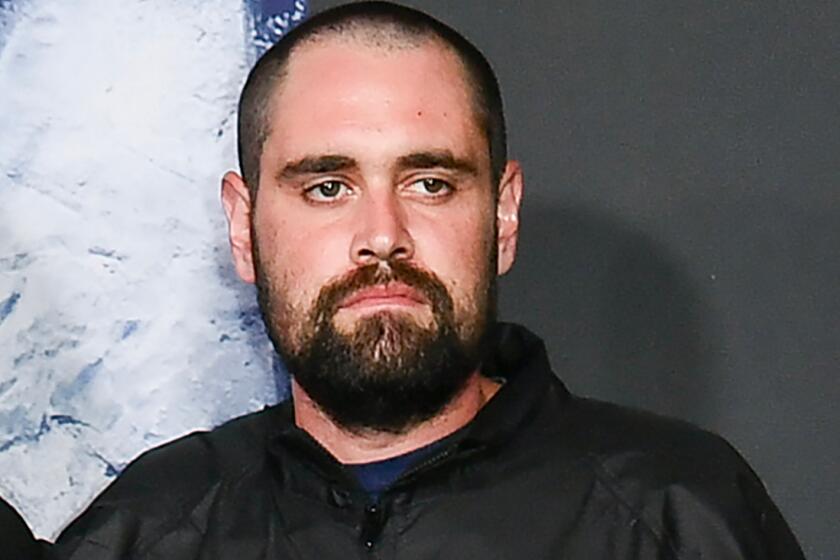
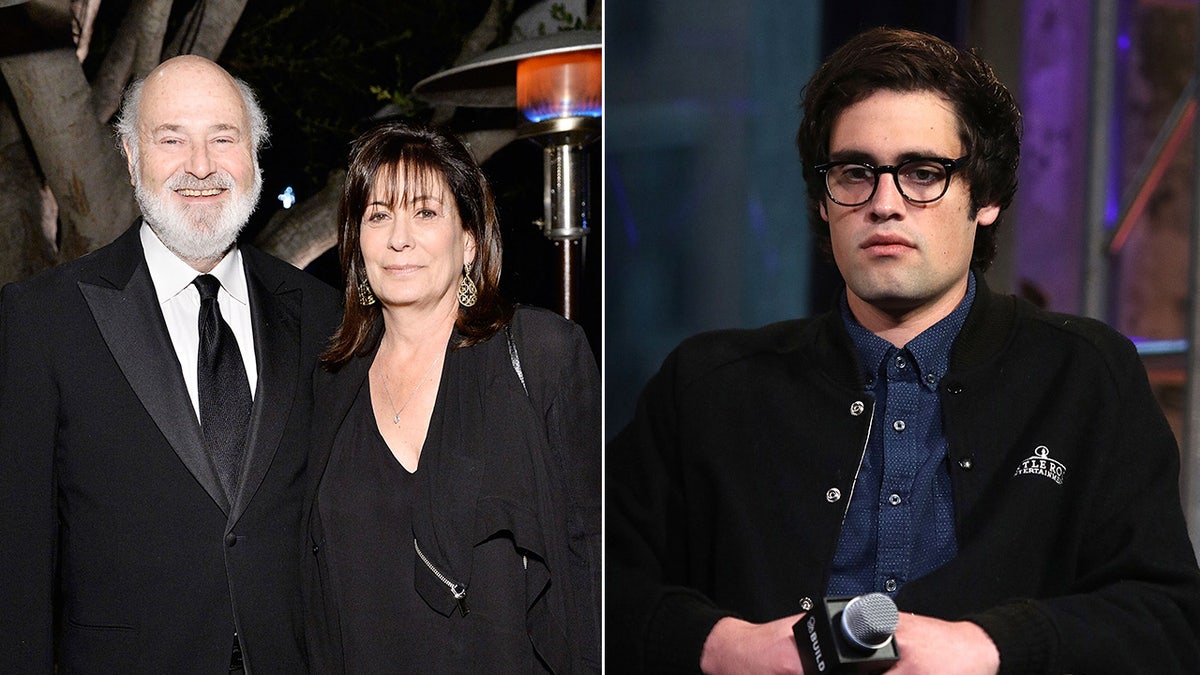
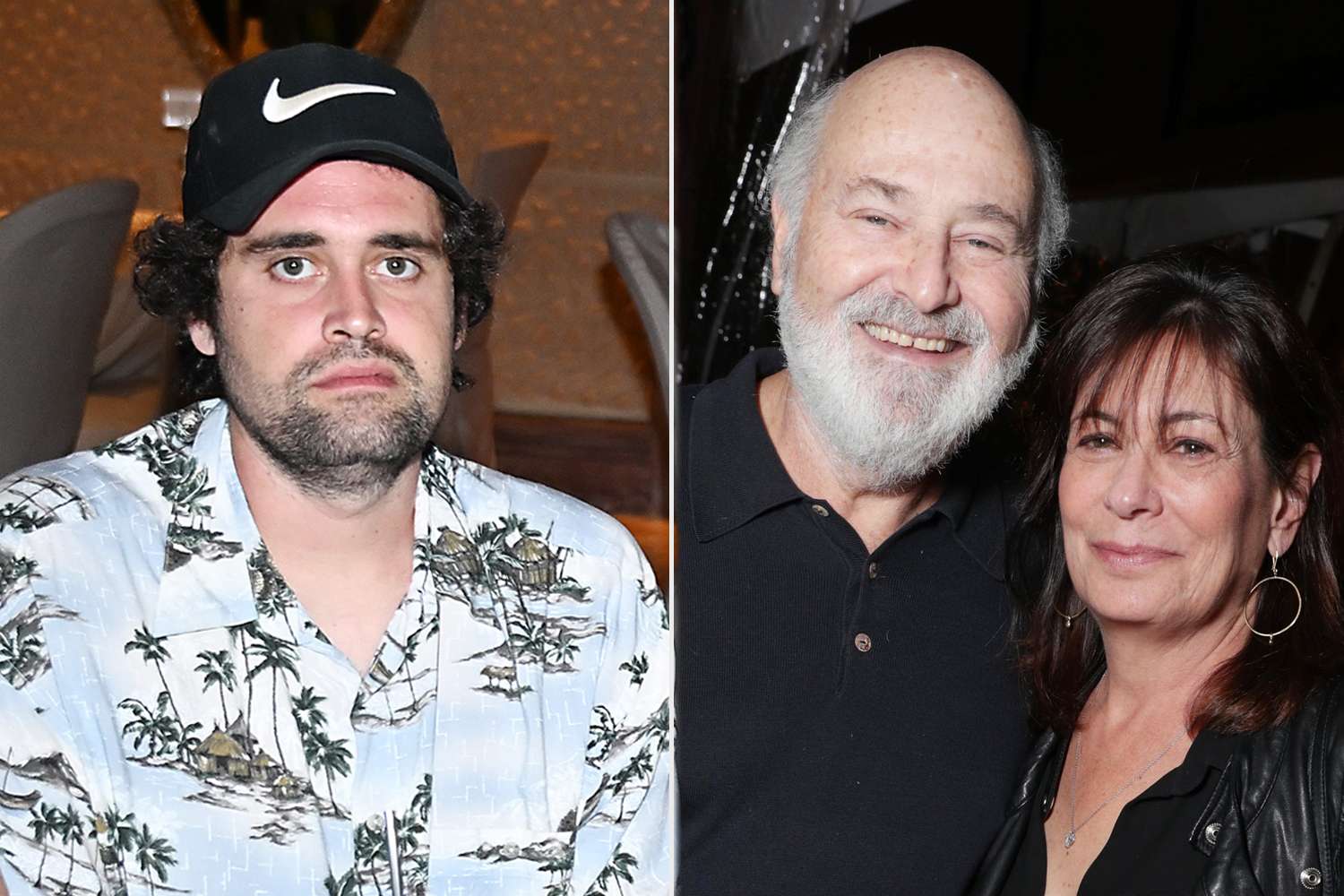
The recent tragic deaths of Rob and Michele Reiner have shocked many, especially as their son Nick Reiner faces two counts of first-degree murder. In the wake of these devastating events, speculation has arisen about whether Nick might plead insanity as a legal defense. However, legal experts emphasize that mounting a successful insanity plea is an uphill battle, particularly in California, where the standards are stringent and the success rate is remarkably low.
Neama Rahmani, a seasoned attorney from California’s West Coast Trial Lawyers, explains that to be found not guilty by reason of insanity, the defense must prove that the defendant, due to a mental disease or defect, did not understand the nature or consequences of their actions. Essentially, the defendant must be shown to not know right from wrong at the time of the crime. This is a very high legal threshold, and jurors tend to be skeptical of such defenses.
The Legal Hurdles of Pleading Insanity

An insanity defense is rarely successful because it requires convincing the court that the defendant was legally insane during the commission of the crime. Rahmani notes that jurors “almost always reject” insanity pleas because the defense must first concede that the defendant committed the act, then argue that the defendant was insane when doing so. This two-step narrative reversal often fails to resonate with juries.
In Nick Reiner’s case, the circumstances surrounding the deaths of his parents add complexity. According to sources, Nick and his father Rob Reiner had a heated argument at a holiday party just one day before the tragic incident. This “history of bad blood” could suggest motive and awareness, which undermines claims of legal insanity. New York criminal defense attorney Randy Zelin points out that the manner of the deaths and Nick’s subsequent behavior, such as checking into a hotel, indicate a conscious and deliberate act rather than an impulsive or mentally impaired one.
Mental Health Considerations and Their Impact

While the insanity plea is difficult, Nick Reiner’s reported mental health issues and alleged drug use may influence the defense strategy. Reports indicate that Nick was receiving treatment for schizophrenia at the time of the incident, which could be used to argue a lack of premeditation. Since first-degree murder requires proof of planning and intent, demonstrating impaired mental capacity could potentially reduce the charges to second-degree murder or manslaughter.
Rahmani explains that mental illness might not exonerate Nick but could affect sentencing. A defense highlighting schizophrenia and addiction could persuade the court to consider lesser charges or mitigate punishment, possibly removing the death penalty from consideration. Mental health experts will likely play a crucial role in evaluating Nick’s state of mind and influencing the trial’s outcome.
The Court Proceedings and Next Steps

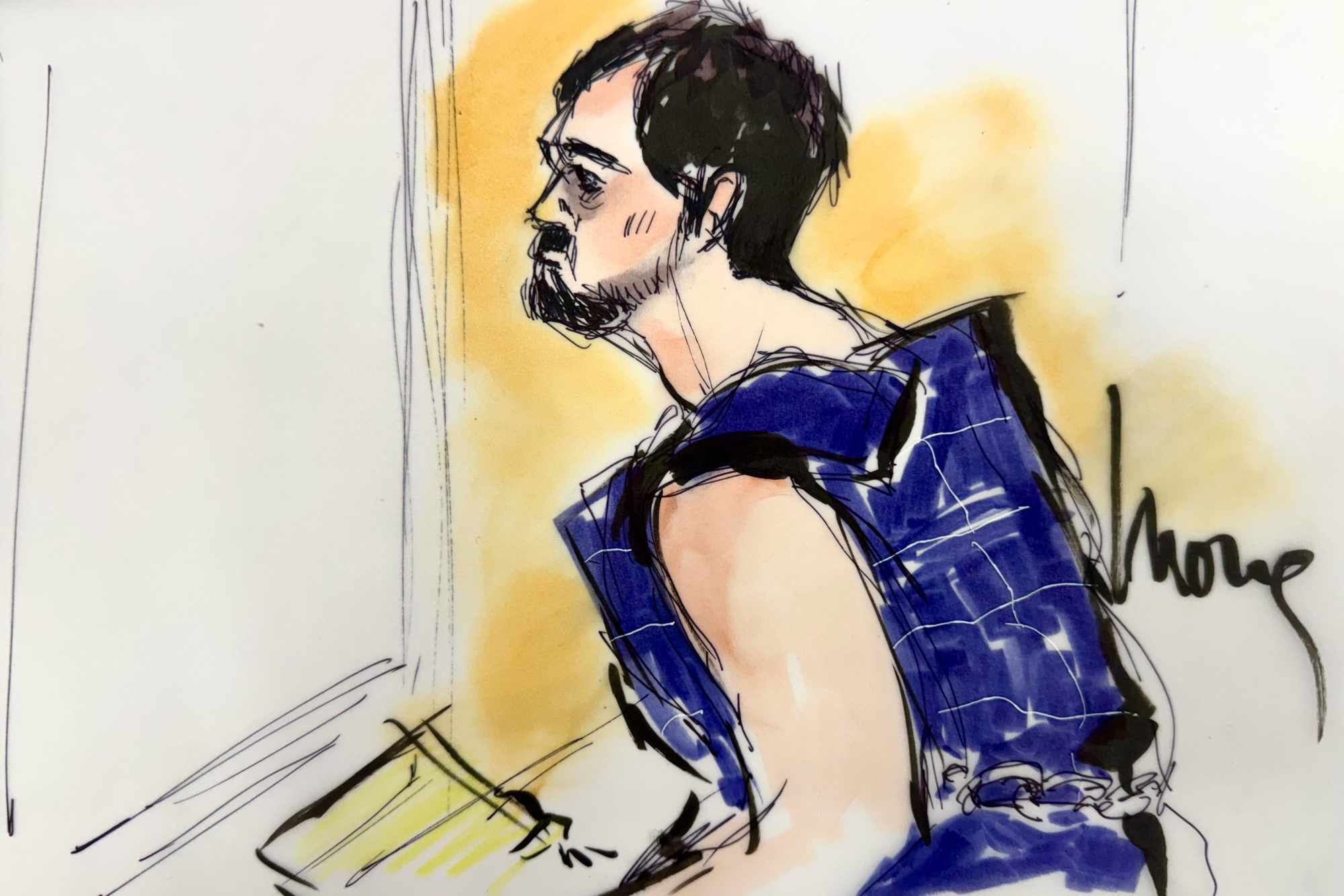
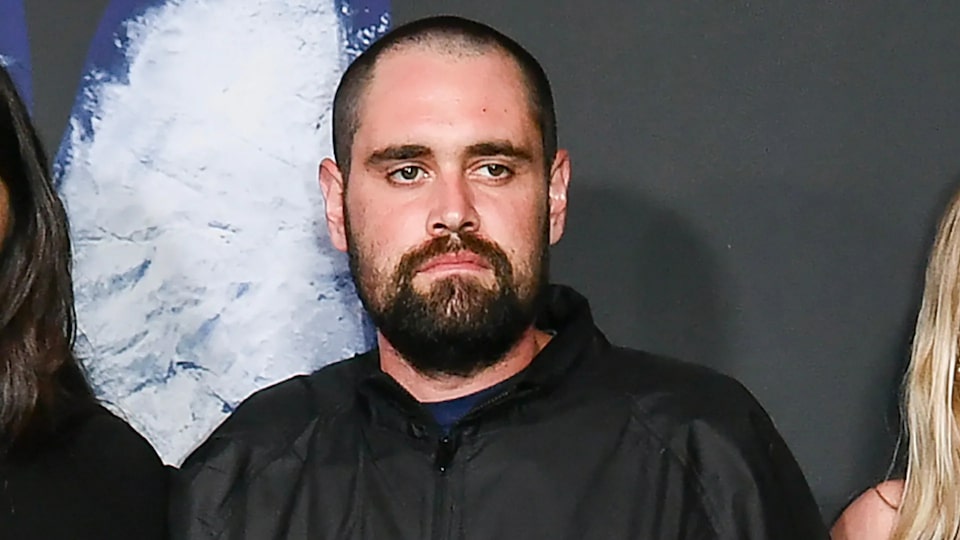
Nick Reiner’s first court appearance was marked by his wearing an anti-suicide smock and shackles, underscoring the seriousness of the charges and concerns for his well-being. His attorney, Alan Jackson, has so far declined to enter a plea, with the arraignment scheduled to continue in early January. The legal process will unfold over the coming months, with both prosecution and defense presenting their cases.
Given the complexities of the case and the challenges of an insanity defense, legal observers anticipate a difficult road ahead for Nick Reiner. The defense team will need to carefully balance mental health considerations with the evidence of premeditation and motive to mount an effective strategy.
Conclusion
In summary, an insanity plea for Nick Reiner following the deaths of his parents, Rob and Michele Reiner, faces significant legal obstacles. The stringent requirements for proving legal insanity, combined with the circumstances of the case, make such a defense very hard to succeed. However, mental health factors may still influence the charges and sentencing. As this high-profile case develops, staying informed about the legal proceedings is crucial. For more updates on this and other legal news, subscribe to our newsletter and stay ahead with expert insights.