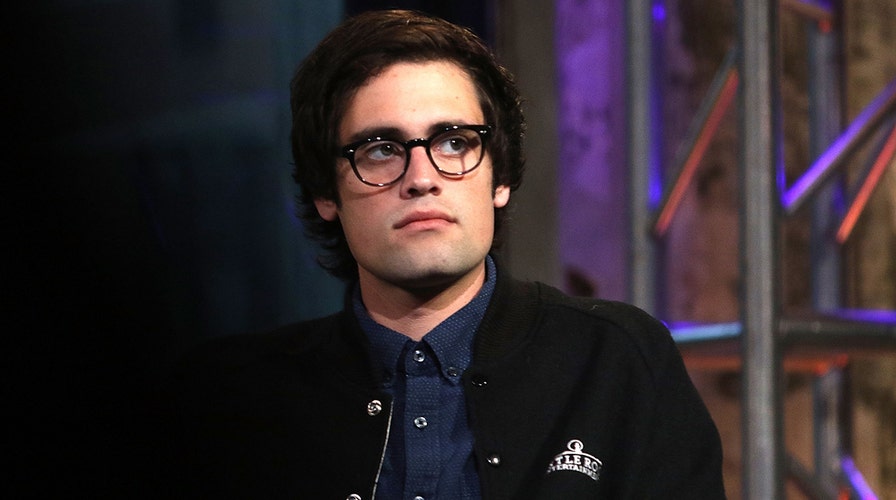

Nick Reiner’s Defense Attorney Weighs Insanity Plea as Murder Case Enters Discovery Phase, Legal Expert Says
Understanding the Discovery Phase and the Insanity Plea in Nick Reiner’s Case
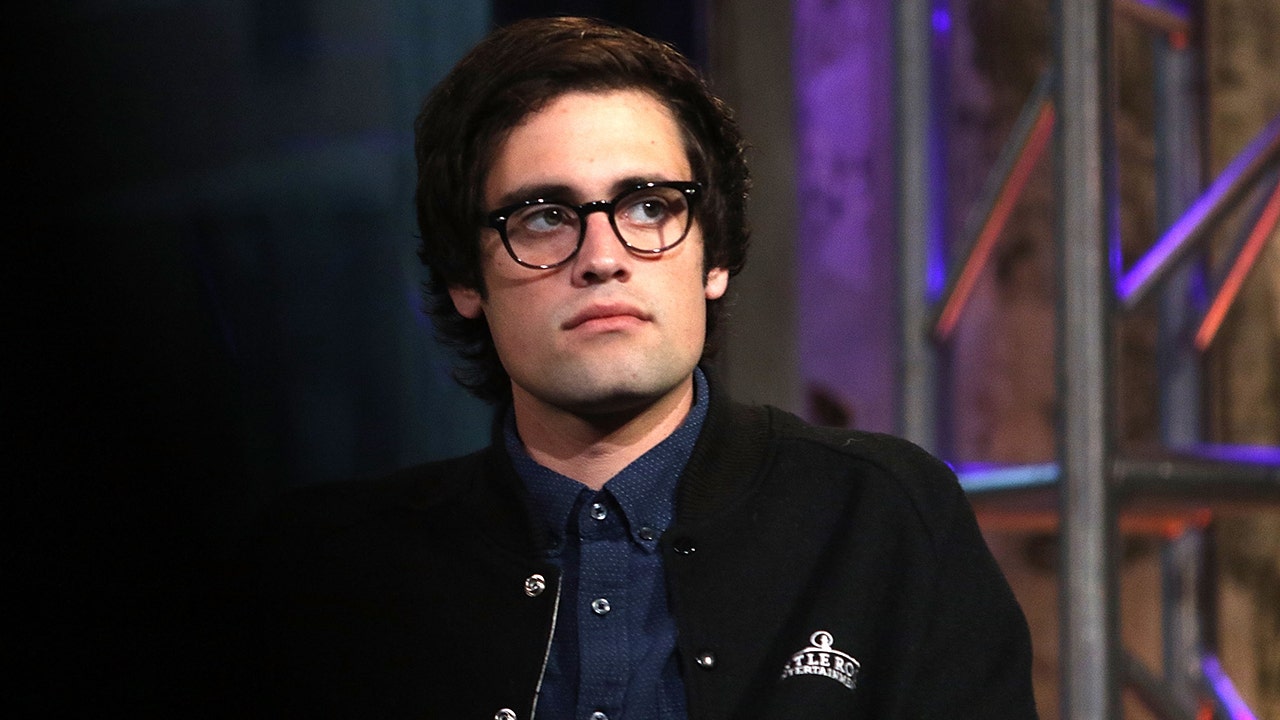
The murder case involving Nick Reiner, accused of killing his parents, renowned Hollywood actor and director Rob Reiner and his wife Michele Reiner, has recently entered the discovery phase. According to legal expert Attorney Matt Murphy, this stage is critical as it allows the defense to thoroughly review evidence and determine the best course of action, including the possibility of filing an insanity plea.
Murphy explains that Nick Reiner’s defense attorney, Alan Jackson, is meticulously examining all available discoveries to decide whether to plead not guilty or to submit a guilty plea by reason of insanity. The discovery phase is an essential part of the pre-trial process where both prosecution and defense exchange evidence and information. This phase can be prolonged, especially in complex cases involving mental health issues and potential capital punishment.
The Role of Mental Health in the Defense Strategy

One of the most significant considerations in this case is Nick Reiner’s mental health history. Reports have surfaced about his struggles with addiction and mental health challenges, which could influence the defense’s approach. Murphy notes that Jackson is likely to pursue a mental health defense, emphasizing Reiner’s addiction and psychological state at the time of the alleged crime.
However, Murphy distinguishes between addiction-related mental health issues and organic mental illnesses such as schizophrenia. The latter involves conditions that develop independently of substance use and can significantly impact a defendant’s legal responsibility. Currently, there is no indication that Reiner suffers from an organic mental illness, which makes the insanity defense more challenging.
California law follows the McNaughton Rule, a standard that requires the defendant to understand the nature and quality of their actions at the time of the crime to be held legally responsible. This rule is stringent and often complicates insanity pleas, especially when intoxication or substance abuse is involved.
Legal Challenges and Next Steps in the Trial Process
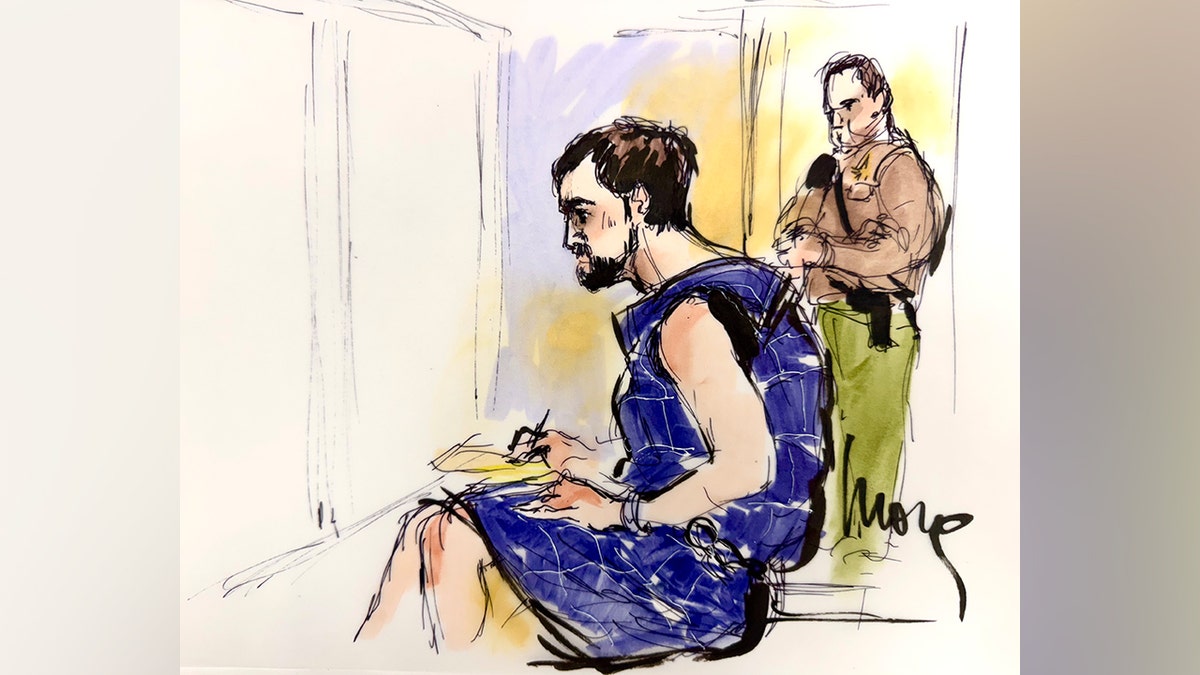
Attorney Murphy highlights that the defense may request additional time to evaluate Nick Reiner’s mental competency. If doubts arise, the court can appoint experts to conduct psychiatric evaluations. This process can extend the trial timeline considerably, as it involves repeated assessments and potential competency hearings.
If Reiner is found incompetent to stand trial, he may be placed in a secured mental health facility for treatment until he is deemed fit for court proceedings. This back-and-forth between court and mental health professionals can resemble a procedural “ping pong,” prolonging the case.
The defense will also prepare a “live-z packet,” a compilation of mitigating factors such as Reiner’s history of substance abuse and family dynamics, to present during sentencing considerations. Given the severity of the charges and the possibility of the death penalty, these mitigating factors could influence whether prosecutors seek life imprisonment without parole or pursue capital punishment.
Public Perception and the Importance of Constitutional Rights

Murphy stresses the importance of ensuring that public opinion does not interfere with Reiner’s constitutional rights. Despite the emotional nature of the case, the defense must be allowed adequate time and resources to build a comprehensive case.
The attorney also points out that intoxication alone is not a valid defense for murder under California law. Therefore, even if Reiner was under the influence at the time, he could still be held fully accountable if he understood his actions.
Videos and witness accounts describing Reiner’s behavior before and after the alleged murders add complexity to the case. While some argue that his actions indicate awareness, the defense may argue these behaviors suggest a lack of understanding of wrongdoing.
Conclusion
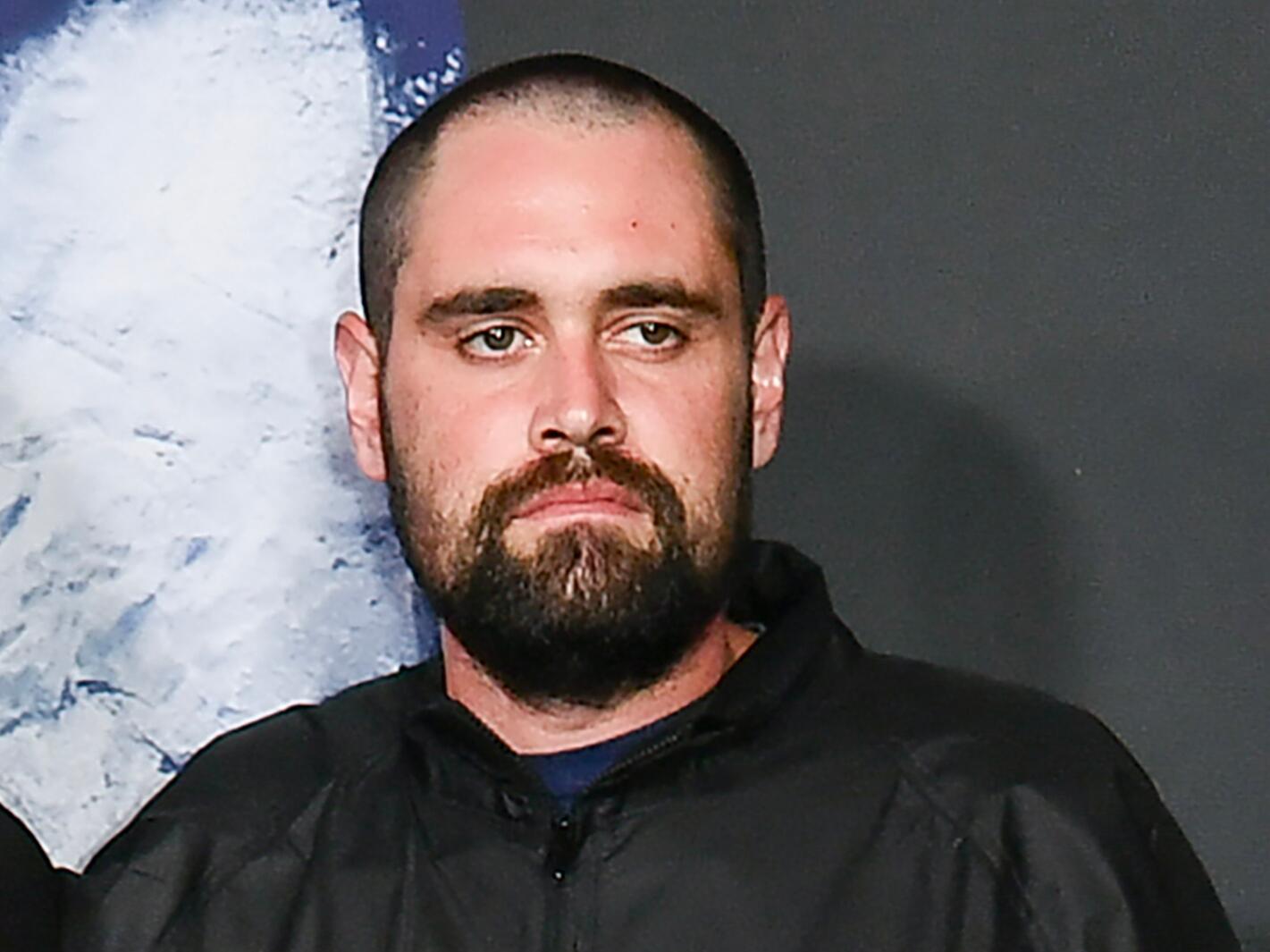
The Nick Reiner murder case is entering a critical phase as the discovery process unfolds and the defense weighs the possibility of an insanity plea. With mental health evaluations and legal strategies at the forefront, this case highlights the intricate balance between justice and compassion in the legal system. As developments continue, it is essential to stay informed and understand the complexities involved.
If you want to keep up with the latest updates on this case and other high-profile legal battles, subscribe to our newsletter for expert analysis and in-depth coverage. Stay informed, stay engaged.